Architecture festivals highlight it and invite professionals, designers and the general public to reflect on public and private environments.
Five Spanish architecture firms
A selection of projects that, from an architectural perspective, respond to challenges such as environmental impact, spatial flexibility, and heritage restoration.
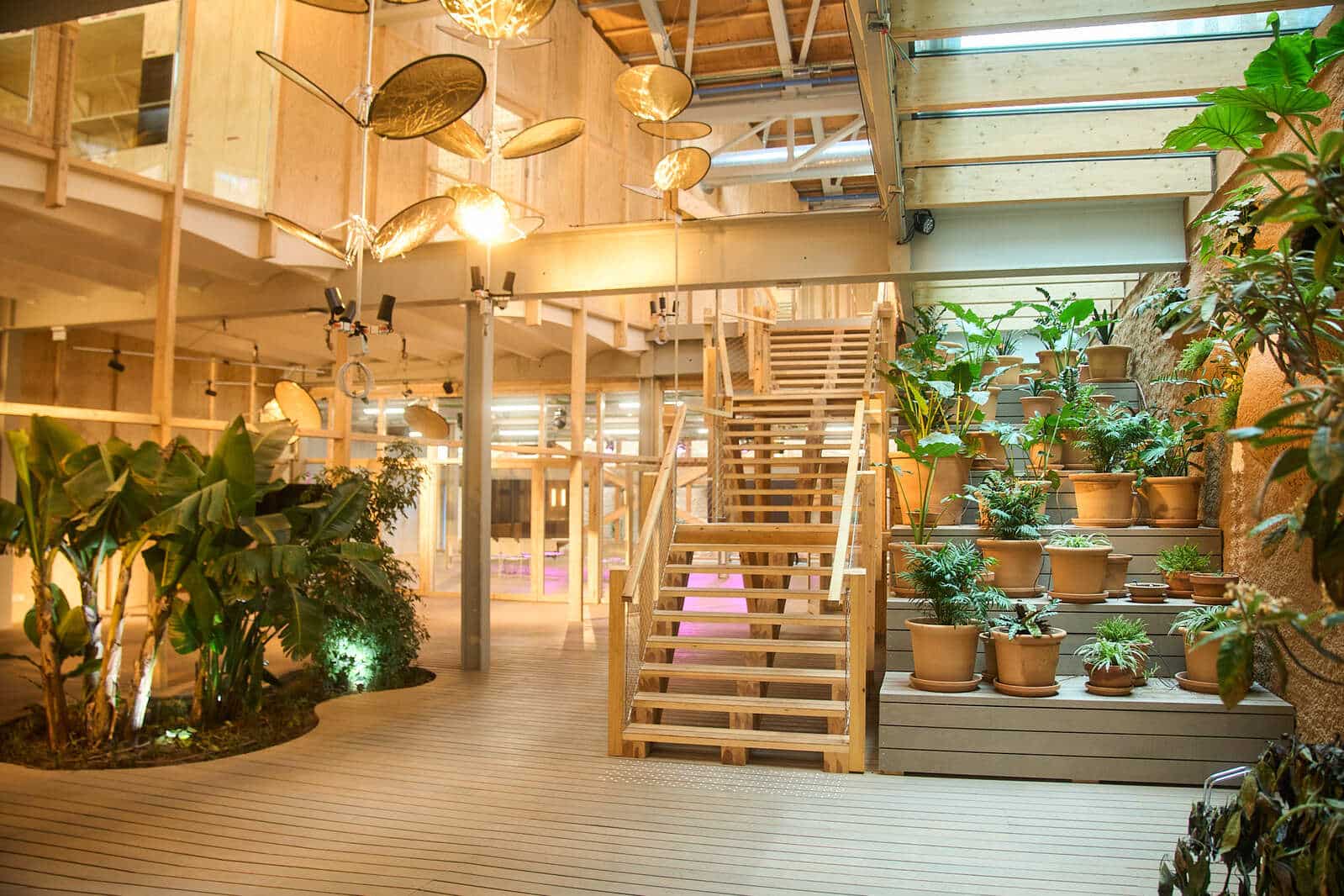
Patio ciudadano. Créditos: Infinito Delicias
A museum cinema updated in the style of Luis Buñuel, David Lynch, Almodóvar, or Aki Kaurismäki; a private home in an old neighborhood; transgenerational social housing; a jewelry store conceived as an extension of the street; and a new cultural complex understood as a public square with hydroponic crops and sustainable food laboratories. Architecture creates settings designed to improve people’s lives.
Between memory and innovation, contemporary architecture today finds one of its most fertile territories. From the rehabilitation of historic spaces to the creation of new models of urban coexistence, these projects chart a map of practices that understand design as a cultural, social, and political tool. Interventions that dialogue with the past without nostalgia, try out new ways of living, and turn sustainability, flexibility, and community life into built matter.
This selection brings together five studios with diverse identities that share a commitment to sustainability, the use of local materials, the regeneration of the built fabric, and the reduction of the carbon footprint. They represent a sector in full transition towards decarbonization and stand out for proposing an architecture that experiments with other ways of living.
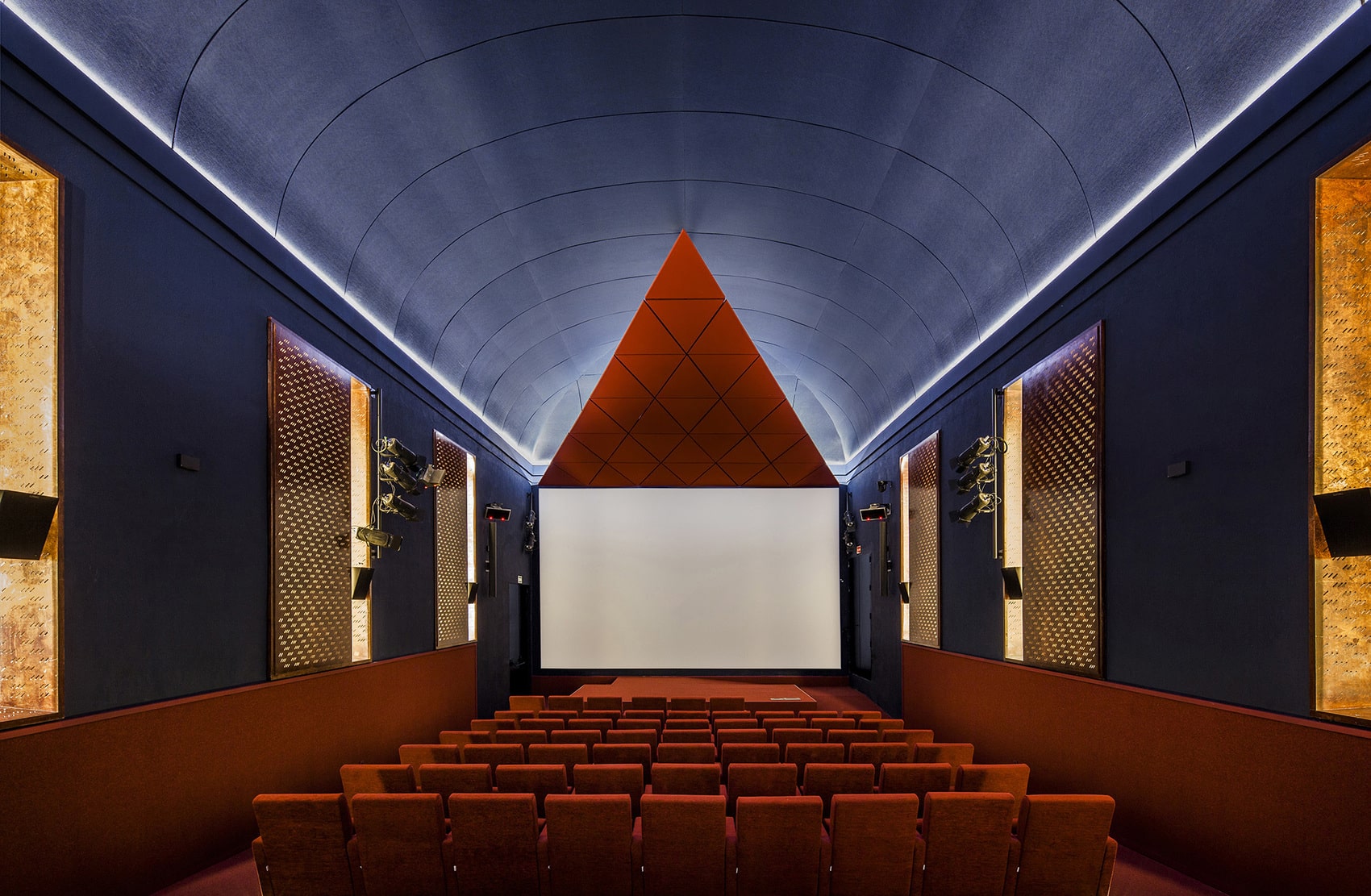
Nueva sala de formatos audiovisuales del Museo Reina Sofía. Foto Eugeni Bach.
Sabatini Cinema and Auditorium at the Reina Sofía Museum
The BACH studio, formed by Jaume Bach, Anna & Eugeni Bach, has transformed the former auditorium of the Reina Sofía National Art Museum into a new space suitable for various audiovisual formats. Improvements such as access to the stalls and acoustics are complemented by the installation of an updated image and sound system. This leading center for modern and contemporary European art, listed as a Site of Cultural Interest in the Monument category, is located in the former General Hospital of Madrid, an 18th-century building designed by José Hermosilla and Francisco Sabatini. For this reason, it has been a challenge for the architects: “First of all, it has been a challenge because it is a space with many layers of history and different interventions, and we wanted the proposal to include all these layers and add a final one that would allow for the desired adaptation in the best conditions. The result is a project that respects both Sabatini’s original building and the intervention carried out by Jaume Bach and Gabriel Mora in the 1980s, while adding to this palimpsest with its own character and a renewed image.”
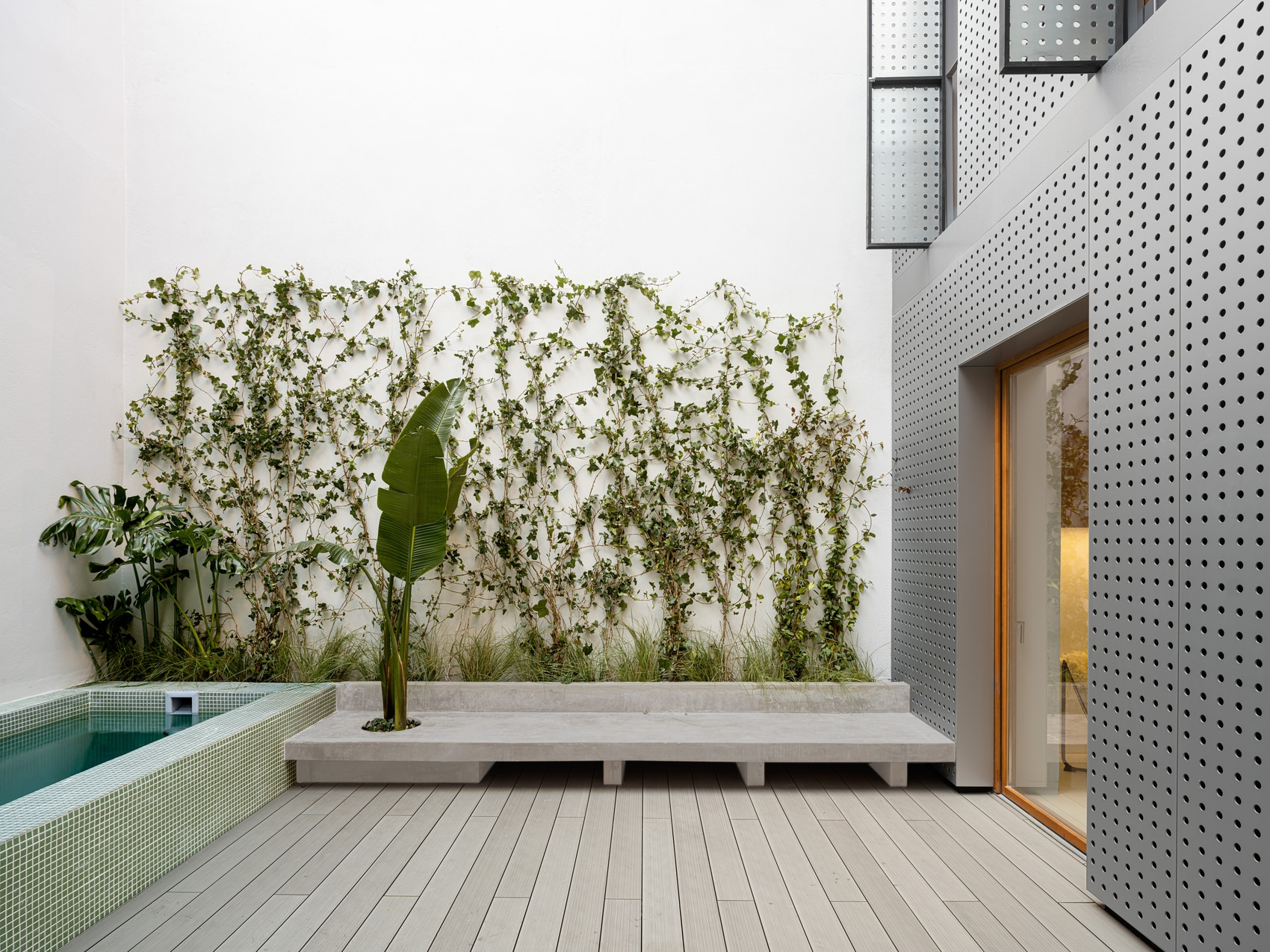
Patio de la Casa Castelar. Foto de Adrià Goula
Casa Castelar, by Solar
This renovation of a house located in Madrid’s Colonia del Madrid Moderno neighborhood was designed by Solar, a young Madrid-based architecture firm founded by Ana Herreros and Pablo Canga. The Casa Castelar project won the COAM Emergente Award ex aequo and consists of “an exercise in ideological and aesthetic reflection on how to incorporate the memory and entropy of the existing—taking advantage of thermodynamic and informational capital—into the contemporary project from a perspective far removed from dogmatic conservation,” according to the architects. Designed at the end of the 19th century on what were then the outskirts of the city, this neighborhood consisted of ninety-six homes whose typology followed the hygienist ideas of the Garden City that were flourishing in Great Britain, a movement founded by Ebenezer Howard that proposed transforming industrial cities into smaller towns surrounded by agricultural fields to improve the well-being of workers. Only 14 of these houses remain due to the pressure from real estate development since the 1970s, coupled with a detachment from buildings that are part of a town’s history, as Solar argues: “For decades, a lack of sensitivity towards the remains of the past as repositories of collective memory has contributed to the destruction of heritage. An erosion of constructed history that has given rise to a pendulum swing reaction and led to the sacralization of heritage and the crystallization of the object in time, sometimes without the rigor that such work deserves.
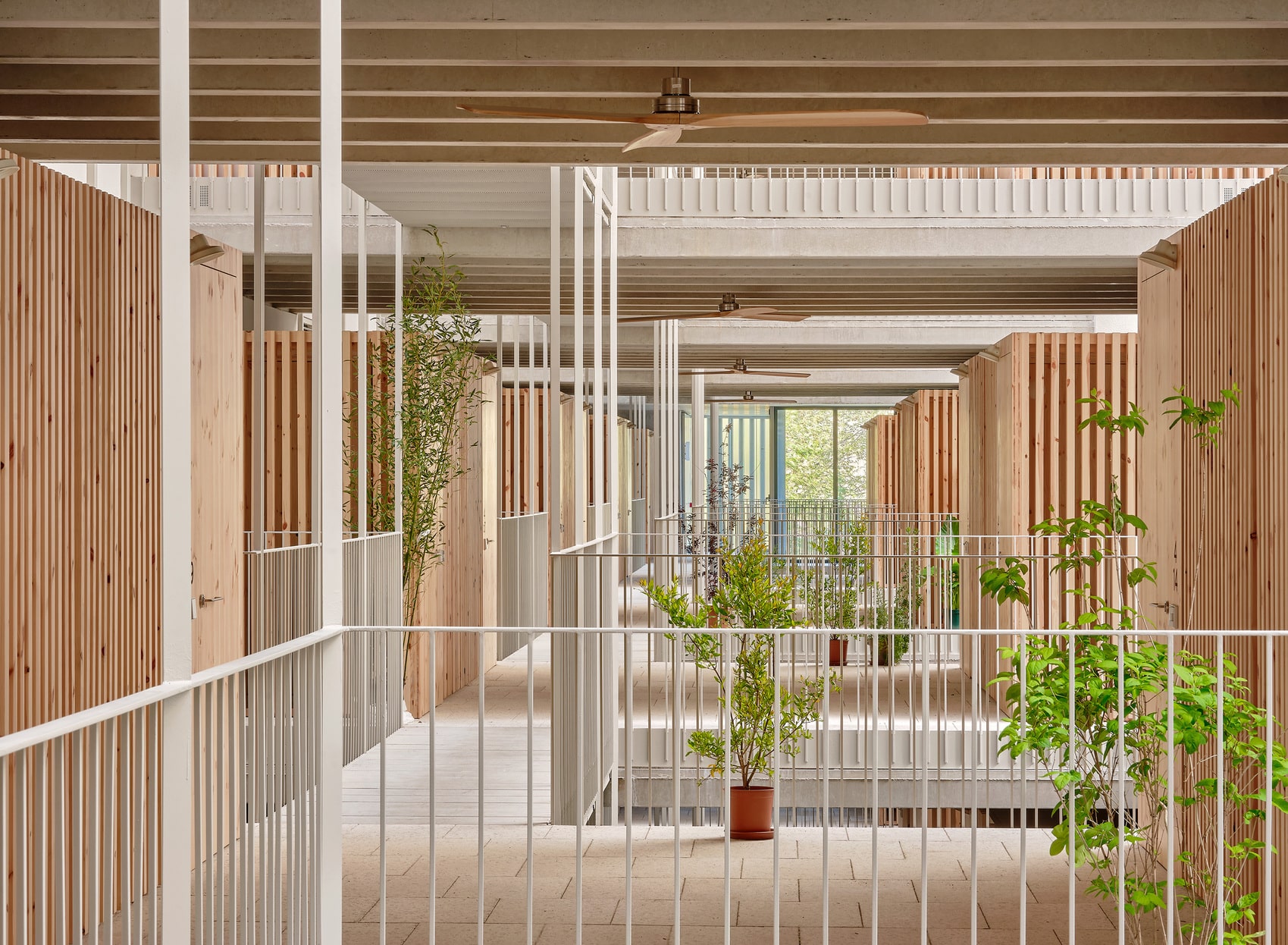
The Greenh@use de Peris + Toral. Foto: José Hevia
The Greenh@use by Peris + Toral
This social housing complex located in 22@, a business area covering nearly 200 hectares in the San Martín district of Barcelona, was designed by the Peris+Toral firm, formed by Marta Peris and José Toral, together with L3J Tècnics Associats. It is on the list of finalists for the EUMIES Awards. It integrates various programs: temporary accommodation for vulnerable groups, social rental housing, and housing for the elderly. It stands out for incorporating a system of courtyards and a large bioclimatic atrium that regulates thermal comfort, while also being considered a “social condenser” that fosters social relations and community life. In this regard, it has gyms, meeting rooms, laundries, and urban gardens. Built with precast concrete, which has reduced CO2 emissions, accelerated construction, and made it more sustainable and efficient.
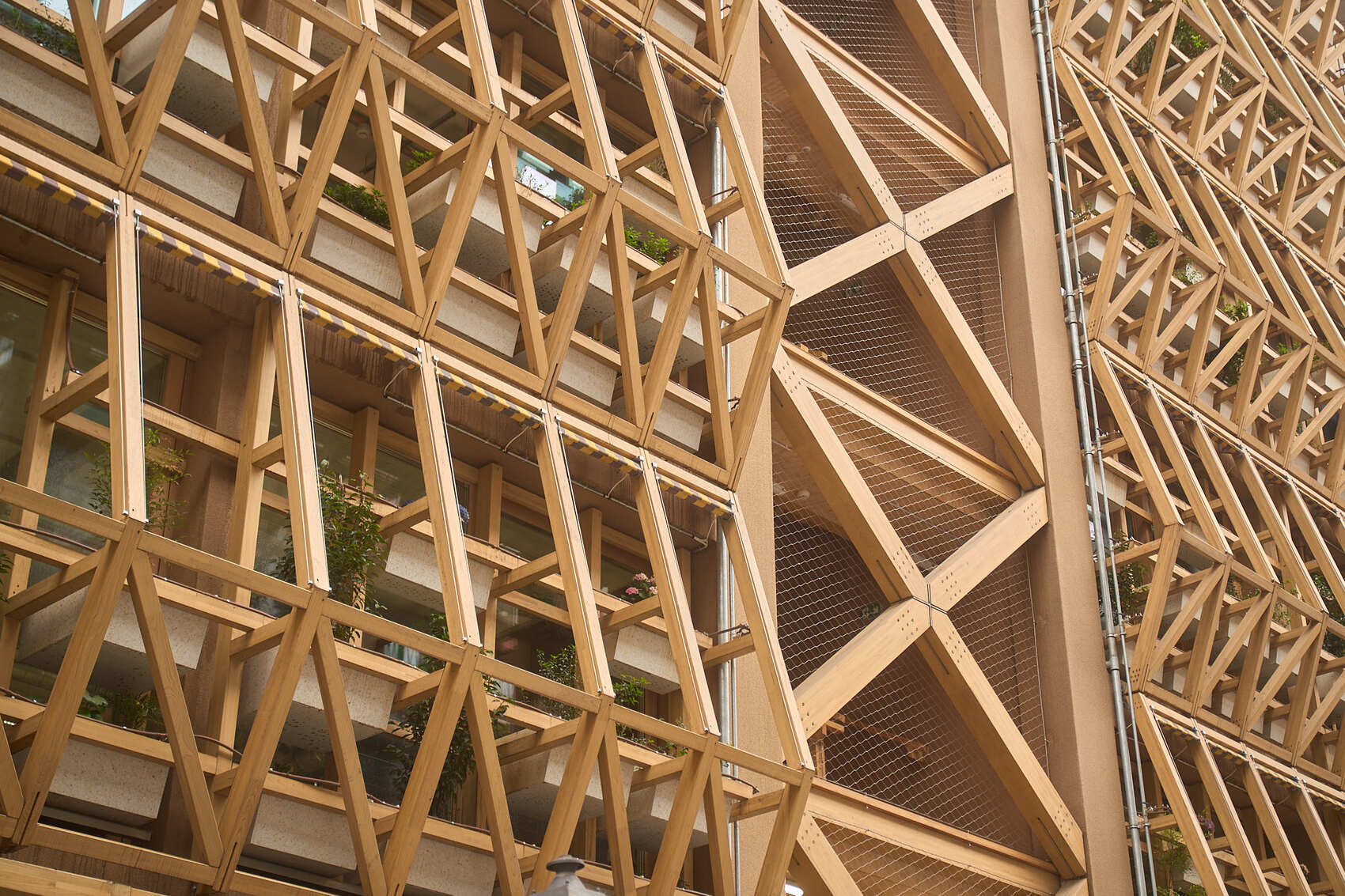
Fachada de la calle Juana Doña en el barrio de Delicias. Créditos Infinito Delicias
Infinito Delicias
This project is defined as a citizen experimentation laboratory that has been created to raise questions about how we live, create, and coexist in the city. It is promoted by the Daniel and Nina Carasso Foundation and consists of a 2,700 m2 building that will focus on sustainable food, social innovation, and community life. It is inspired by the idea of the “third space,” which complements the places dedicated to home and work. This urban laboratory in the Delicias neighborhood includes: experimental kitchens and gastronomic laboratories; a collaborative coworking space; cultural and participatory spaces; and a public courtyard with the UNMAR restaurant. Designed by the Husos Arquitecturas, Elii [architecture firm], and Ultrazul studios, it has been conceived based on principles of sustainability and circularity and has already received the Holcim Awards 2023 as the most sustainable project in Europe. Of particular note is the collaboration of designer Lucas Muñoz, who created some of the furniture and lighting, such as chairs and tables made from recycled products such as discarded wood and covered with cork. He also designed a hydroponic garden that rises above the entrance area. The original structure of the old industrial building has been preserved in the process.
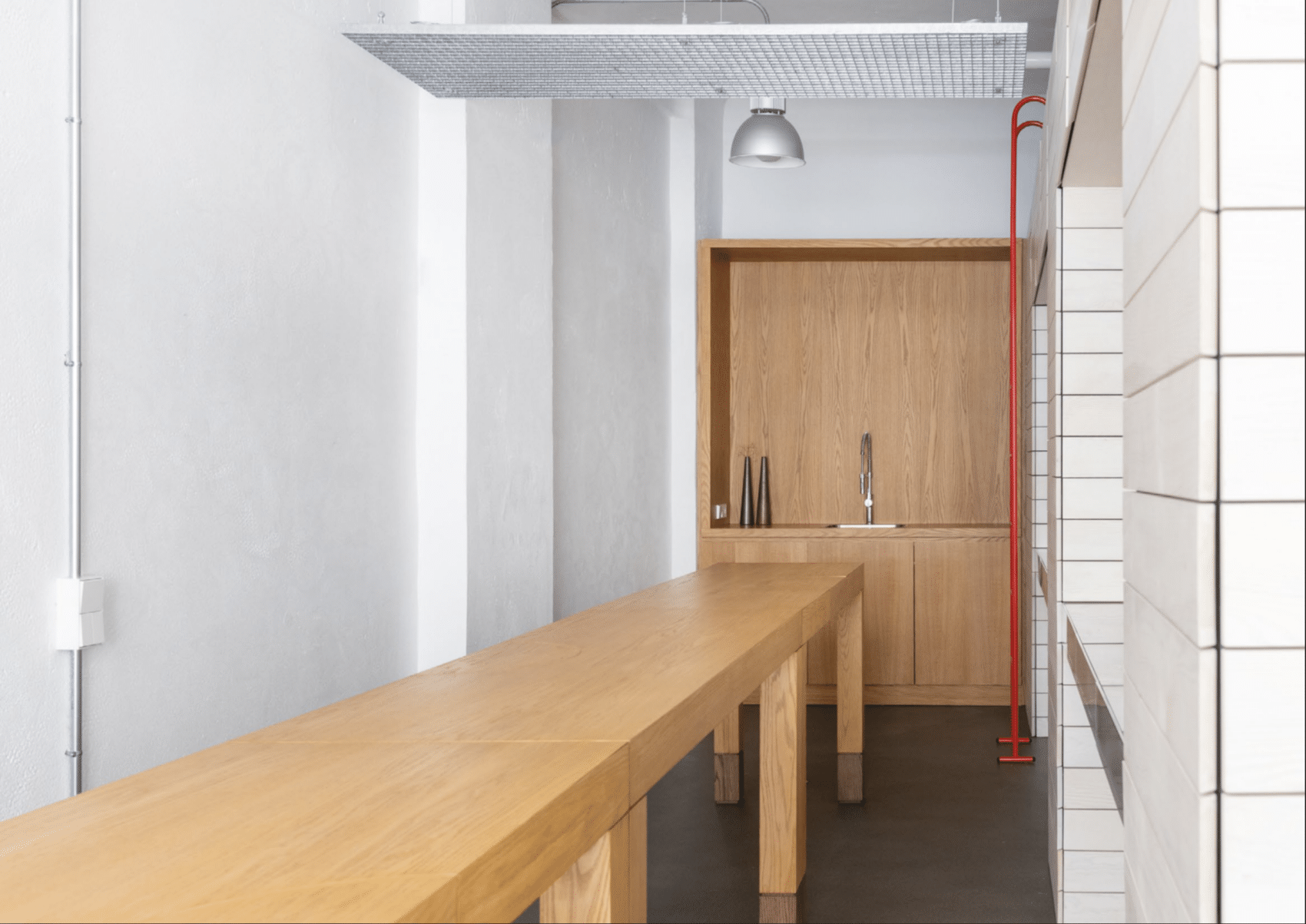
Imágenes de la foto-artista emergente Laura San Segundo
Espacio D
This is the latest project by Pachón Paredes, a studio formed by Luis Pachón, Luis G. Pachón, and Inés García de Paredes, which has created a multipurpose space in a minimal area. It consists of the Madrid-based artisan jewelry store Deassin, “which is conceived as an extension of the public space in the Prosperidad neighborhood, just another street. It is that cut-off street, that pedestrian alley where any experience can take place,” they say. This atypical jewelry store has been designed with the idea of flexibility that the architects advocate and call NON BINARY SPACES. It won them the Rehabilitation Award at the 2024 CSCAE Architecture Awards for its concept of “non-binary space” that encourages flexibility and undefined uses. The collaboration of Francisco Jordán, from Fun Furniture For Friends, stands out, and everything is designed to be transformed. One example is the high table, which has extensions on the legs that, when pulled out, serve as a support for displaying jewelry pieces.
Written by: Beatriz Fabián
Beatriz is a journalist specializing in offline and online editorial content on design, architecture, interior design, art, gastronomy, and lifestyle.