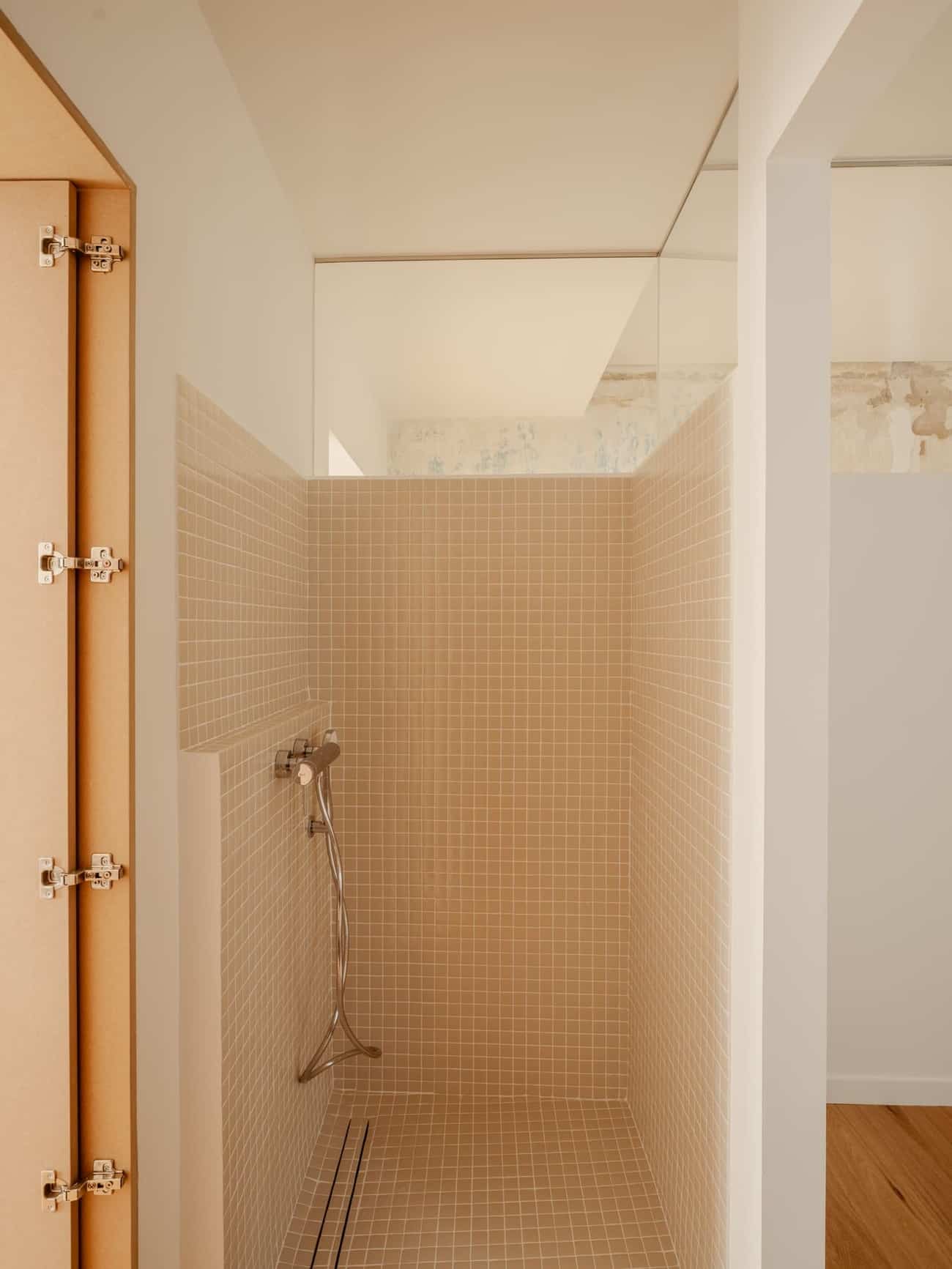
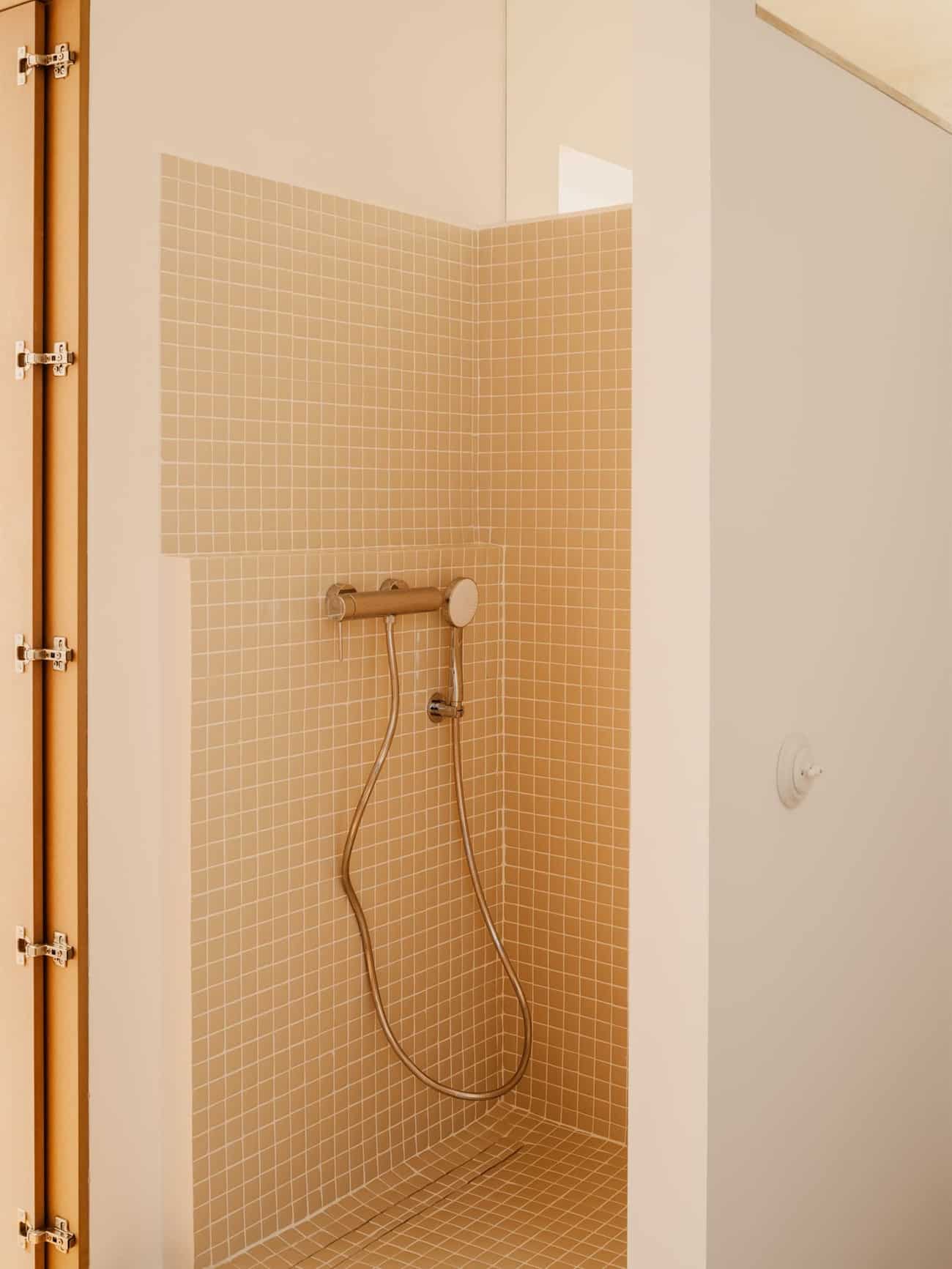
The Sibarist Editions: architecture, art, and design in limited edition
The Sibarist Editions is a new line of houses and spaces. Limited editions of habitable architecture. A project that proposes understanding space as a unique cultural object, where architecture, art, design, and well-being engage in dialogue from the outset.
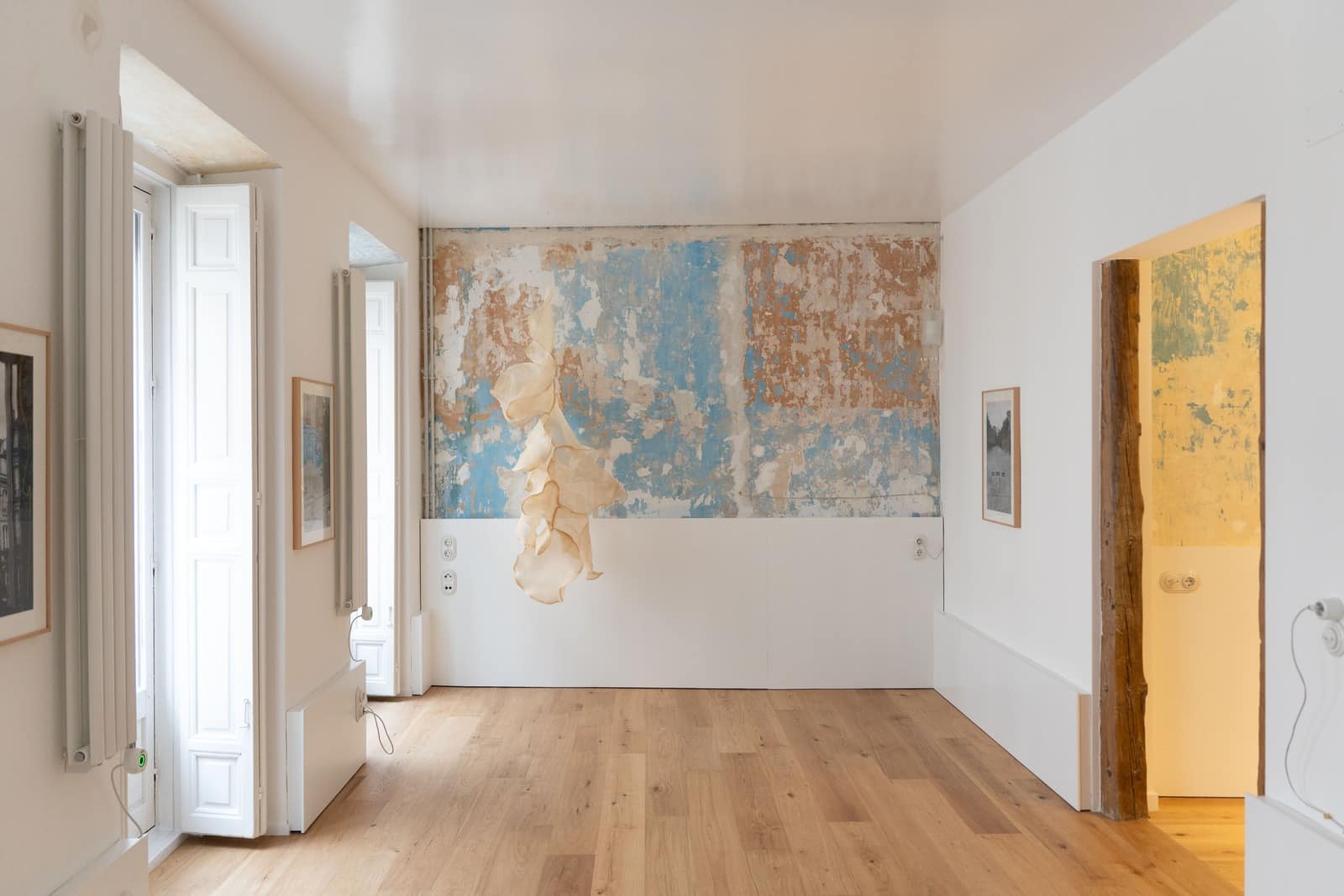
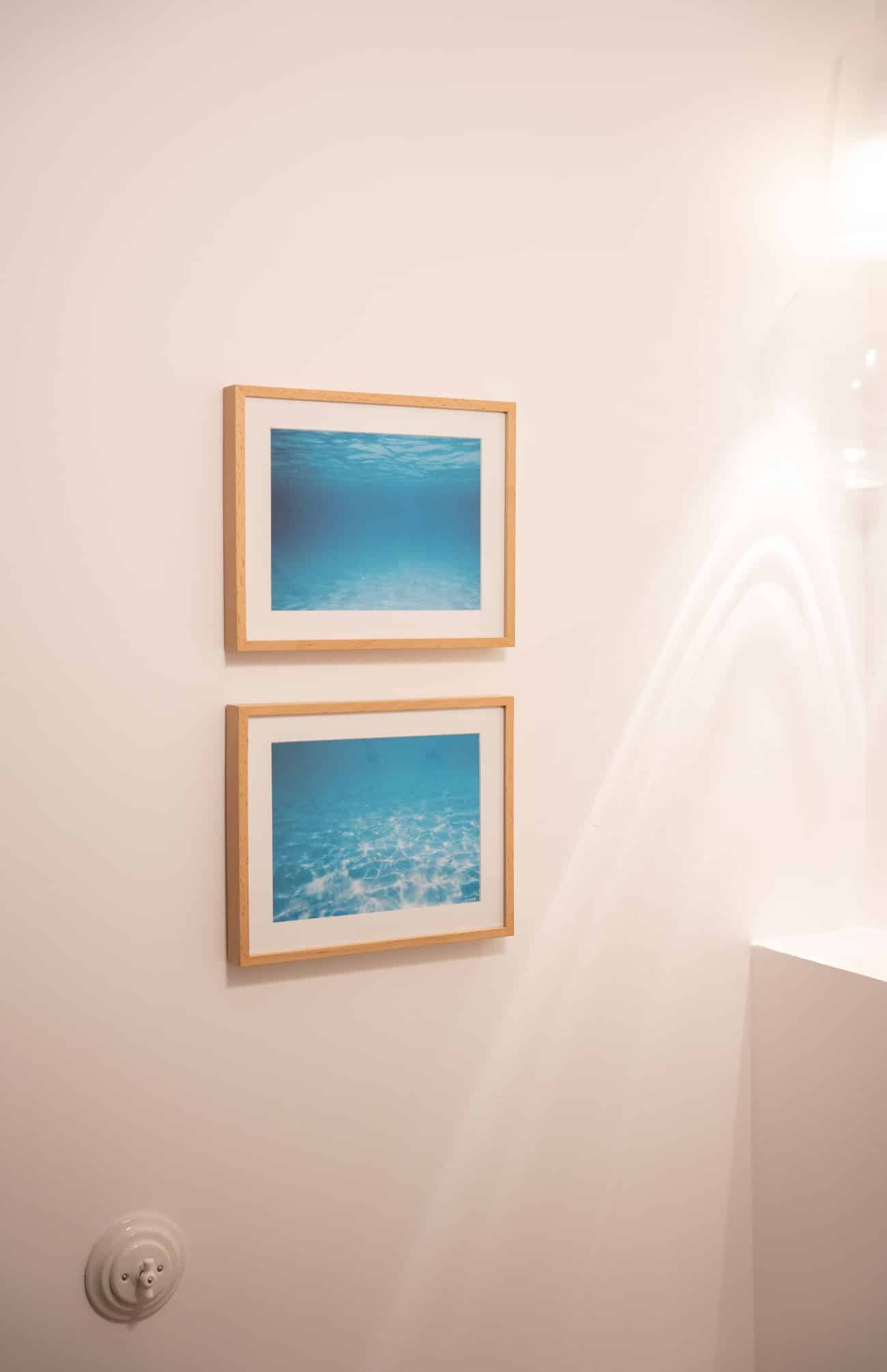
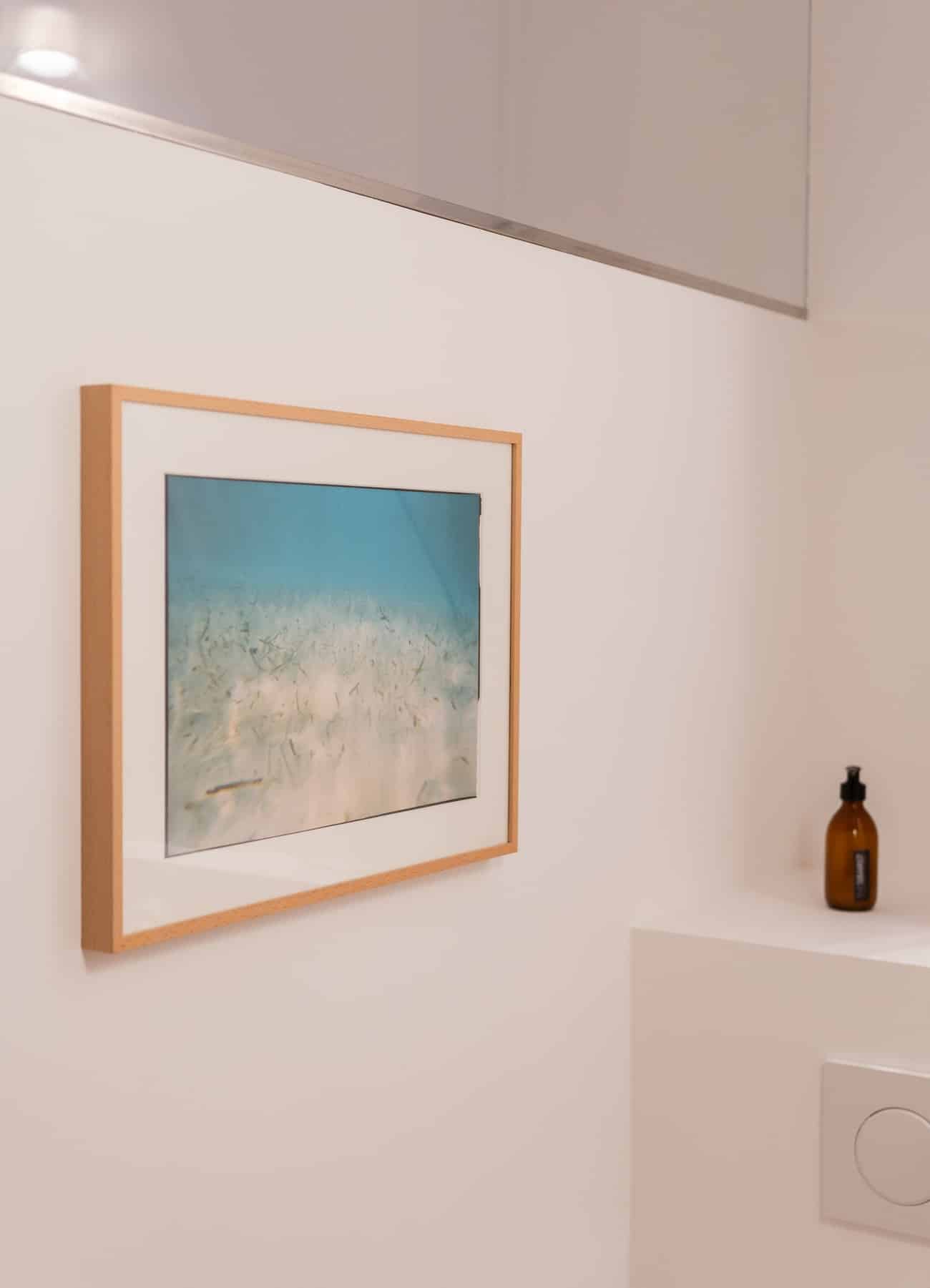
Each house is a numbered edition, conceived in collaboration with an architecture studio and in conversation with artists, craftsmen, and designers. Spaces where design and art are organically integrated, with works by emerging artists, curated by our ART U READY platform, in resonance with the identity of each place.
This article is a first look at the project, presented through a conversation with Silvia Hengstenberg, founding partner of The Sibarist, in collaboration with Mayice, the architecture studio responsible. A proposal already launched on the real estate market for sale, which integrates works of art as an inseparable part of the experience.
Architecture designed to last
At The Sibarist Editions, they work with what they call invisible materials: time, proportion, silence, light, memory, and judgment. Houses that do not seek immediate impact, but permanence.
Architecture designed to improve with age, where materials acquire patina and the imprint of time becomes part of their value. Proportion, understood as balance between parts, organizes space and makes it habitable in the long term. Light sets the rhythm of the day and silence gives way to rest, contemplation, and thought.
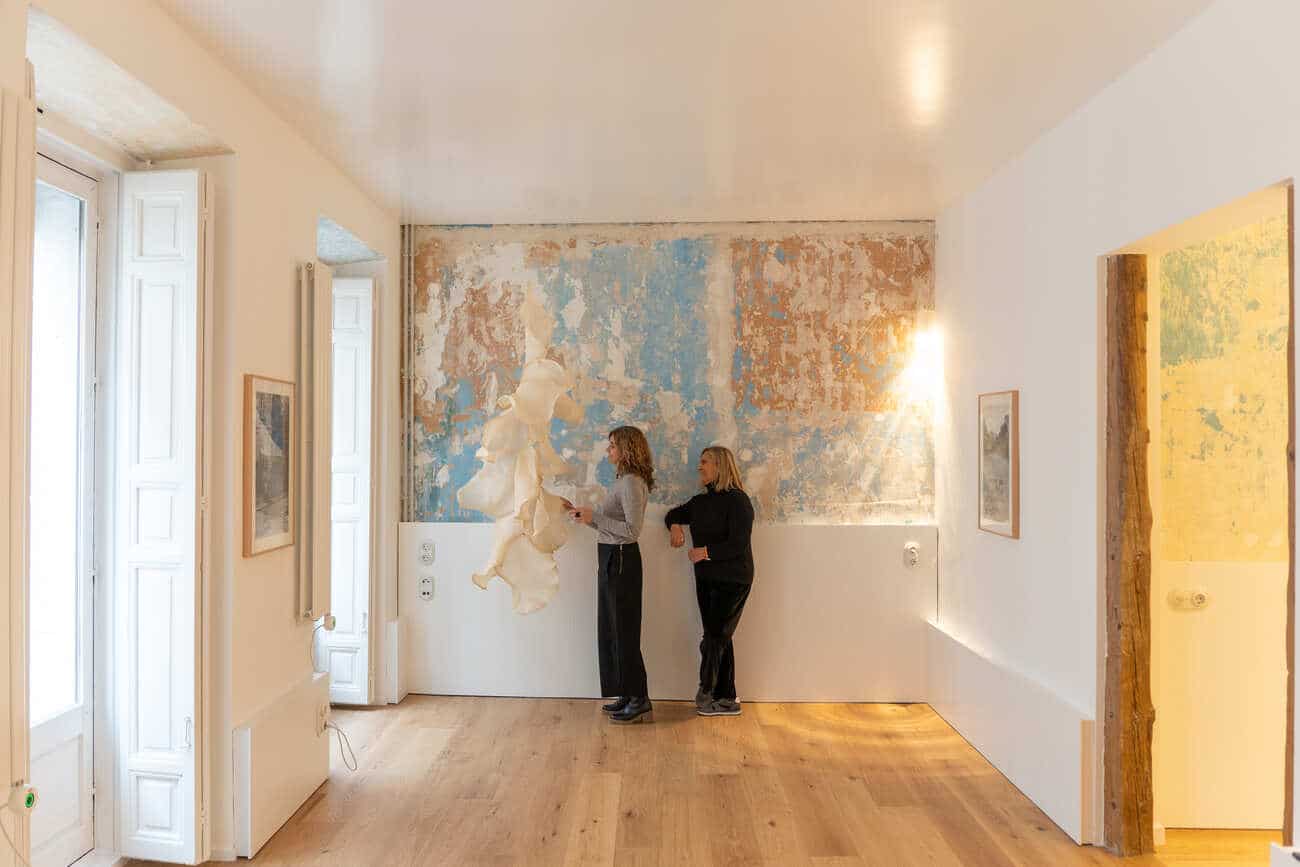
Memory is approached with respect for what already exists: the history of the place, its traces, its atmosphere, and its identity. Each project begins with careful listening to the space and its context in order to reinterpret them from a contemporary perspective without erasing their essence. Criteria, meanwhile, is understood as a form of care and responsibility: deciding what to preserve, what to transform, and what to incorporate, avoiding the superfluous and unnecessary.
Each edition is the result of an intellectual and sensitive process, in which the house is conceived as a place that invites one to think, create, rest, and live with greater presence. A contemporary space that evolves with those who inhabit it.
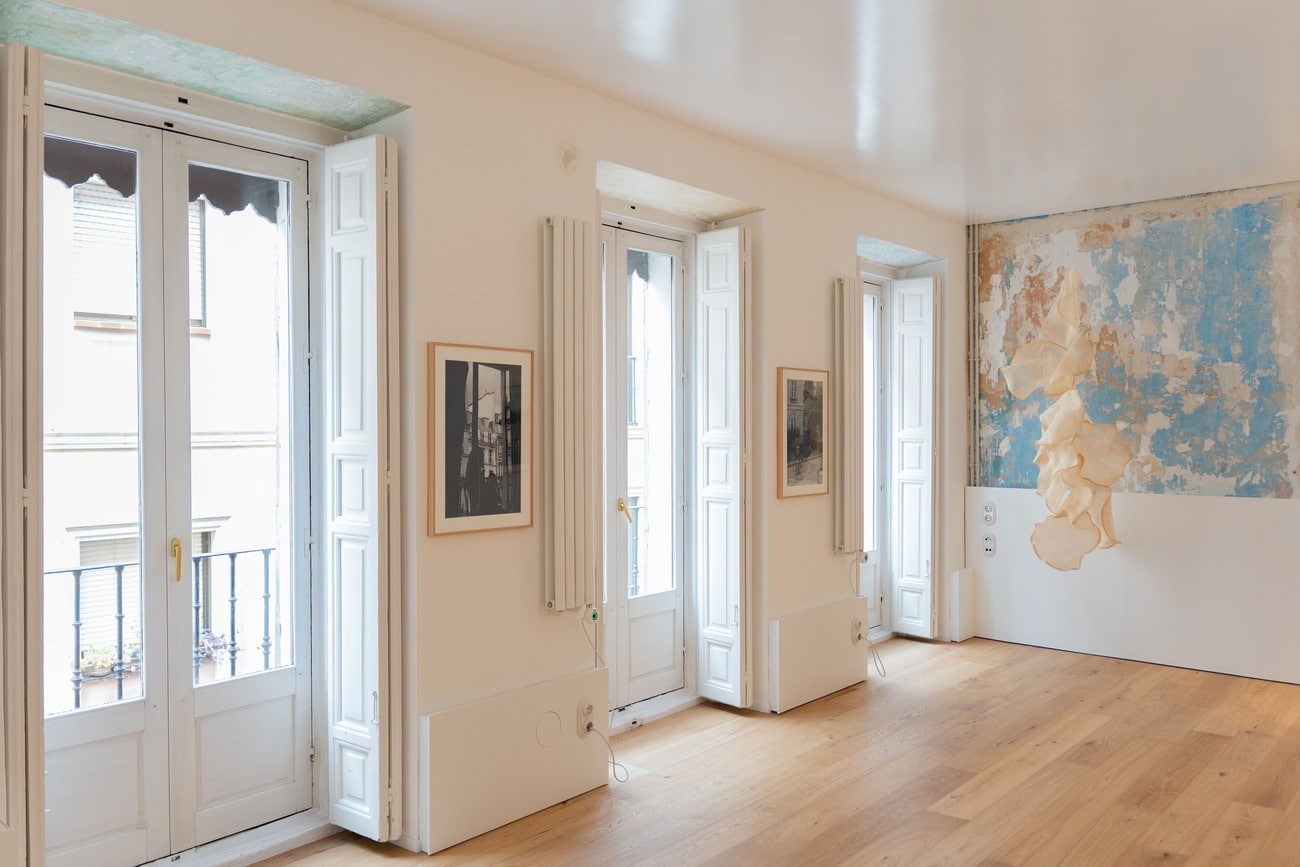
Art as part of the project
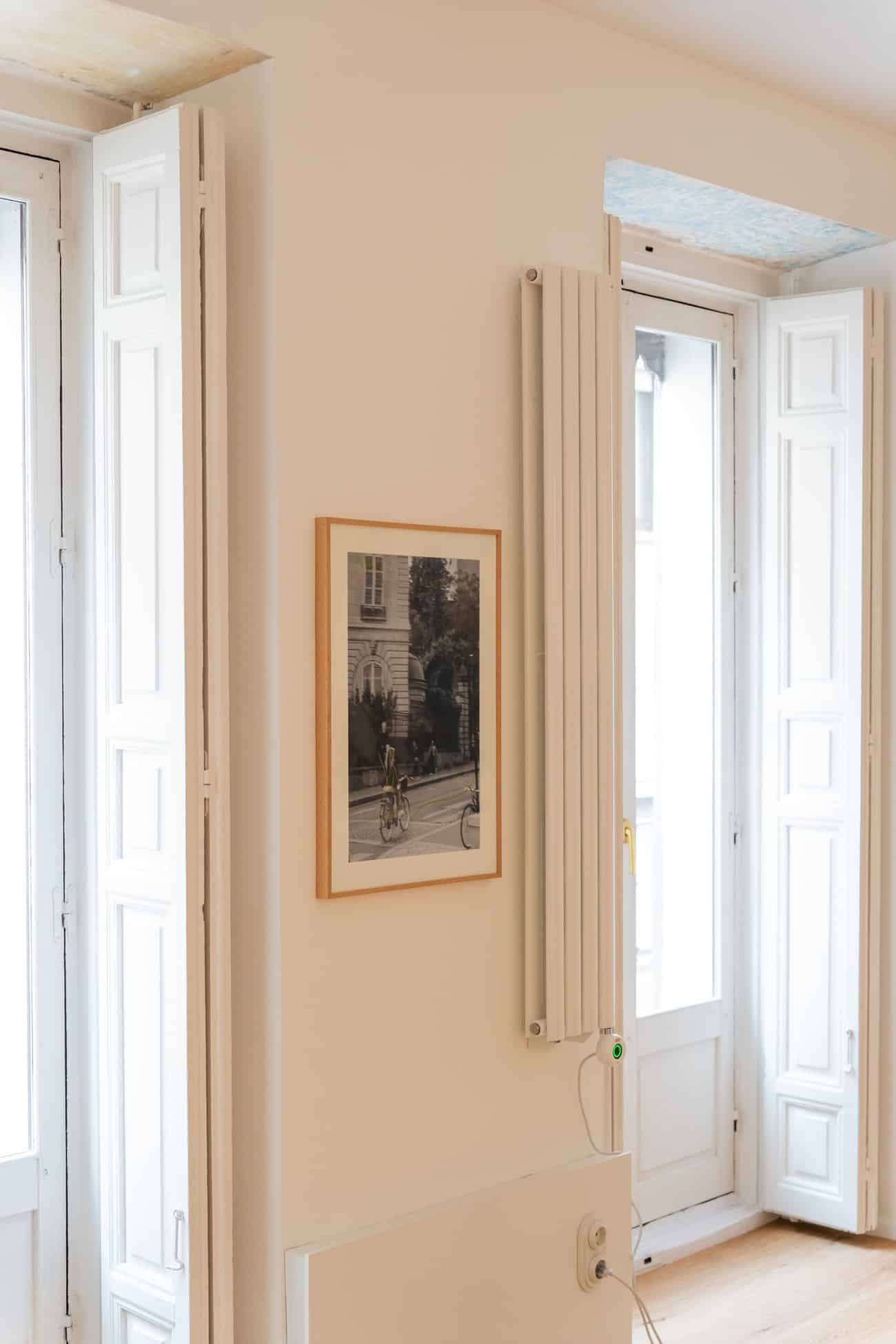
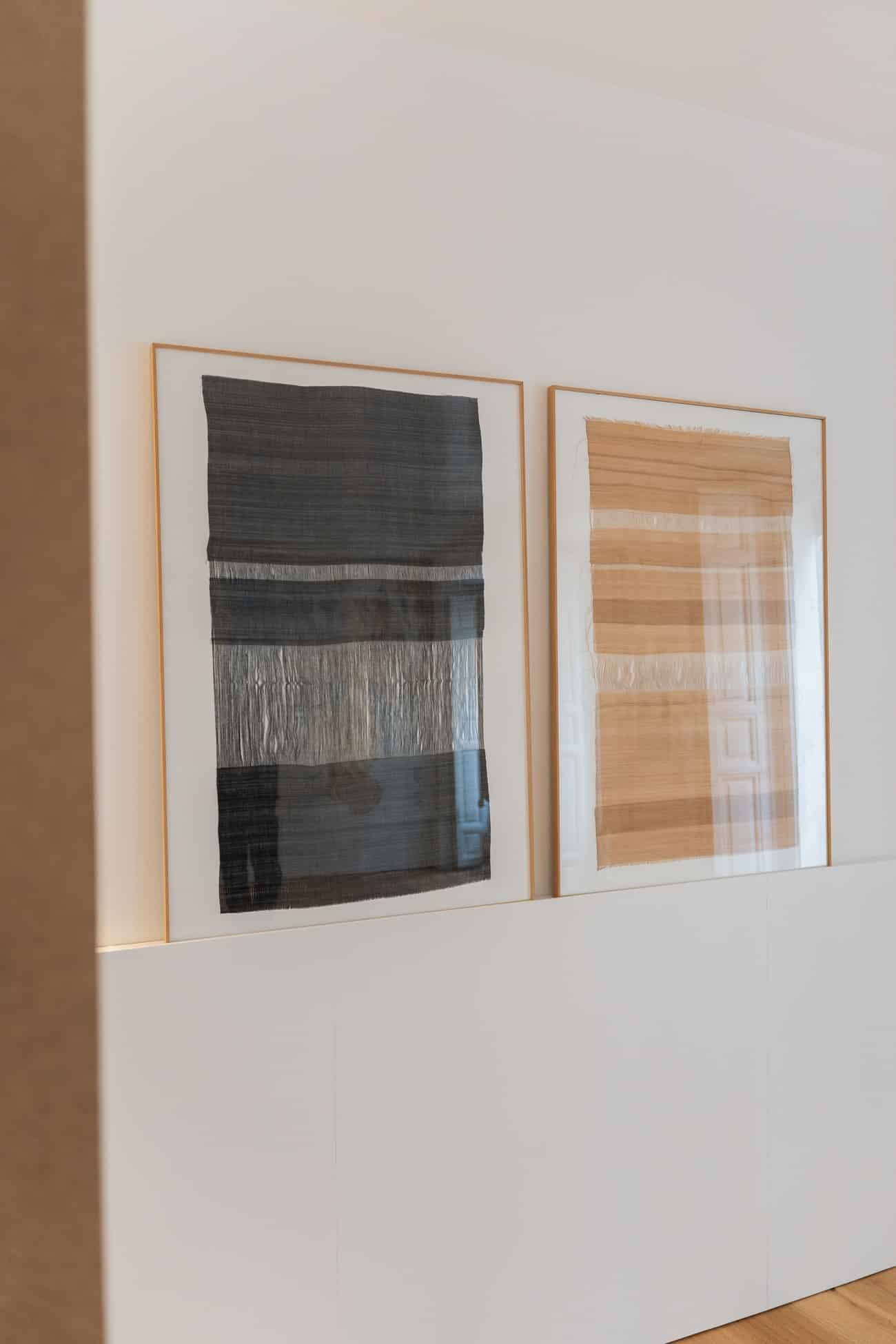
The Sibarist Editions includes a collection of emerging art in each home, designed both for buyers who are new to collecting and for established collectors who will be adding new talent to their collections with this acquisition. A set of works selected in dialogue with the project that elevate the space, also conceived as an artistic portfolio with long-term projection and value.
The artists have been selected by ART U READY, the art platform and patronage project promoted by The Sibarist for more than a decade. An ecosystem dedicated to identifying, accompanying, and giving visibility to creators aligned with values that contribute to social and cultural improvement. Since its inception, ART U READY has held more than 31 exhibitions, promoting artists in their early stages who now participate in fairs such as ARCO, biennials, and international residencies, and whose work forms part of prestigious foundations and private collections.
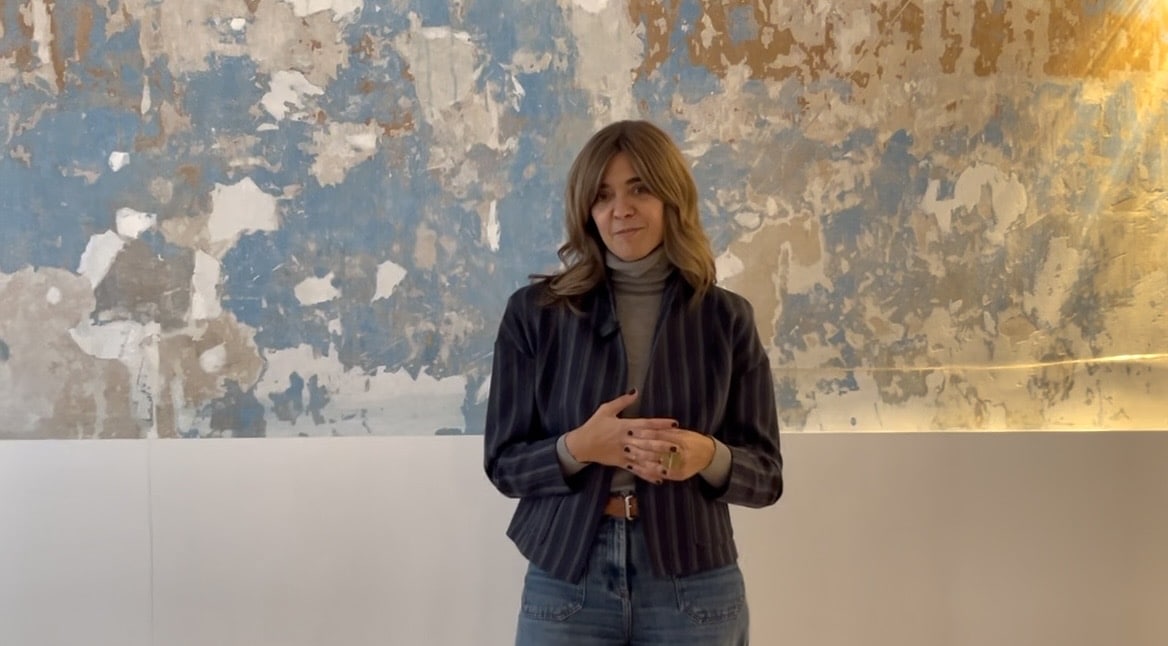
What drives you to create your own products rather than just curating spaces?
SH: From the very beginning, we always wanted to create the homes we would like to sell. The Sibarist Editions is the realization of that ambition. Thanks to our in-depth knowledge of the market and a direct and ongoing relationship with end buyers, we know how to identify opportunities that customers are looking for but don’t always find.
In our proposal, we obviously take into account commercial factors that the market requires, but we really wanted to be able to develop spaces with total creative freedom, without conforming to anything other than what the space itself and our criteria demand.
We also enjoyed being part of the entire process, from the idea, design, marketing, communication, commercialization… and even creating our own way of adding value, such as creating an art collection for each space. Homes bearing our brand name. We were born with the vocation of being a brand for unique properties. It is a dream that we have now made come true.
In a house in the historic center, for example, we love to enhance the original features but also mix them with contemporary elements. We seek out the essence, enhance it, and are bold in every proposal. We are great lovers of the architecture of our time and the authenticity of each process.
The Sibarist Editions was born as our own investment project in which we also curate each edition, actively participating in its conception and development to create each house, taking care of every decision: from the choice of location and creative team to the final definition of the space.
Does The Sibarist Editions intend to continue?
S.H: Yes, it is an investment project that was created with a clear intention to continue, analyzing opportunities both in Madrid and in northern Spain, as well as country houses less than two hours from Madrid.
This is the first urban edition intended for sale, and we have developed another in the countryside, 100% sustainable, which we will present shortly, less than two hours from Madrid, which will be added to our section of houses for travelers. A dream location designed for living in nature, which will be revealed very soon.
These first two editions are our own investments. However, some clients to whom we have told about both projects have already expressed their interest in investing alongside The Sibarist, attracted by our vision, experience, ability to read the market, and creation of long-term value.
Tell us about your first urban edition. Where is it located and which studio did you work with on the project?
S.H: This first urban edition we are presenting is located in the bohemian neighborhood of Conde Duque, a neighborhood where memory and contemporary life coexist naturally. That’s why we wanted to maintain the creative spirit of the environment in this house, which is a “charming village within the Malasaña neighborhood.”
To do this, we collaborated with the Mayice architecture studio. We love their philosophy and them as people. In addition to their work as architects, we are particularly interested in Mayice’s role as product designers and their understanding of light as an essential part of space. Their work in lighting, developed through prototypes and collaborations with traditional crafts—such as the glassblowers at the Royal Glass Factory in La Granja—connects contemporary design and artisanal know-how, achieving a unique result with a special elegance.
In this edition, all the lighting in the house has been designed by them, integrating their pieces into the architecture of the project itself. We feel particularly aligned with their search for truth in the process, far removed from artifice and with a sobriety and simplicity that reinforce the direct relationship with the essence of the space.
It has been a wonderful process, totally in line with our philosophy, in which we highlight their sensitivity and great professionalism.

The house will include works of art and design pieces. Would you say it goes beyond the decorative?
S.H: Absolutely. At The Sibarist Editions, art and design are not incorporated as a final gesture, but as an active dialogue with the space. The design pieces in the form of lighting fixtures have been created and chosen by Mayice. The selected works of art will be integrated organically, resonating with the identity of the place. In January, we will reveal the final result when we put the house on the market.
We are used to seeing fully furnished turnkey homes for sale. How will this first The Sibarist Editions be presented to the market? How do you think the market will receive it?
S.H: This house is not intended to be a closed or fully furnished product, but rather an open framework: a space that will accompany, grow, and transform with its inhabitants, where art and design will activate the everyday experience without imposing a single narrative.
We are used to seeing turnkey homes for sale, and here the idea is precisely the opposite. Homes that are not sold furnished but with design contributions and a collection of contemporary art that elevate the space. Unique pieces chosen for their value and dialogue with the architecture itself, rather than as merely decorative elements. We wanted to give more importance to these attributes to finish creating a story of its own that the buyer will complete, incorporating their taste, starting from an atmosphere with personality.
The result is a house that requires very few pieces of furniture and, despite already looking like a very distinctive house, the space perfectly accepts different styles as everything dialogues well. Each piece is part of the soul of the house.
As with everything, there will be people who love the idea that we have curated the art and design, and others who don’t. This house is not for everyone. It has to be for someone who is passionate about all this and who wants to complete the “puzzle” with the pieces they love. It is also about leaving space for the client to create. The house is not a blank space. It invites imagination.
This first urban edition is like a manifesto. We love the result and we will see how the market receives it.
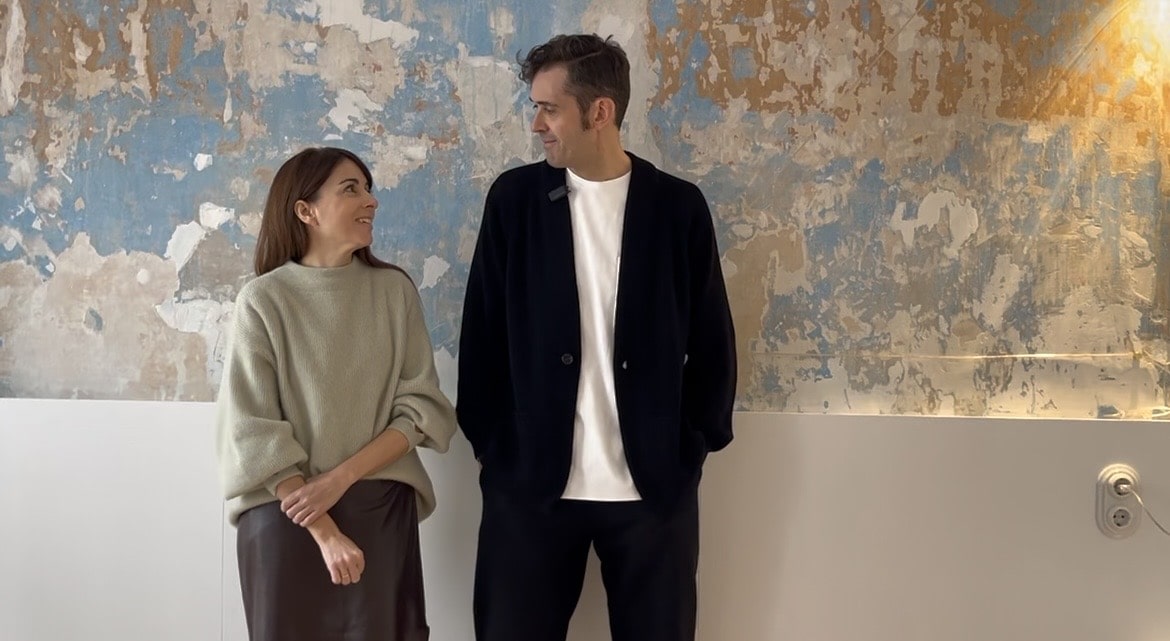
The project · Interview with Mayice
What was the initial inspiration for the project, and what did the Conde Duque location suggest to you when defining the main design lines?
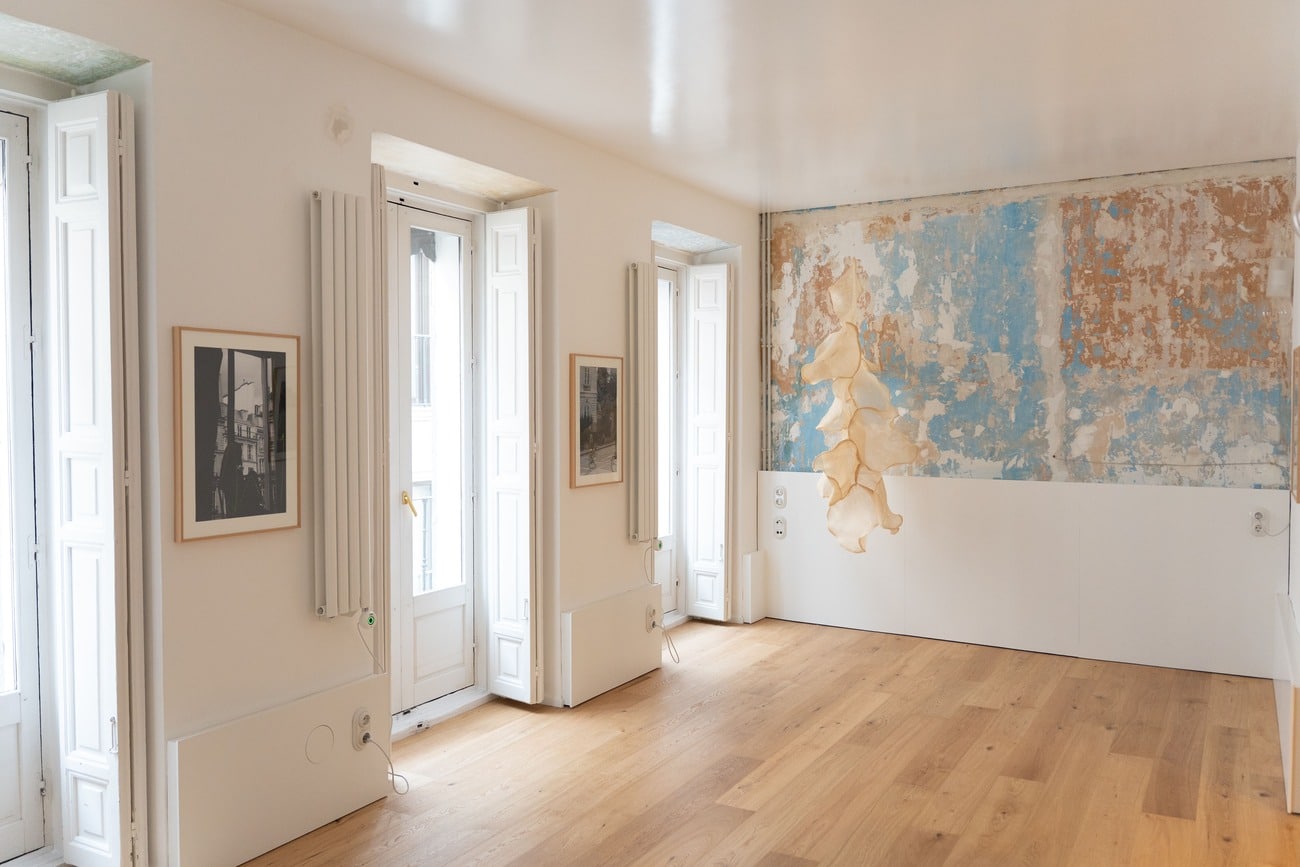
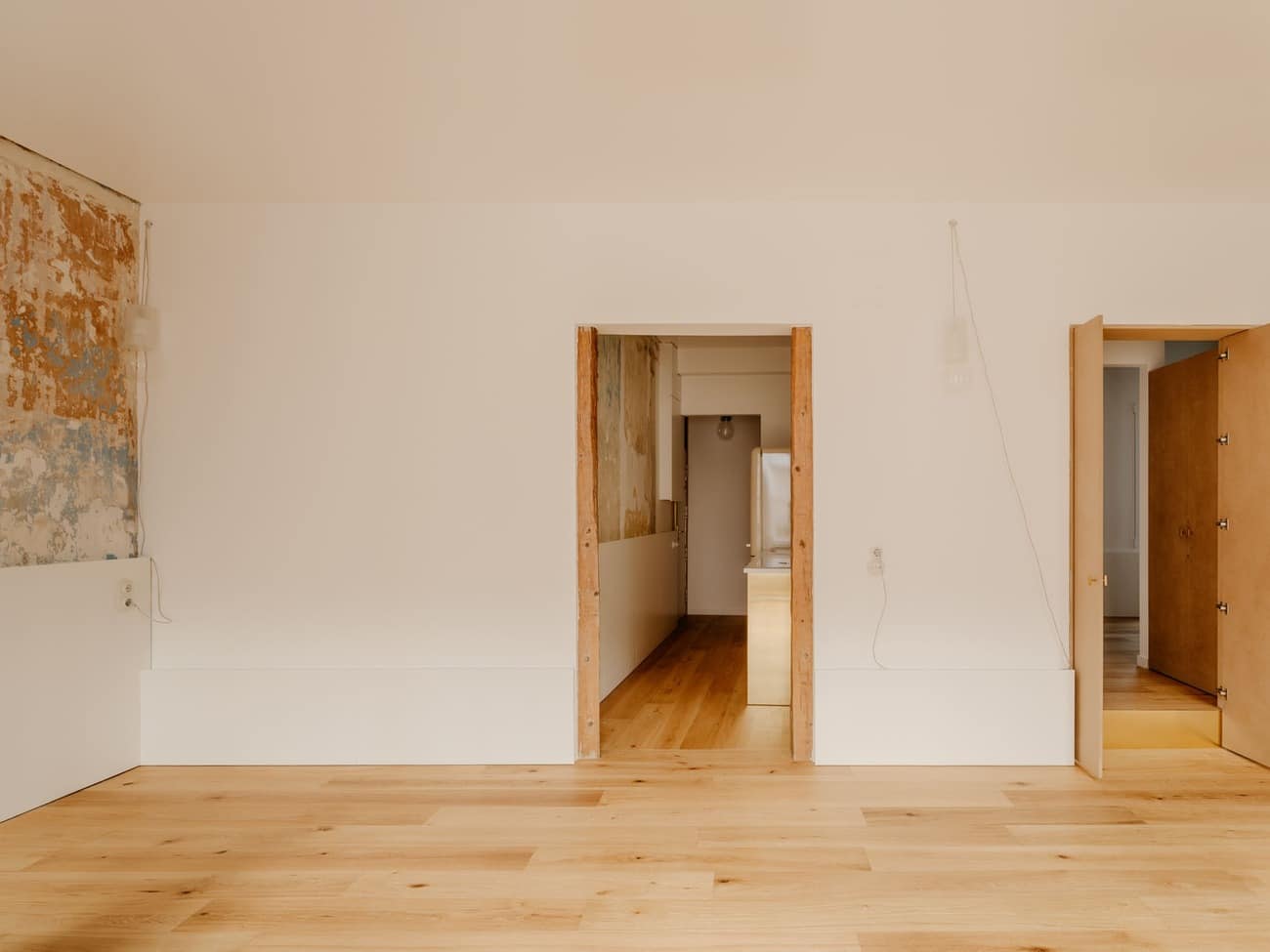
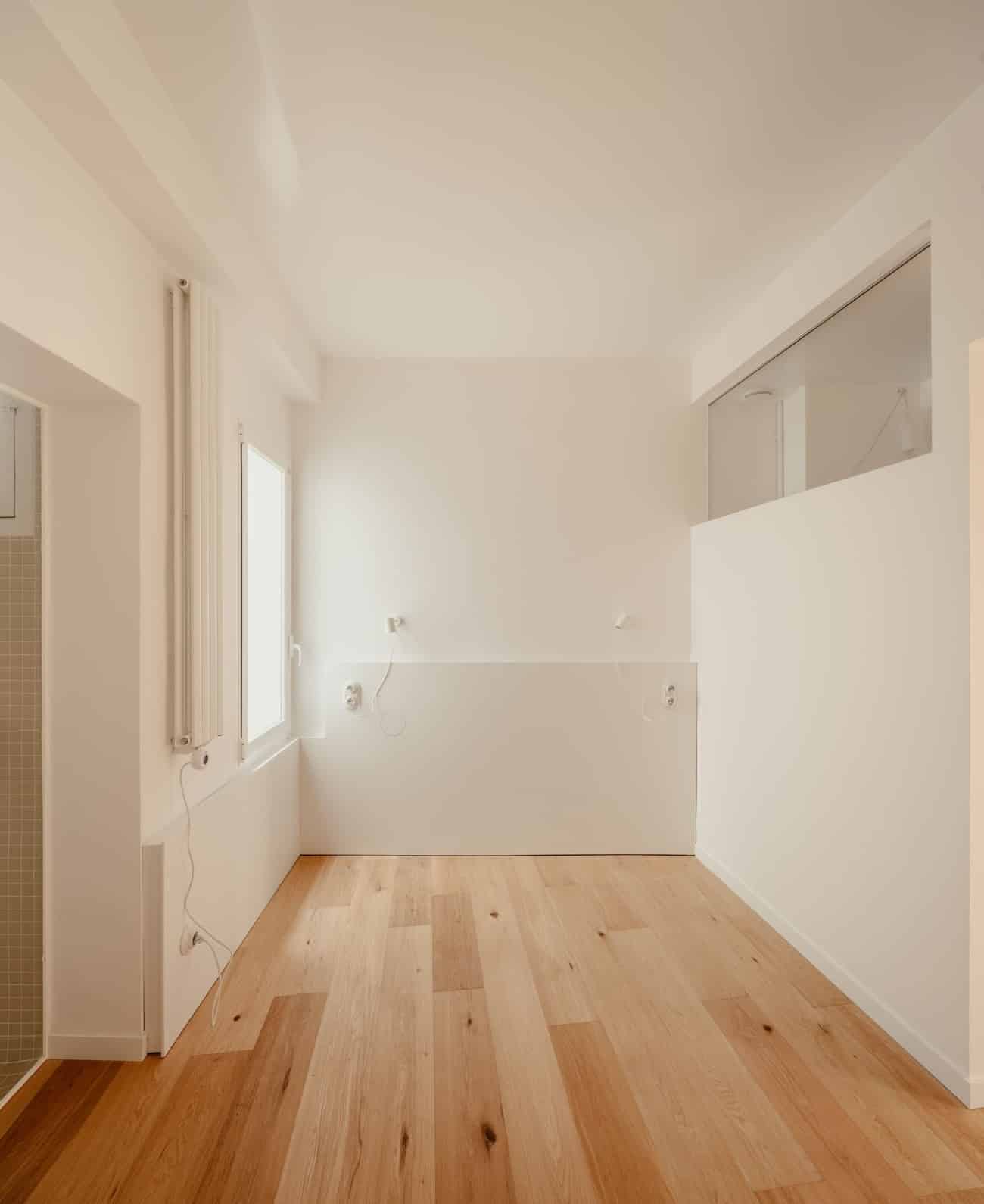
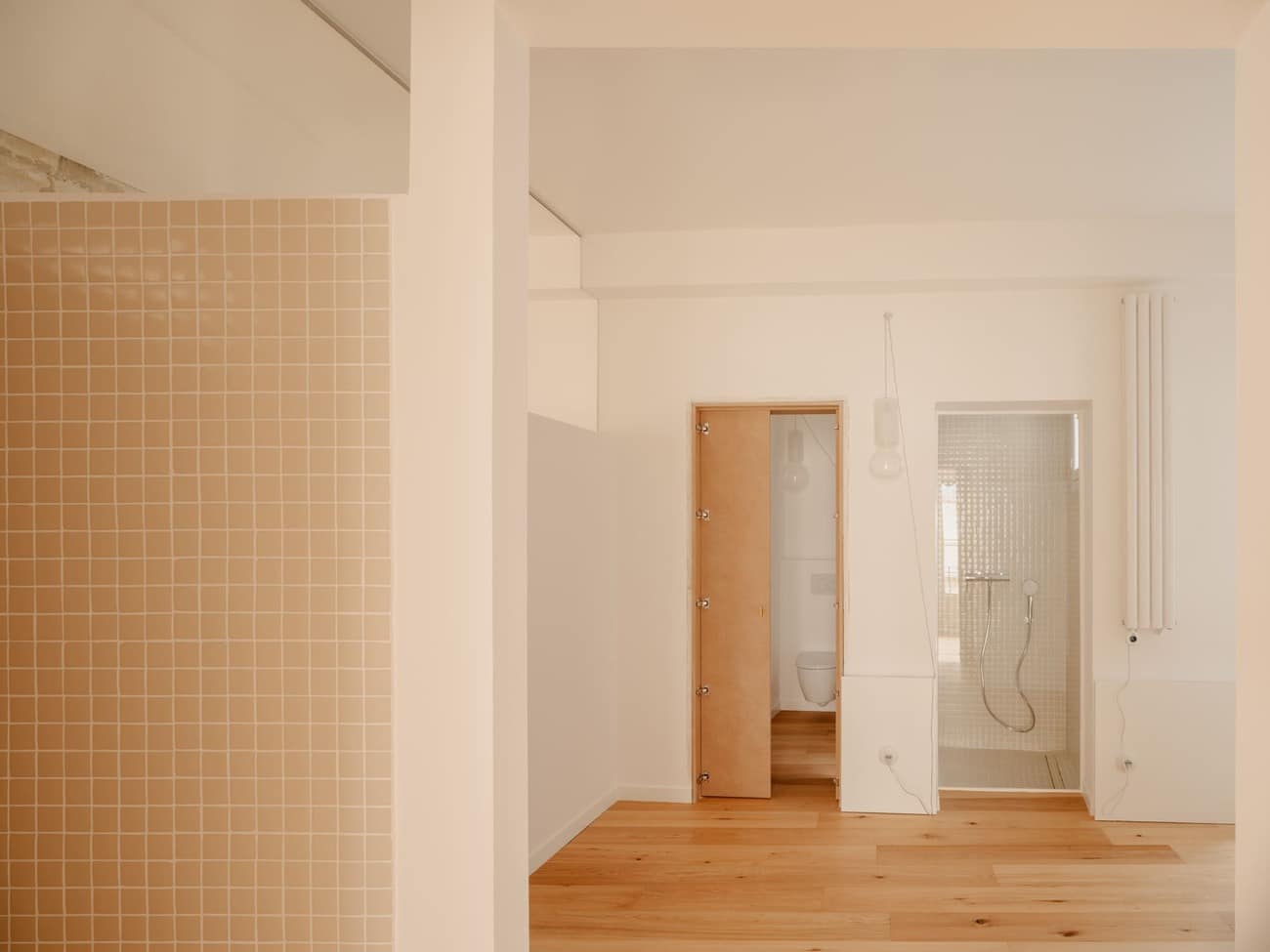
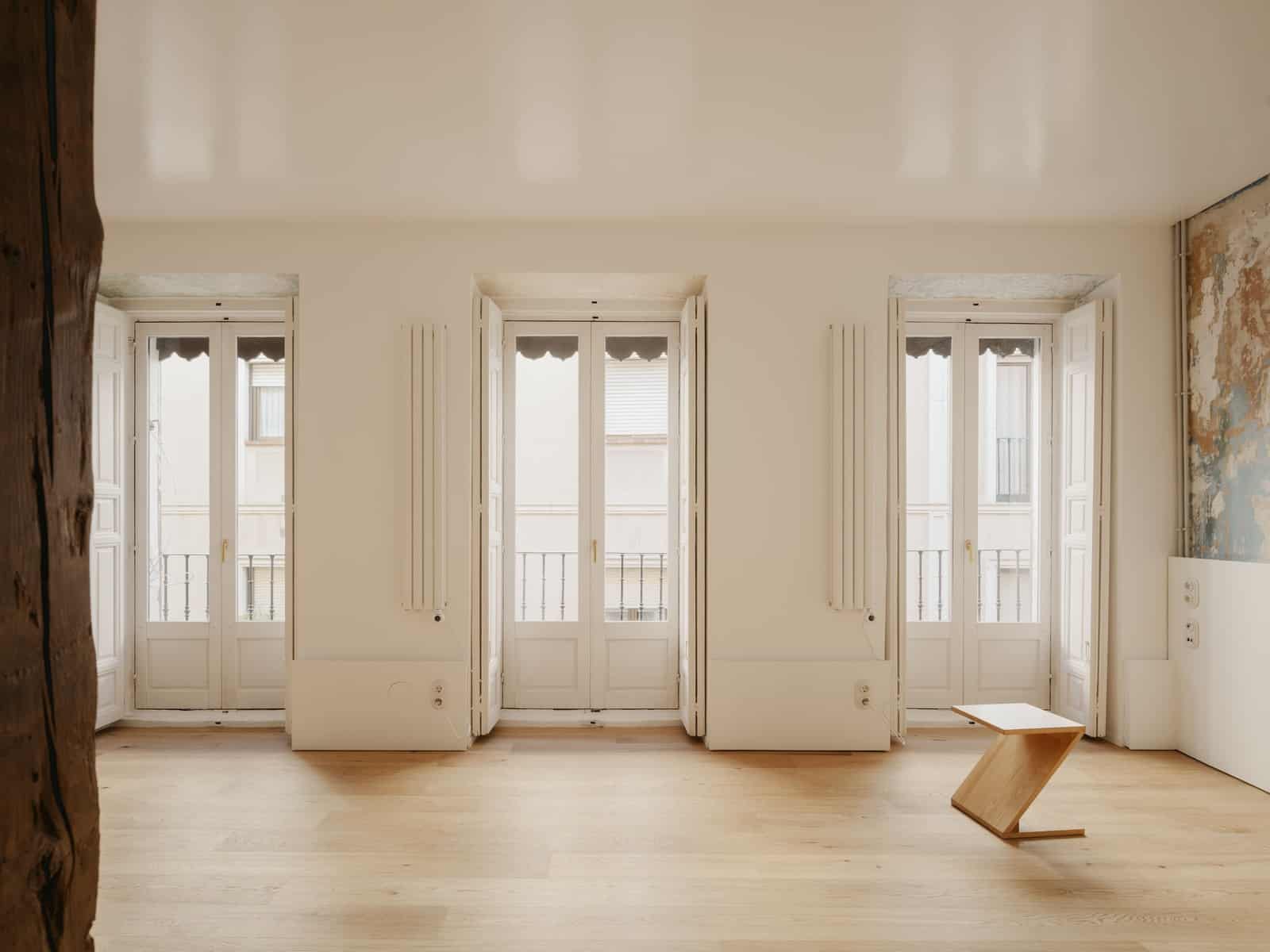
All the design decisions for this space are based on a circular layout, with open-plan rooms that make the most of natural light. At night, indirect lighting accompanies the space, helping to create a relaxing atmosphere. The materials used are all high-quality, designed to take on a natural and authentic character over time.
From the initial idea to the final result, how has the project evolved?
We always work with abstract concepts to provide aesthetic, functional, and material solutions. In this project, the driving forces have been the program, the search for and use of light, cross ventilation, and the circular layout throughout the home, in compliance with current regulations.
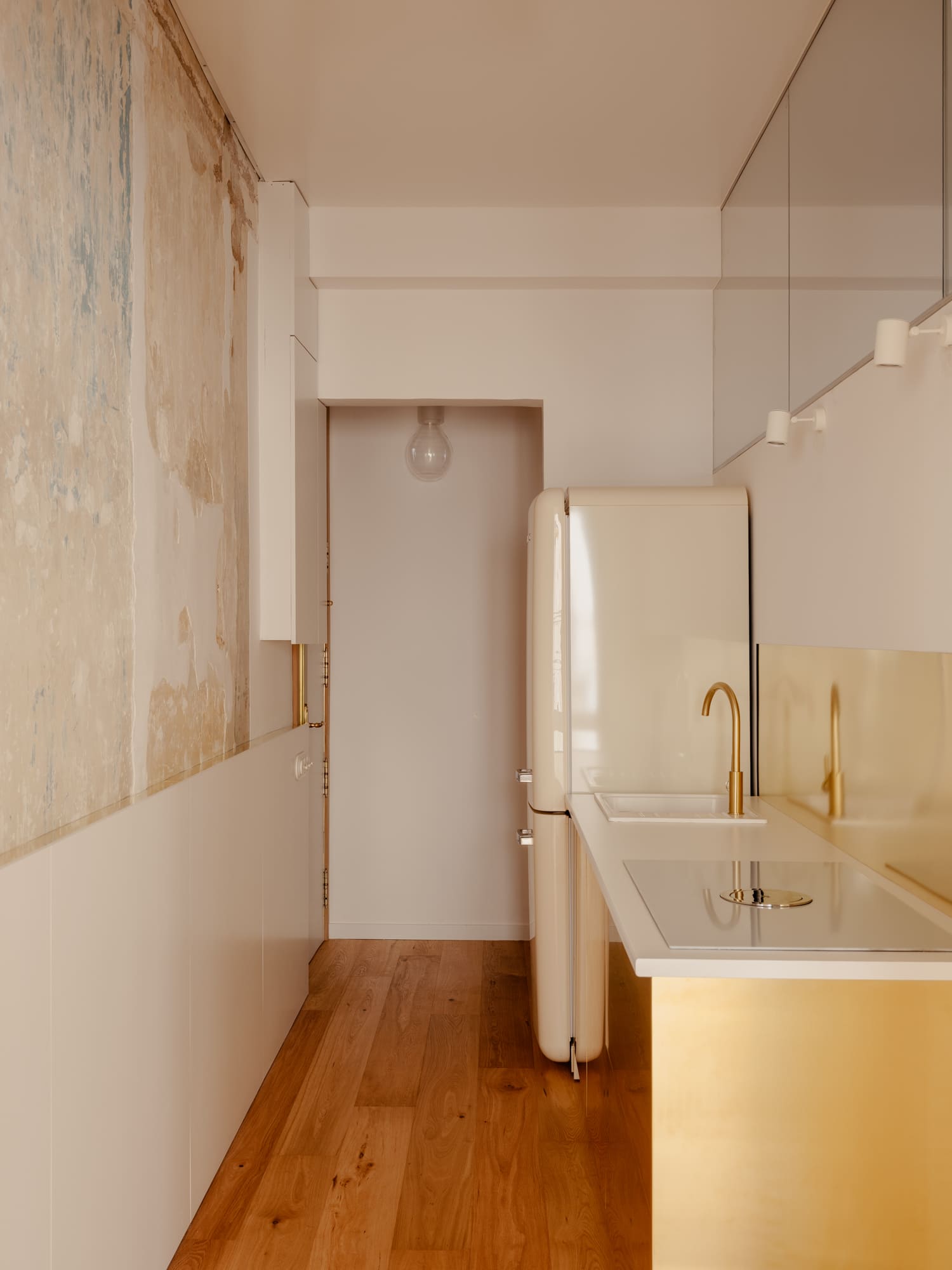
The home evolves in dialogue with a building from 1900. Unnecessary grooves have been avoided. Following the same criteria, the floor has been raised to house the water installations and filled with lightweight acoustic and thermal insulation material.
The decisions regarding circulation, orientation, and materials follow the philosophical principles of Feng Shui, understanding the occupation of space in a conscious and harmonious way, giving it a positive influence on those who inhabit it.
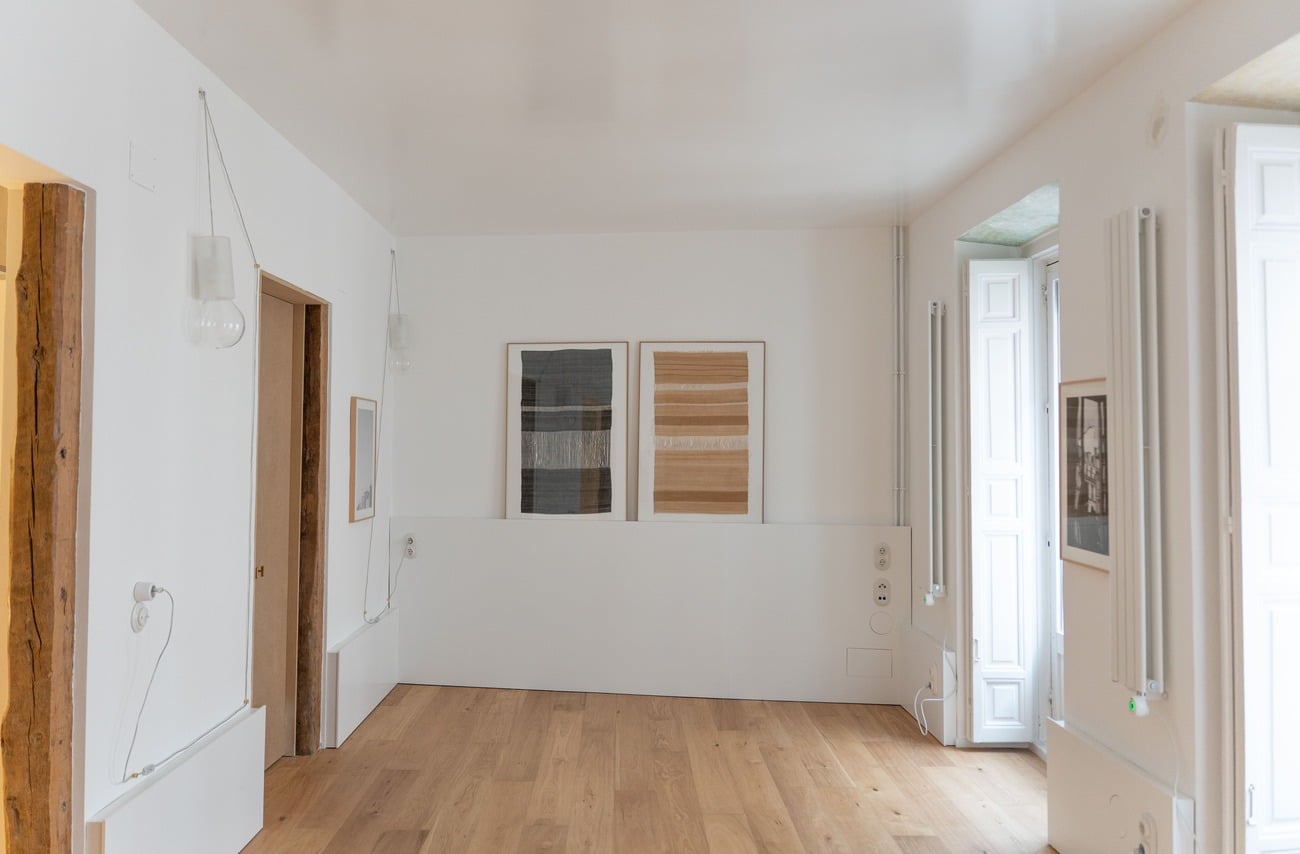
What materials did you choose and why?
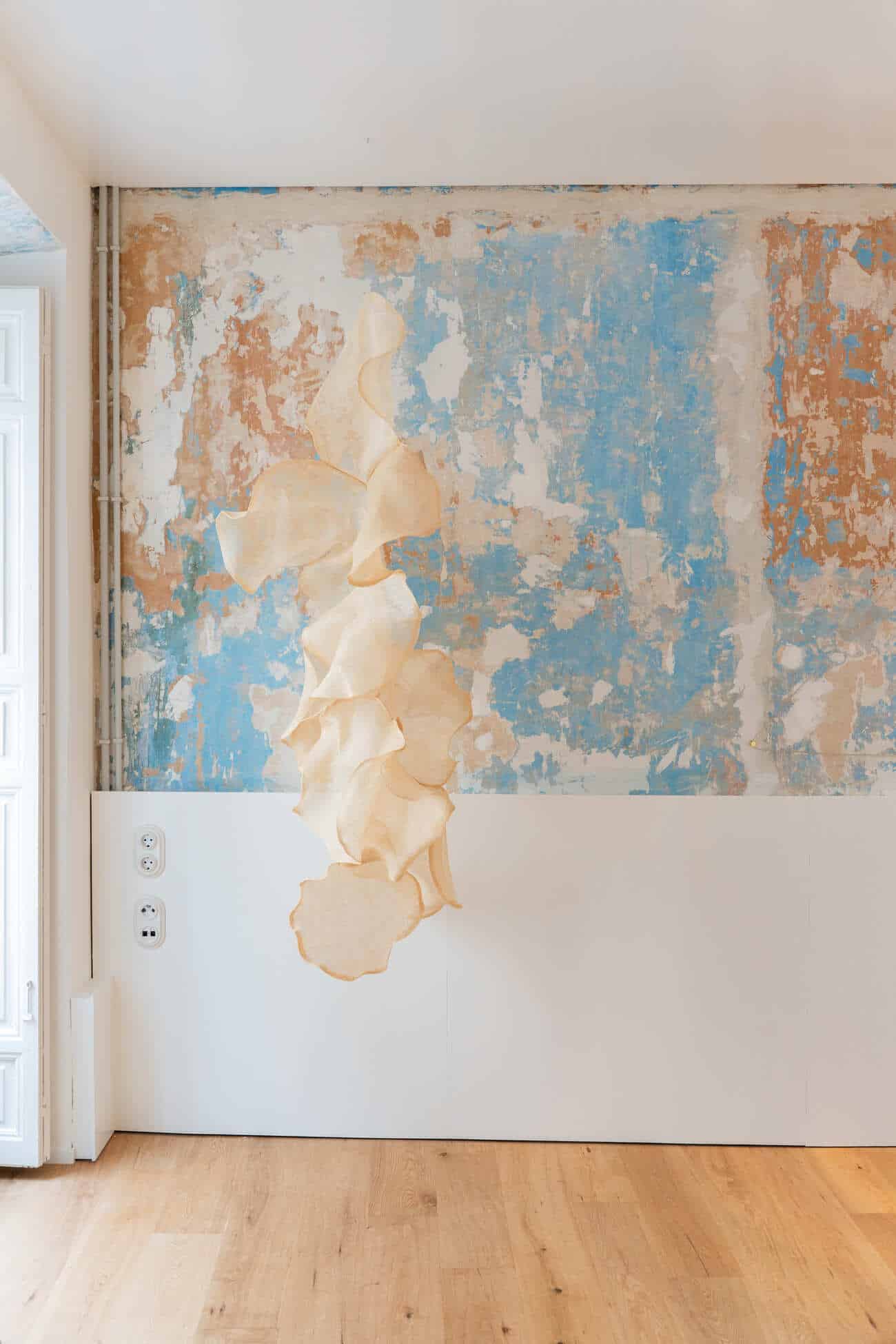
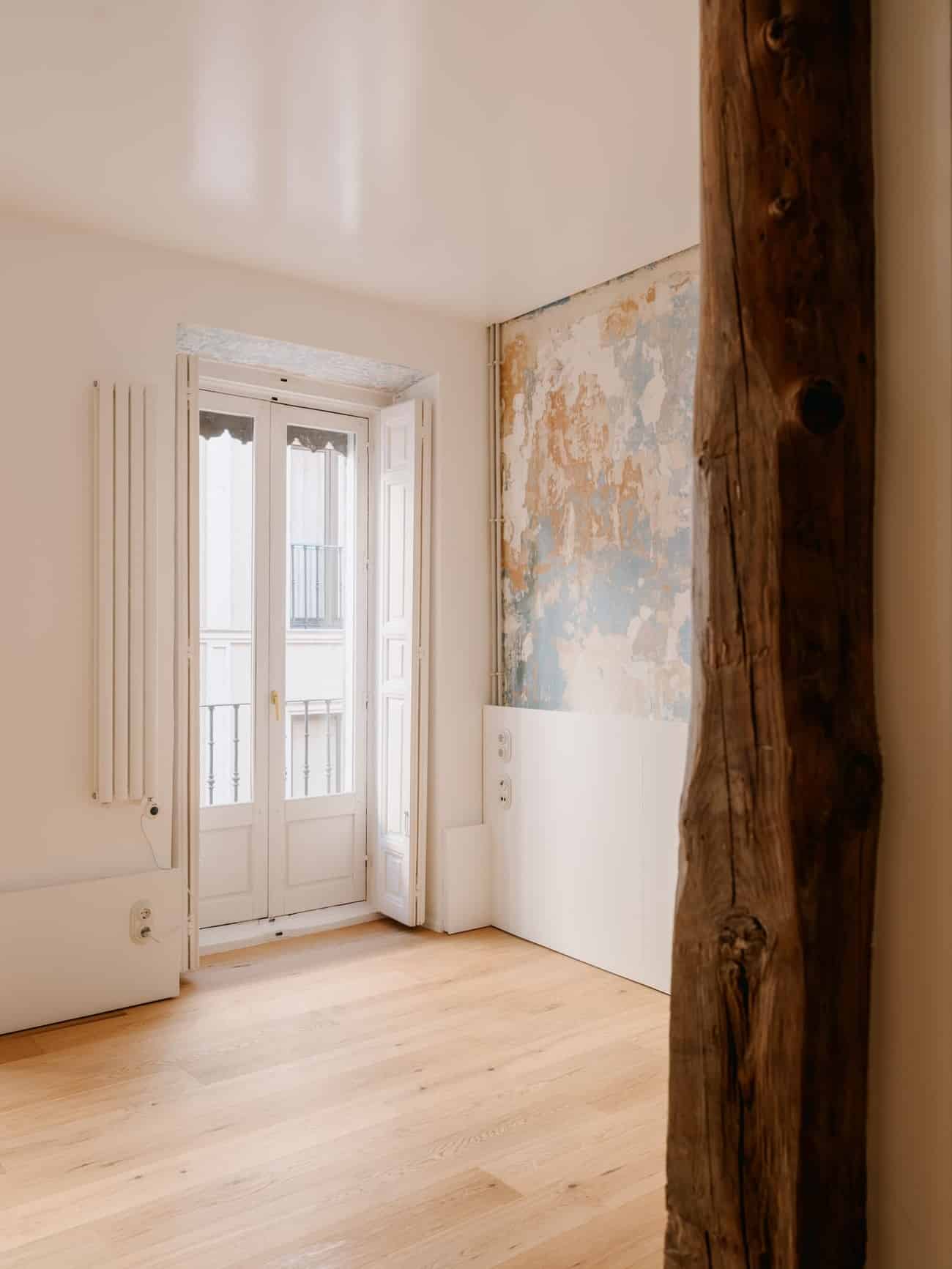
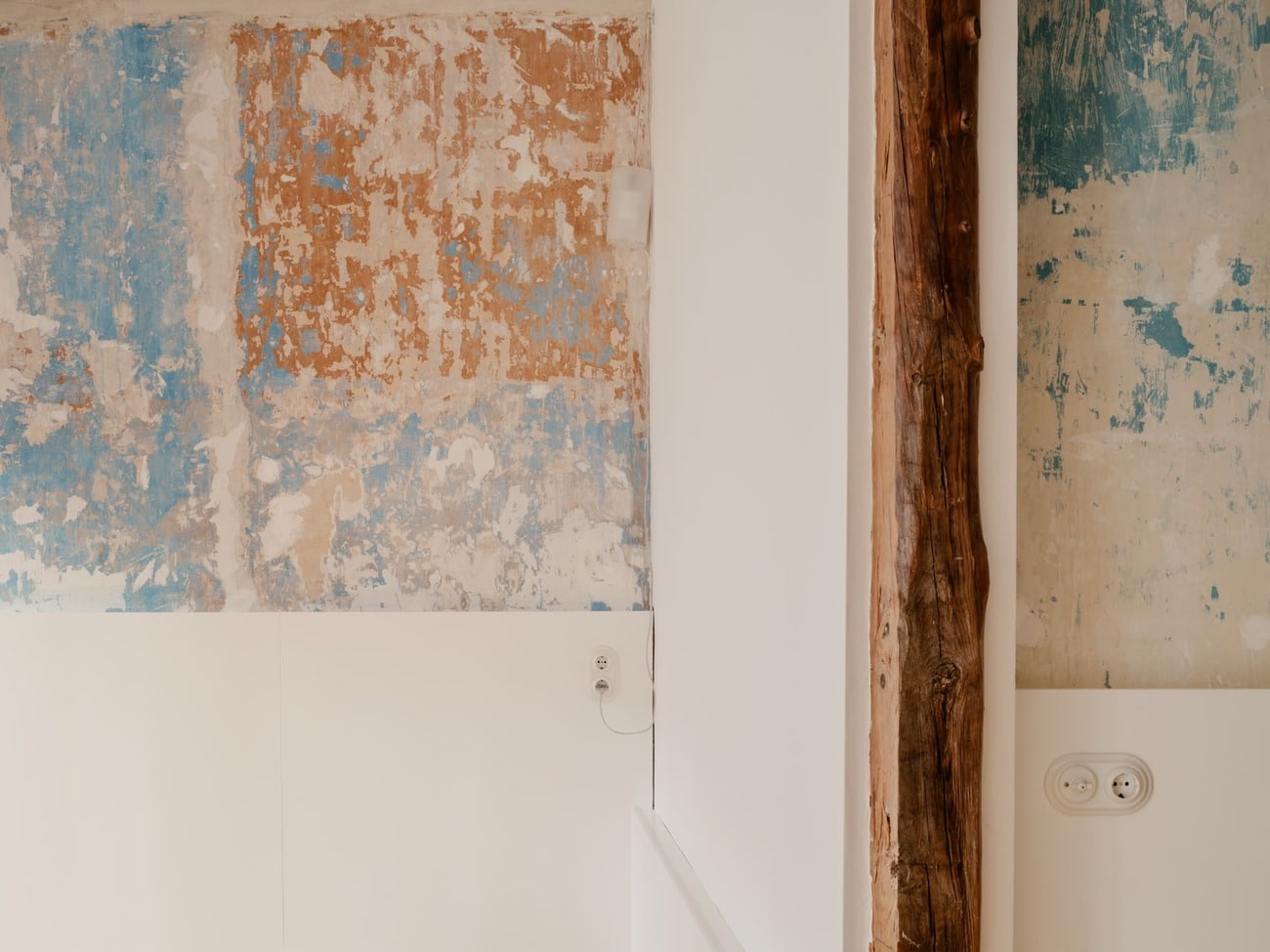
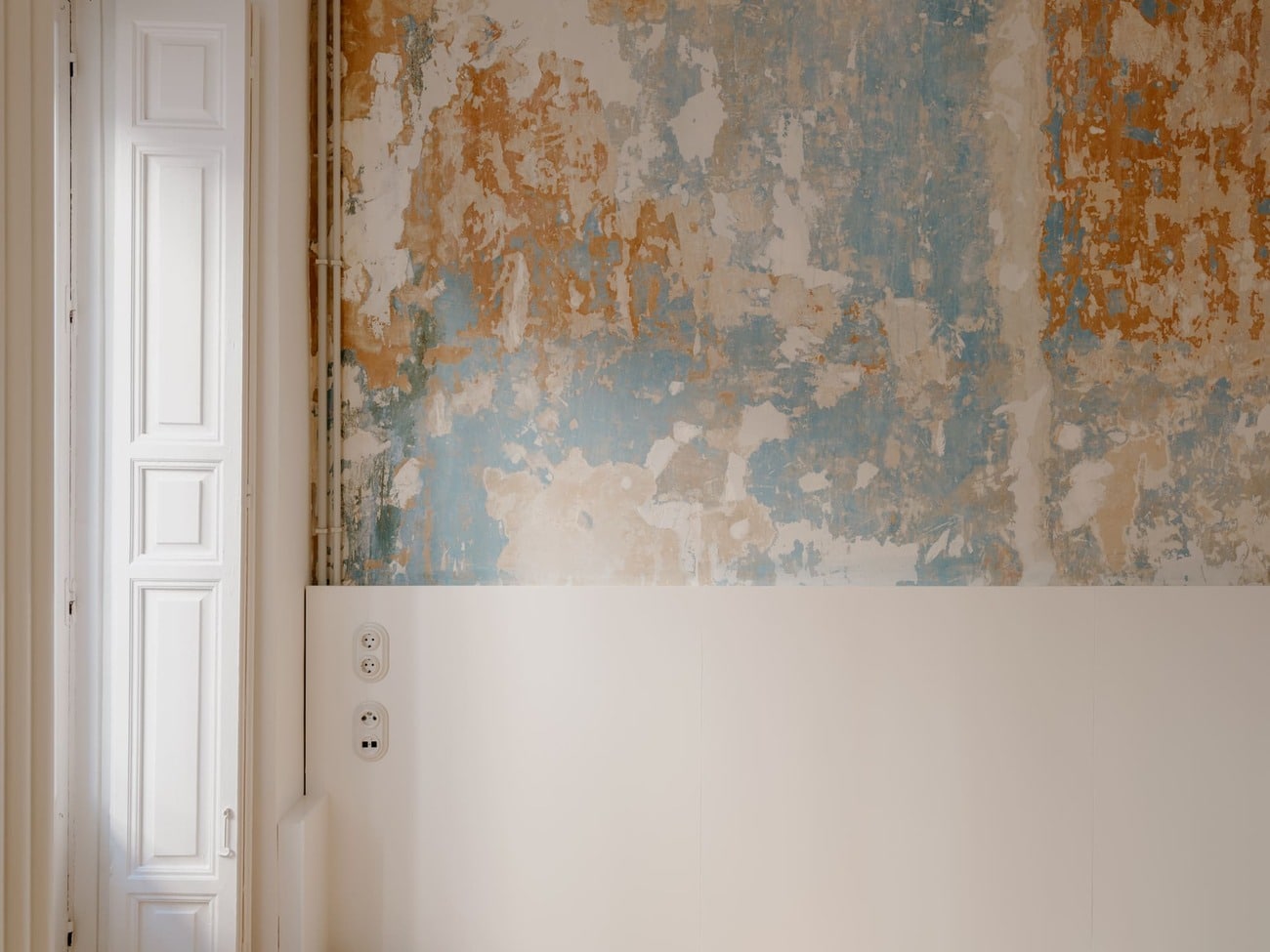
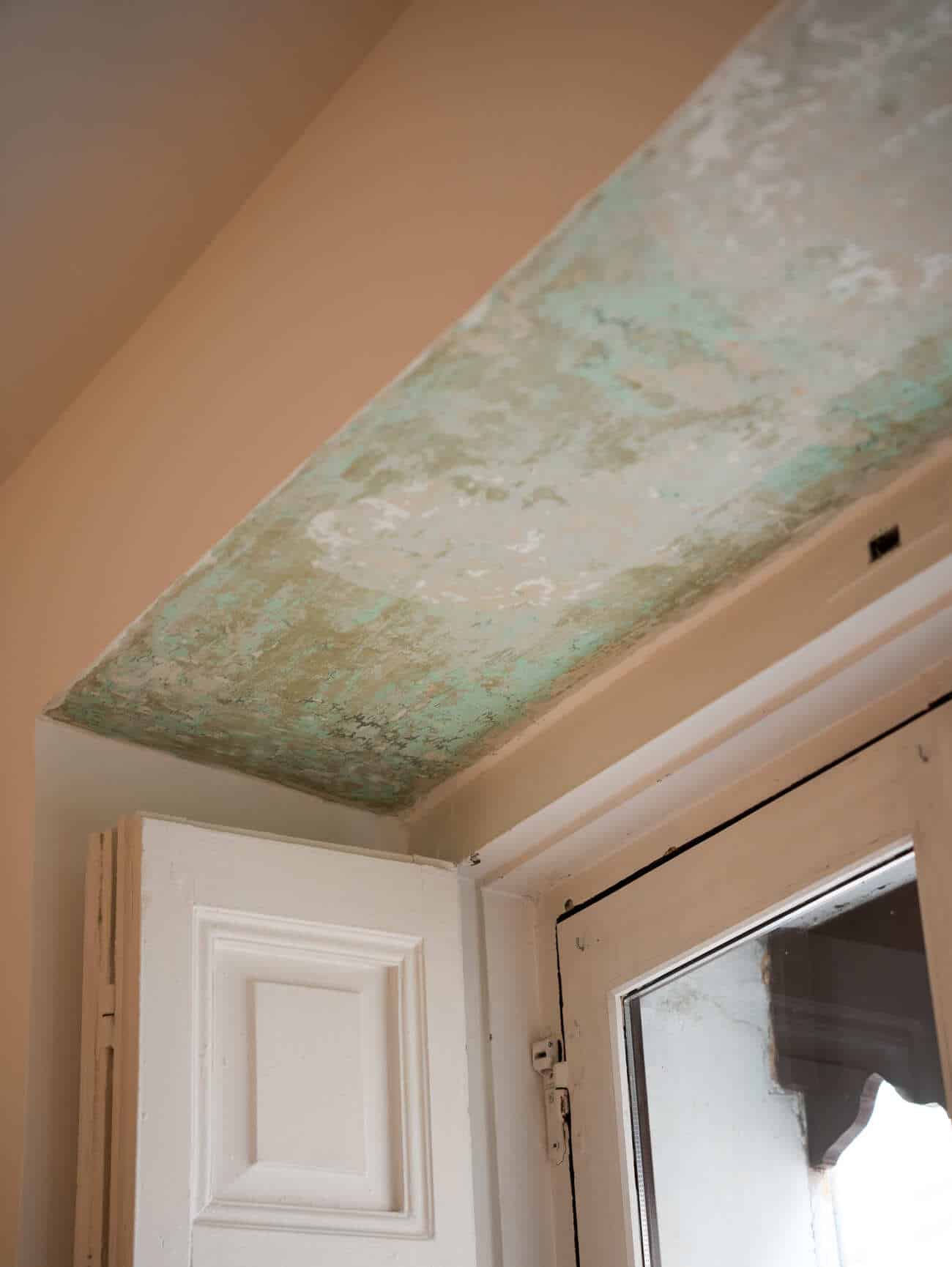
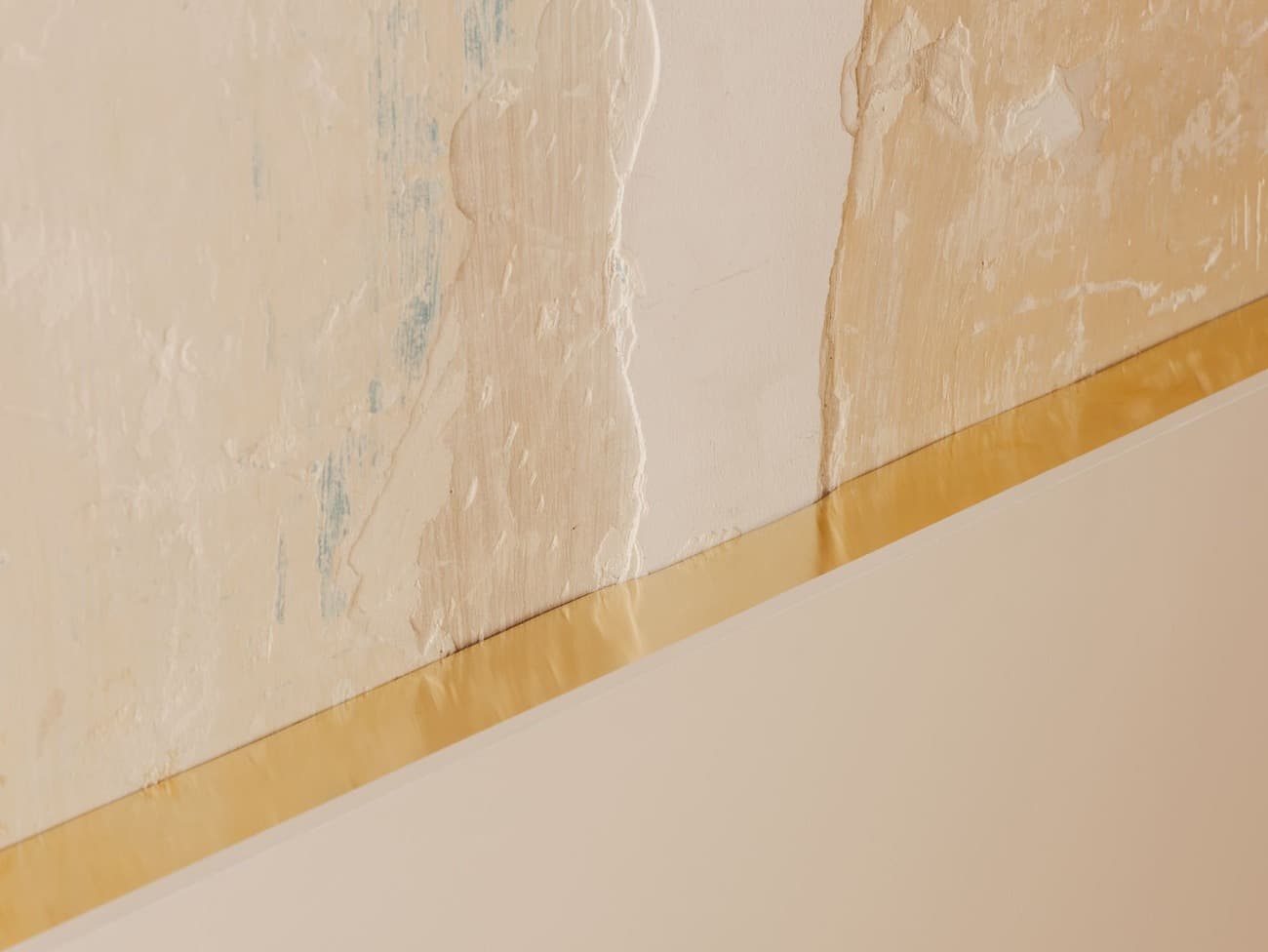
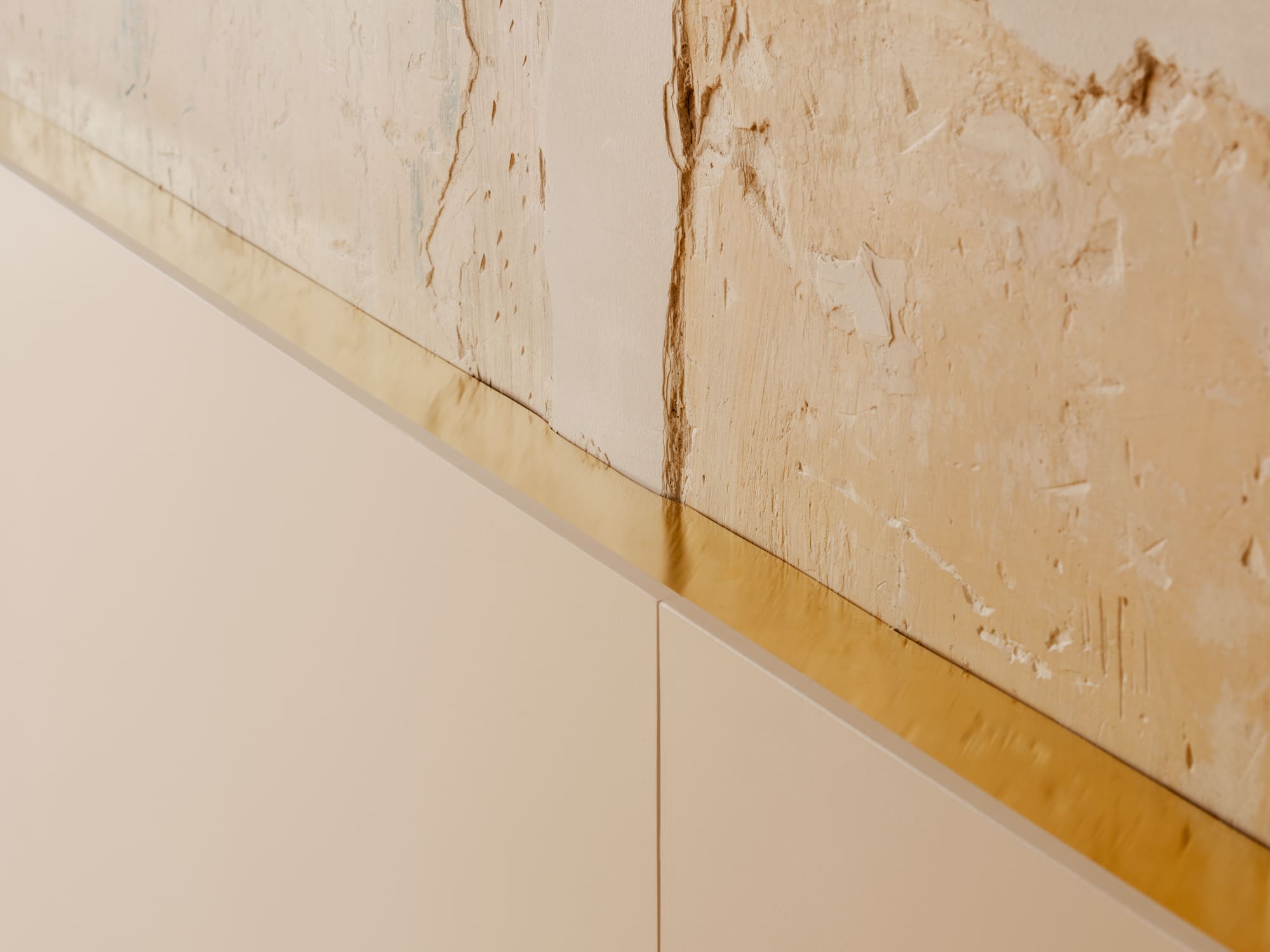
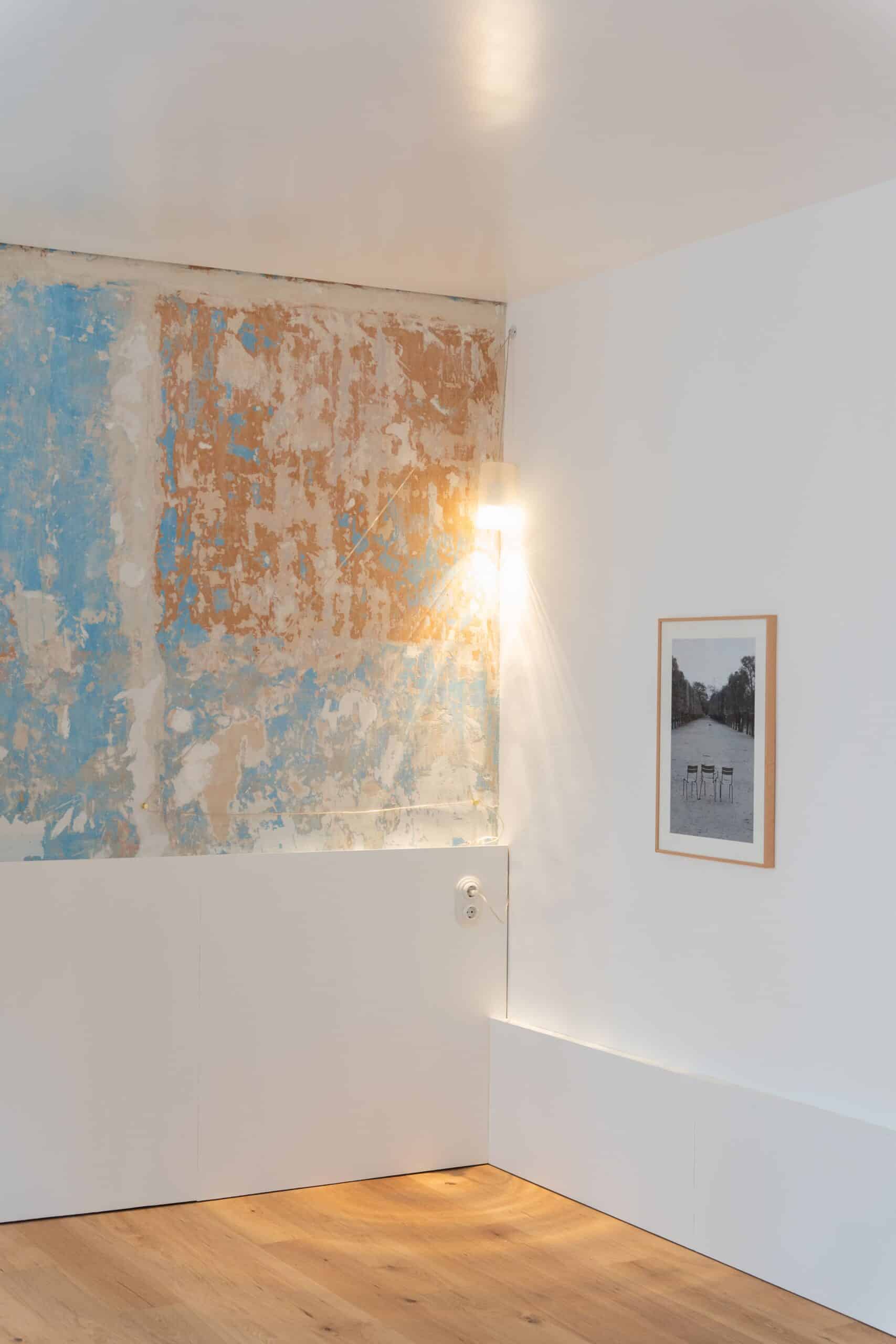
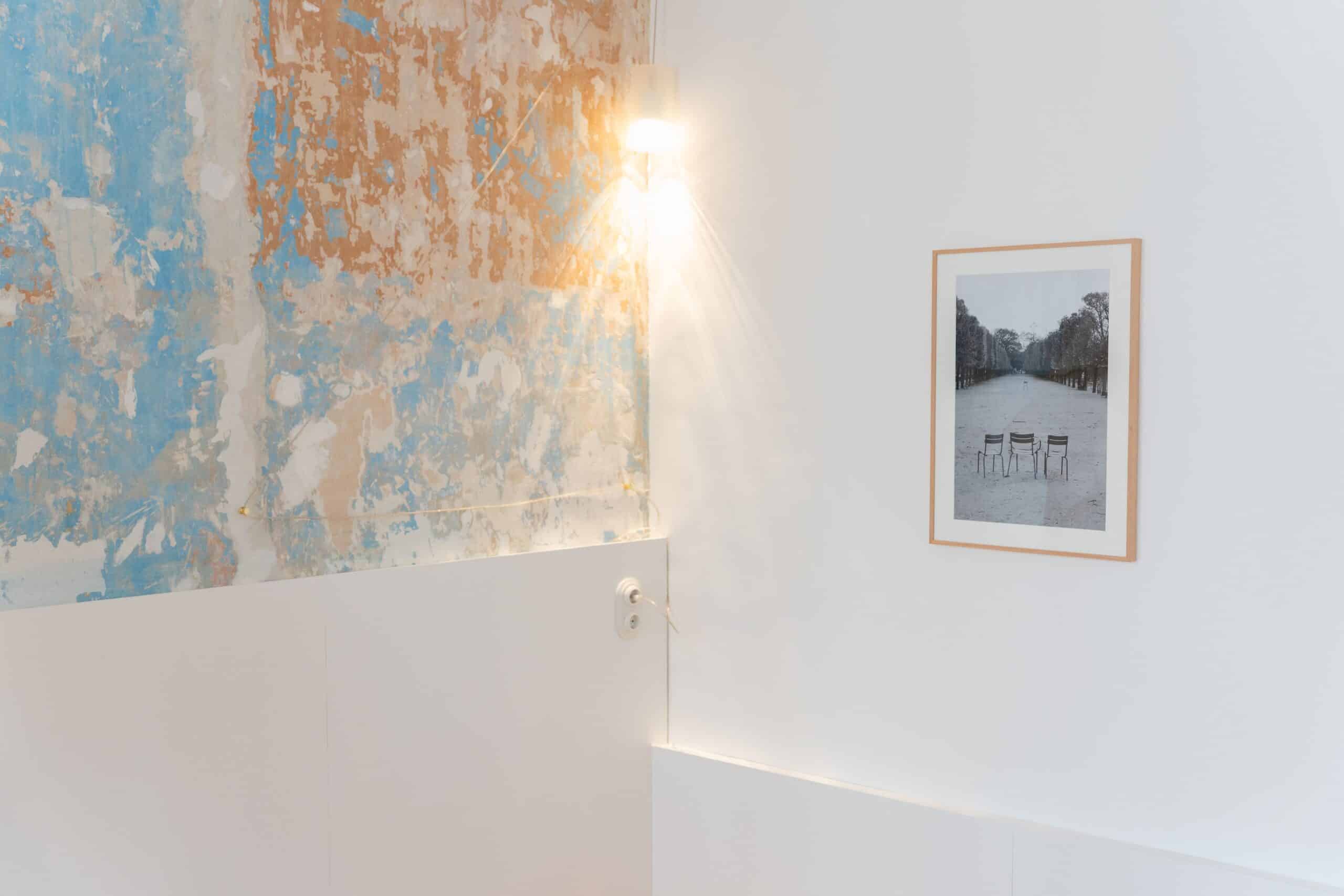
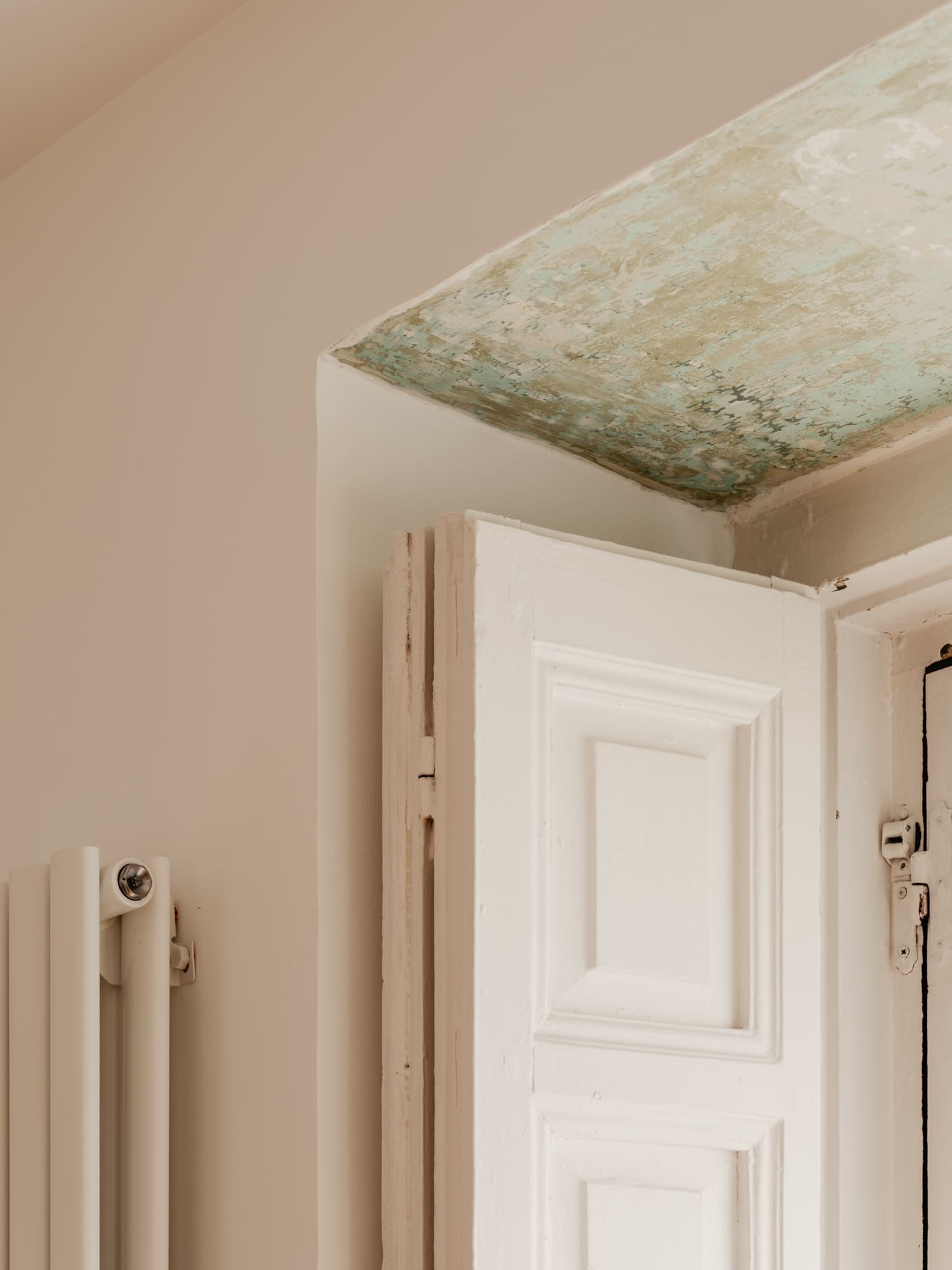
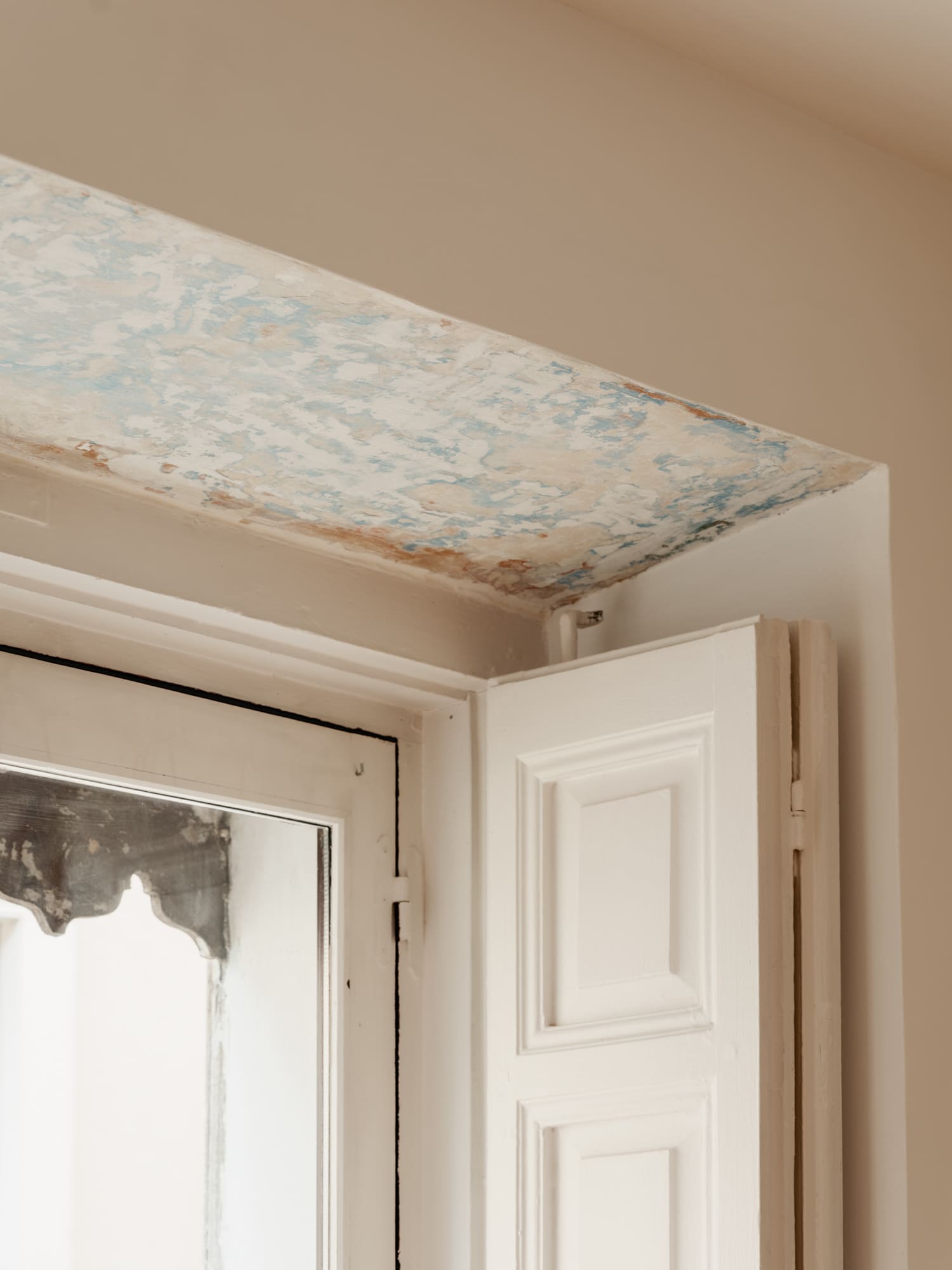
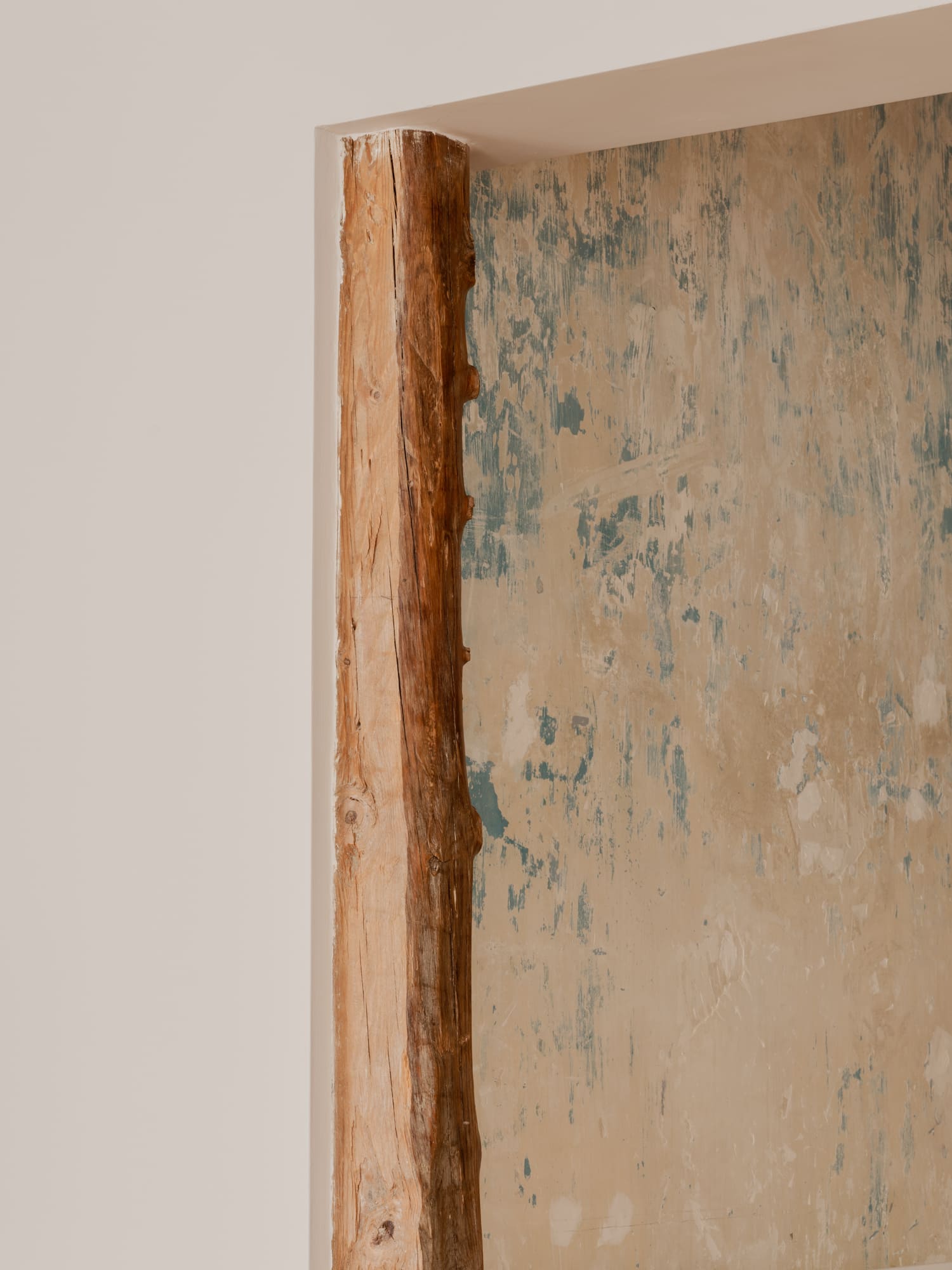
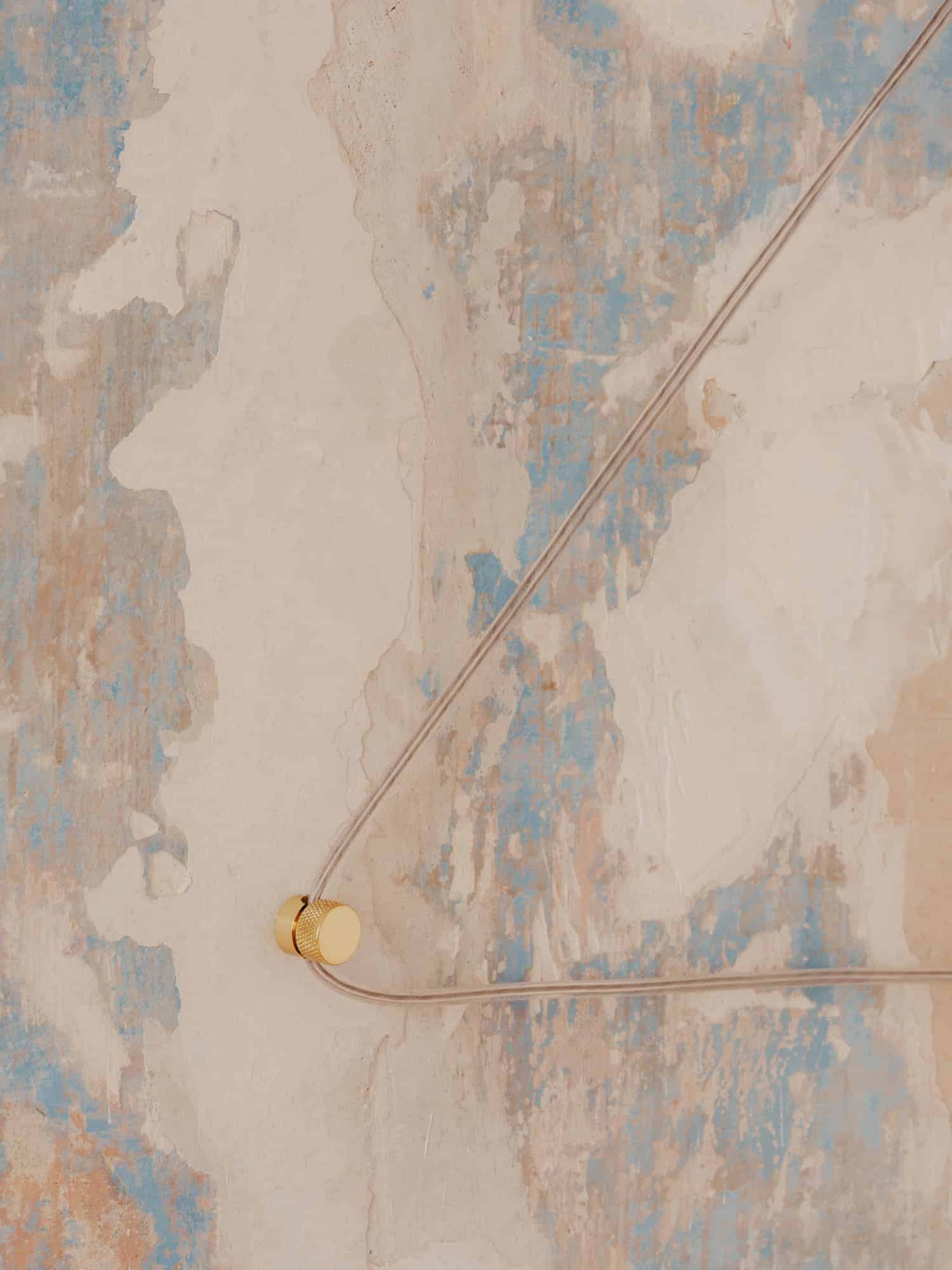
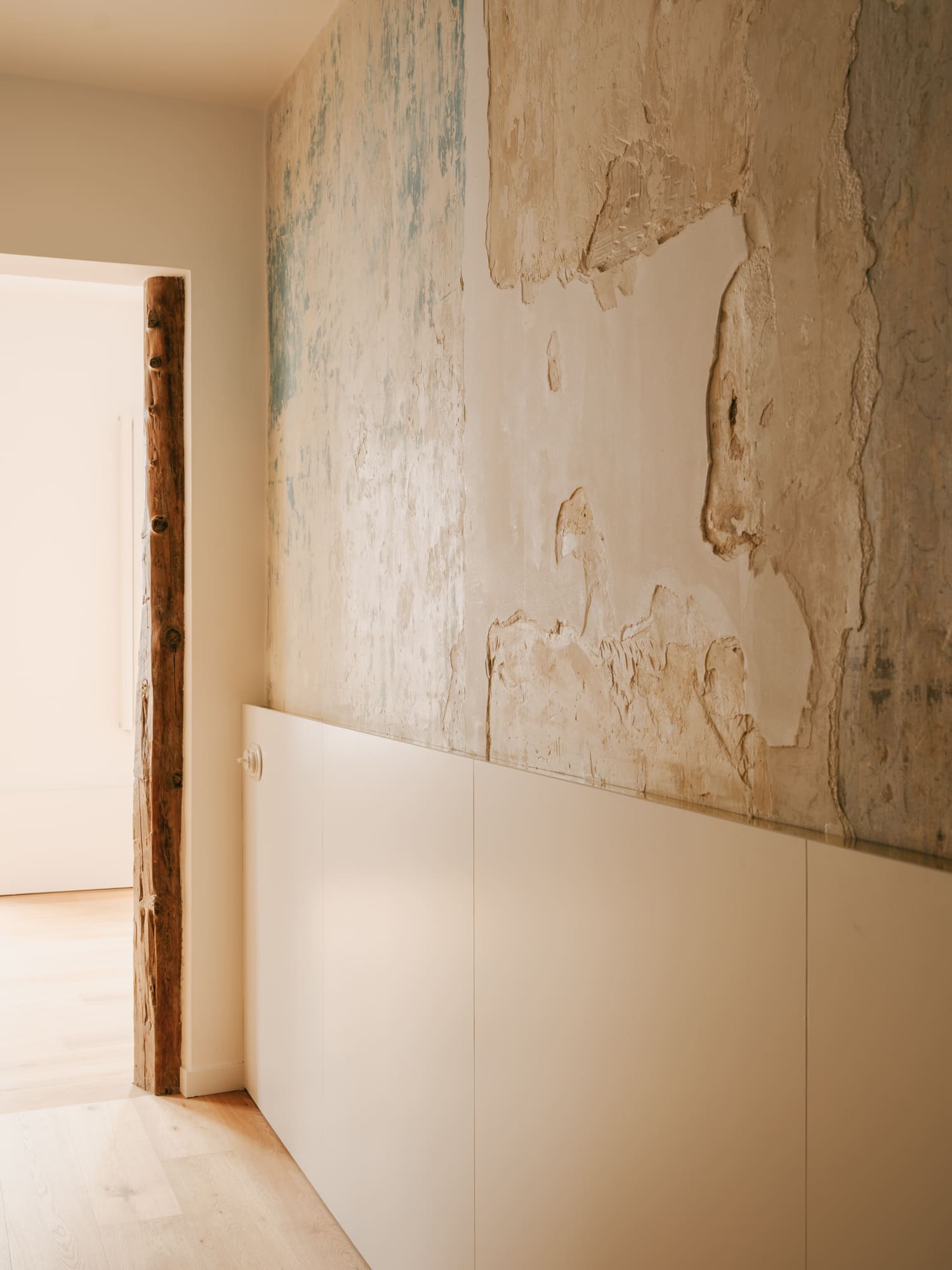
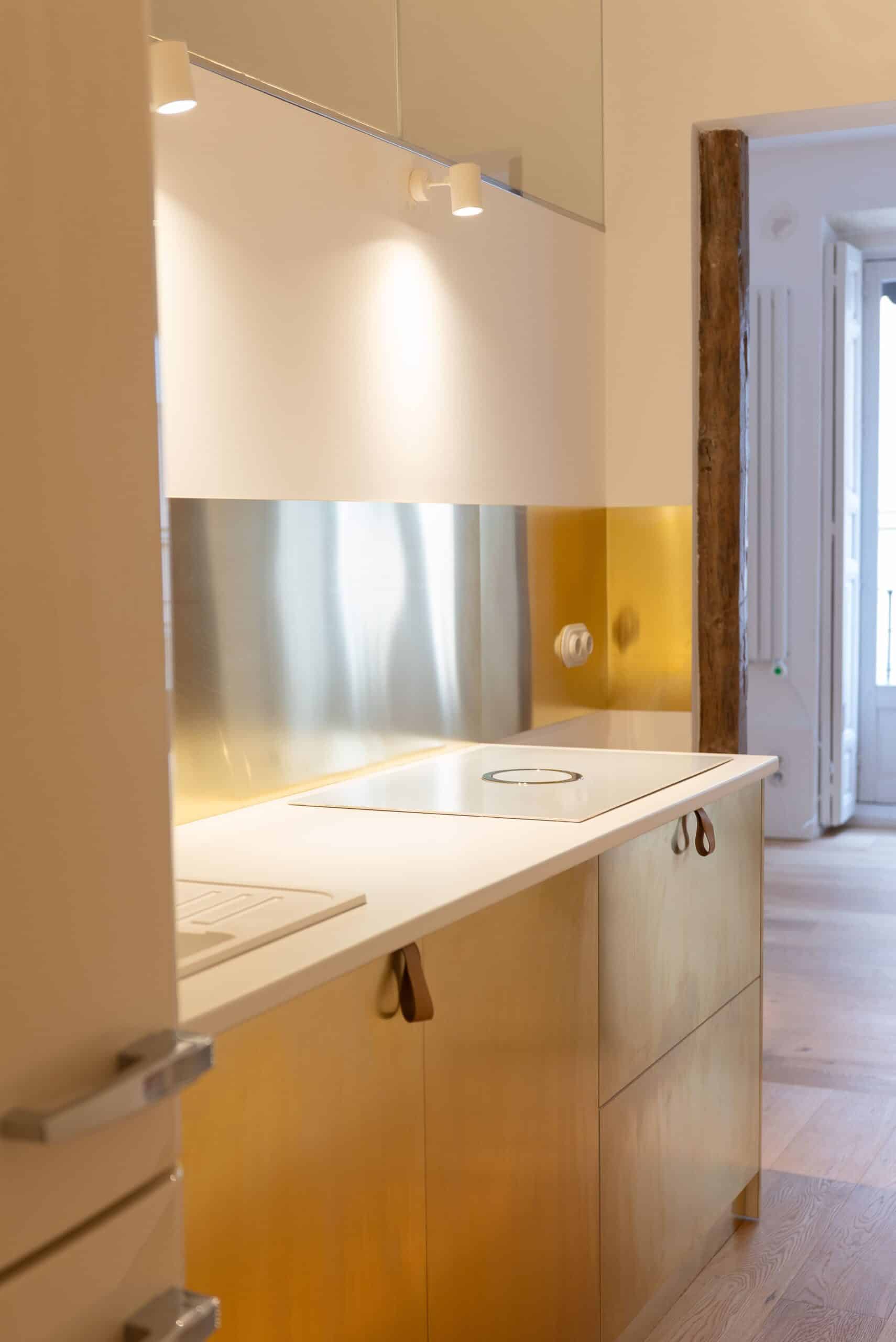
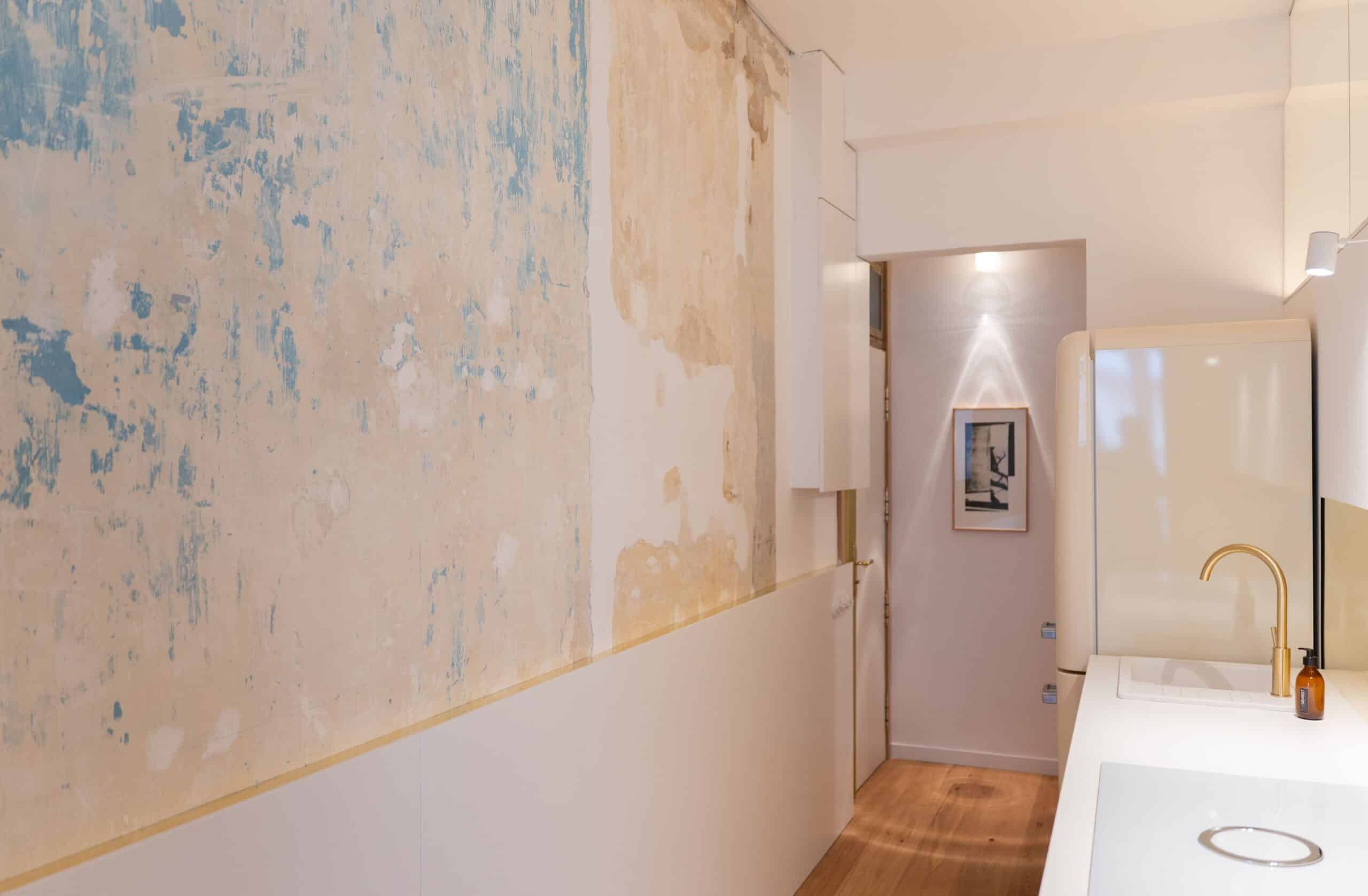
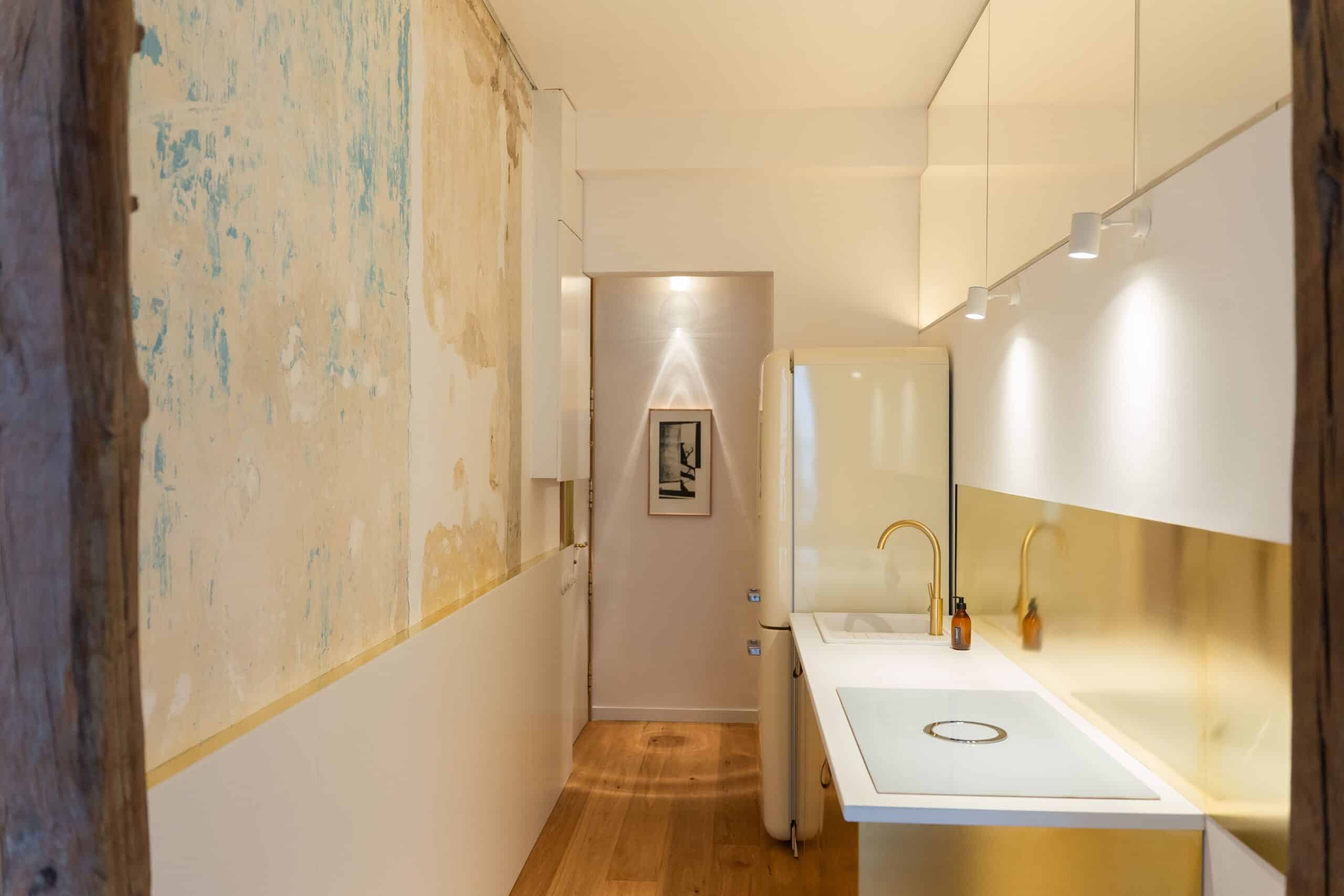
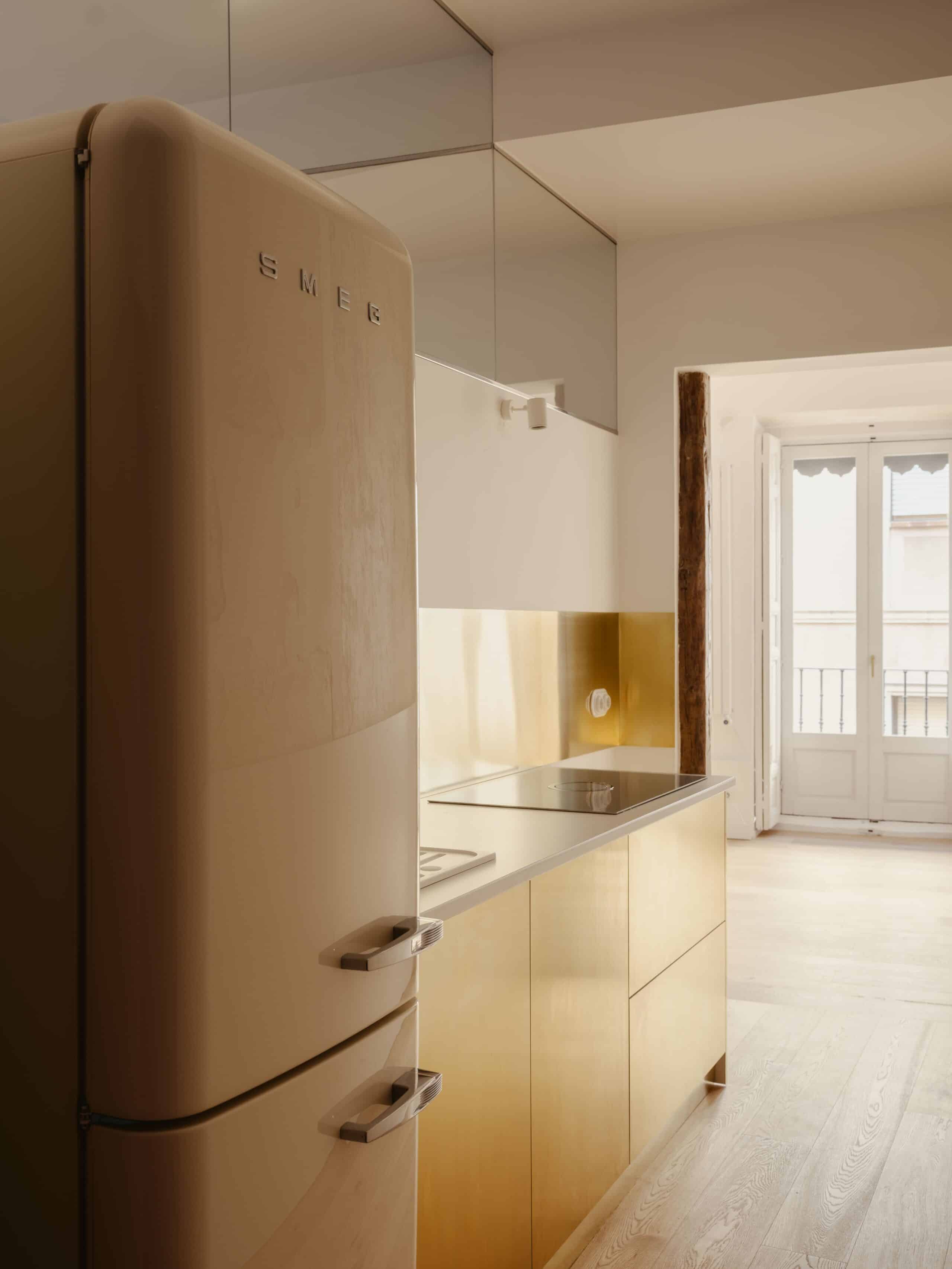
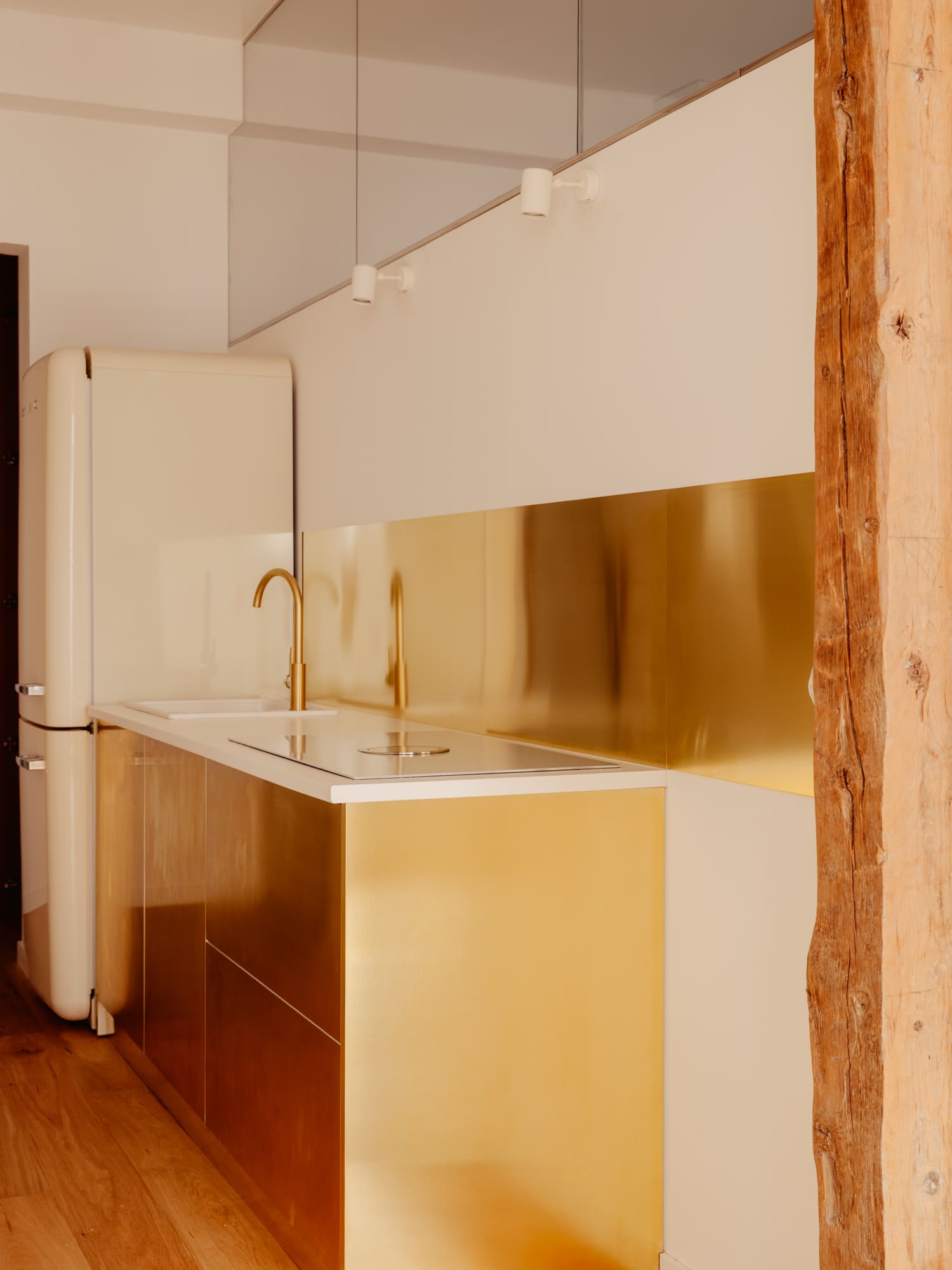
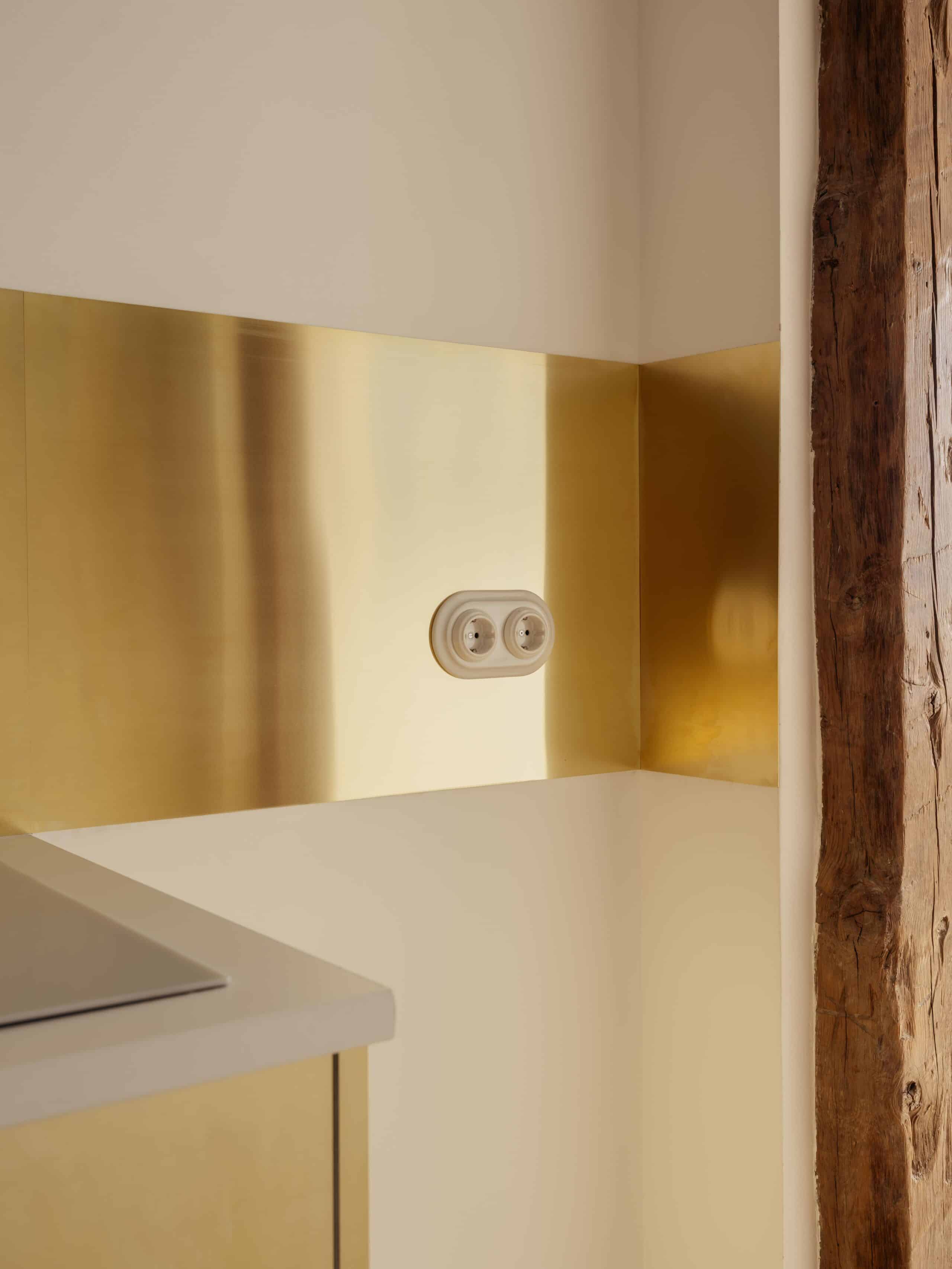
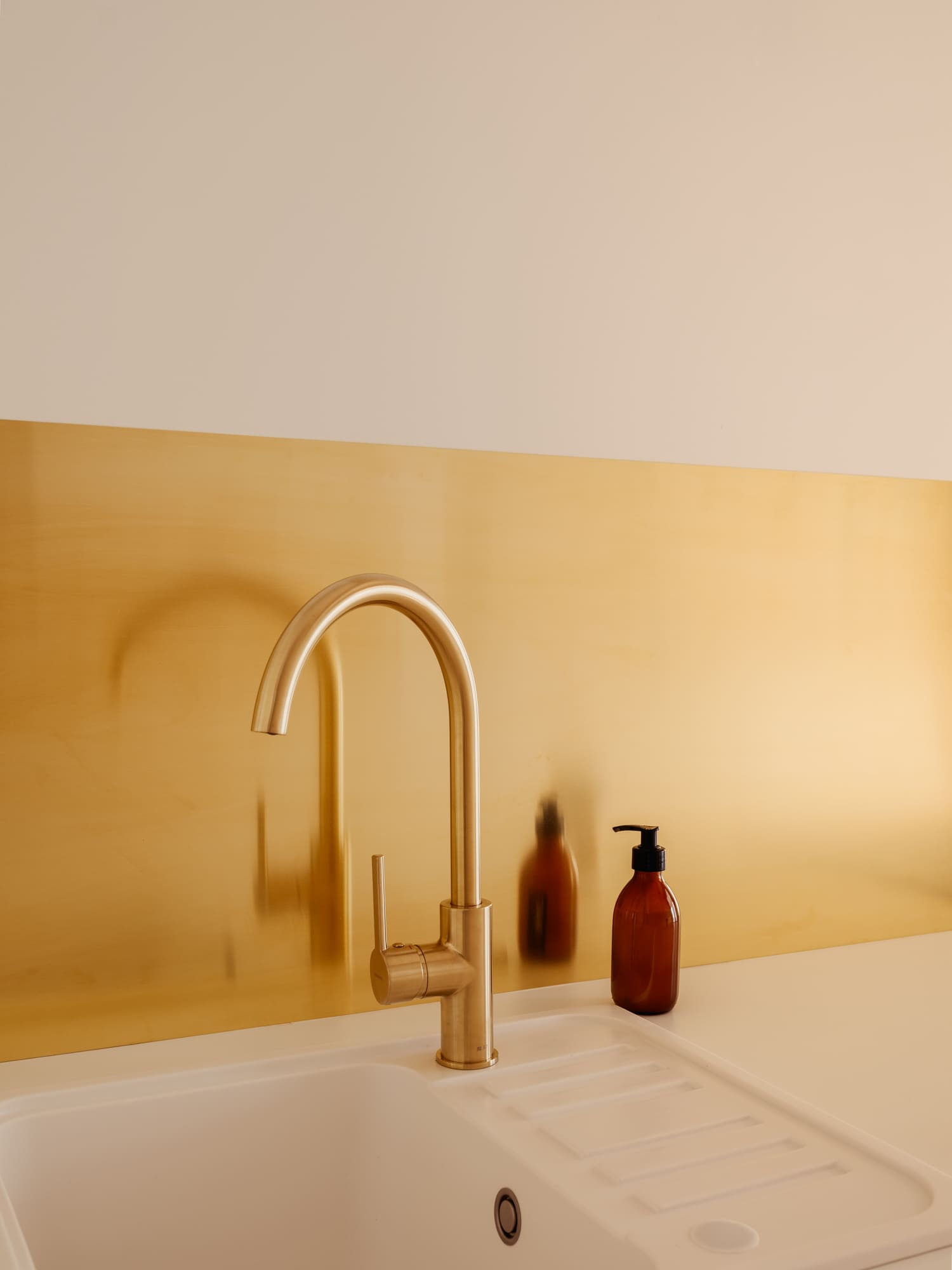
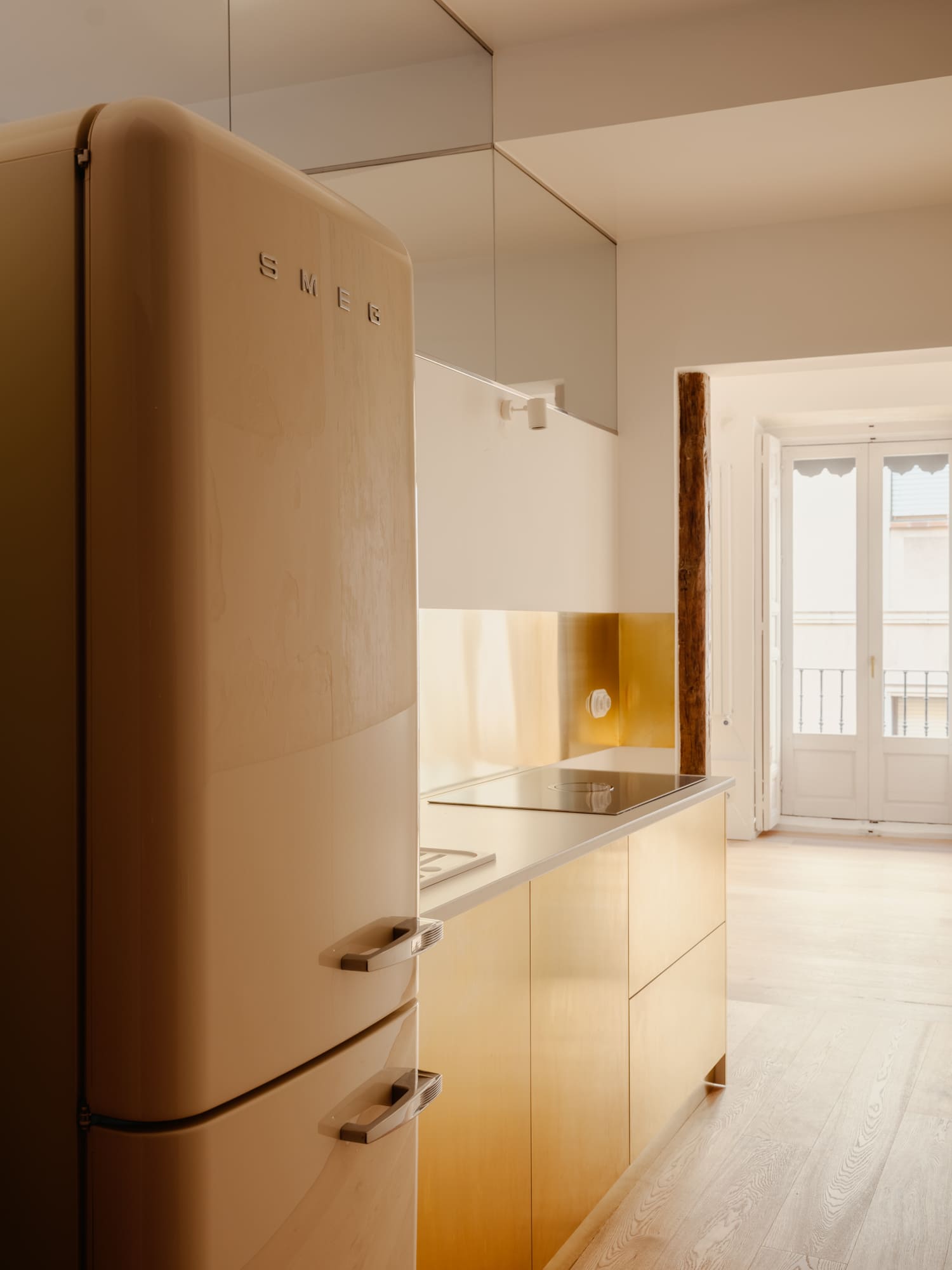
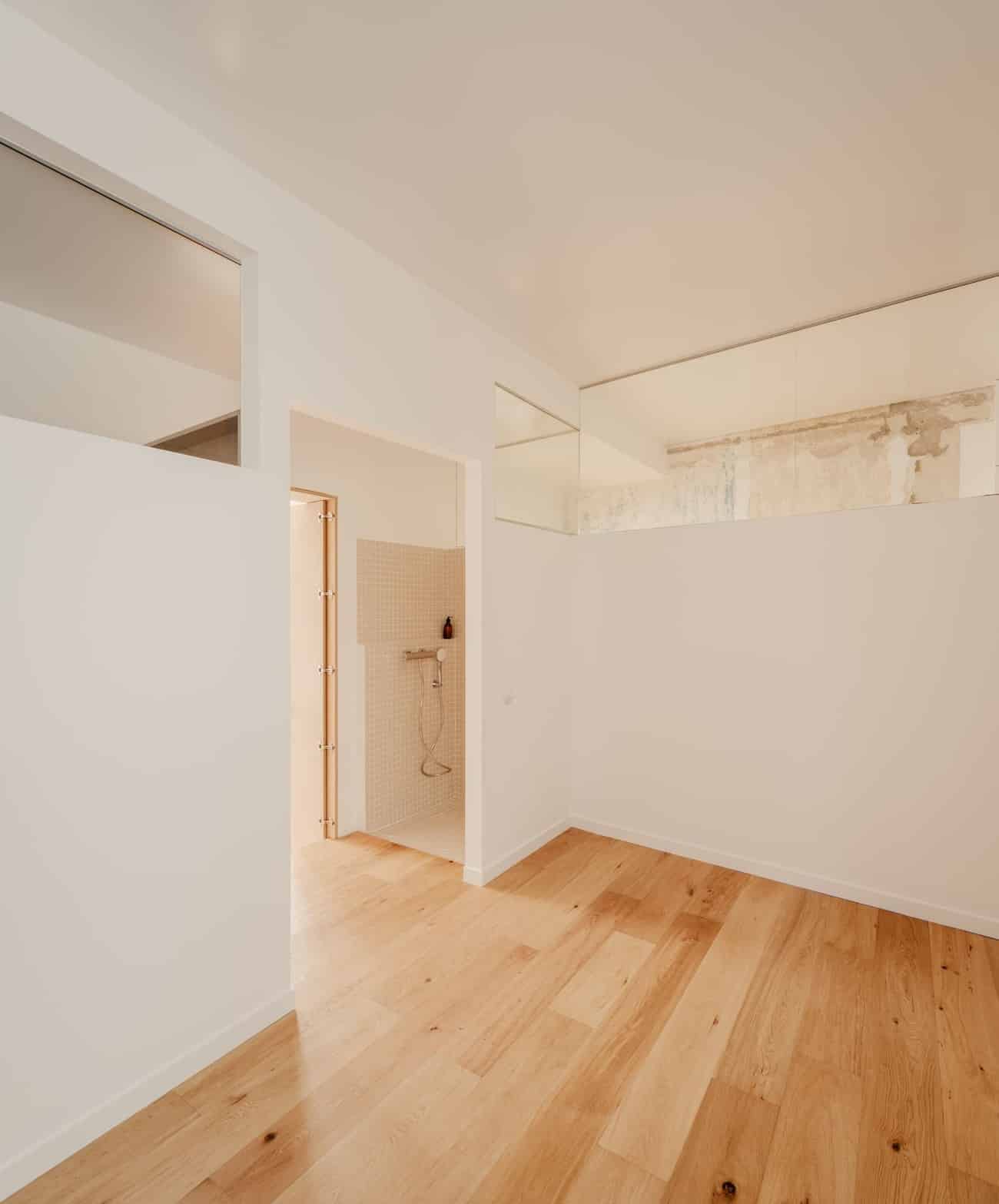
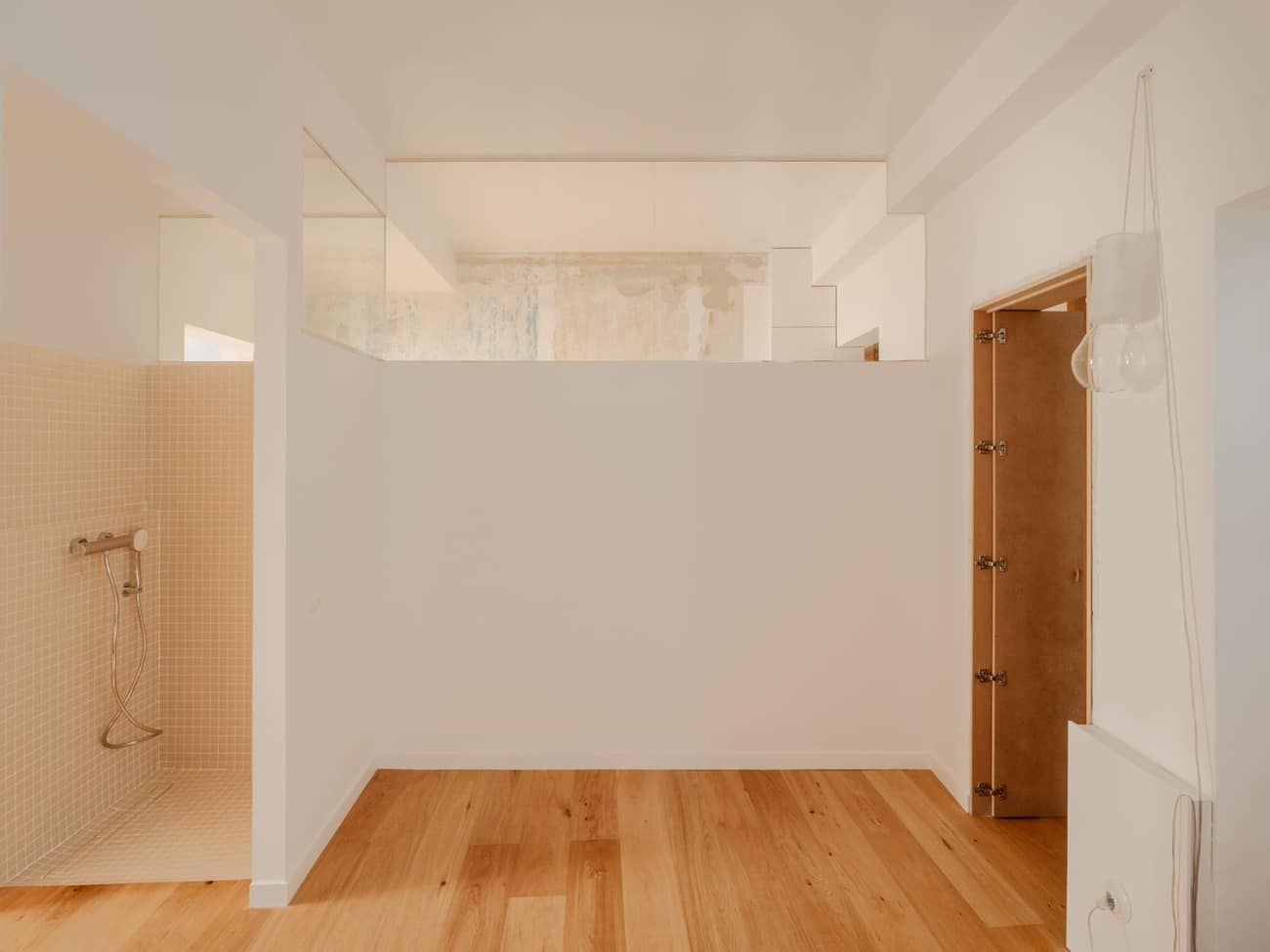
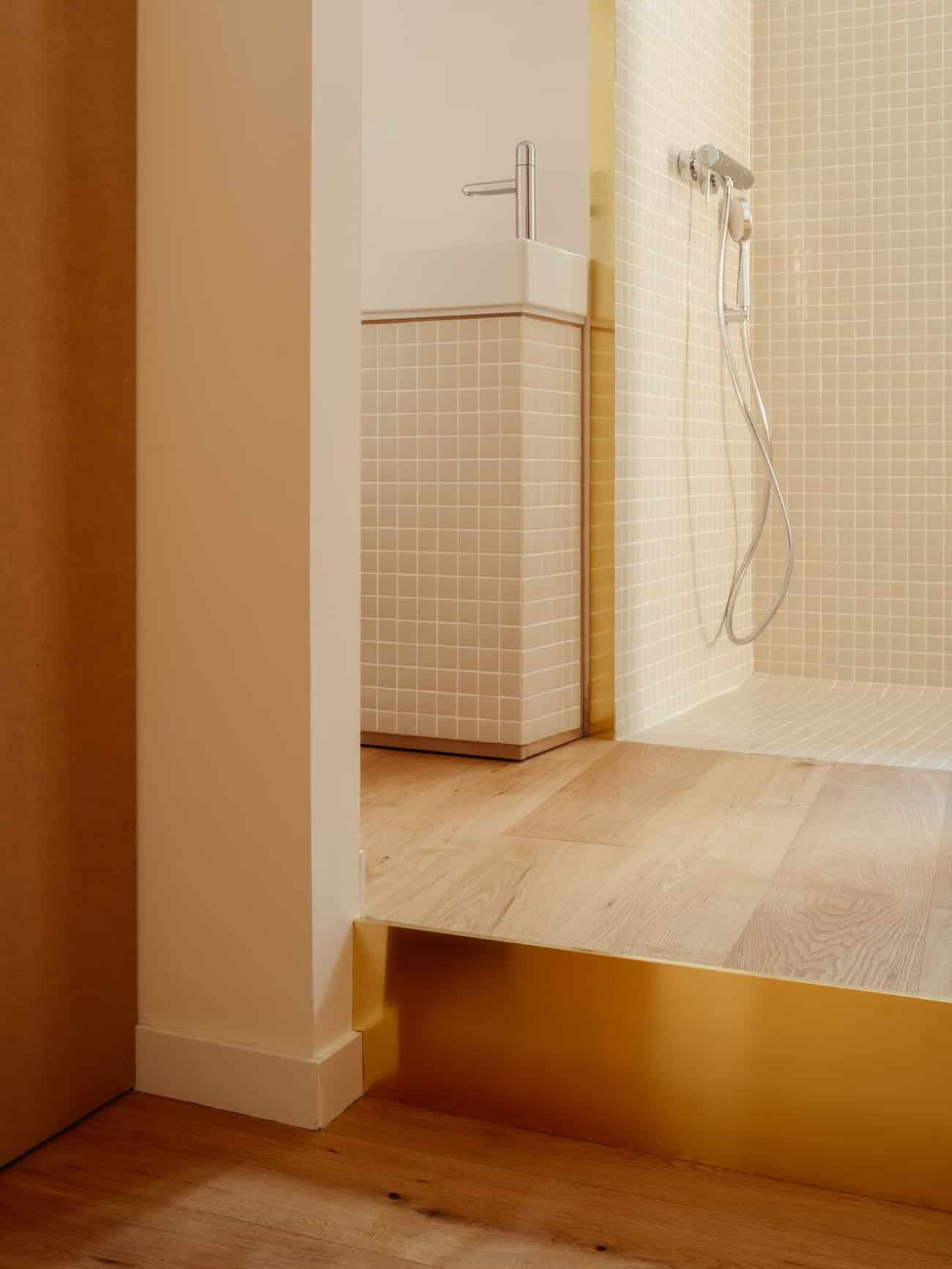
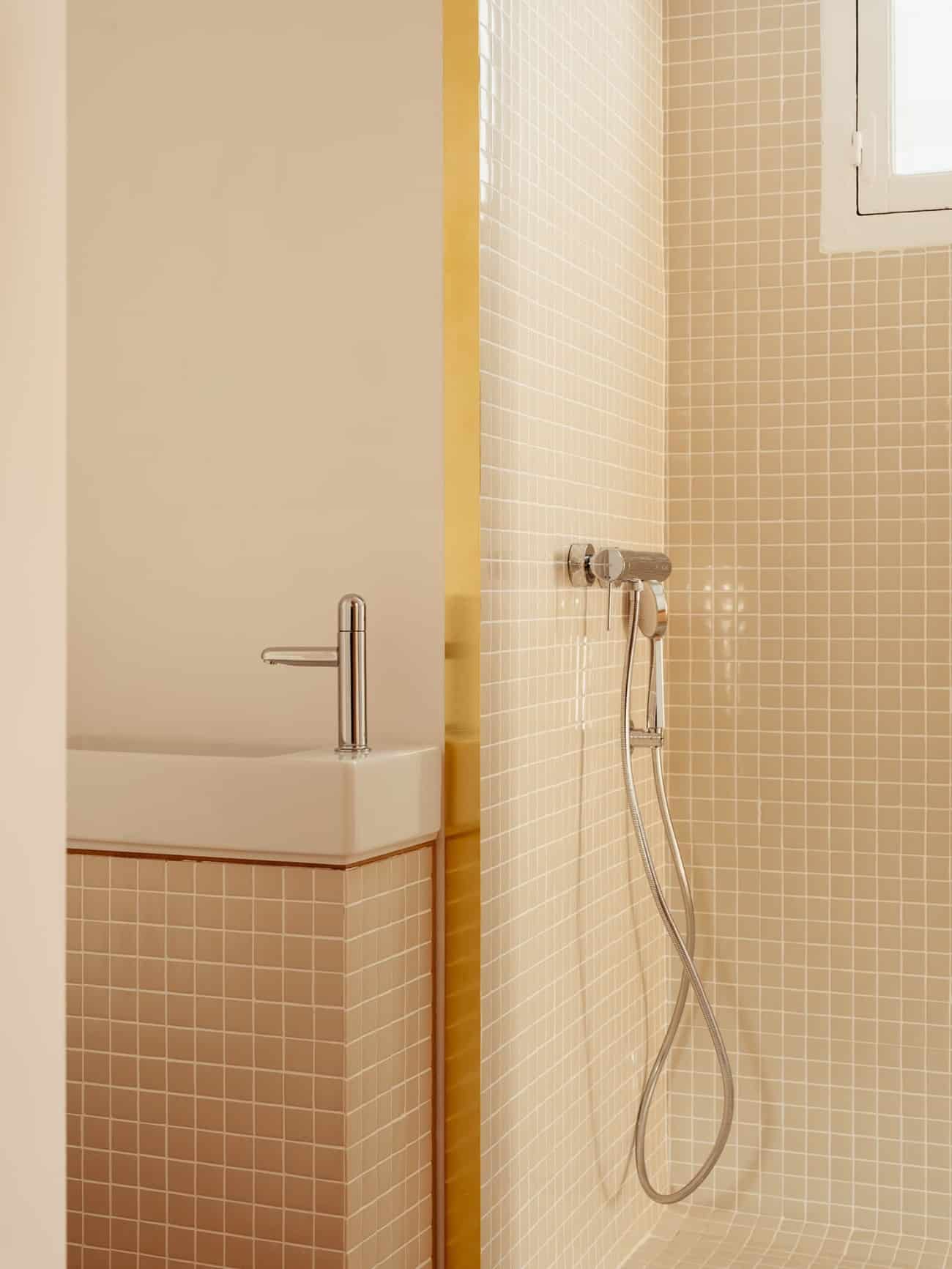
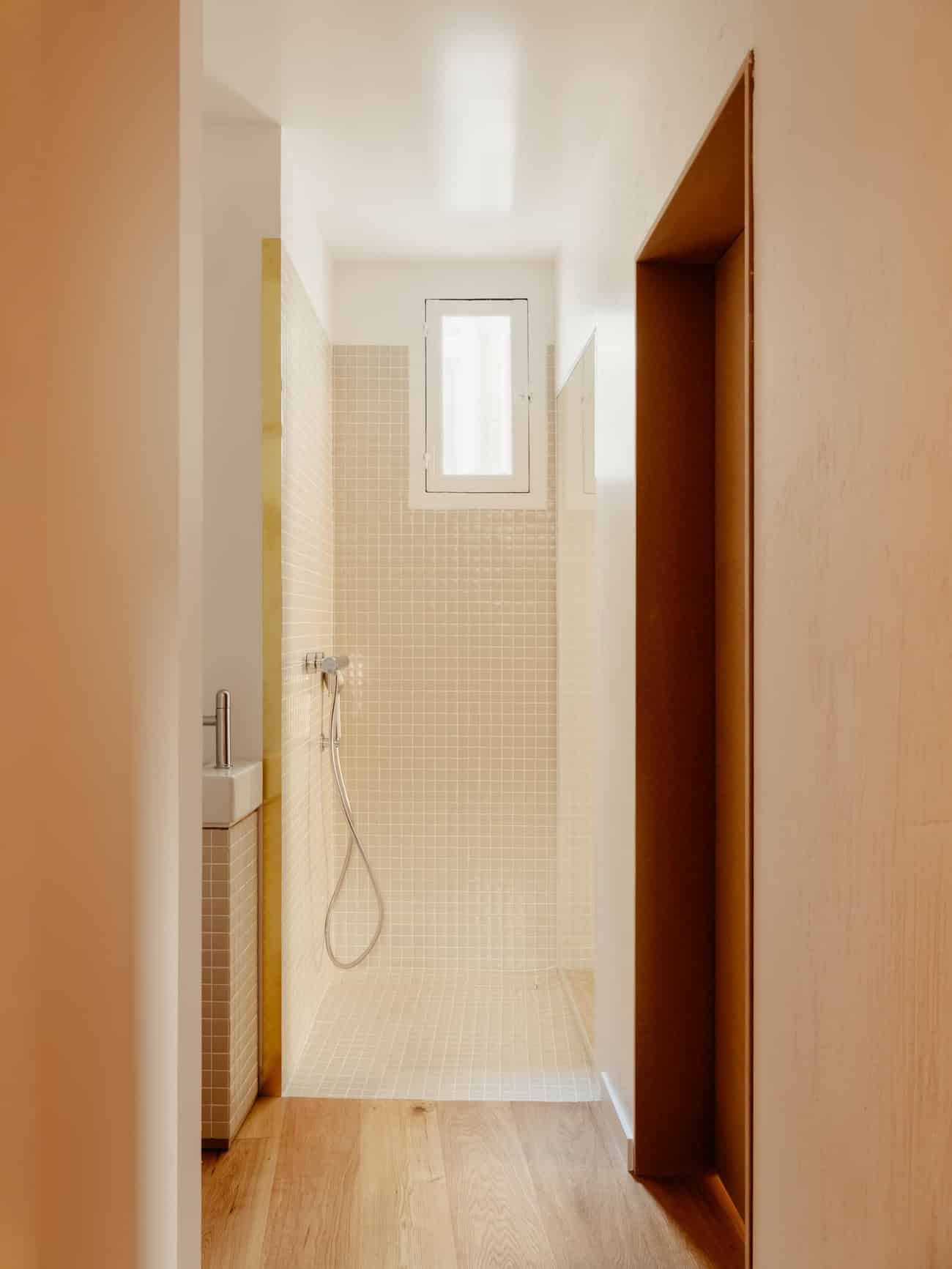
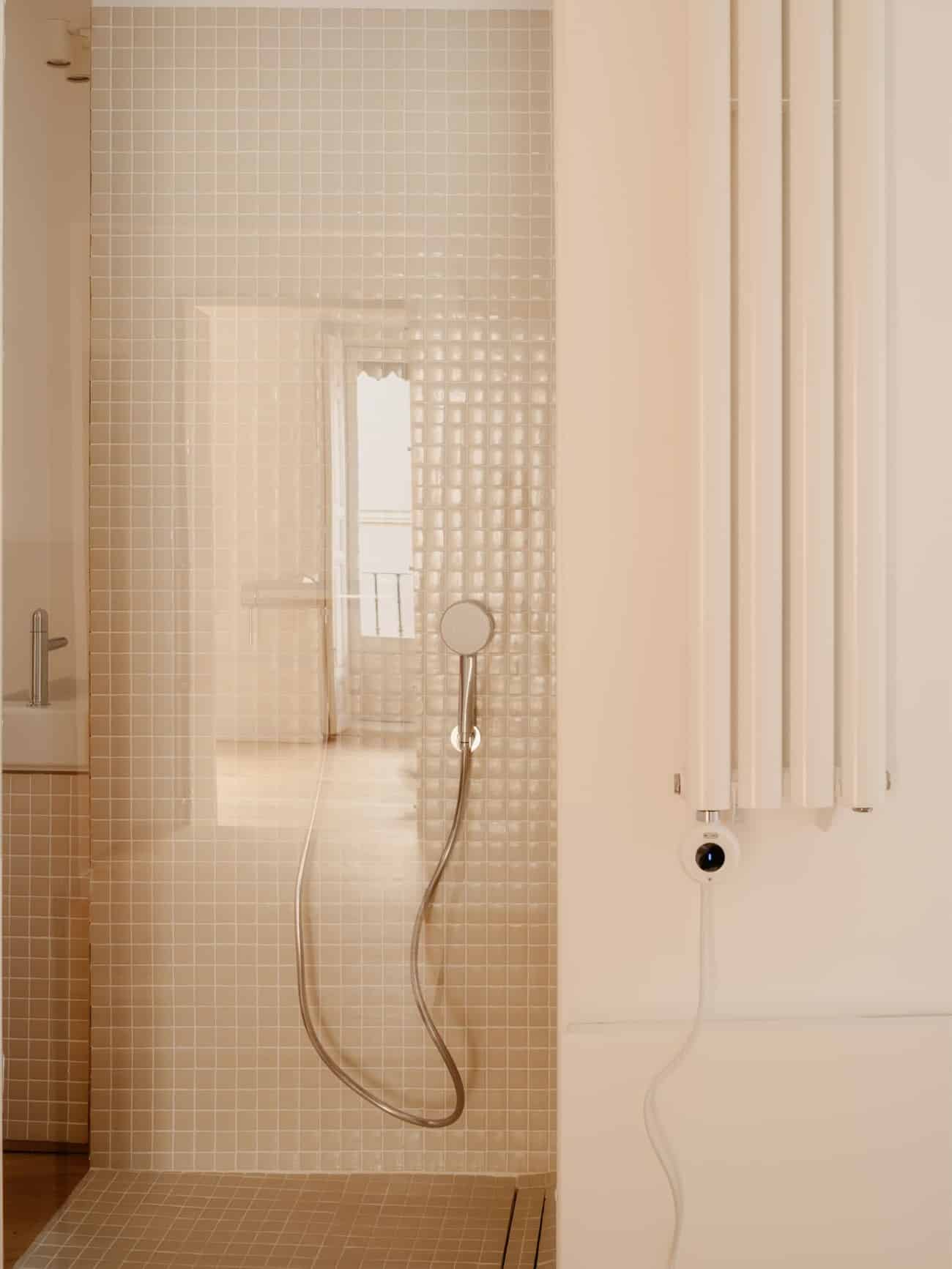
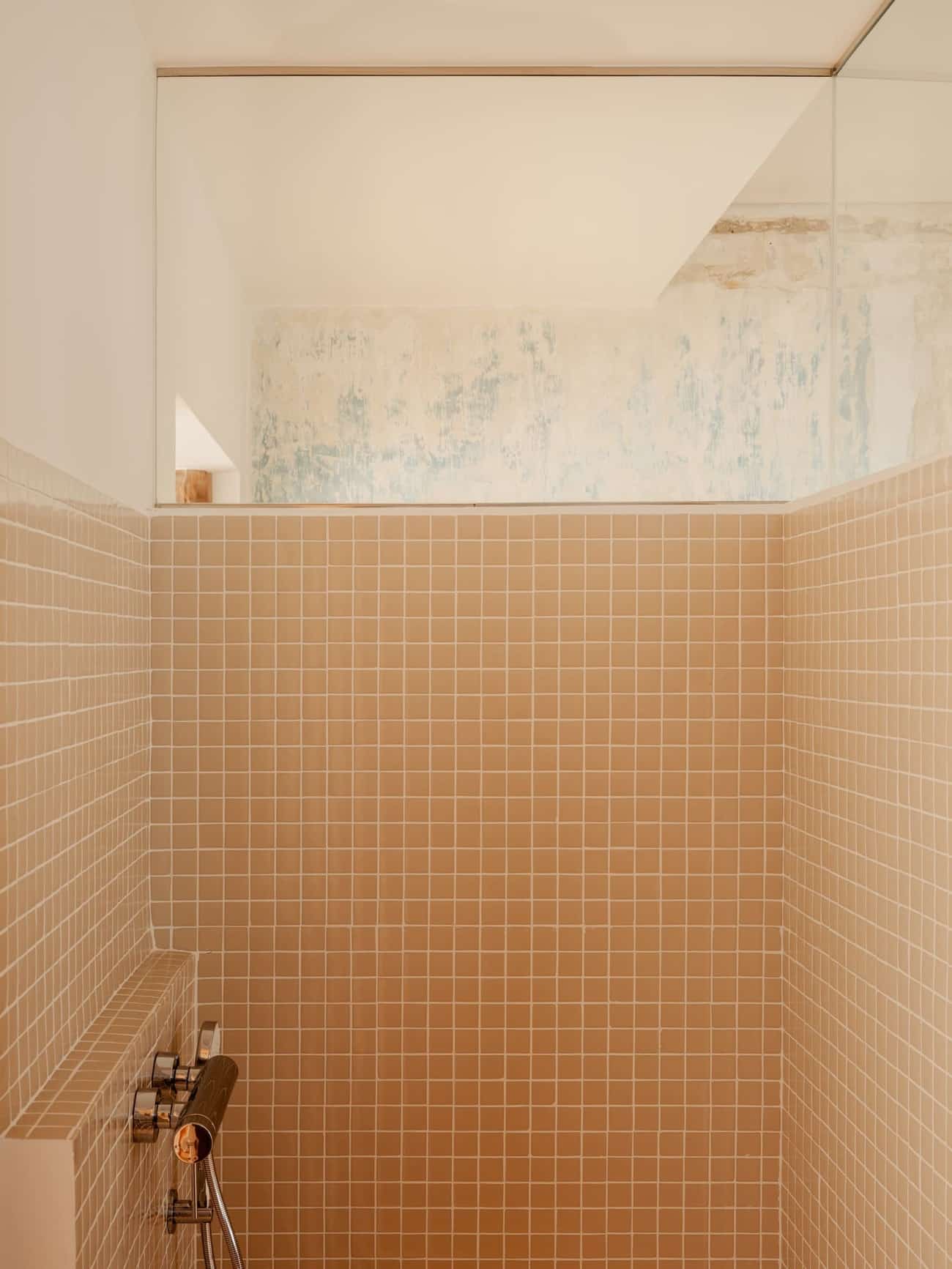
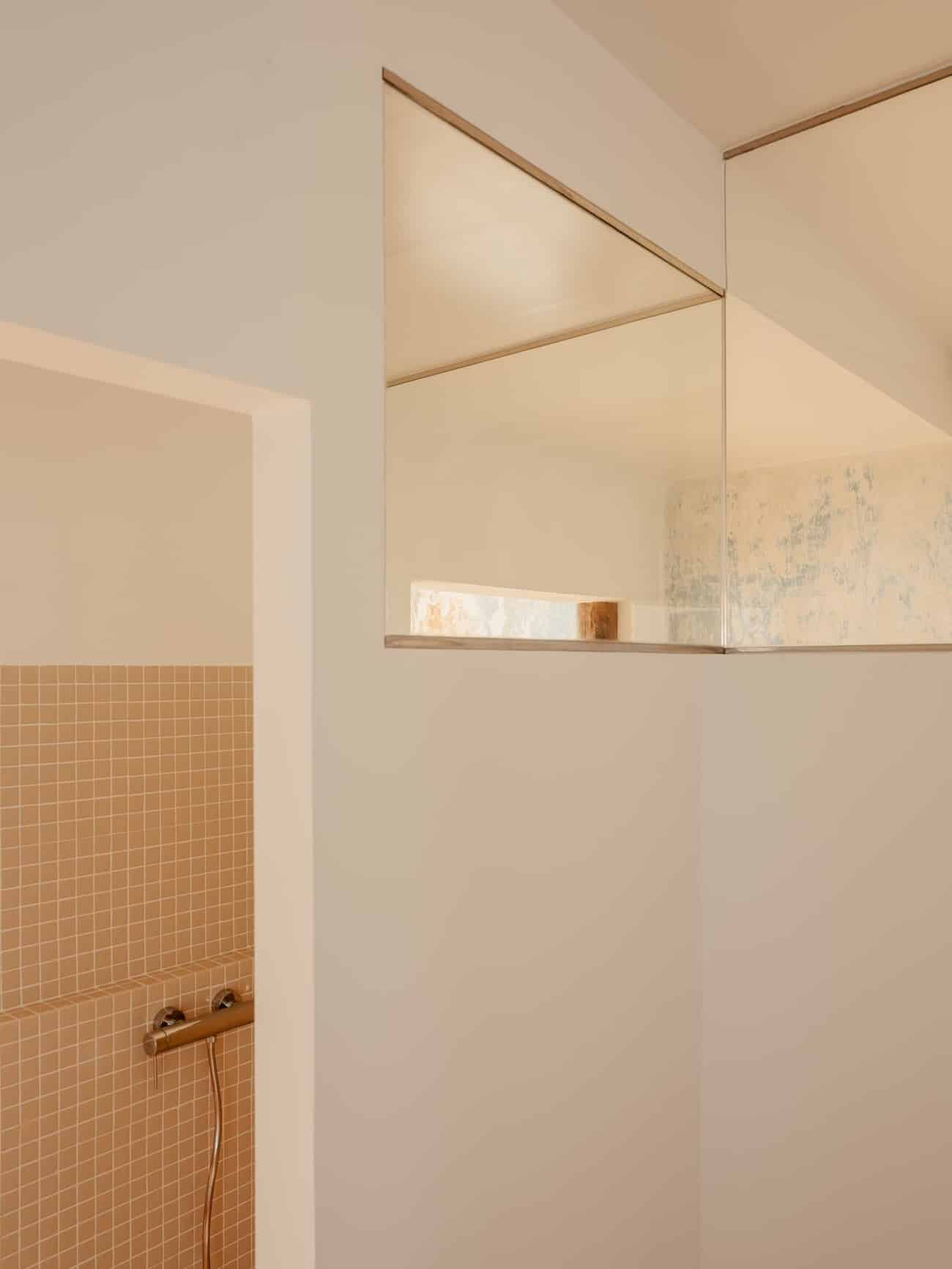
The materials chosen are typical of the location: original walls that have been restored, some treated by hand to remove layers of old paint, creating surfaces that function as abstract paintings and speak of the passage of time. The floors are made of laminated oak, which is very hard and has a natural finish. The kitchen and some details are finished in natural brass, a material that acquires a patina over time, adding wisdom to the space and multiplying the light.
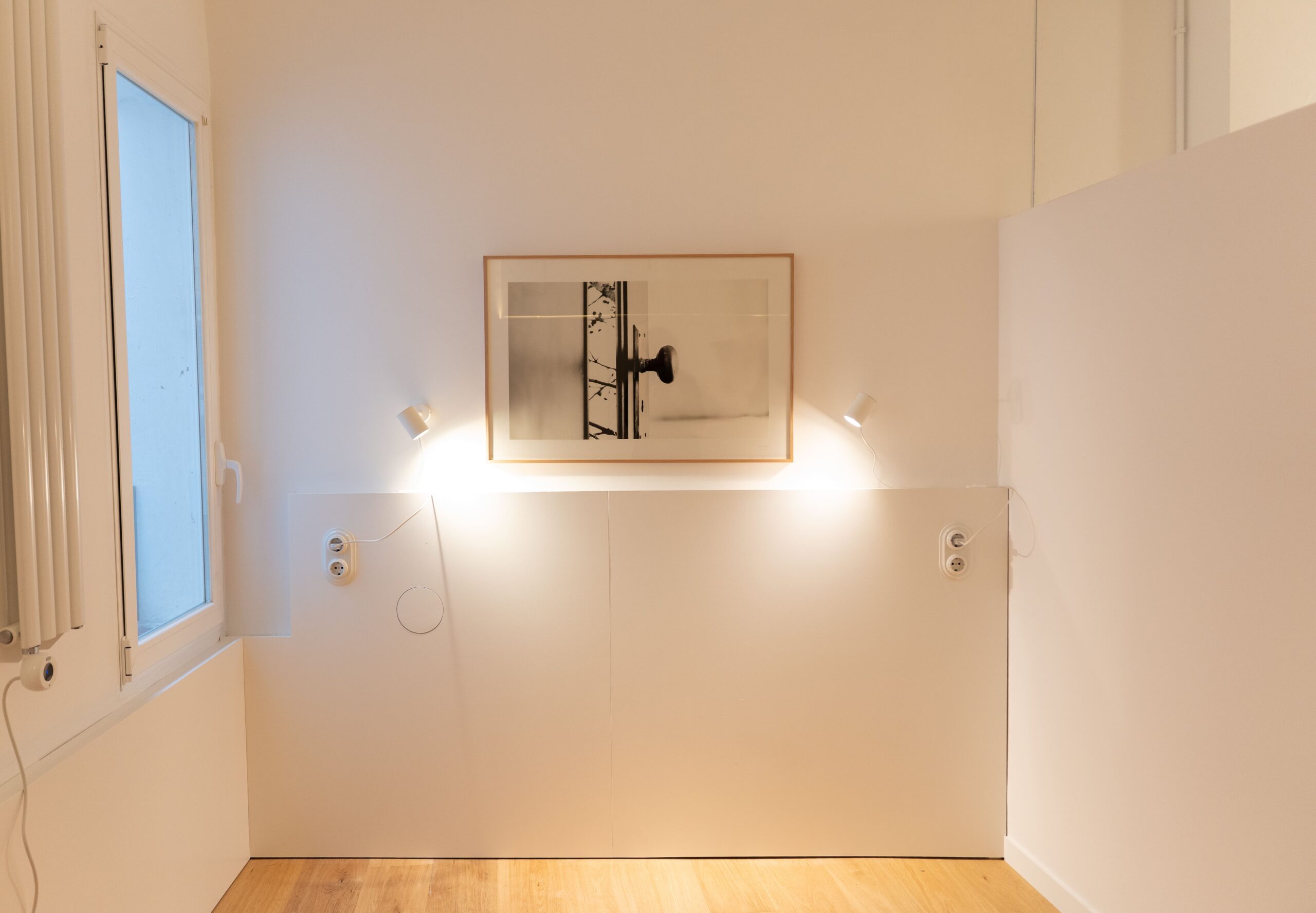
The ceilings, painted in glossy white, amplify the light and the feeling of space. The partitions are two meters high and continue with transparent glass. The lamps, from our own collection, are made of blown glass, with warm light, low consumption, and long life. The tall double doors stylize the spaces and reinforce the circular layout. The golden ratio guides both the details and the whole, creating harmony and calm. The ceramic mechanisms refer to the past, and each lamp has its own switch, encouraging a conscious ritual of light.
In relation to “invisible materials”—time, silence, proportion, light, and judgment—how have these concepts been integrated into the project? What elements would you highlight?
For us, light is one of the most important invisible materials: both daylight and nighttime light directly influence mood and quality of life.
The organization of space, circulation, the movement of air and light, as well as the choice of finishes, bring coherence and honesty.
Choosing glossy paint on ceilings and handcrafted blown glass light fixtures with individual switches, inspired by Castiglioni’s designs, helps to create different atmospheres and raise awareness of time.
The natural brass kitchen reflects, refracts, and ages with dignity. Tempera paintings from the 1900s in shades of blue, earth tones, and nude appear, reminiscent of ancient frescoes and reinforcing the memory of the place.
If you had to define this house in one sentence, what would it be?
Live slowly and enjoy.
What kind of relationship do you think it will establish with those who live in it?
Perhaps this house will help people understand that having what you need, less but very well chosen, is enough.
What makes this project dependent not on fashion, but on an idea of durability?
The choice of materials, their distribution, the organization of space, and the conscious use of light.
What does the incorporation of art and design bring to the real estate concept?
Art and design always add value. We firmly believe that they improve the way we live, invite us to ask questions, and generate balance and harmony.
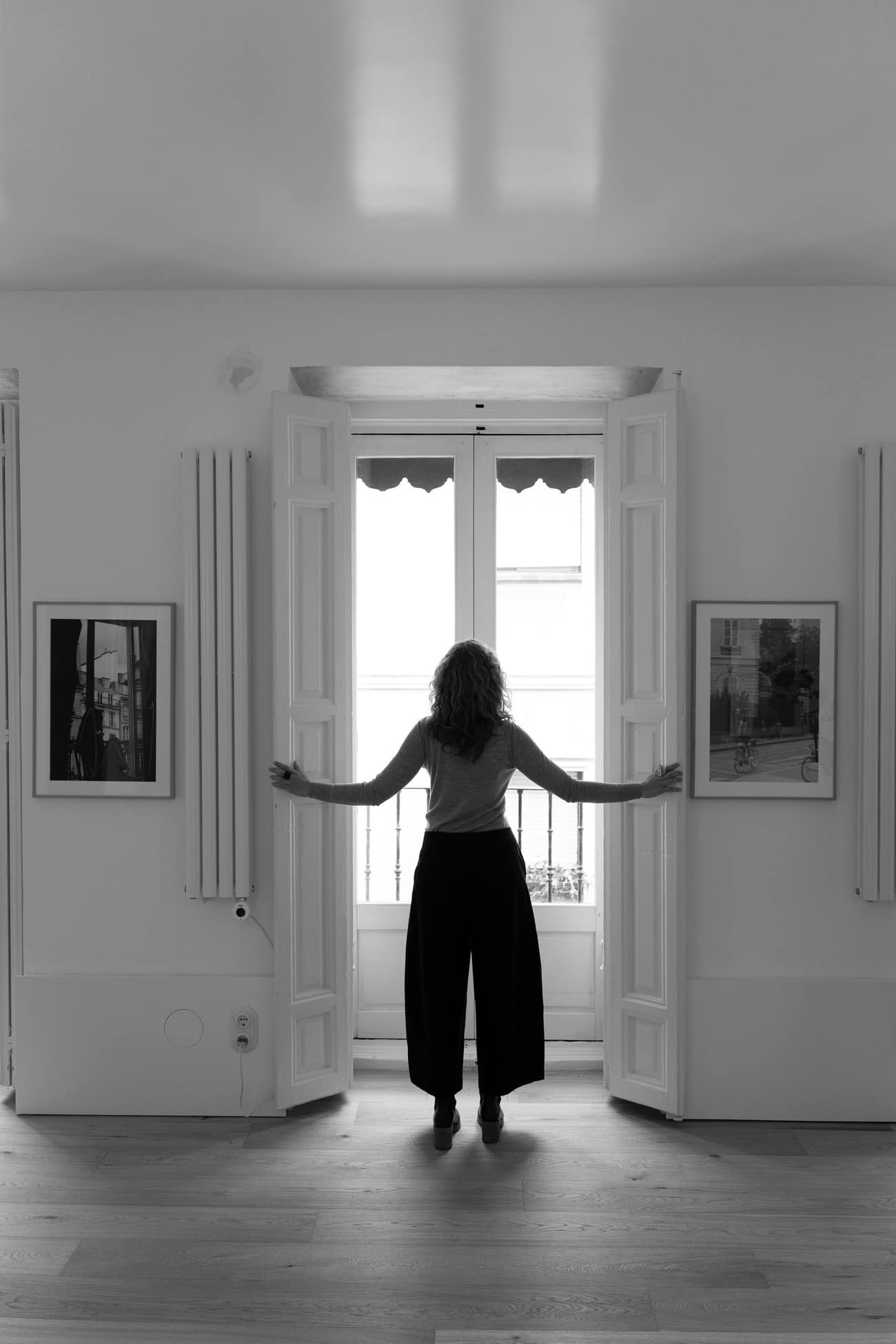
Photographs: The photographs featuring artwork are by photographer Antonio Bellido, while the images of the space were taken by photographer Pablo Gómez Ogando.