Madrid Design Festival 2026: redesigning the world from what we use, inherit and share
The festival's three major exhibitions articulate a common narrative between object ethics, territorial memory and cultural transmission within the framework of the ninth edition of Madrid Design Festival, which takes place from February 6 to March 8, 2026.
Madrid once again positions itself at the heart of the international design scene with the ninth edition of the Madrid Design Festival, taking place from February 6 to March 8, 2026. Under the theme “Redesigning the World,” the festival proposes an ambitious and cross-cutting perspective on design as a cultural, social, and political tool, capable of influencing contemporary lifestyles and addressing the major challenges of our time.
Far from understanding design as an isolated or purely formal discipline, MDF26 presents it as a language that permeates the everyday, the productive, and the symbolic. Responsibility, transcendence, impact, and transmission are the four dimensions that structure its program and allow us to understand design as a system of relationships: between people and objects, between territory and matter, between past, present, and future.
This conceptual framework is particularly evident in the festival’s three major exhibitions, presented at the Fernán Gómez Theatre, Cultural Center of the City. Three very different proposals—a major retrospective, a group exhibition, and an international exhibition—which nevertheless engage in dialogue with one another and construct a single narrative: how design can help us live better, care for what we inherit, and imagine more conscious, humane, and sustainable futures.
André Ricard. Design in Use: The Ethics of the Everyday
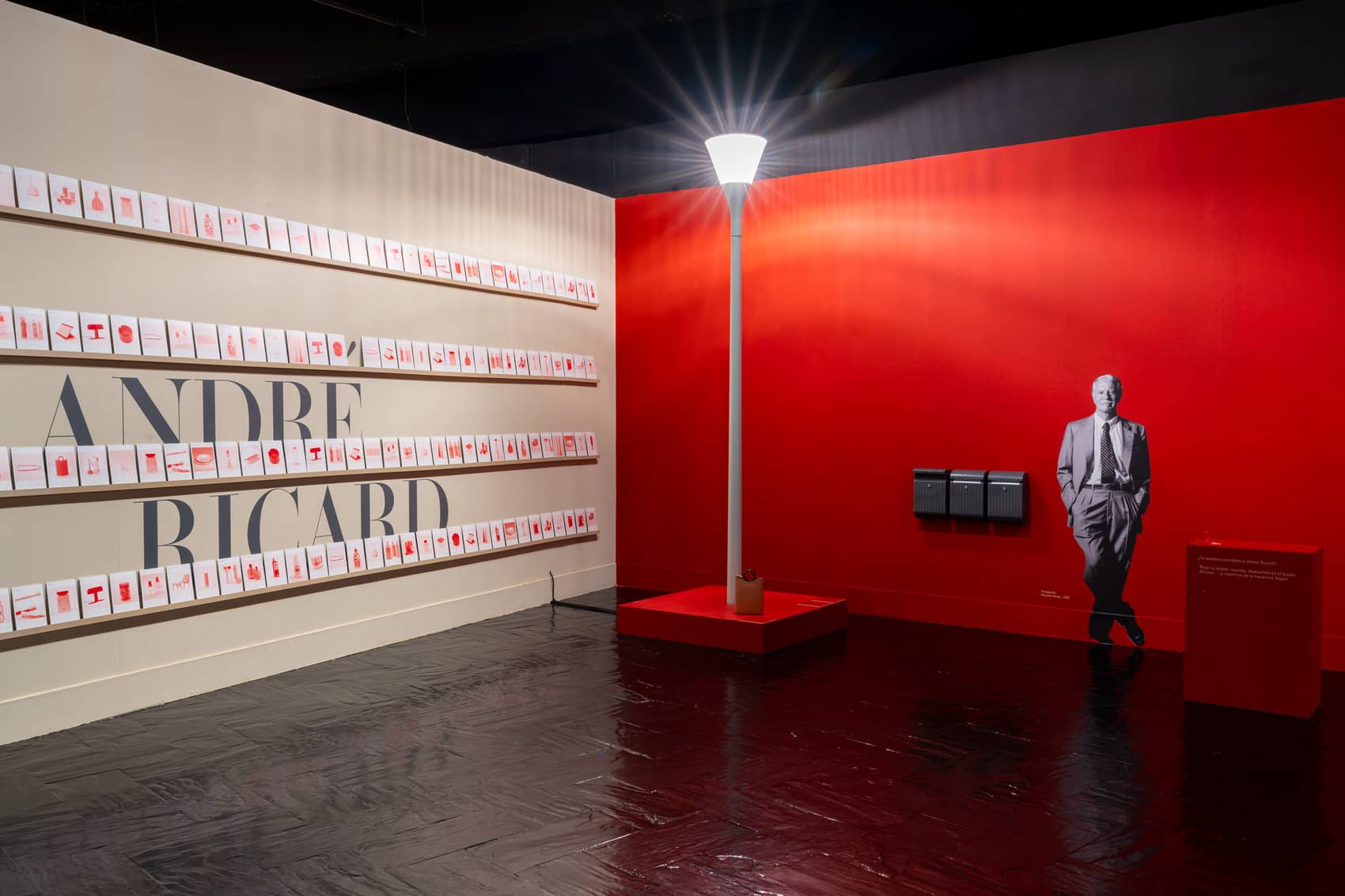
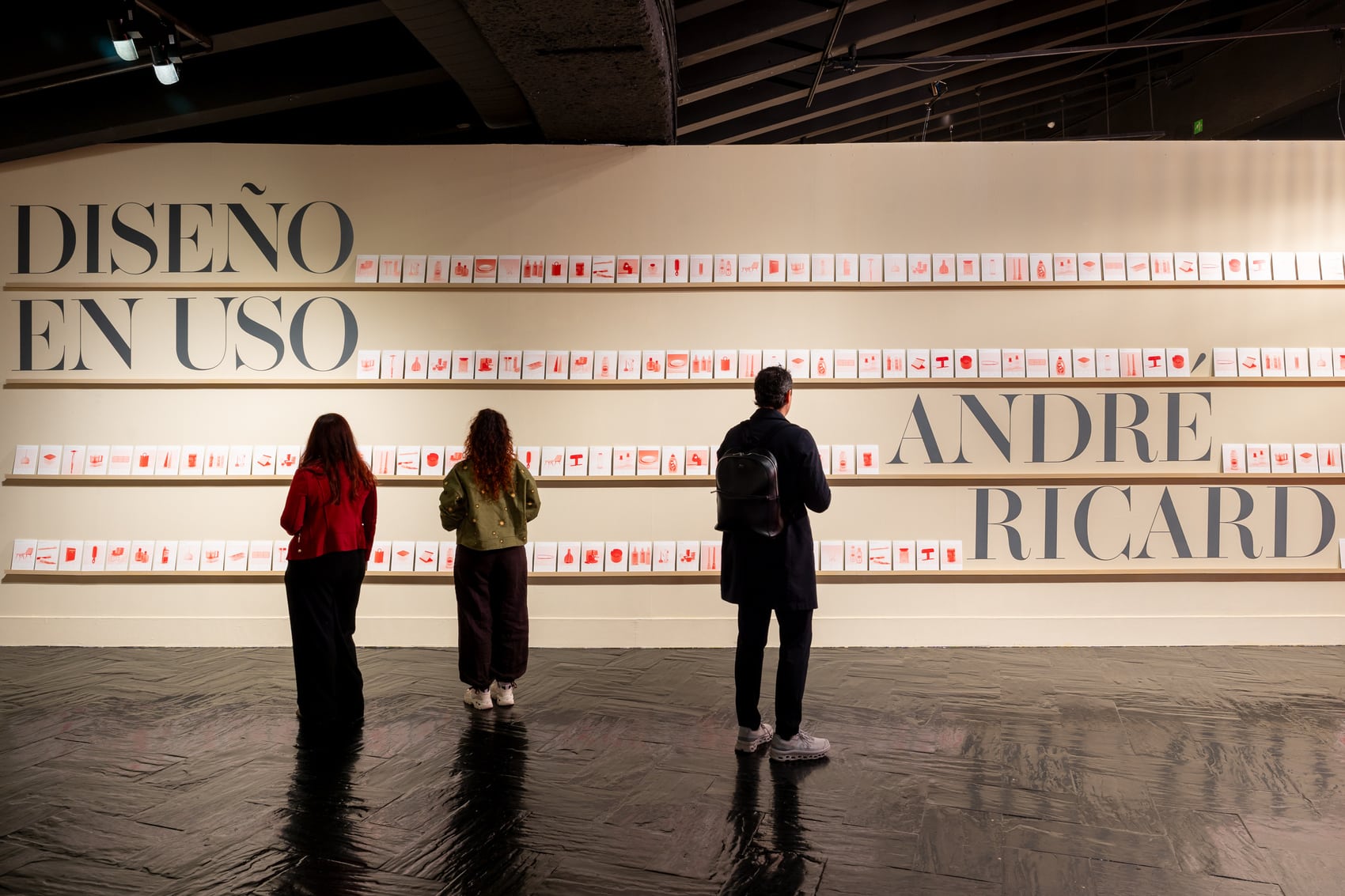
The major retrospective dedicated to André Ricard spans more than six decades of work by a key figure in the history of industrial design in Spain. Considered the father of industrial design in the country, Ricard championed throughout his career a radically relevant idea: objects must respond to real needs, integrate naturally into daily life, and endure over time without losing their meaning.
The exhibition departs from a chronological format, instead organizing itself around the spaces where objects come to life—the kitchen, the bathroom, the table, the workplace, or memory—highlighting their functionality, accessibility, and enduring relevance. Iconic pieces such as the Tatu lamp, the Tong tweezers, and the Barcelona ’92 Olympic torch are displayed alongside sketches, prototypes, and documents that reveal a rigorous, pedagogical, and deeply committed approach.
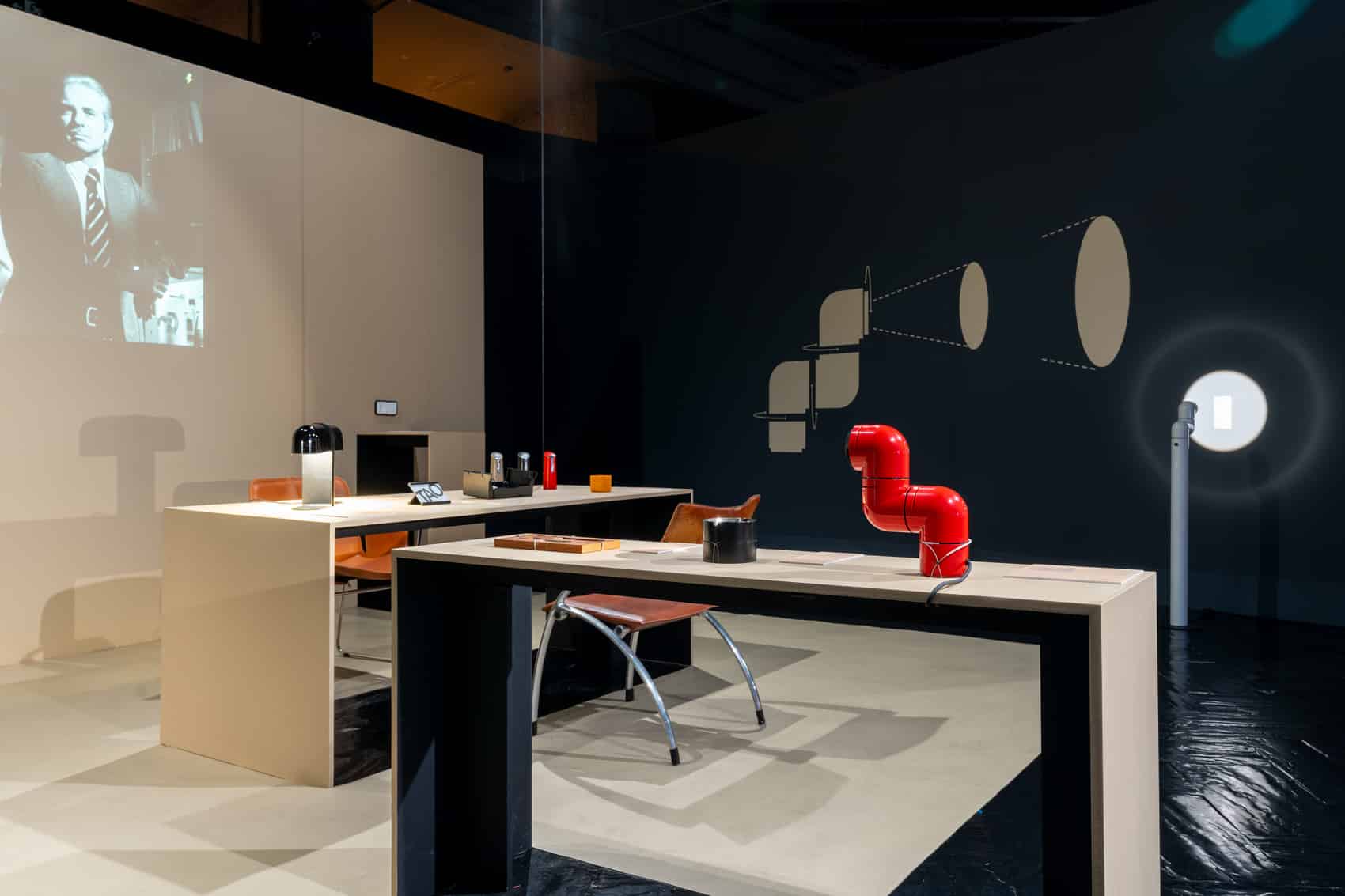
In the context of MDF26, Ricard’s work clearly embodies the dimensions of responsibility and transcendence. His legacy is not limited to form, but rather proposes an ethic of use that understands design as a service to society, a tool for improving daily life, and a practice that only has meaning if it is intended to endure.
Mediterranean Manifesto: craftsmanship, landscape, and cultural resistance
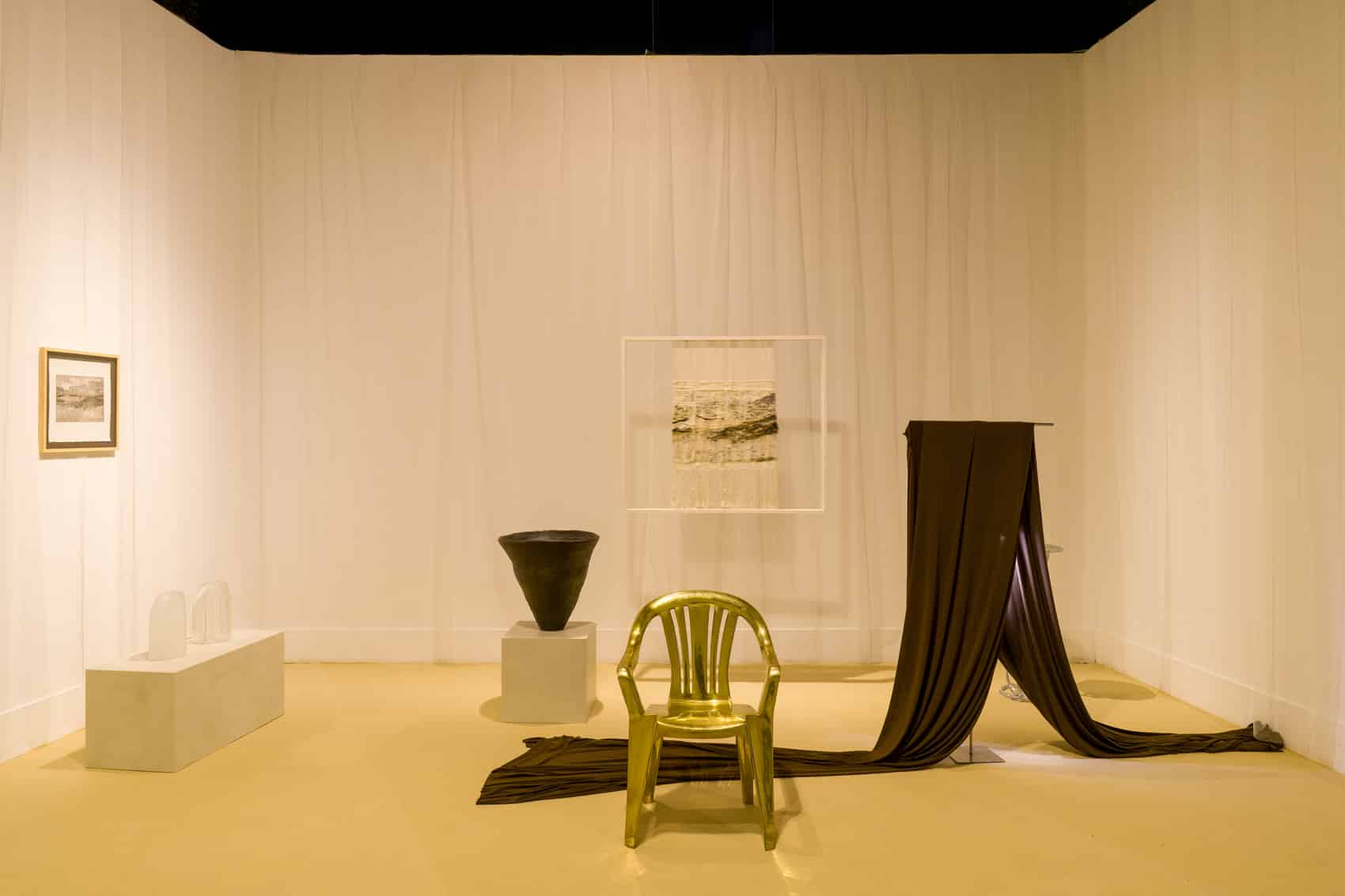
Curated by Mariona Rubio, Mediterranean Manifesto brings together more than thirty contemporary artists, designers, and artisans who revisit the Mediterranean’s cultural, material, and environmental legacy from a modern perspective. The exhibition offers a sensory journey through ceramics, glass, basketry, woodworking, textiles, and new materials that engage with contemporary research and self-published design.
The Mediterranean appears here as a cradle of knowledge and cultural diversity, but also as a fragile territory subjected to the pressures of exploitation, pollution, and mass tourism. Against this backdrop, the exhibition champions craftsmanship as a living practice and design as a form of cultural resistance against acceleration, standardization, and endless production.
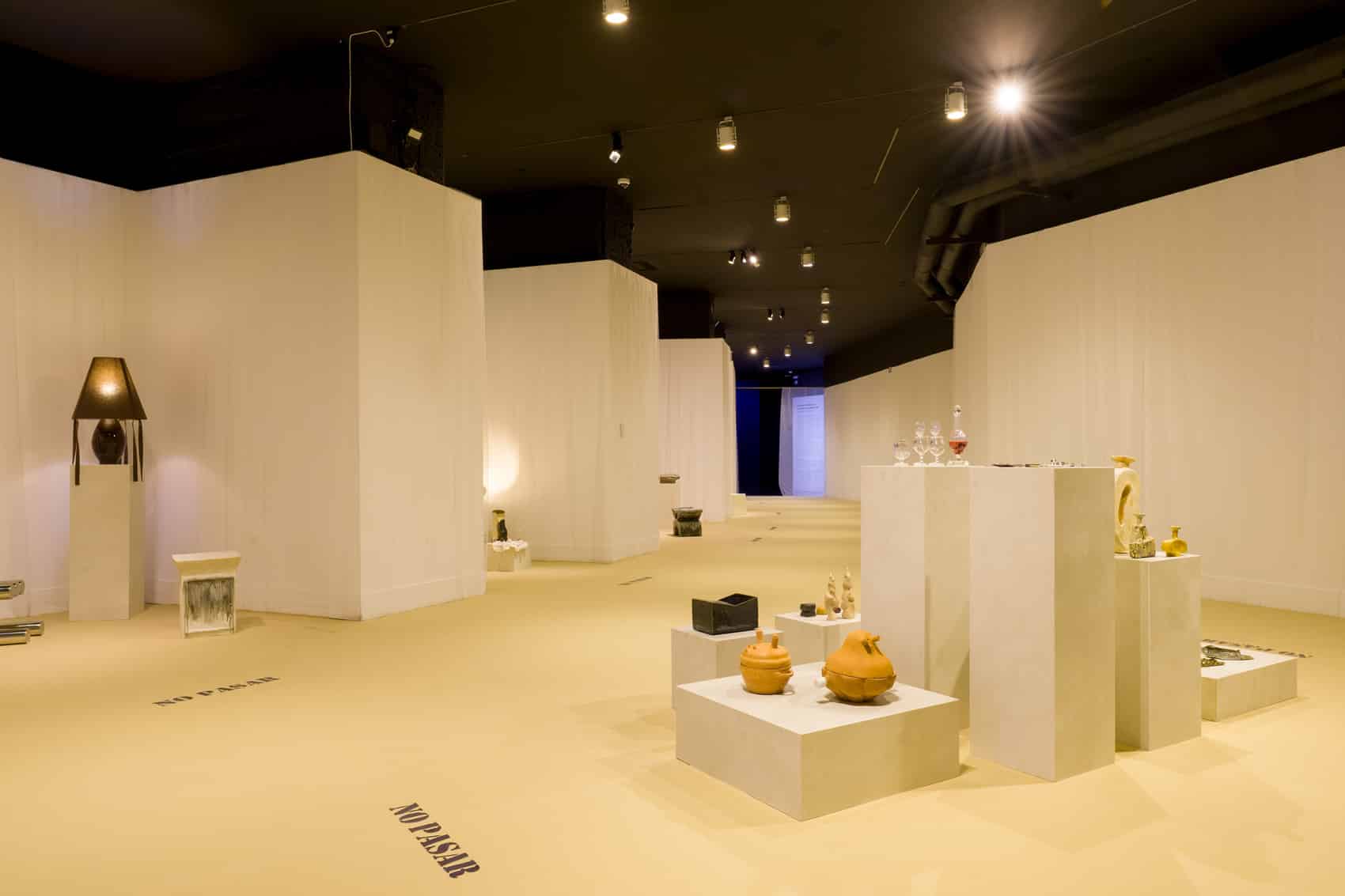
The exhibited pieces don’t look back nostalgically, but rather draw on craft, landscape, and memory to project more conscious and sustainable ways of life. In keeping with the festival’s focus on impact and transcendence, the Mediterranean Manifesto presents design as an ethical stance: a way of relating to materials and the environment based on respect, moderation, and attention to time.
Guatemala, guest country: textile design as memory and transmission
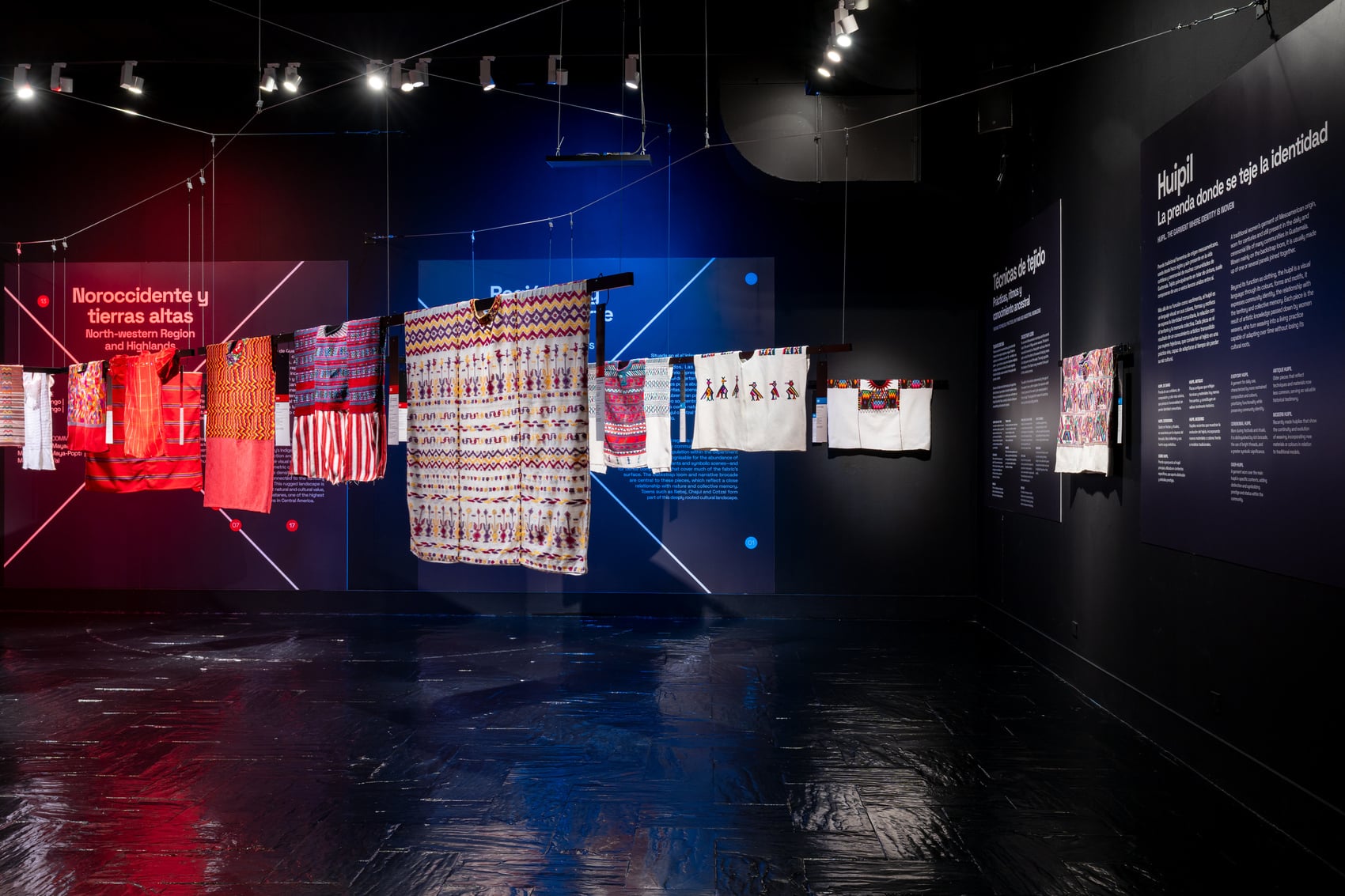
Guatemala’s participation as guest country adds a fundamental cultural and symbolic dimension to the MDF26 narrative. Its immersive exhibition dedicated to traditional Guatemalan textile art transforms the exhibition space into a landscape of suspended textiles, audiovisual projections, and sound pieces that immerse visitors in the country’s rich color palette and sensory experience.
Huipiles from different regions showcase the extraordinary technical, aesthetic, and symbolic diversity of Mayan textiles. Techniques such as backstrap weaving, brocade, jasper, and embroidery are revealed as authentic design systems, where each piece serves as a vessel for collective memory, identity, and worldview.
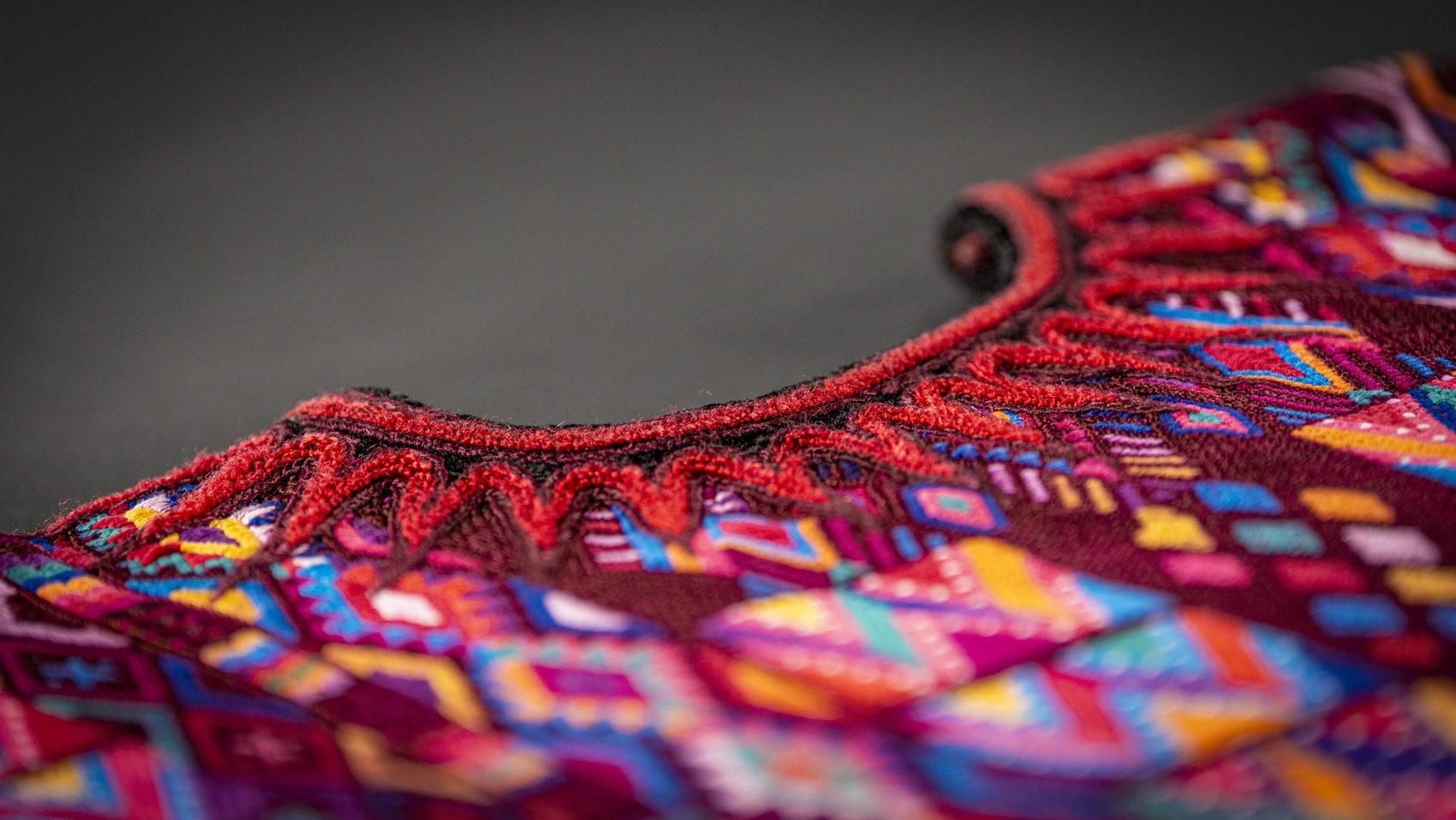
Far from a folkloric interpretation, the proposal positions textiles as a sophisticated language of contemporary design and as a living heritage passed down from generation to generation. This exhibition exemplifies the transmission dimension that underpins the festival: the value of shared knowledge, the role of communities, and design’s capacity to strengthen cultural, social, and human bonds in an increasingly homogenized world.
The three exhibitions construct a coherent and necessary narrative: redesigning the world involves rethinking the objects we use, the territories we inhabit, and the memories we inherit. From the intimate scale of the everyday object to the collective dimension of culture and territory, Madrid Design Festival 2026 demonstrates that design not only shapes things, but also the way we live and project ourselves into the future.