A meeting with architects María José Aranguren and José Glez. Gallegos, who understand the practice of their profession as a balance between designing, building, and teaching.
Interview with Fran Silvestre
Architect Fran Silvestre visits The Sibarist and speaks to us about his influences, his interest in education, and his conviction that architecture, beyond functionality, should aspire to beauty.
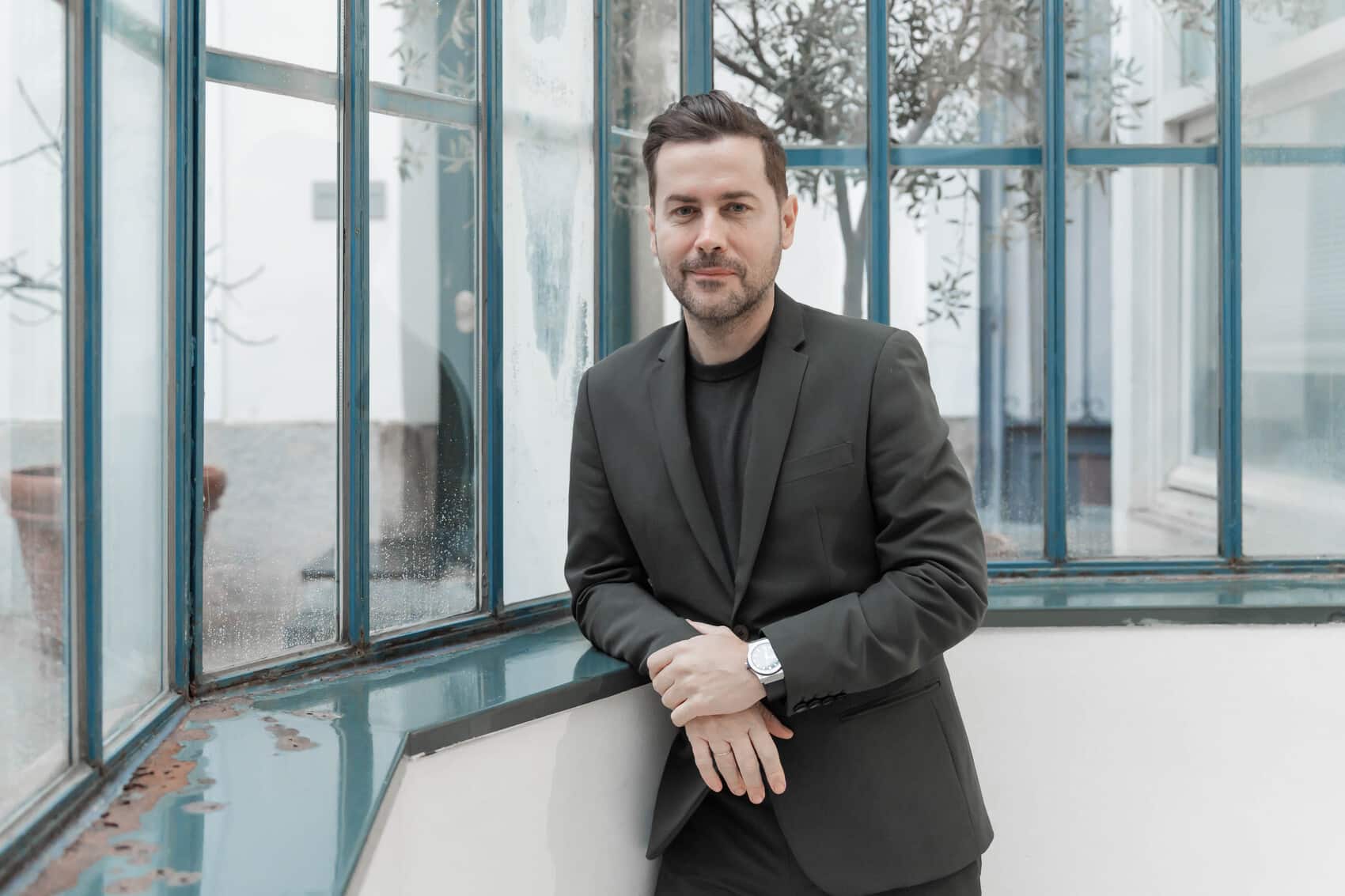
Fran Silvestre en El Invernadero
Technical precision and aesthetic emotion characterize the work of Fran Silvestre (Valencia, 1976), with whom we spoke at El Invernadero. The unmistakable quality of his work, stripped of all ornament, has become an international benchmark for its tireless pursuit of what he calls Efficient Beauty and for a career based on research, construction, and teaching. In 2005, he founded Fran Silvestre Arquitectos, a studio based in the former workshop of sculptor Andreu Alfaro – a 7,000 sqm enclave transformed into an oasis of creativity – where a multidisciplinary team of more than fifty professionals develops residential, cultural, corporate, and public projects around the world. He has projects in: China, the United States, Brazil, Thailand, Egypt, Croatia, Italy, Australia, and Spain. He was deputy director of the Higher Technical School of Architecture of Valencia in 2011, where years earlier he had graduated with top honors, the same distinction he obtained when he qualified as an urban planner at TU/e in the Netherlands. In 2018, he was awarded the Victor L. Regnier Chair at KSU, in the United States.
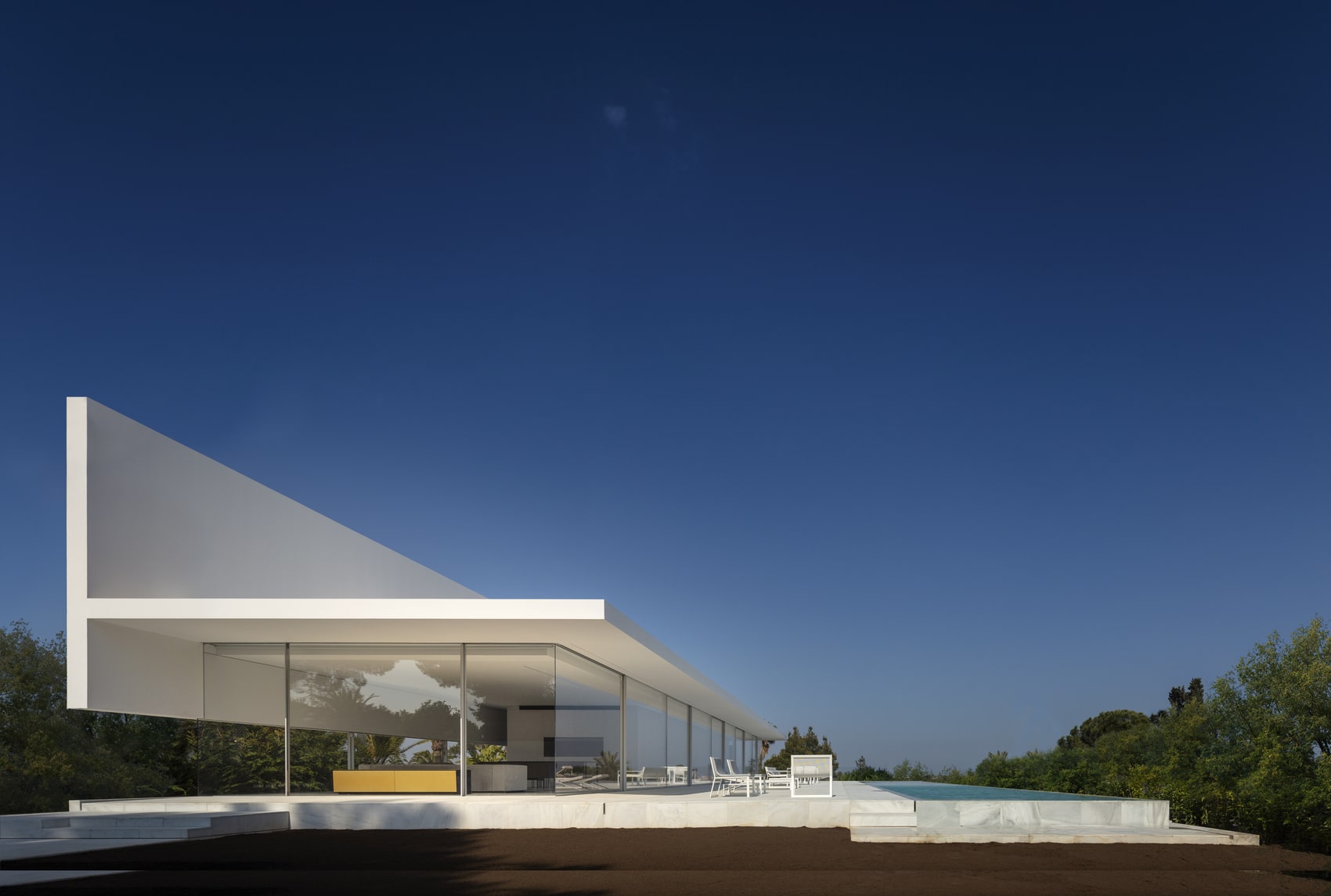
Fran Silvestre Arquitectos. Hofmann House.
His architecture, deeply influenced by masters such as Álvaro Siza, with whom he trained for a period, and by Alfaro’s sculptural vision, aspires to transform the everyday through an abstraction that does not renounce the human factor. Silvestre combines his design work with teaching, a fundamental pillar in his way of understanding the discipline. A PhD in Architecture with several academic distinctions, he also directs the MArch Valencia Graduate School, where he teaches an approach based on professional practice, critical thinking, and collaboration between students, researchers, and companies. His work has been recognized with national and international awards – such as the Red Dot Design Award, the German Design Awards, and the IF Design Award – and has been exhibited at venues such as the MoMA in New York and the Serralves Museum in Porto, and published by internationally renowned publishers such as Phaidon, Taschen, GG, and Thames & Hudson.
Speaking with Fran Silvestre means entering into an architecture that moves between technique and poetry, that understands each project as an opportunity to improve its surroundings, and that asserts the importance of detail, innovation, and dialogue with those who inhabit the spaces. A practice that, from Valencia to the world, continues to expand the limits of what is possible with the serenity of someone who works to ensure that beauty is also efficient.
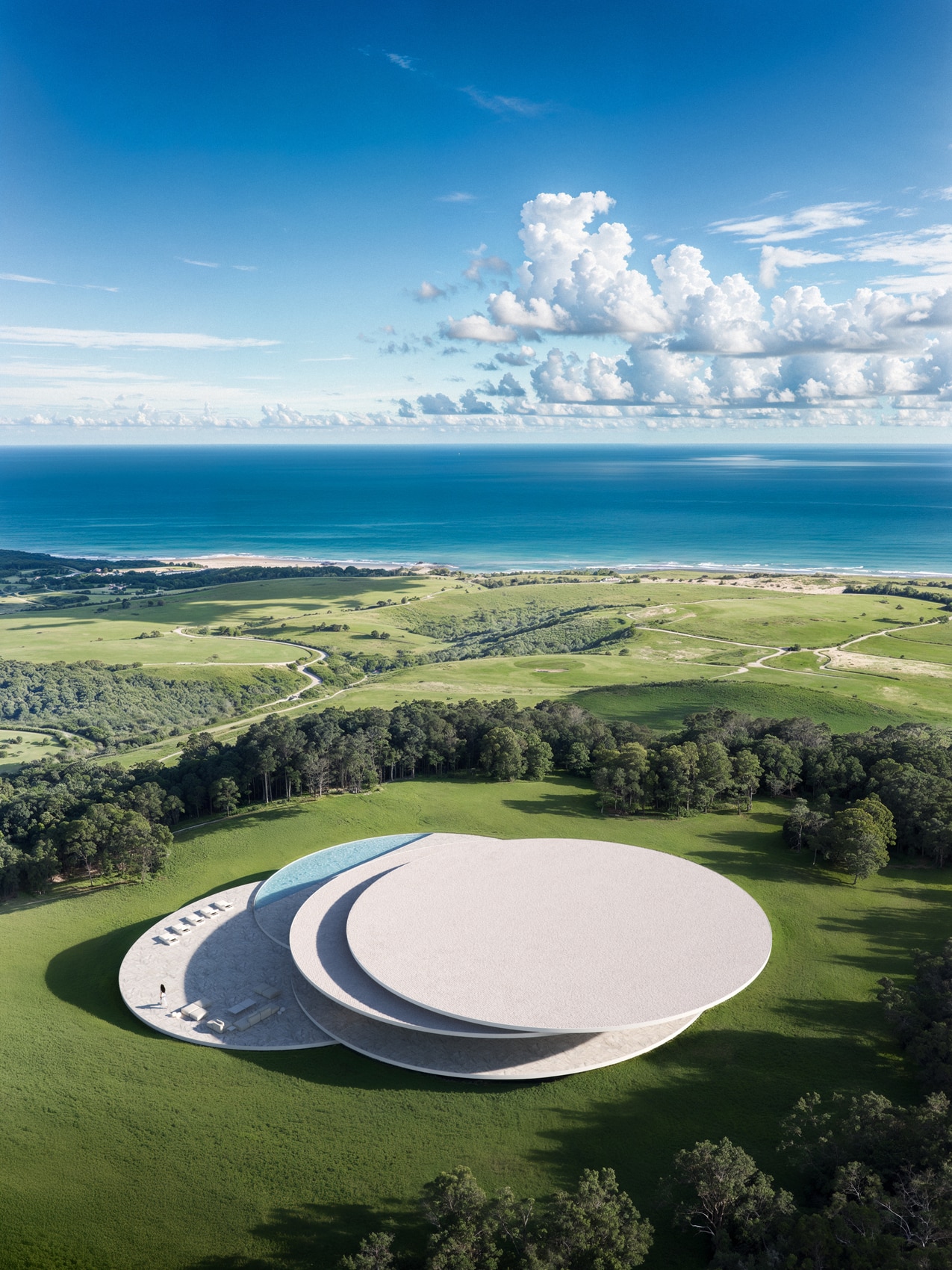
Fran Silvestre Arquitectos. House in Melbourne, Australia
Do you consider that your architecture and design studio is in search of Efficient Beauty, with capital letters? What does this mean?
On the one hand, we speak of beauty because it is something that motivates us, a desire that drives us, and on the other hand, efficiency, because in the end we have to make things work properly.
We understand this concept of Efficient Beauty as the idea generated by a project or object when it fulfills its purpose. For something to be beautiful, it has to work, and part of its beauty is implicit in its functionality.
Since the foundation of your studio, two decades have now passed. Have you assessed your trajectory? What conclusions do you draw from this retrospective view?
It has been a continuous process of learning. We like to think that we are still a young studio, constantly evolving. Over time, certain values have become more firmly established — precision, continuity, dialogue with the place — but the enthusiasm for each project remains the same. More than definitive conclusions, we would say that our trajectory has taught us to trust in the method, in the team, and in the ability of each project to drive us forward.
default
What is it like to work in what used to be sculptor Andreu Alfaro’s former studio?
Espai Alfaro is a very special place. It is a space filled with memory, surrounded by sculptures that speak of geometry, light, and synthesis. Working there means working in an inspiring environment. This daily exposure to such a creative atmosphere, together with the use of the workshop spaces to develop models and full-scale prototypes, reinforces our approach to simplification. It is a privilege for that legacy to be part of our everyday life.
What are the fundamental pillars that support the studio?
I would say that the pillars of the studio rest on five ideas.
Continuity, both with the surroundings and over time, seeking an architecture capable of enduring.
Precision, from the first model to the final construction detail.
Innovation, understood as a tradition that is renewed through new materials and technologies.
Dialogue, because each project is a conversation with those who inhabit it and with the place where it is inserted.
And, above all, the team, a network of professionals who share the pleasure of their work and who make each project possible.
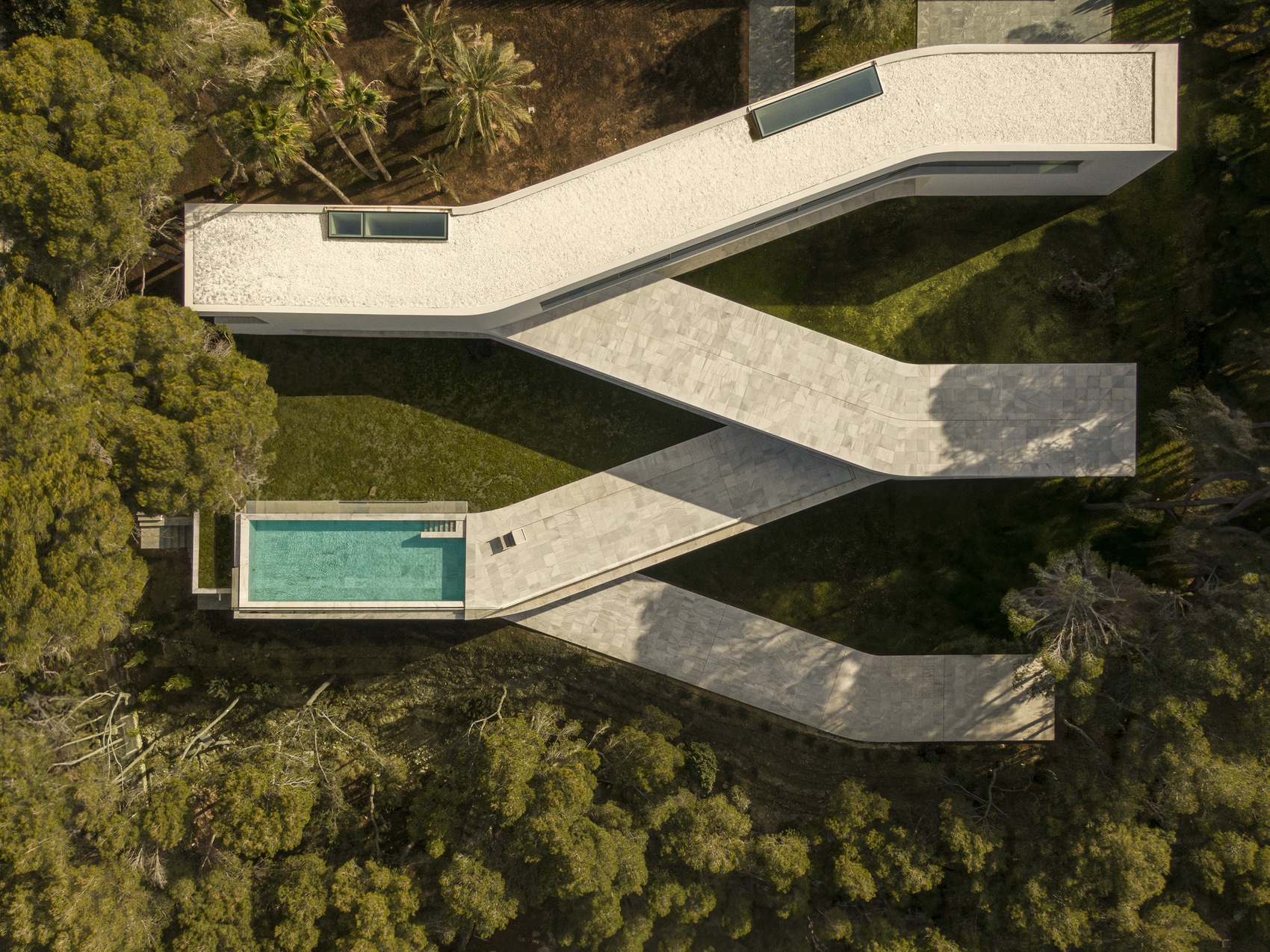
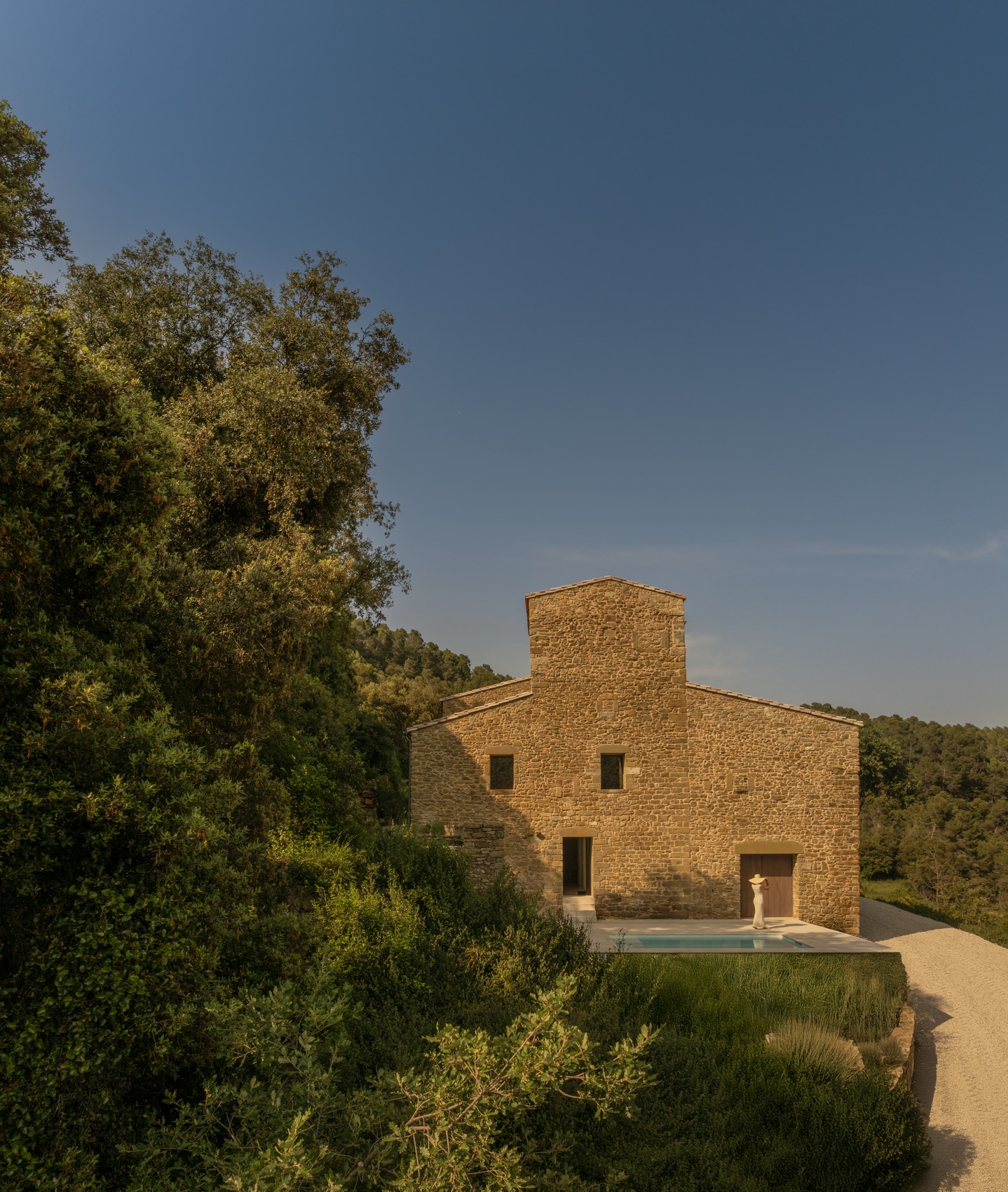
Fran Silvestre Arquitectos, Sabater House.
You are the director of the MArch Valencia Graduate School. How do you approach teaching, and what personal meaning does it have for you?
I started teaching at the same time I started the studio. When you teach, your mind is always open. I am not a genius like Álvaro Siza, so I need a great team to work with. Teaching forces you to stay curious, to keep yourself up to date, to question yourself continuously. It also has a very special personal value: thanks to teaching, I have had the opportunity to meet many of the professionals who are now part of the team. It is a continuous exchange, where one teaches, but above all learns.
You promoted the first neuroarchitecture study applied to a high-end home in a villa in Sotogrande (Cádiz). Are you particularly involved in combining architecture and science? Why?
We have always understood architecture as a discipline that combines technical knowledge and sensitivity. Neuroarchitecture allows us to delve deeper into that relationship, because it provides scientific data on how spaces influence our well-being. Many decisions that were traditionally made intuitively — light, proportions, the relationship with the exterior — can now be measured and optimized.
Collaborating with scientific teams allows us to move in that direction and design projects that are not only precise and beautiful, but also healthy. Ultimately, it is a way of making architecture more effective, of adapting it more closely to people’s lives.
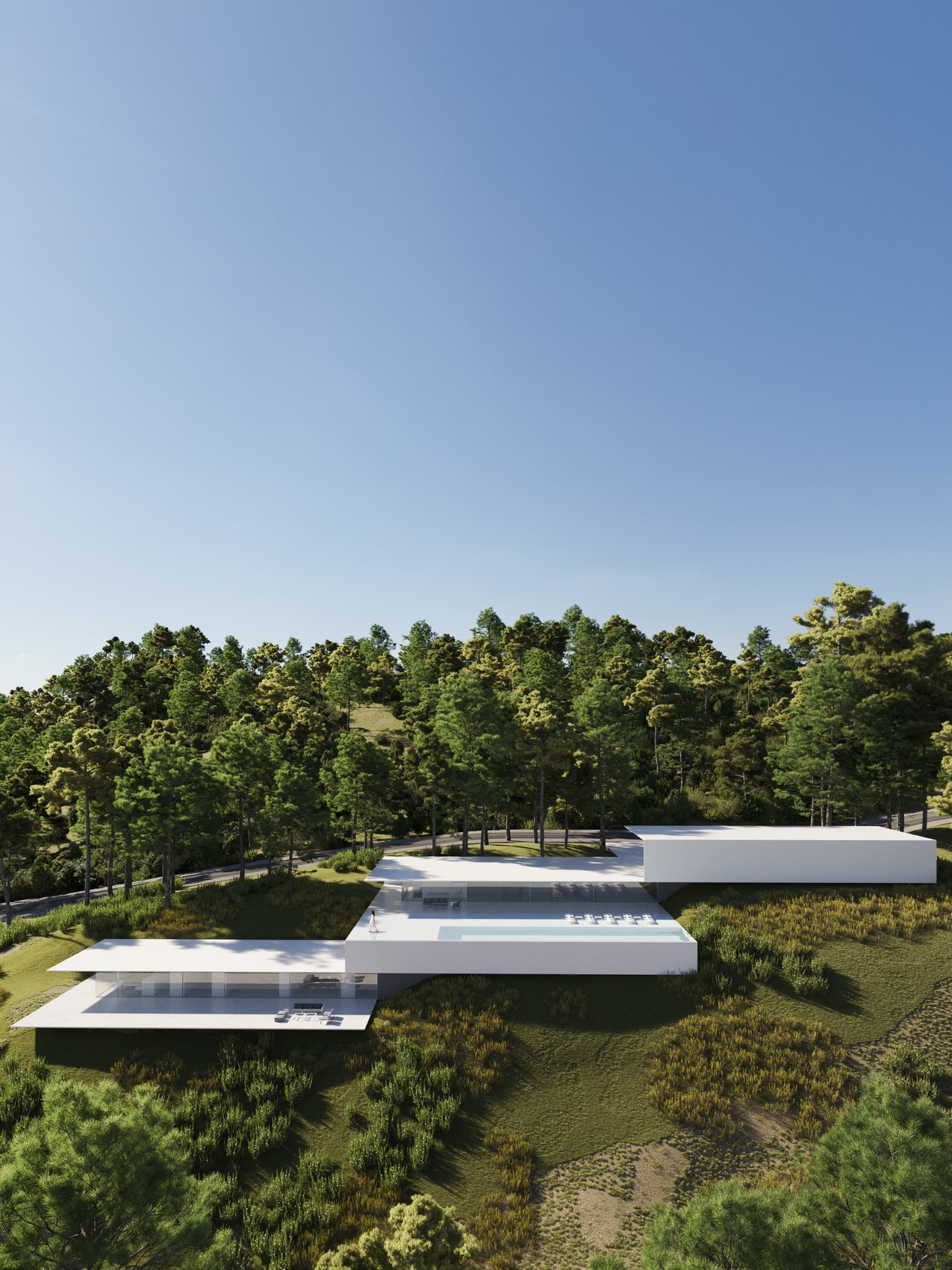
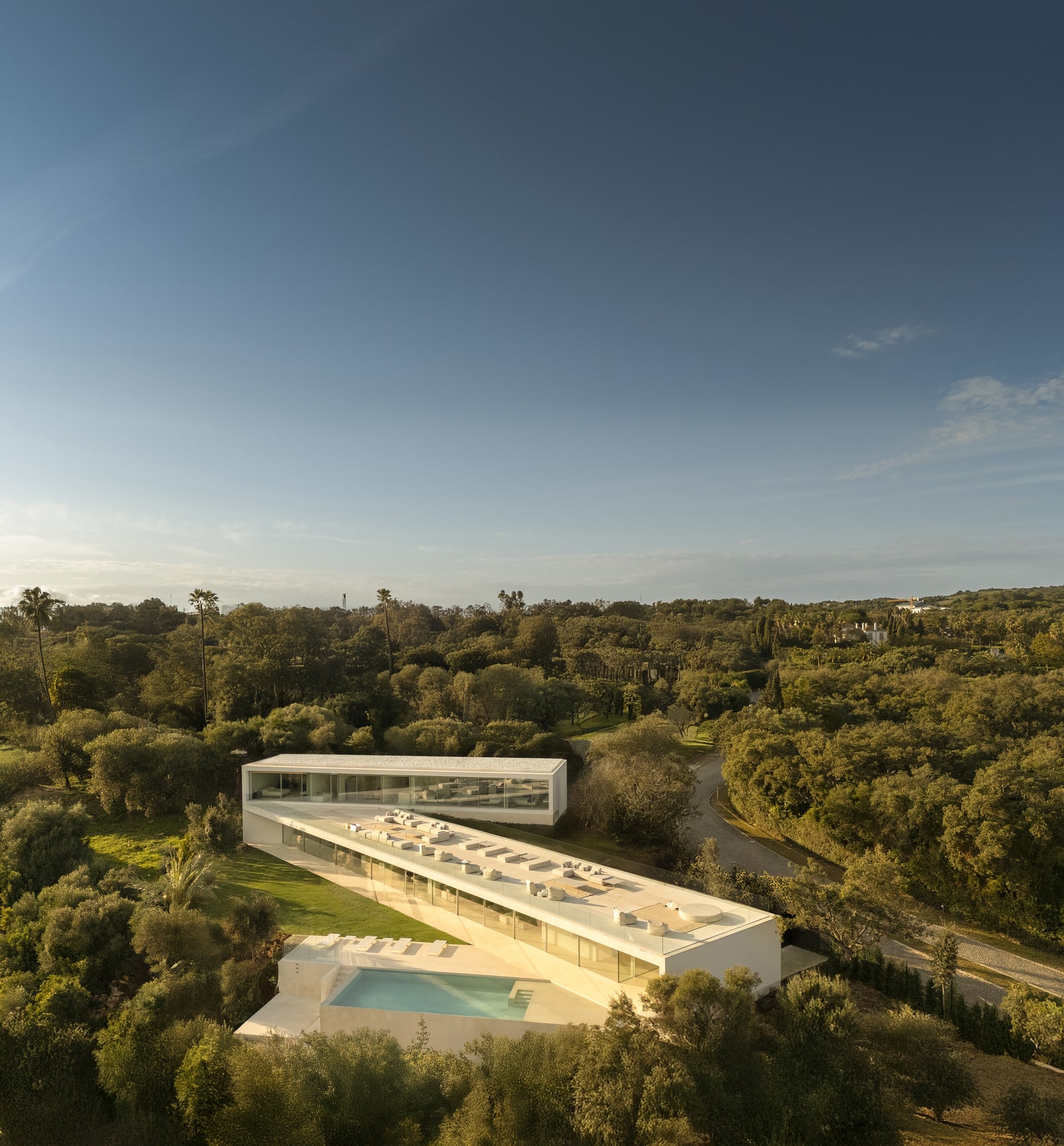
Fran Silvestre Arquitectos, The Roca Views.
Do you believe in architecture as a source of physical and emotional well-being?
Without a doubt. Architecture is the setting of everyday life and, therefore, directly influences our physical and emotional well-being. Light, proportions, ventilation, silence, the relationship with the landscape… all of these elements shape how we feel in a space. When architecture works, when it responds to the place and to those who inhabit it, it is capable of improving daily life and providing a sense of calm and comfort that goes beyond the material.
How do these scientific studies influence the design of a house?
These scientific studies allow us to refine decisions that were once made mainly through intuition. Analyzing how light, colors, proportions, or circulation affect well-being gives us objective tools to improve design. They do not replace creativity, but accompany it. They help us better understand how a space is lived in and to design homes that are healthier and, ultimately, more effective.
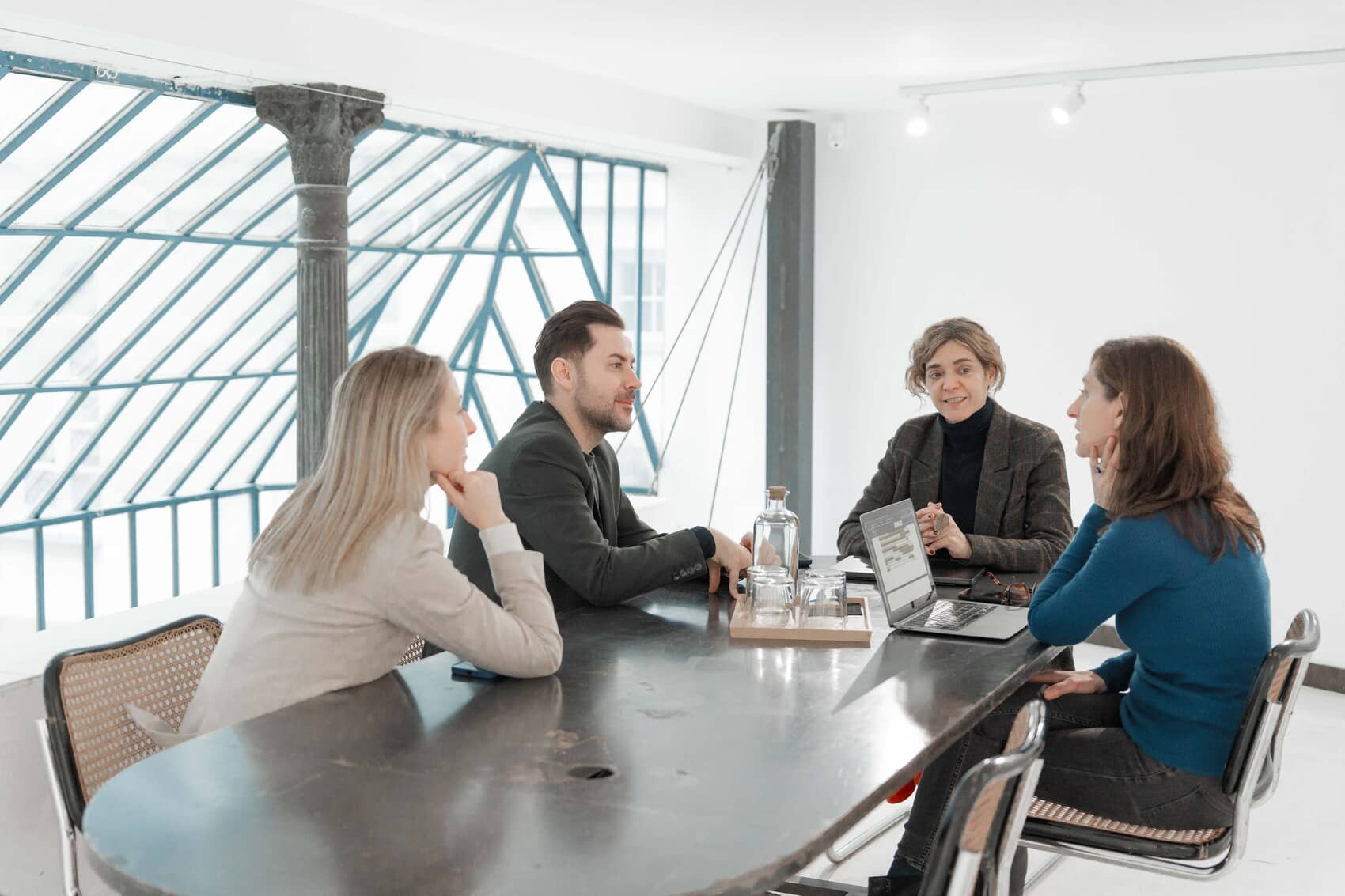
Fran Silvestre en un momento de la entrevista junto a Silvia Hengstenberg y Bea Fabián
Who do you consider to be masters in the profession? What influence have they had, or do they continue to have, on your projects?
I have been fortunate to learn from masters who have profoundly shaped the way I understand architecture. Working with Álvaro Siza was decisive: his precision, his sensitivity, and his way of relating to place are a constant reference. The work of sculptor Andreu Alfaro has also been fundamental, as his ability to geometrize reality and synthesize forms has influenced our early project phases. All of them have helped to build the perspective from which we work today.
I also find the body of work, as well as the trajectory, of Emilio Tuñón, Manuel Aires Mateus, and RCR Arquitectes truly impressive… I believe that, as we have discussed in the case of Andreu Alfaro, Tuñón has also developed a great capacity for synthesis and abstraction that can be perceived in his work, in his architecture, and for us, honestly, he is a major reference.
Last year I had the good fortune to meet Steven Holl, and this year I will meet Kengo Kuma. It is a real privilege to have these references who become friends.
default
default
What are you working on at the moment?
At the moment, we are working on several large-scale projects, both nationally and internationally, and we are already present on all five continents. For us, all of these projects are unique. All those related to a new approach to sustainability are especially motivating for us.
However, the most important project is our own studio, the team and the people who are part of it. At the moment, we are renovating the facilities, and it is a very exciting time for all of us.
Any dream yet to fulfill?
My greatest professional dream is not so much tied to a specific project, but rather to the studio itself. For us, the true project is the team: how we work, how we organize ourselves, and how we build together a way of making architecture. Even the space in which we work is part of that idea.
That said, there is one project that excites me especially and that could be considered a dream. We are developing the possibility of creating a large garden next to the studio, a space where we can integrate and display Alfaro’s sculptures in a natural and carefully designed setting. The idea is for it to be something like an open-air museum or house museum, where art, landscape, and architecture coexist.
It is a project that we are still trying to bring to life, but it undoubtedly represents one of those dreams we would like to make come true.
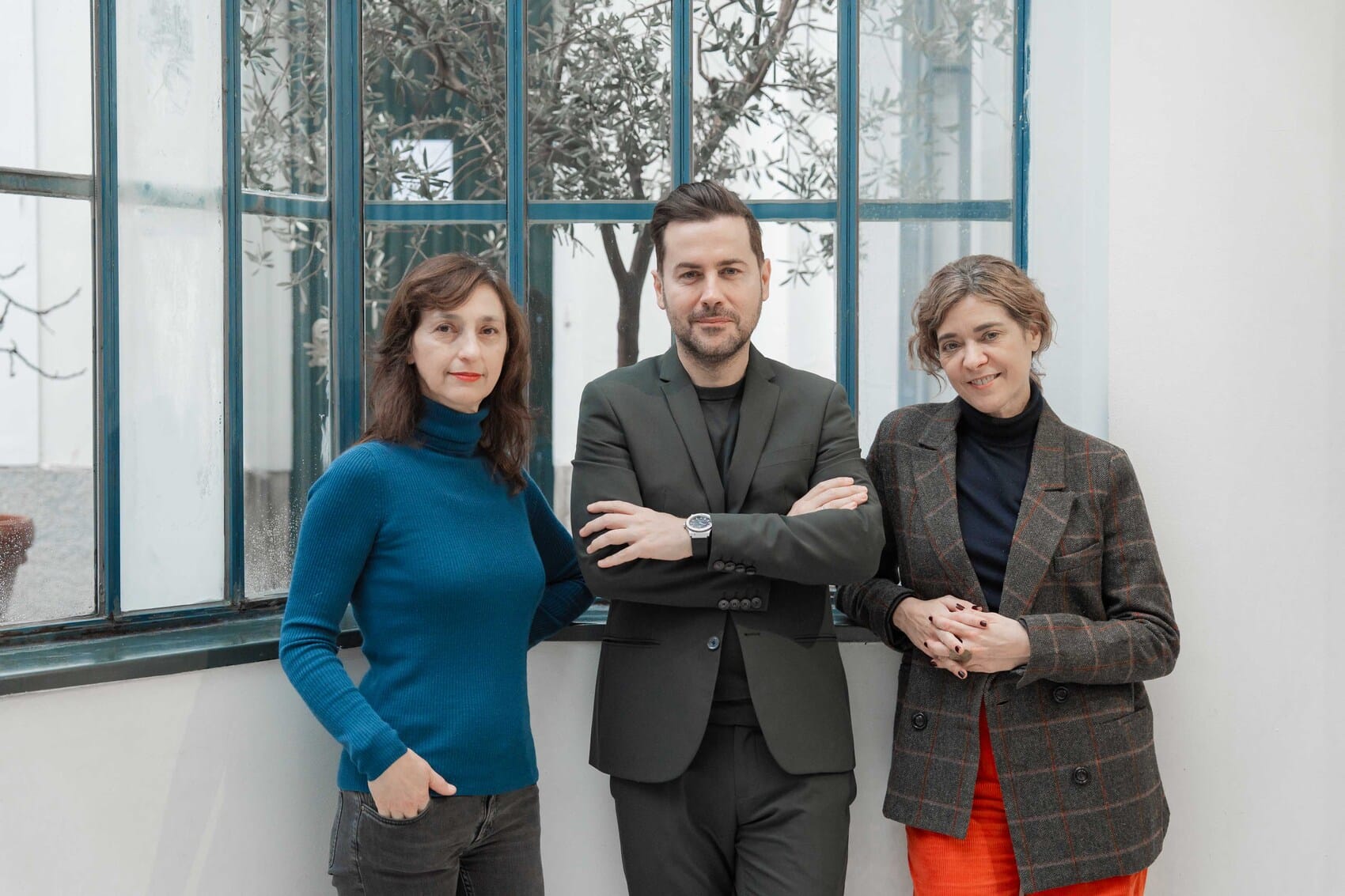
Beatriz Fabián, Fran Silvestre y Silvia Hengstenberg en El Invernadero
Written by: Beatriz Fabián
Beatriz is a journalist specializing in offline and online editorial content on design, architecture, interior design, art, gastronomy, and lifestyle.