Paving the way toward the decarbonization of architecture and highlighting the role of the new generation of architects are two key themes of the Spanish Pavilion.
Barcelona hosts the UIA World Congress of Architecture 2026
The UIA World Congress of Architects 2026 brings together architects, researchers and influential figures from various fields in the city from June 28 to July 2.

Les Tres Xemeneies de Sant Adrià de Besòs. Foto: Arnau Rovira
This international event reflects on architecture globally and is a unique gathering organized by the International Union of Architects (UIA), the Higher Council of Architects of Spain, the Architects’ Association of Catalonia, the Spanish Ministry of Housing and Urban Agenda, the Government of Catalonia, and the Barcelona City Council. It has been recognized as an exceptional event of public interest, in conjunction with the UNESCO World Capital of Architecture 2026.
It brings together professional associations from over 100 countries and represents more than one million architects, aiming to showcase diverse perspectives within the profession to foster dynamic dialogue and collective analysis of the future. This is the second time Barcelona has hosted this event—three decades ago, in 1996, it hosted the UIA under the theme “Present and Futures: Architecture in Cities.” This year, the theme guiding all the congress activities is “Becoming.” Architectures for a planet in transition, which is expected to bring together more than 10,000 people, including professionals, students and institutions representing more than 130 countries.
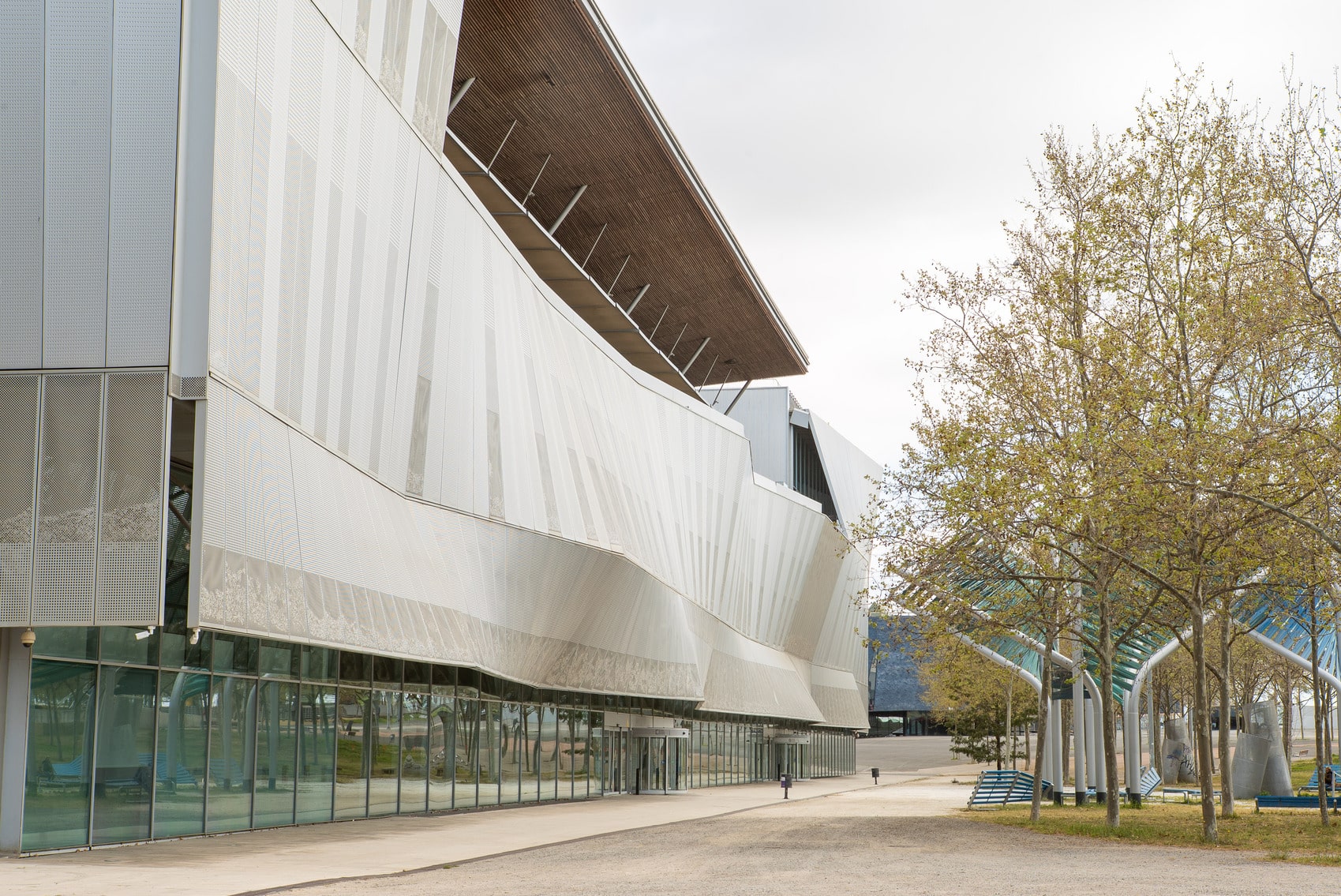
Centro de Convenciones Internacional de Barcelona. Foto: Cortesía del CCIB
The venues chosen for the congress are themselves an added attraction, as they provide access to iconic spaces. These include places like Les Tres Xemeneies in Sant Adrià de Besòs, not usually open to the public, where plenary sessions, debates, and roundtables will be held in the turbine hall, in addition to the main exhibition and the opening ceremony of the UIA 2026 Congress.
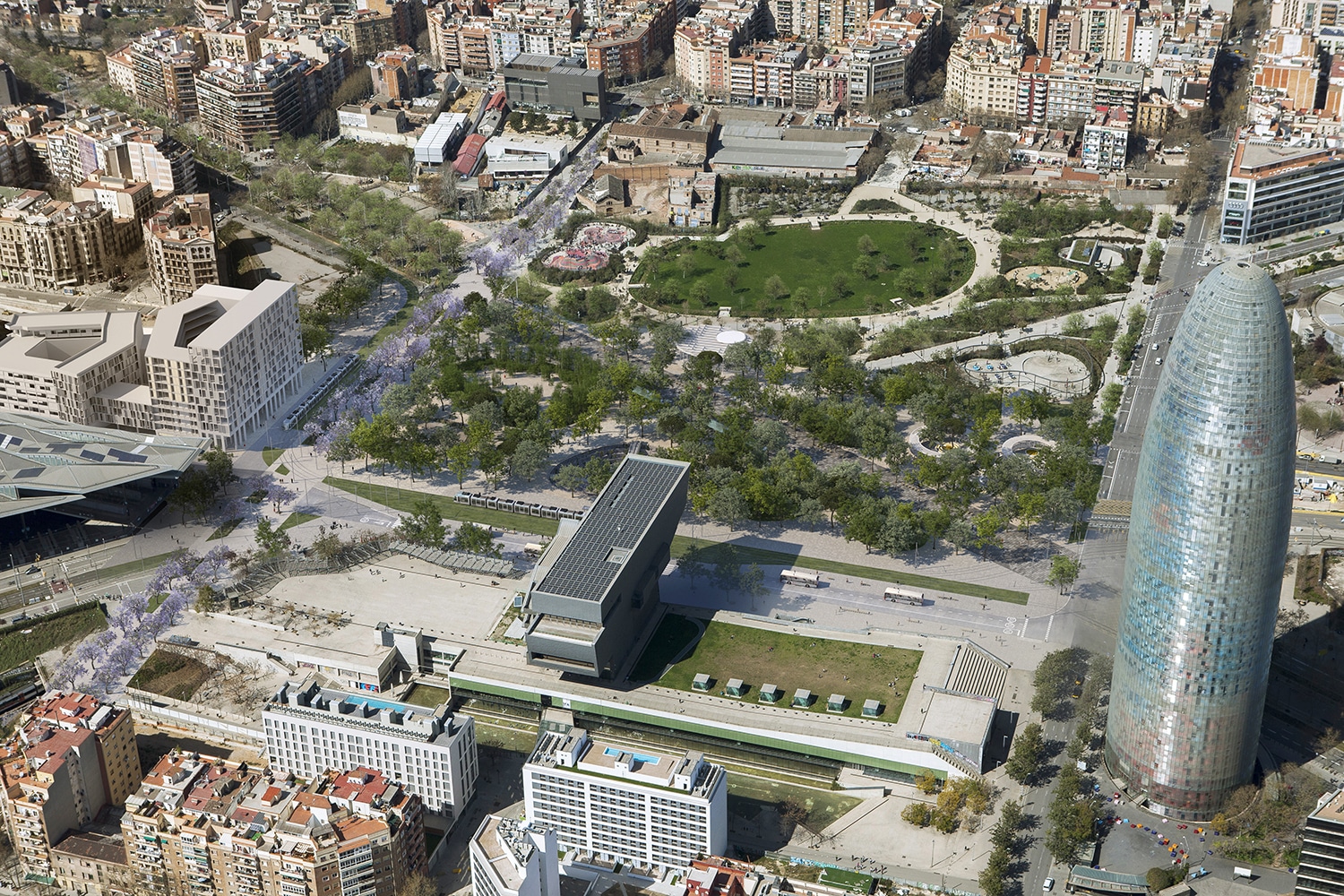
Disseny Hub, en Gloriès. Vista aérea. Foto: Cortesía del Ayuntamiento de Barcelona
Connected to this location by a 20-minute tram ride, Disseny Hub is a landmark in Barcelona’s design and creative culture. Designed by MBM Arquitectes, the architecture firm comprised of Josep Martorell, Oriol Bohigas, David Mackay, Oriol Capdevila, and Francesc Gual, it is located in the new Glòries area and will host conferences, debates, and a wide range of parallel activities. In the technology and business district known as 22@, the Barcelona International Convention Centre (CCIB), designed by architect Josep Lluís Mateo, joins other congress venues such as the Sagrada Familia and Montjuïc Castle.

Equipo curatorial del UIABCN26. De izquierda a derecha: Pau Bajet, Carmen Torres, Tomeu Ramis, Mariona Benedito, María Giramé y Pau Sarquel. Foto: Silvia Poch
The curatorial team is a statement of intent for this event, representing a collaborative effort by a collective of architects from different generations. It comprises Pau Bajet, Mariona Benedito, Maria Giramé, Tomeu Ramis, Pau Sarquella, and Carmen Torres, all of whom work in Barcelona and teach at various universities.
As the congress organizers indicate, the event “goes beyond the conventional conference format to invite participants to experience a city that champions the transformative power of architecture.” The UIA2026BCN program explores six themes under the umbrella of Becoming, encompassing specific areas.
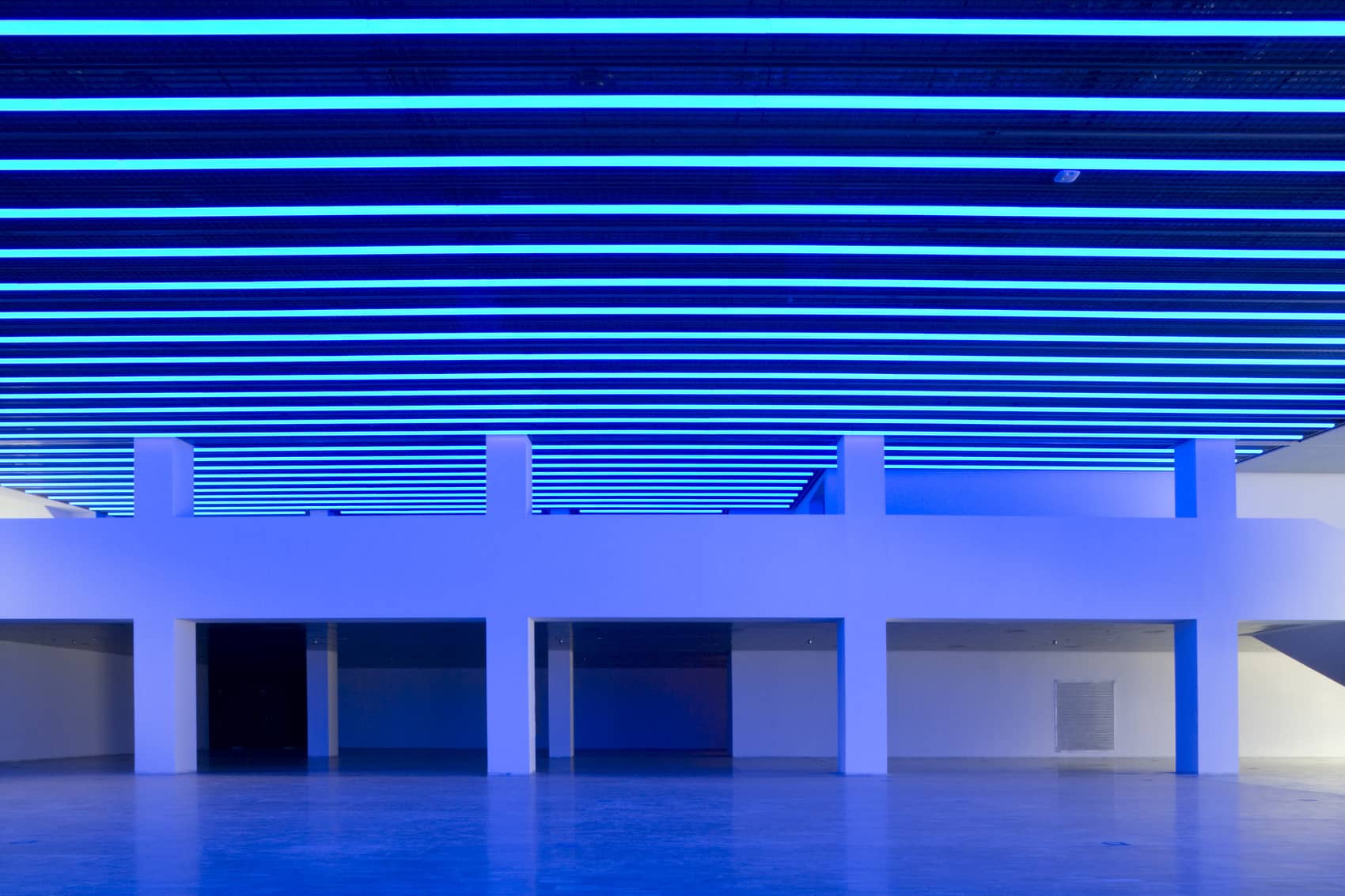
Interior de Disseny Hub. Foto: Lourdes Jansana
- Becoming More-than-human is dedicated to ecology in architecture, understanding nature not only as a means of resource extraction, and speakers include Junya Ishigami, Kate Orff, and Dirk Sijmons.
Becoming Circular will be dedicated to strategies for rehabilitating built heritage, recycling, proximity, energy efficiency, and resource conservation as tools for reducing the carbon footprint. Lacaton & Vassal, H Arquitectes, Jo Taillieu, Flores i Prats, Baukunst, Søren Pihlmann, and Parabase will be participating.
Becoming Embodied will focus on materials research and construction processes and manufacturing technologies, with figures such as Marina Tabassum, Palinda Kannangara, Bruther, BC architects & studies & materials, Hive Earth, Lehm Ton Erde, Arquitectura G, and Go Hasegawa. - Becoming Interdependent, the theme that proposes rethinking forms of coexistence based on care, cooperation, and solidarity as drivers of social empowerment, will feature the perspectives of Lacol, Erika Nakagawa, Clauss Kahl Merz, and Mariana Mazzucato. Urban design and public space will be addressed by, among others, Jan Gehl, Rural Urban Framework, and Rahul Mehrotra.
Becoming Hyper-Conscious examines how dynamics such as geopolitical relations, legislative frameworks, digitalization, and artificial intelligence directly influence local realities and daily life. Among the featured presentations are those by Mario Carpo, Forensic Architecture, and the Center for Spatial Technologies.
Becoming Attuned will delve into the poetic dimension of architecture, attentive to material, cultural, and affective contexts. The presentations by Smiljan Radić (recent Pritzker Prize 2026 winner), Matilde Cassani, Tatiana Bilbao Estudio, Bêka & Lemoine, Enrique Walker, Philip Ursprung, and Alexander Brodsky are eagerly anticipated on this day.
“This Becoming serves as a closing point for the other five encounters and condenses how the confluence of all of them allows us to perceive the subtleties and beauties present in objects and spaces,” the organizers emphasize.
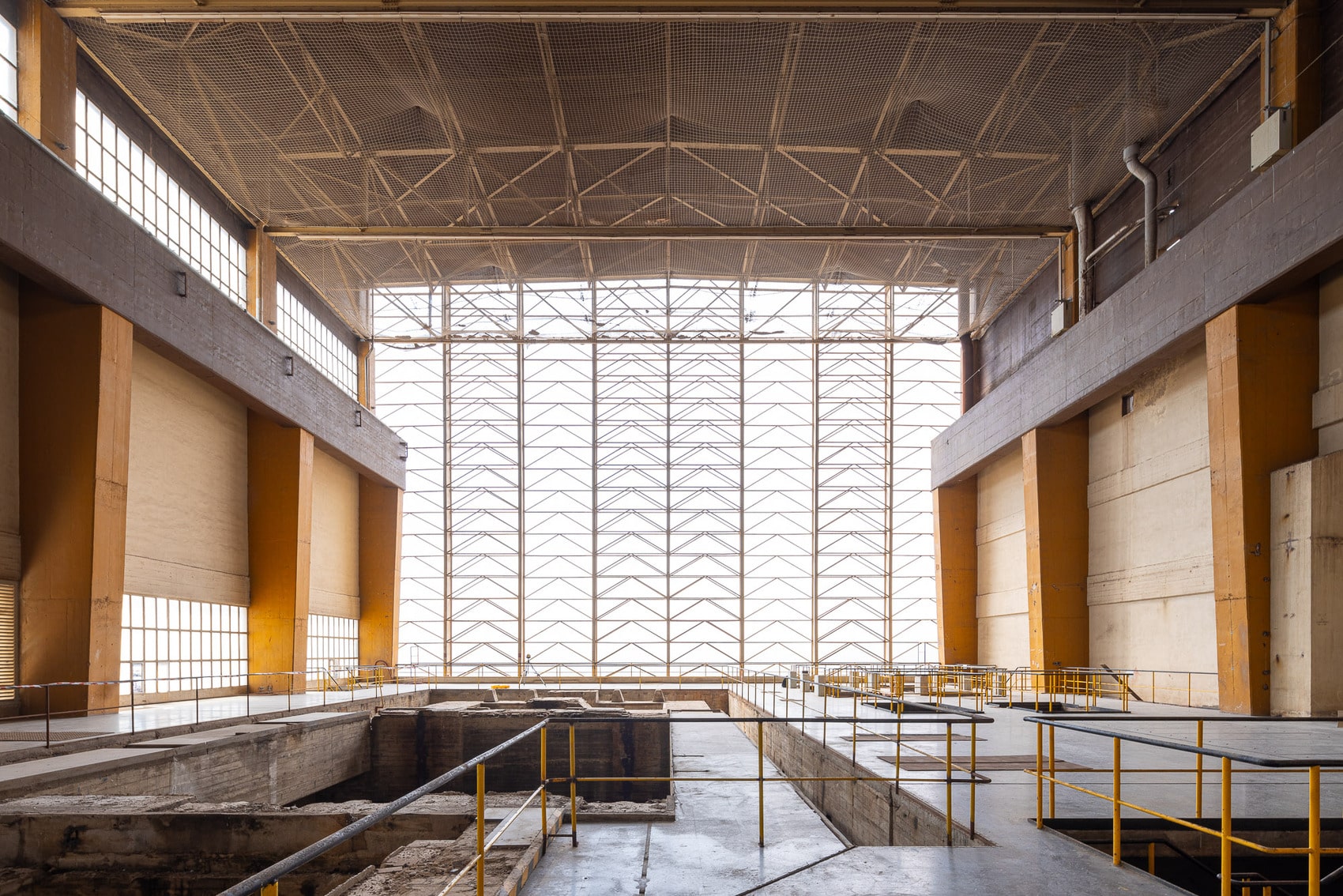
Les Tres Xemeneies de Sant Adrià de Besòs. Foto: Arnau Rovira
The congress will feature lectures, debates between two or three speakers, roundtables, workshops for students, and presentations in plenary sessions moderated by the so-called Critical Antagonists. These figures, including Bas Smets, Enrique Walker, Giovanna Borasi, Juan Herreros, Marina Otero, Marina Tabassum, Mark Wigley, Matilde Cassani, Matthias Schuler, Philip Ursprung, Sana Frini, and Timothy Morton, will “seek to stimulate debate and open new perspectives through critical interventions in various keynote presentations,” organizers announced.
Tickets are now on sale with options tailored to different audiences: professionals, students, and young architects. Early bird tickets go on sale starting March 29. More information
Written by: Beatriz Fabián
Beatriz is a journalist specializing in offline and online editorial content about design, architecture, interior design, art, gastronomy, and lifestyle.