A selection of five success stories in the construction of homes that take care of the impact on the environment from their conception to the last interior detail.
Sustainable and comfortable homes: green suits everyone
The ‘eco’ label in housing cannot remain a mere adjective, as is the case in some other sectors. Sustainable properties are measured, noticeable, and valued because, in addition to caring for the environment, they directly impact the health of their inhabitants.
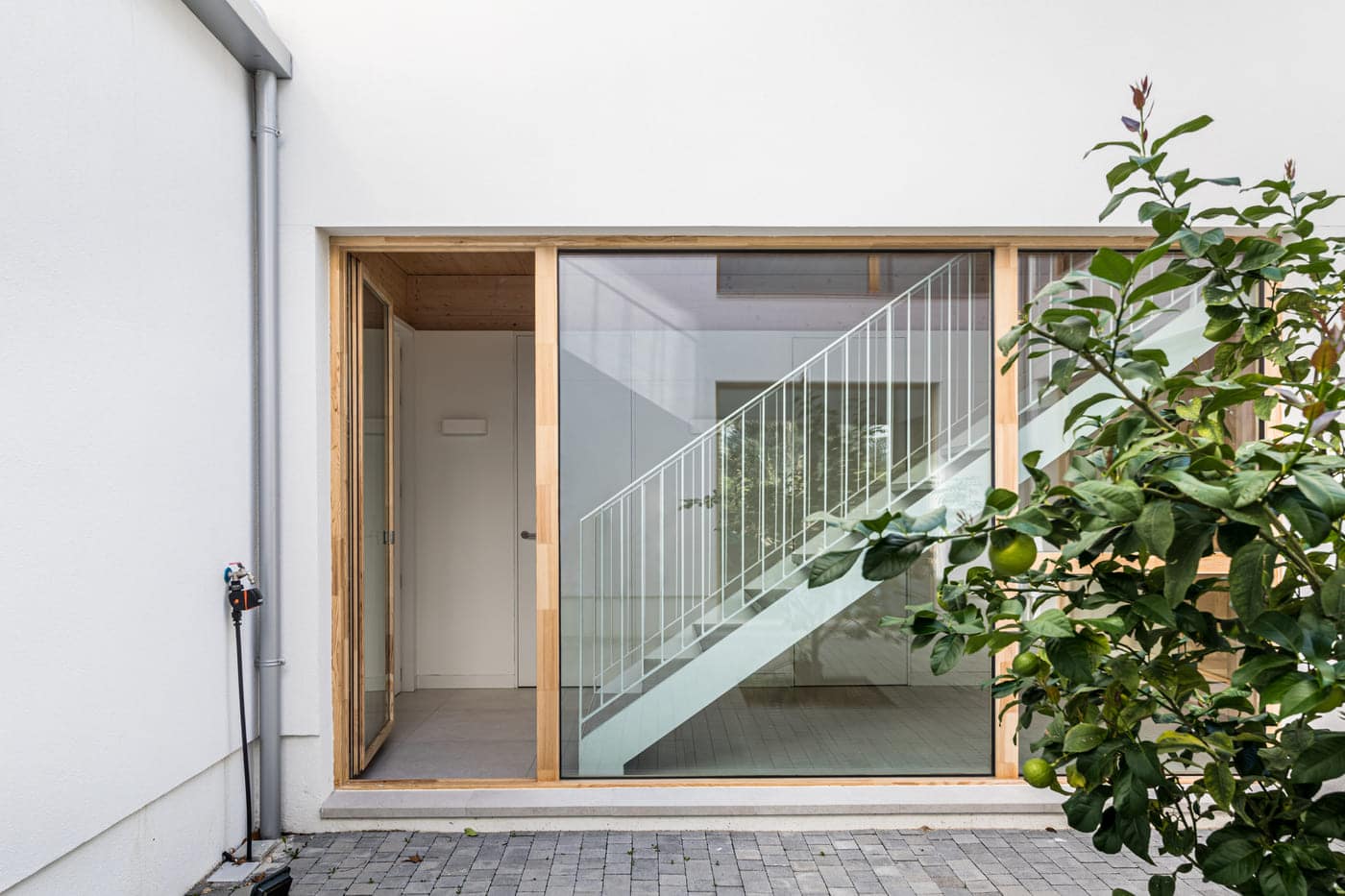
Sustainability is much more than an ethical, responsible, or altruistic issue; it’s a competitive necessity today, and neither architecture nor the real estate sector can escape this reality. But despite how much remains to be done, building responsible housing is neither new nor even recent. As early as the beginning of the 20th century, we find organic architecture, with Frank Lloyd Wright as its main figure, and a concern for the impact buildings have on their surroundings. With the energy crisis of the 1970s, energy efficiency also began to be considered, a concern that has been constant ever since and is undoubtedly crucial in the current context.
It’s not (just) an economic issue; it’s a matter of life and health, and of being aware that we spend 90% of our time indoors, environments whose acoustic and thermal comfort profoundly affect our physical and mental well-being. Healthy architecture and its effects are not just a matter of perception; it’s something that can be measured, as demonstrated by neuroarchitecture, a field in which the Polytechnic University of Valencia has been a pioneer. As Carmen Linares and Juan Luis Higuera, from the University’s Neuroarchitecture Laboratory, explained in this interview, they have succeeded in measuring human responses to the architectural environments they inhabit.
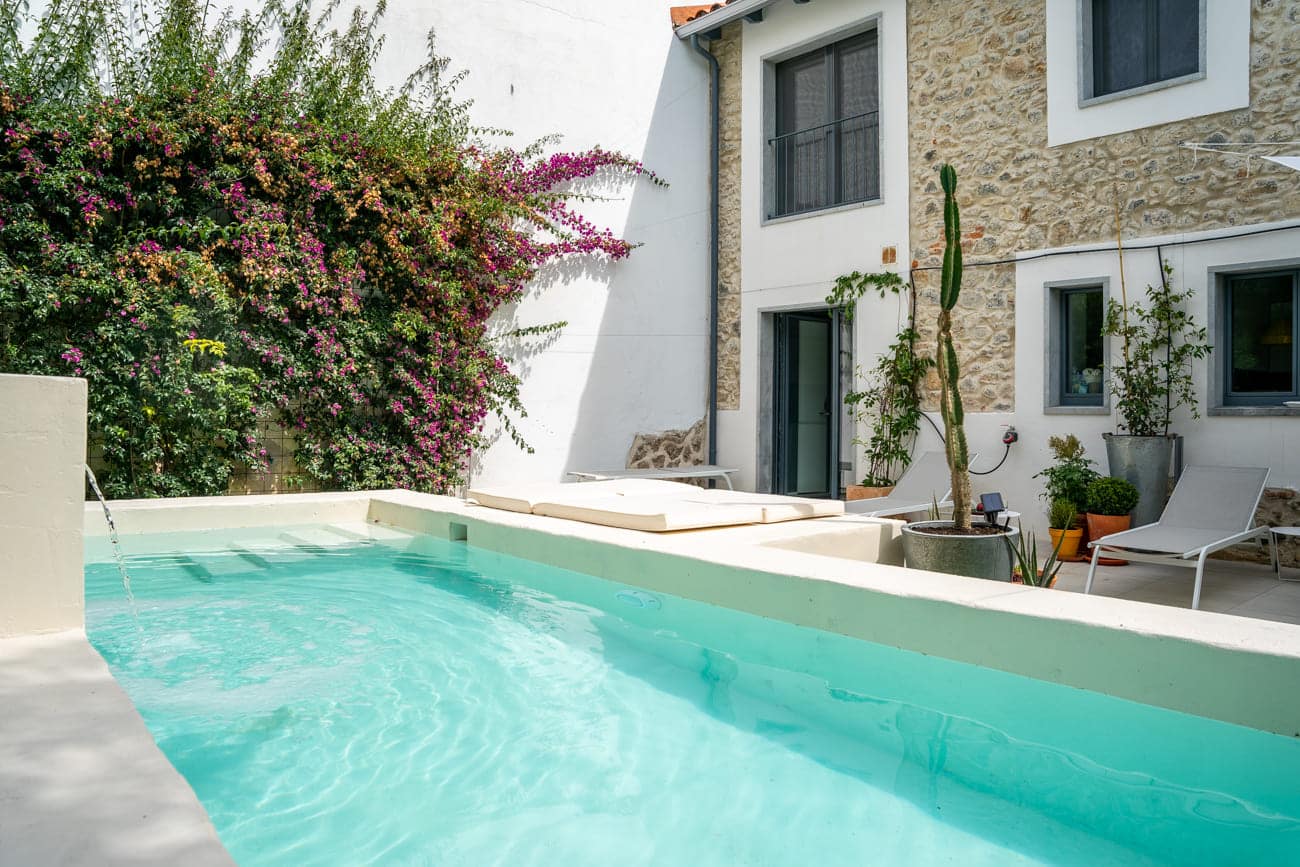
La Casa de Mareas, en Escalante, tiene la sostenibilidad en su ADN. Referencia THSSESCAN0008.
There are also various international certifications that have been used in the market for decades to attest to the environmental quality of each building. The most recognized are:
BREEAM (Building Research Establishment Environmental Assessment Method), of British origin and the oldest (1990), rates a building’s efficiency on a scale of 1 (good) to 5 (outstanding).
LEED (Leadership in Energy and Environmental Design): Originating in the USA, it is the most recognized worldwide. It classifies buildings into four levels: Certified, Silver, Gold, and Platinum, according to a points system.
Passivhaus (Passive House): This is a rigorous technical standard of German origin that, through the Passivhaus Institute, certifies buildings worldwide that consume very little energy for heating or cooling thanks to their construction focused on insulation and airtightness, as we explain in more detail here.
WELL Building Standard, this American-born certification, is the most widely used for assessing the impact of our living spaces on our health.
In the prime residential market, this issue is no longer minor, and it’s an aspect that buyers pay close attention to. Whether or not a home has a certification, its energy consumption and environmental footprint significantly influence its marketability. “Increasingly, well-being and sustainability go hand in hand, and it’s common for clients to ask about things like energy ratings, BREEAM or LEED certifications, renewable energy, or smart home technology,” says Silvia, CEO of The Sibarist.
A home that works for you
That’s the spirit of a Passivhaus: built to minimize energy consumption without sacrificing comfort, and with constant mechanical ventilation. Few homes in Spain currently hold this certification, but their growth, though slow, is steady and will undoubtedly be crucial in the current macroeconomic context of energy crisis.
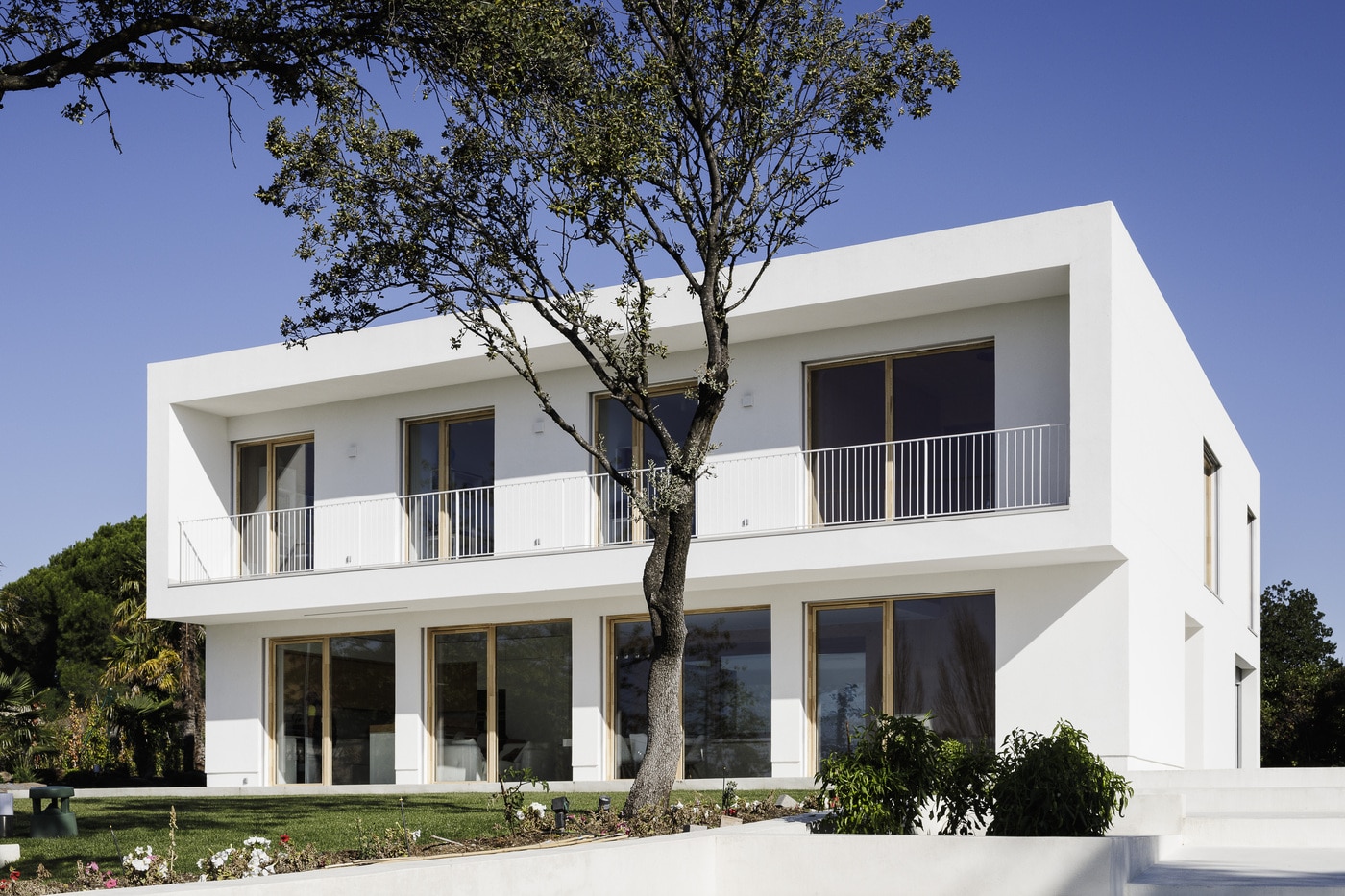
Vivienda con certificado Passivhouse en Las Rozas (Madrid). Ref. THSEESMAD0003.
This house in Las Rozas boasts this certification and was presciently completed in early 2020. Architect Clara Ulargui utilizes bioclimatic architecture principles, such as a certified timber structure sourced from sustainably managed forests. The lighting design maximizes natural light, and the use of natural materials is paramount, avoiding any chemical toxicity.
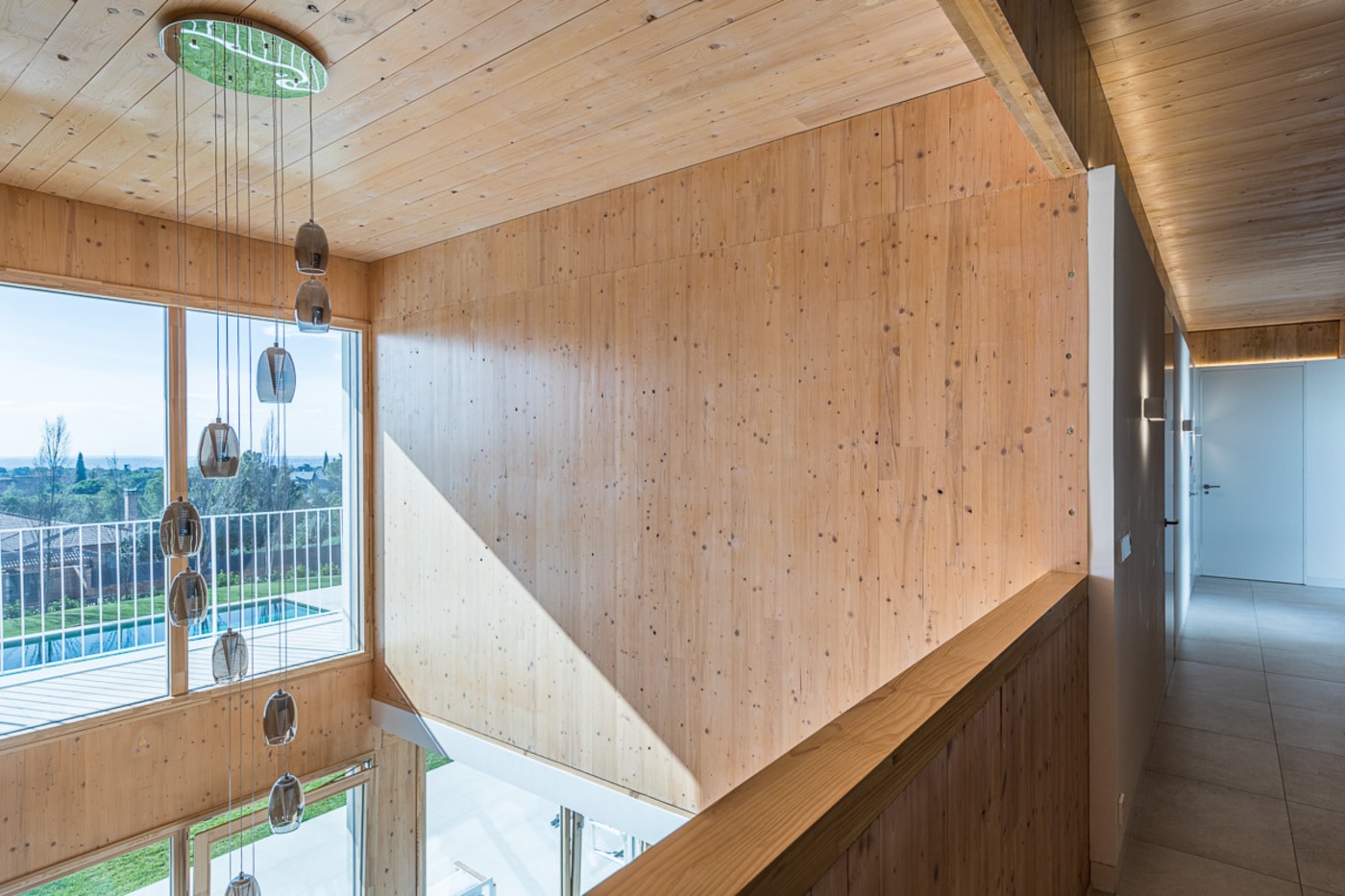
Vivienda con certificado Passivhouse en Las Rozas (Madrid). Ref. THSEESMAD0003.
To achieve high levels of energy efficiency, the house is predominantly south-facing, with more controlled openings to the east and west, avoiding openings to the north. Only one opening is permitted on the north facade of the ground floor, bordering the patio, to seamlessly integrate the garden into the interior. “We wanted to incorporate the exterior into the interior, hence the patio design. The perception of the garden extends to the very end of the house. We oriented the house to the south because we wanted sunlight to reach every room,” explains Luis Javier Aguilar, one of the architects.
A unique and distinctive signature home, perfect for visionary owners who appreciate that living well is not just a matter of location, but above all, of health.
It’s the era of Wellness Real Estate
It’s been happening for a long time, but perhaps this is the moment where the curves of health and economic needs intersect at their peak, with mental health in crisis and energy costs skyrocketing. After the Covid pandemic, we became more aware than ever of the value of health, embraced remote work, and considered, like never before, the impact of the spaces where we spend most of our day. The concept of Wellness Real Estate was revived, a movement that originated in the United States in 2014 and focuses on the following aspects: air, water, food, lighting, movement, thermal comfort, sound, materials, mind, and community, all aimed at having a positive impact on the health and well-being of its occupants.
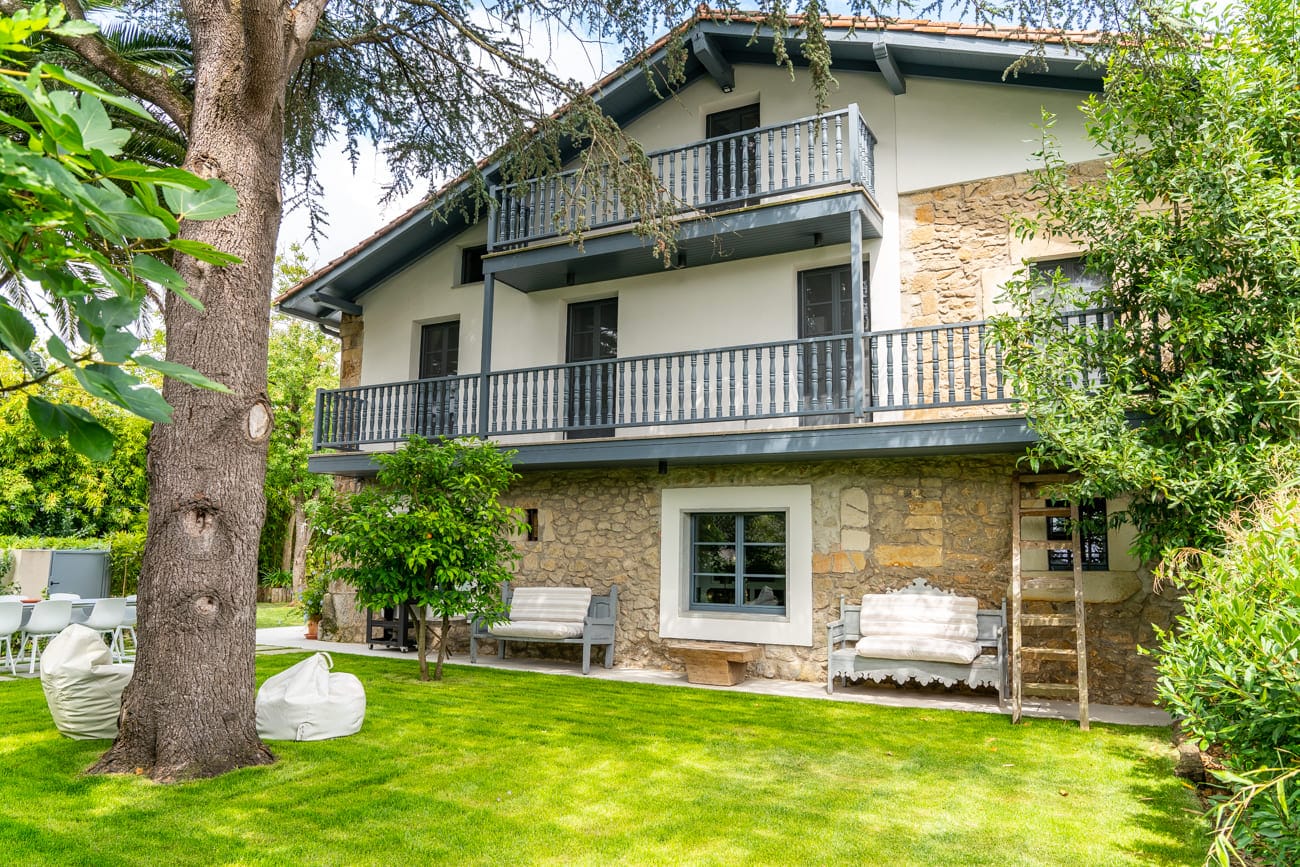
La Casa de Mareas, en Escalante, dentro de la serie "Casas que Cuidan de ti". Referencia THSSESCAN0008.
We then launched the series “Homes That Care for You” to highlight new projects, or intentional renovations, that become healthy, responsible, and unique homes. The first home in this series was developed by The Sibarist, almost as a manifesto, in what became known as the Casa de Mareas. It is a 16th-century manor house located in Escalante, a small town in Cantabria, where architect Patxi Eguiluz applied the neuroarchitecture concepts we have explained to create a space that fosters concentration and creativity, as well as physical and mental well-being. This house, which is offered in our portfolio in different formats and uses, has become a true symbol.
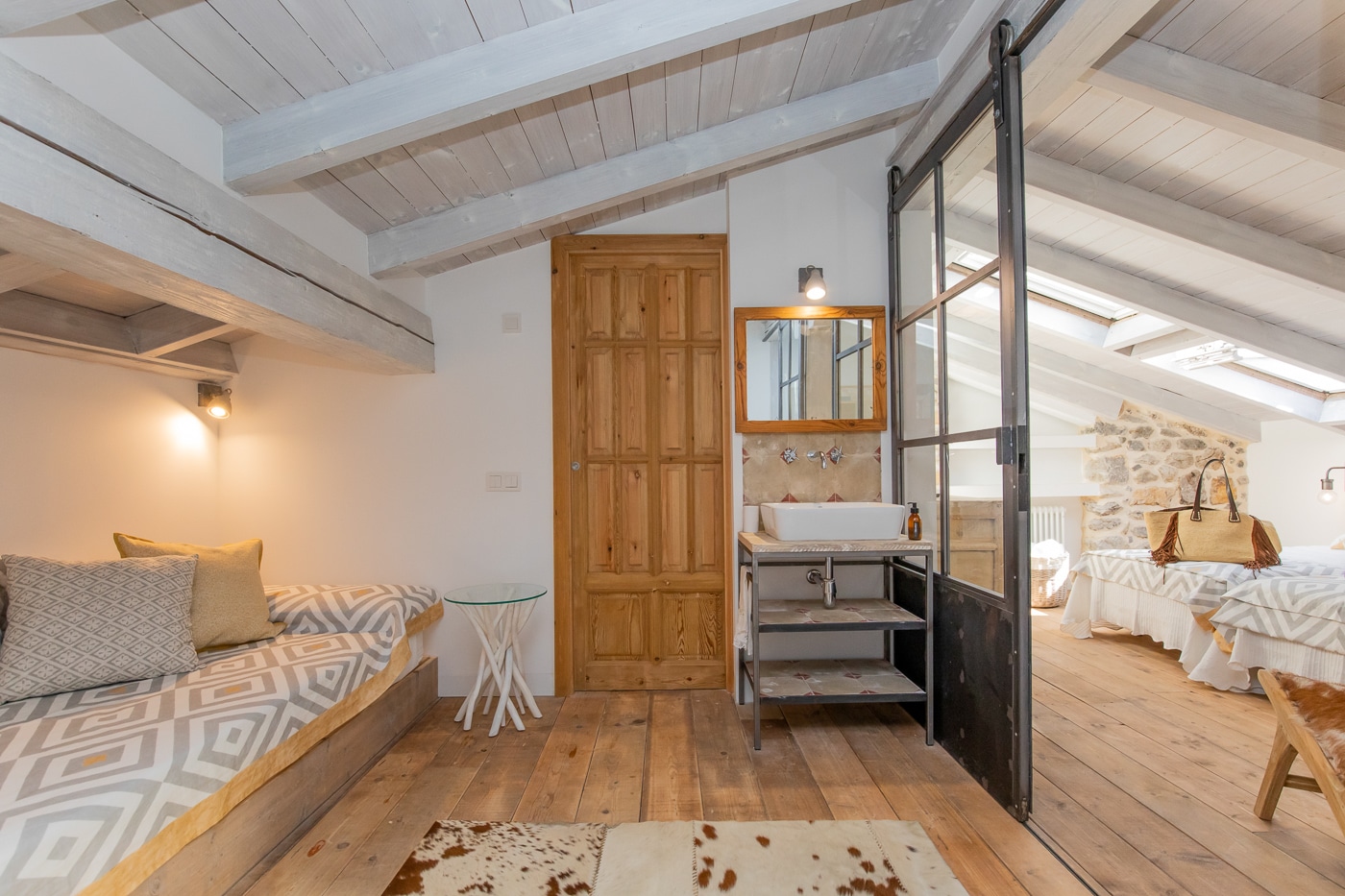
Interior de Casa de Mareas, en Escalante. Referencia THSSESCAN0008
It’s a house that exudes beauty and prioritizes well-being in every detail: eco-friendly paints; an exercise area; an ergonomic coworking space; various pH filters for the water; and many other thoughtful touches. Furthermore, it incorporates biophilic principles, bringing nature into multiple areas of the house.
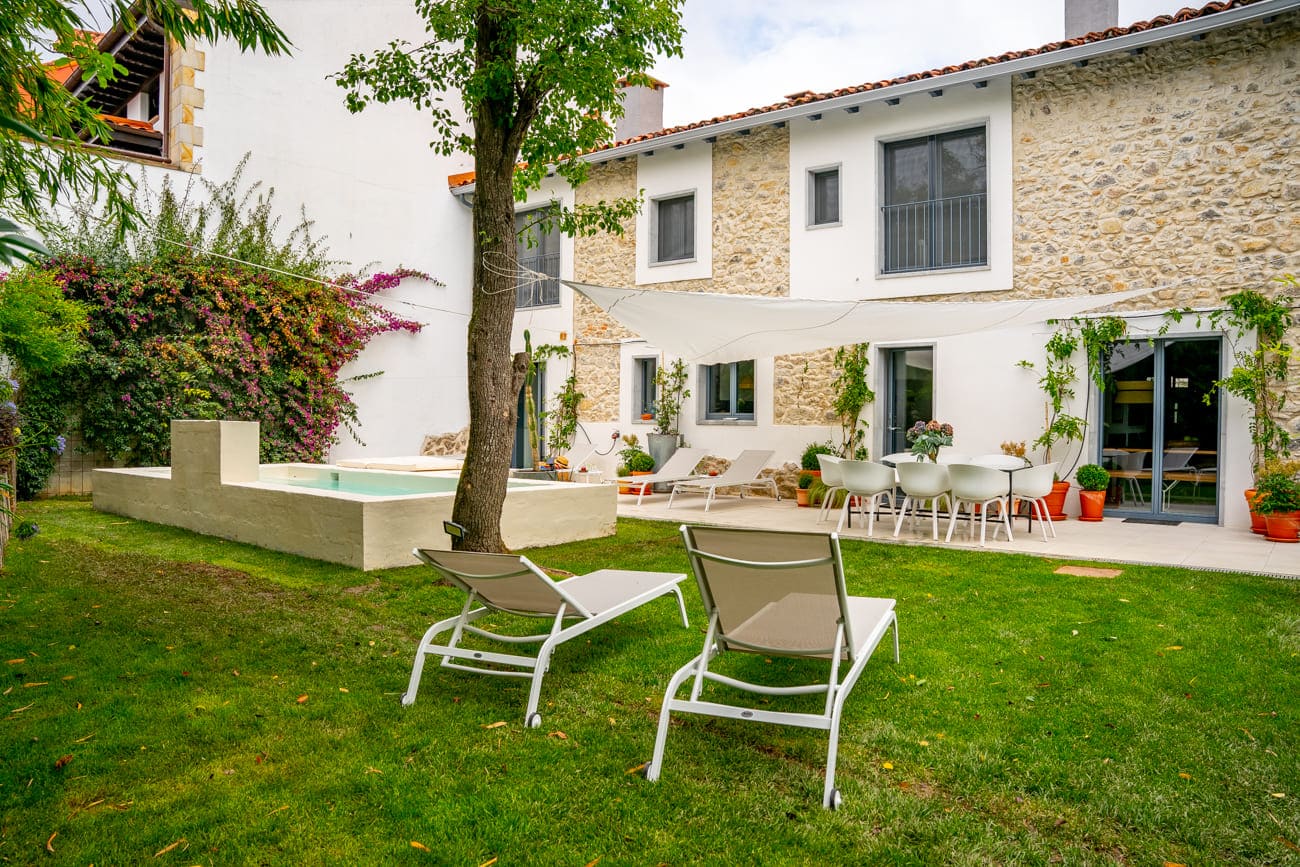
Jardín de Casa de Mareas, en Escalante, Referencia THSSESCAN0008.
Living in the city and feeling good
The interest in spending a significant amount of time in contact with nature is also growing cyclically (the post-pandemic period was one of those phases) and steadily. In Madrid, the demand for properties less than two hours away is constant, but the true luxury is having the benefits of this “green escape” in your home or regular workspace. It’s easier to find this in new construction projects that are aware of this demand, but also in carefully planned renovations.
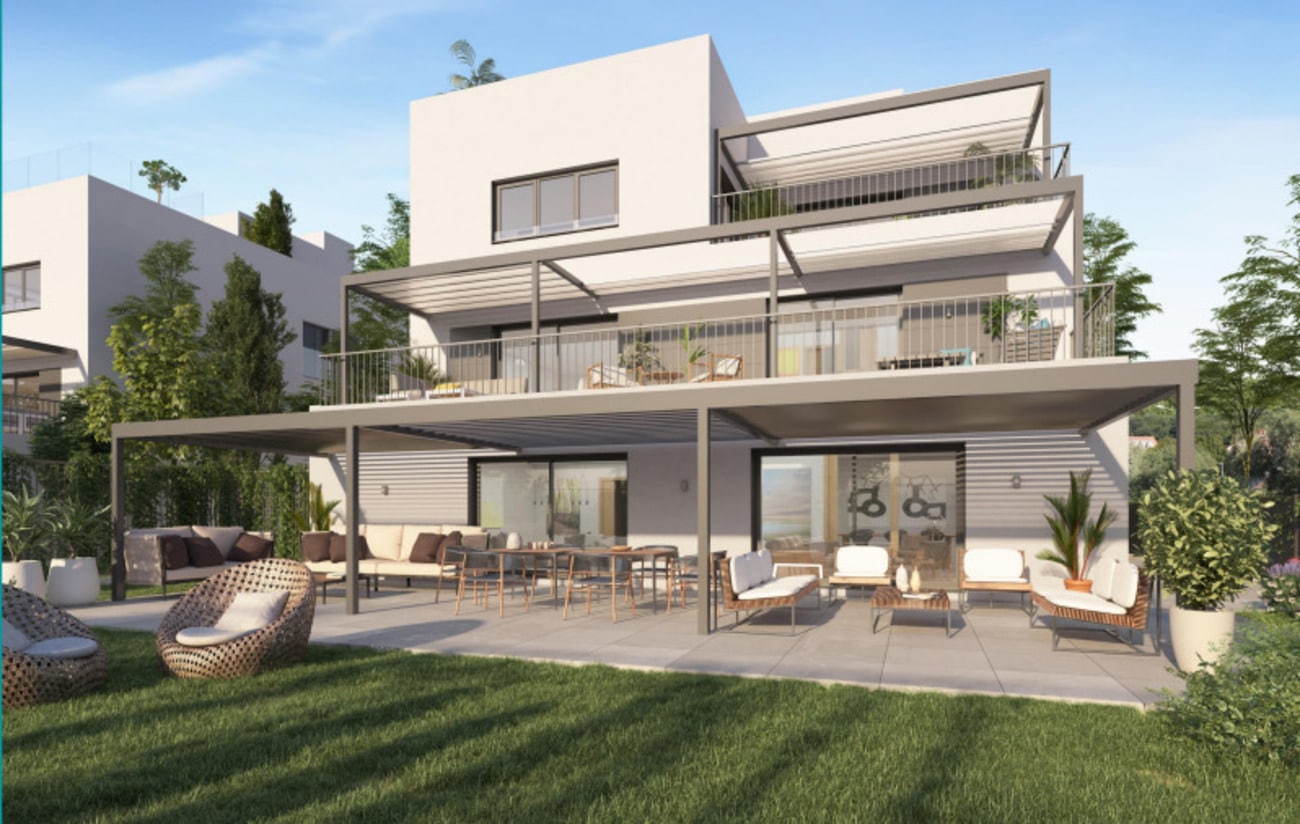
Promoción de obra nueva en Aravaca en Madrid (ref. THSSESMADON0636)
In this exclusive project in Aravaca (Madrid), comprised of six homes in a gated community, each residence boasts a garden or terrace, bright and spacious rooms that achieve a unique level of comfort, enhanced by the carefully designed aerothermal climate control system, thermal and acoustic insulation, and underfloor heating.
Often, simply contemplating nature creates a new state of mind where, as biophilia has demonstrated, anxiety and cortisol levels drop significantly. In Madrid, there is no property better situated and surrounded to experience this than this impressive 275-square-meter property with unobstructed views of El Retiro Park.
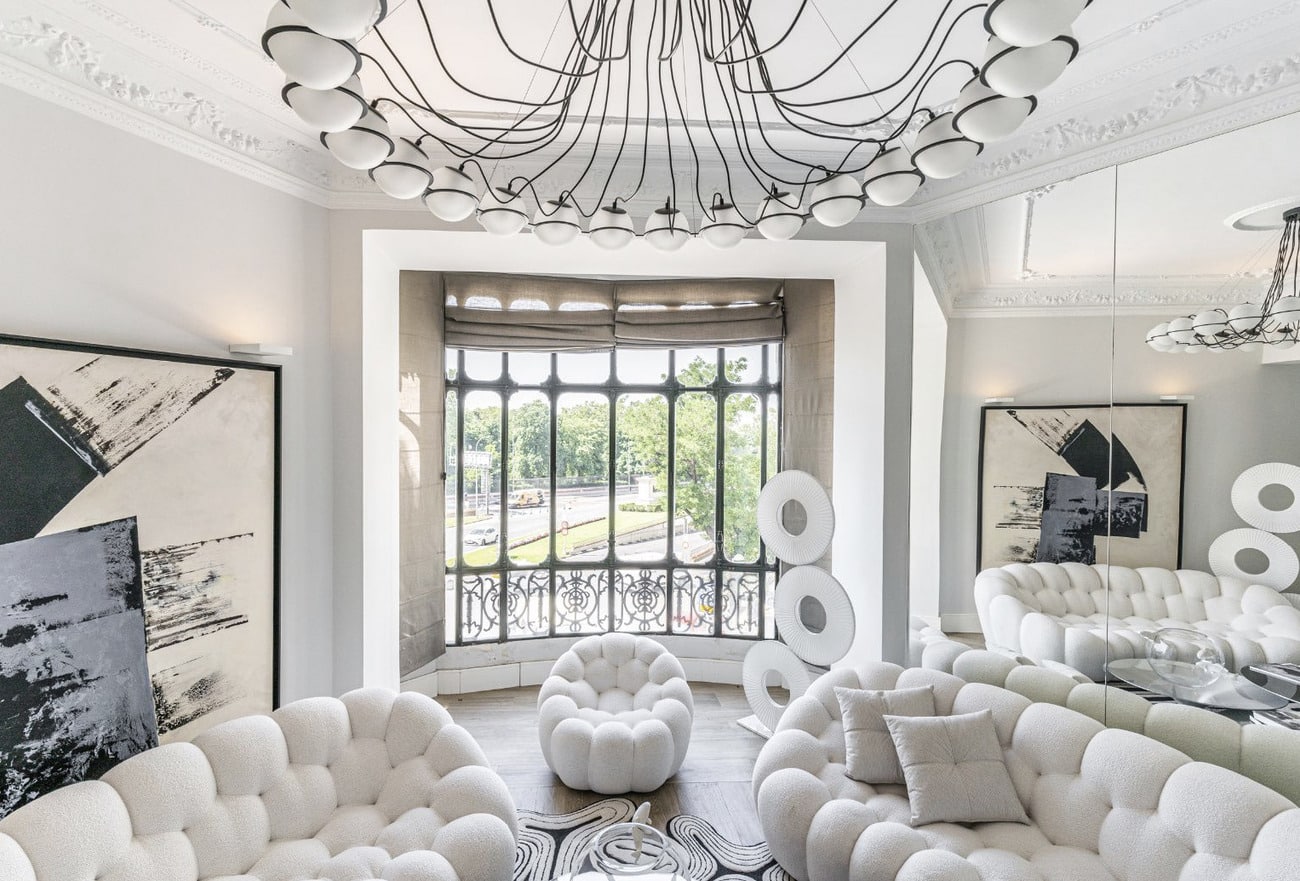
Espectacular propiedad de 275 m2 con vista al Parque de El Retiro (Madrid). Ref. THSSESMAD0903
This bright and airy apartment has undergone extensive renovations to the highest standards, featuring top-of-the-line materials and home automation. Located on a protected property, it is exempt from property tax. The connection to the outdoors is seamless, even in the kitchen, which boasts large windows and a visual link to the dining room, situated on a magnificent corner balcony. The apartment features thermal and acoustic insulation, four bedrooms (three of which are en suite), two storage rooms, and a doorman.
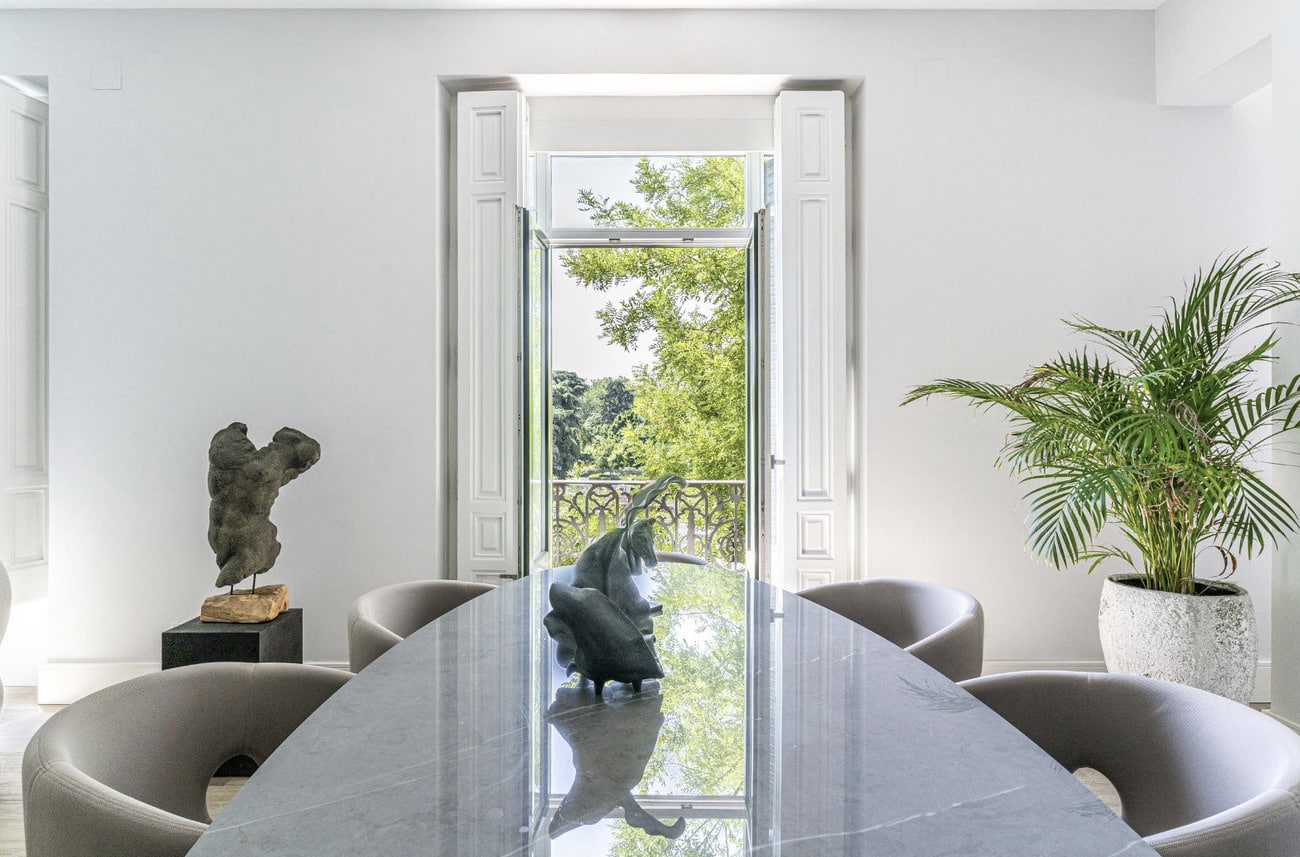
Espectacular propiedad de 275 m2 con vista al Parque de El Retiro (Madrid). Ref. THSSESMAD0903
In another historic building, completely renovated in 2017, we find another real estate gem that allows you to enjoy the outdoors right in the heart of the city, in the Lavapiés-Embajadores area. It has 148 square meters, and the apartment is accessed through a charming private patio.
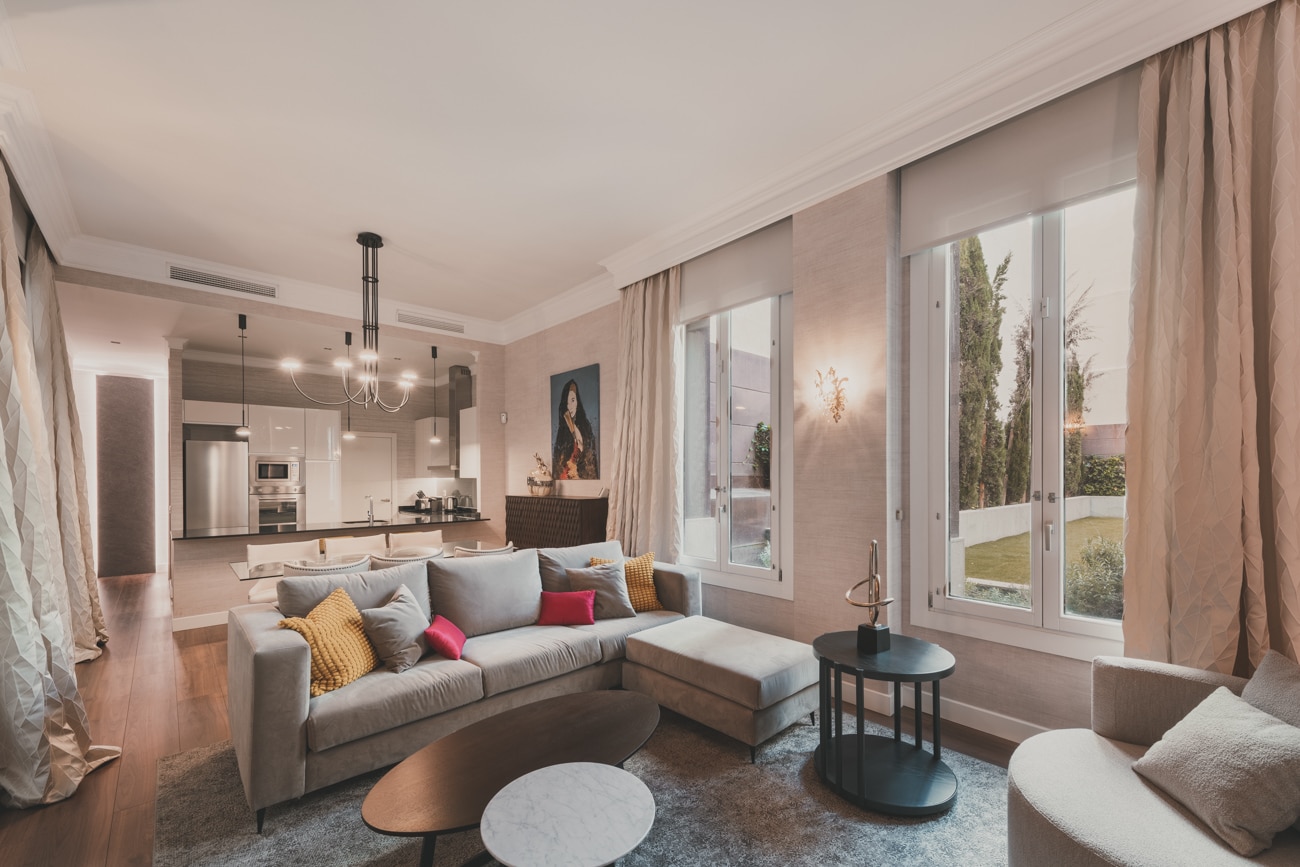
Coqueta propiedad de 148 m2 en Lavapiés con el tesoro de un patio privativo y otro comunitario. Ref. THSSESMAD0959
The living room features four windows: two overlooking the garden and two the patio, ensuring abundant natural light. The open-plan kitchen combines design and functionality, while the sleeping area includes two bedrooms. The master bedroom, with an en-suite bathroom and a spacious dressing room, offers an intimate and inviting space. The building provides residents with exclusive amenities such as a gym, a robotic garage (two parking spaces), and a communal garden that extends the sense of well-being beyond the confines of the home.
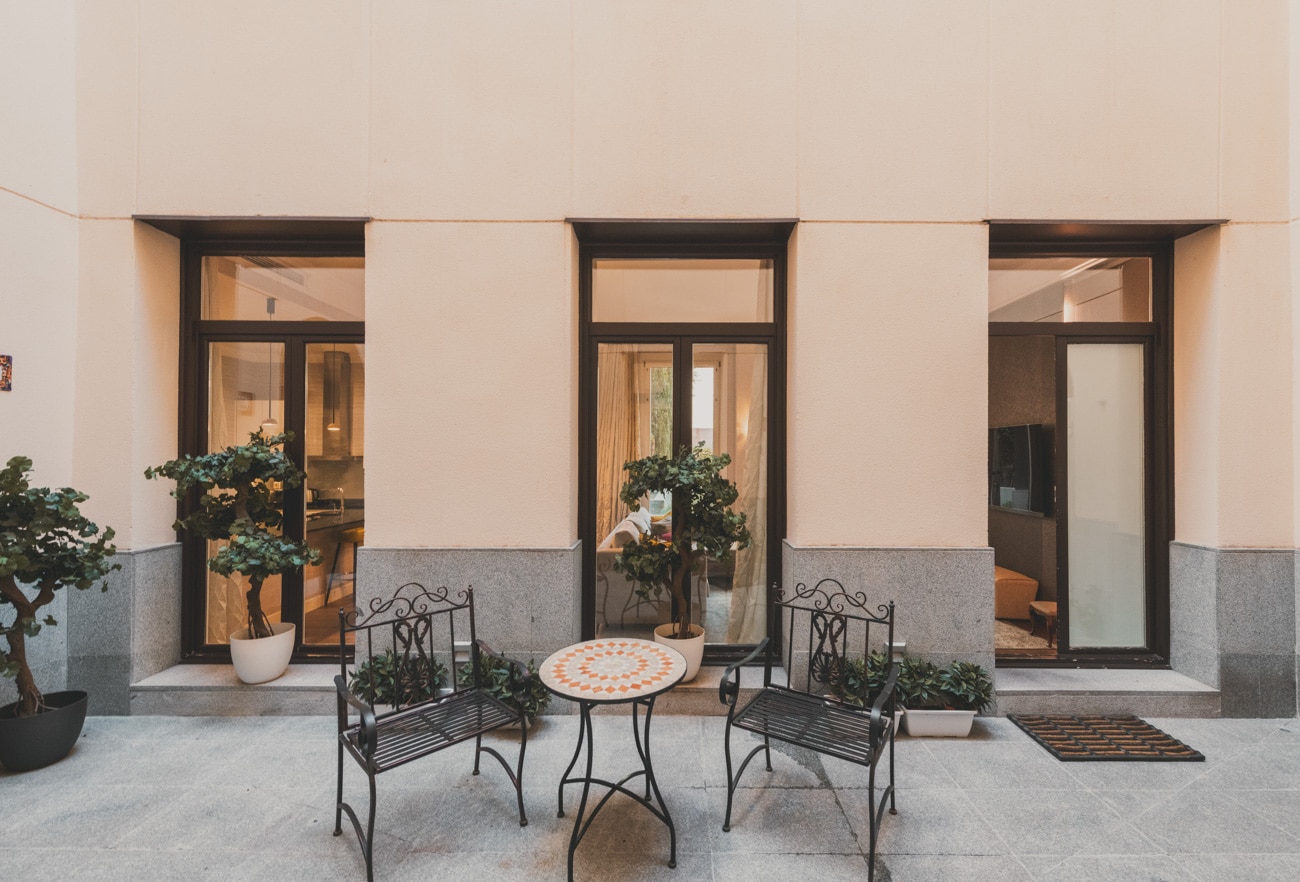
Coqueta propiedad de 148 m2 en Lavapiés con el tesoro de un patio privativo y otro comunitario. Ref. THSSESMAD0959
Homes that nurture the well-being of their inhabitants while also safeguarding the future of the environment we live in. Incorporating nature into our daily lives is not an option; it’s a vital necessity in these times when, as journalist and activist Richard Louv coined in his book *Last Child in the Woods* (2005), most people, and especially children, exhibit health problems that fall under what he calls nature-deficit disorder (NDD). To reduce this deficit, experts and organizations like the Children & Nature Network recommend integrating small doses of nature into our daily routines, ideally in the places where we spend a significant portion of our lives.
Valencia leads the studies and projects being carried out in Europe and the world on neuroarchitecture and here we talk to the scientists who have carried out the first study of this discipline applied to housing, a pioneering experiment carried out thanks to companies like NIU and inHAUS that have combined virtual and physical visits to industrialized housing.