Faro Santander: A building returns to the city
The former Banco Santander headquarters on Paseo de Pereda is beginning a new life as an art center. David Chipperfield’s renovation transforms a building designed to safeguard into a space intended for sharing, poised to become a new hub for local and international culture.
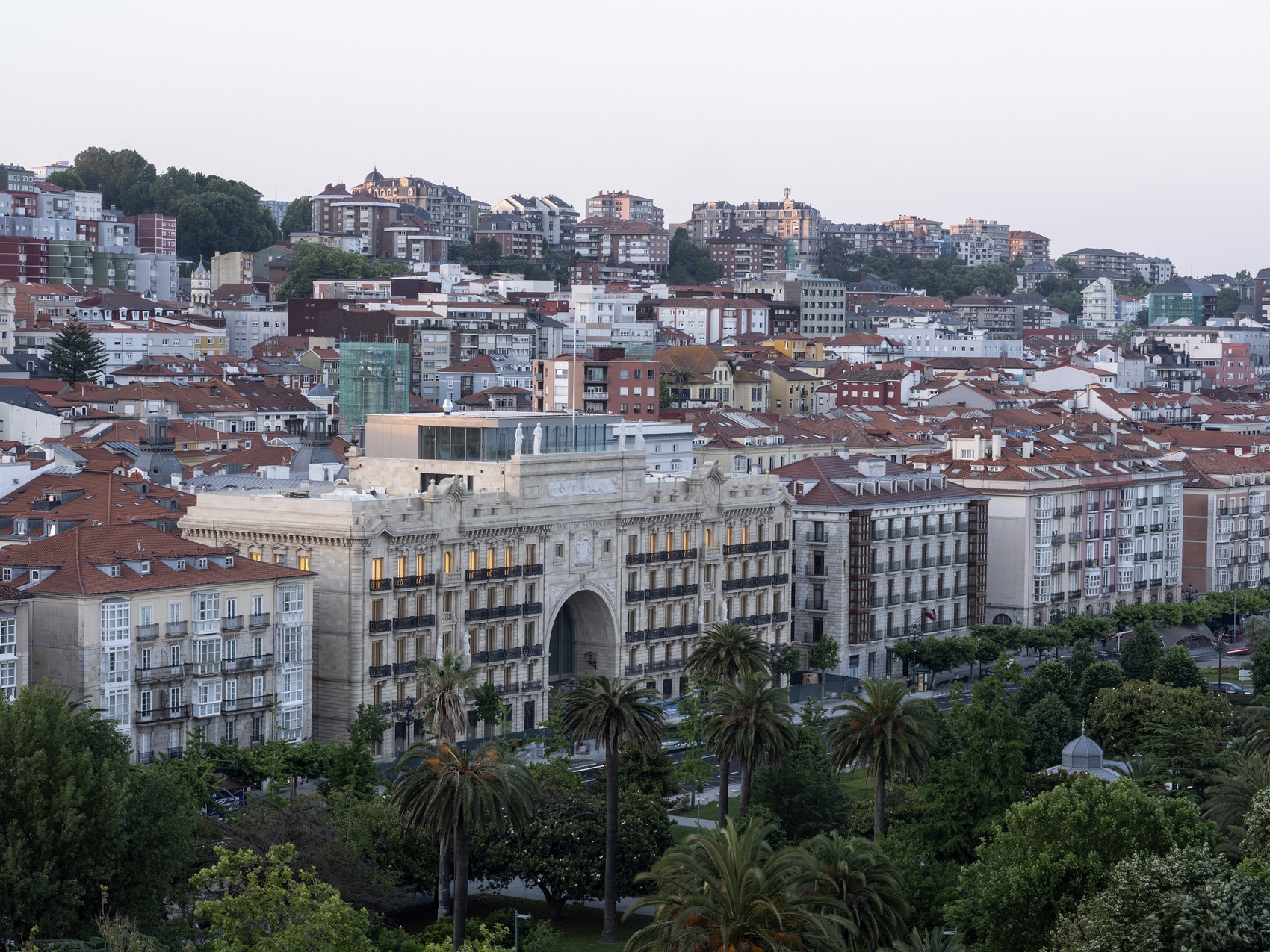
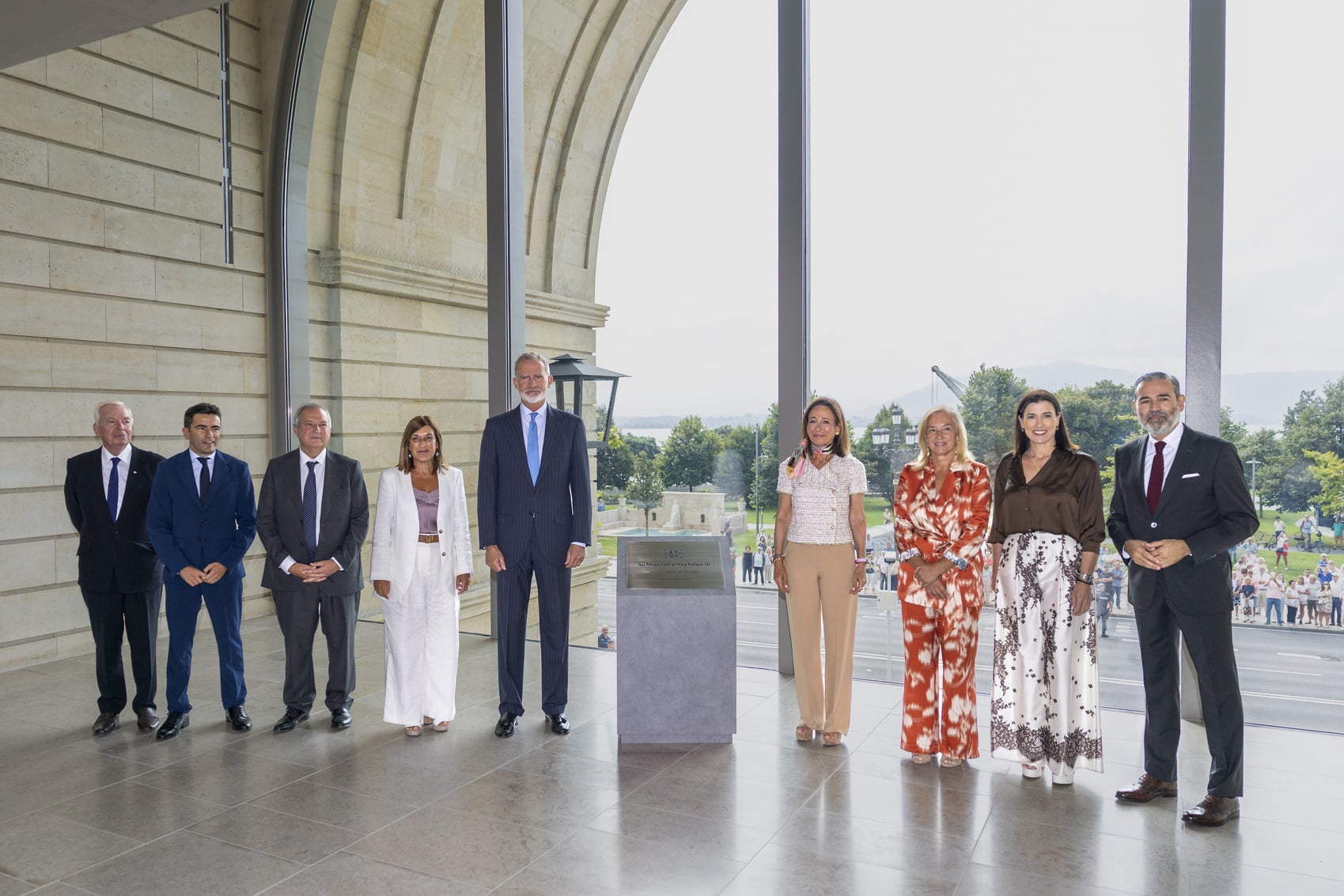
Last Monday, September 7, we attended the inauguration of Faro Santander. More than just the opening of a new museum, we witnessed the return to the city of one of its most iconic buildings: the historic Banco Santander headquarters on Paseo de Pereda, facing a bay that is an inseparable part of the Cantabrian capital’s identity.
For decades, the building was associated with solidity, reserve, and closed doors. Today, after being renovated by David Chipperfield, it opens its doors to the public to bring together art, culture, technology, and community engagement. That shift in purpose—from safeguarding value to sharing knowledge—is a major source of the project’s strength.
Preserving without immobilizing: the building’s transformation
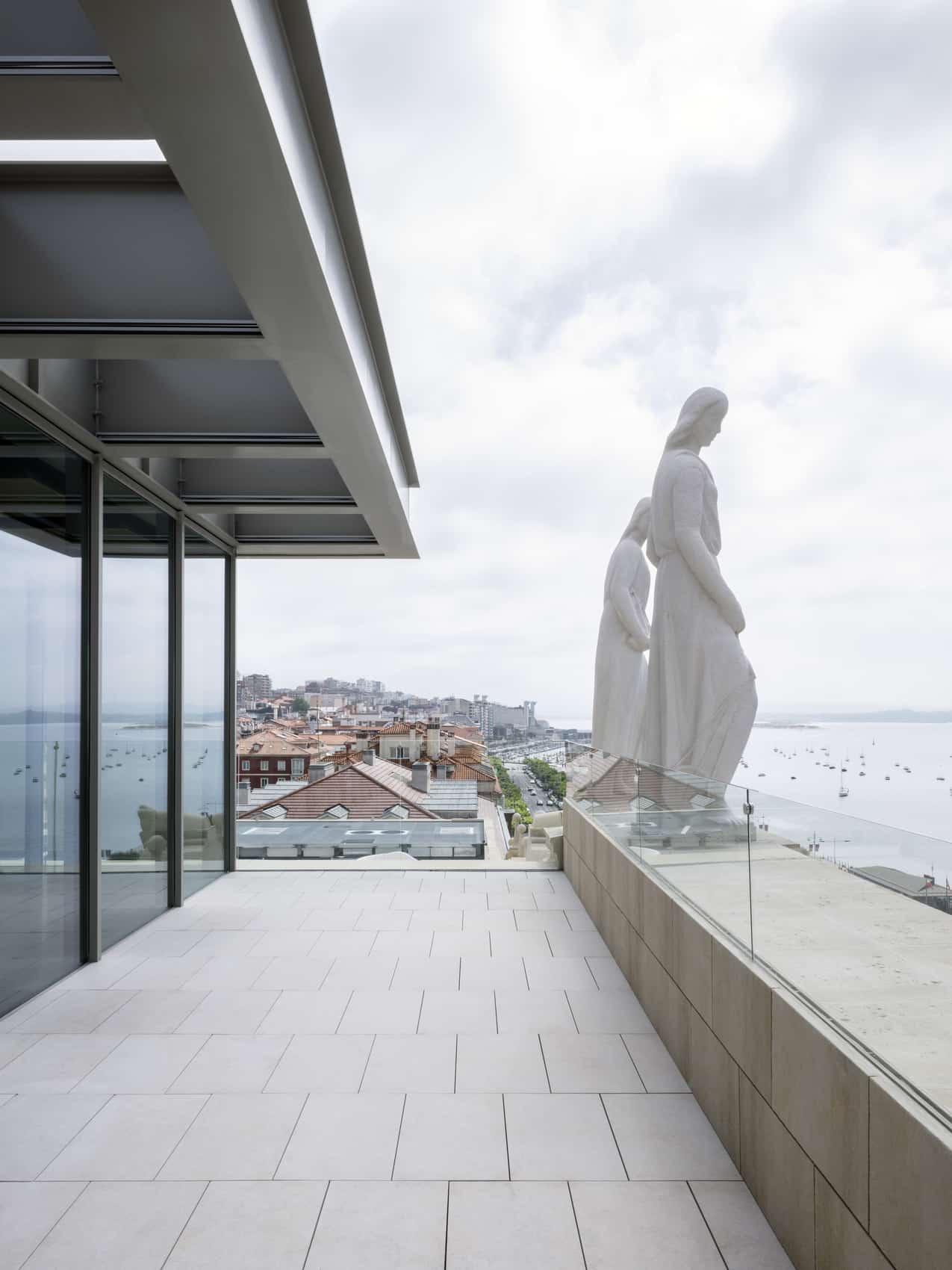
The history of the Pereda Building is not linear. The original structure dates back to 1795, and before becoming a bank in 1923, it housed a hotel and a yacht club. In her inaugural speech, Ana Botín recalled how, in the 1950s, her grandfather spearheaded a transformation in line with the national and international ambition the bank was beginning to acquire. Architect Javier González de Riancho then connected the two buildings with the grand arch that today defines its silhouette and crowned it with four female figures representing navigation, commerce, culture, and the arts.
When this new phase began to take shape, the question was how far to go with the transformation without losing the essence.
That courage does not mean erasing the building’s previous layers or turning them into a stage set of the past.
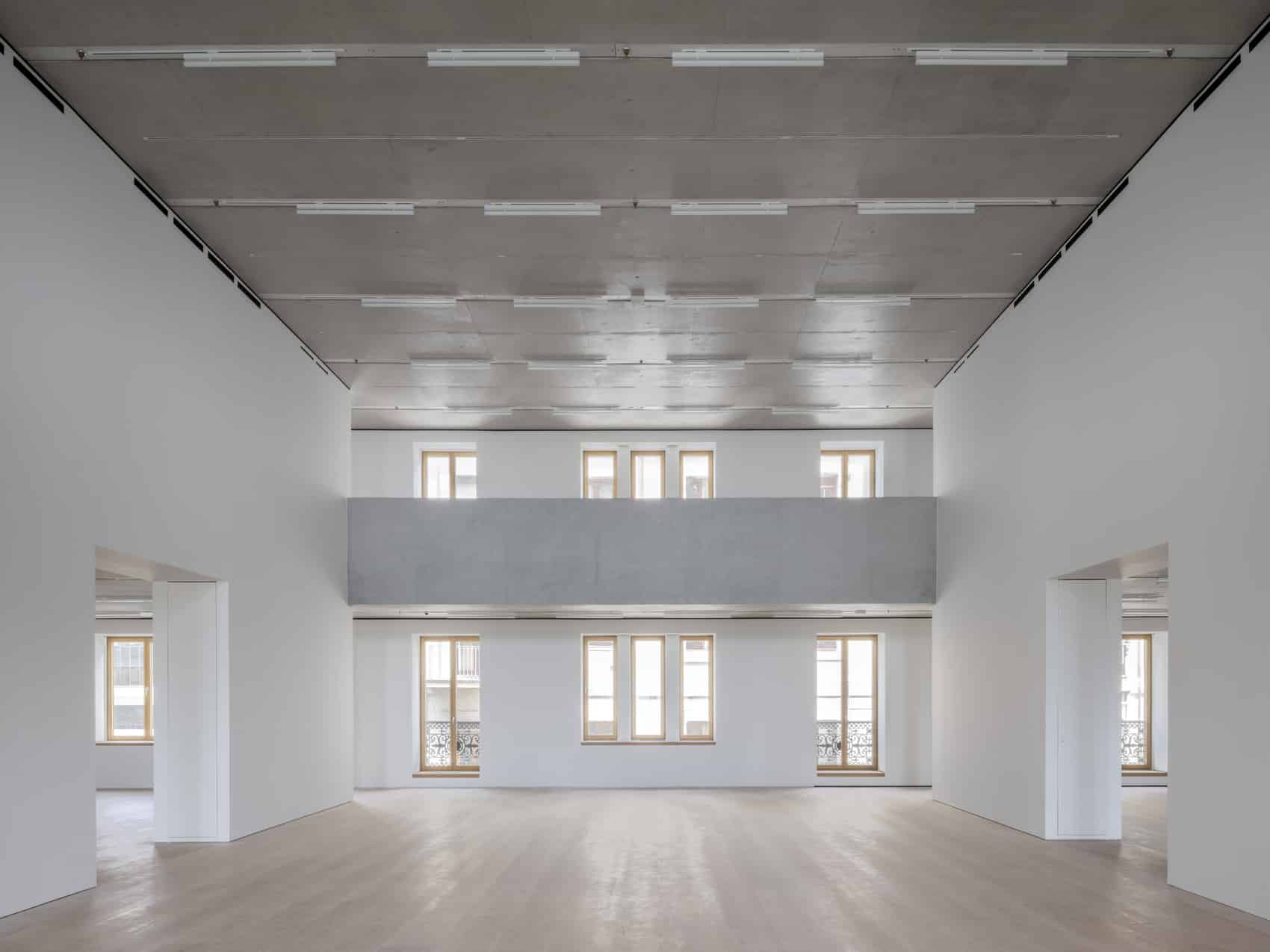
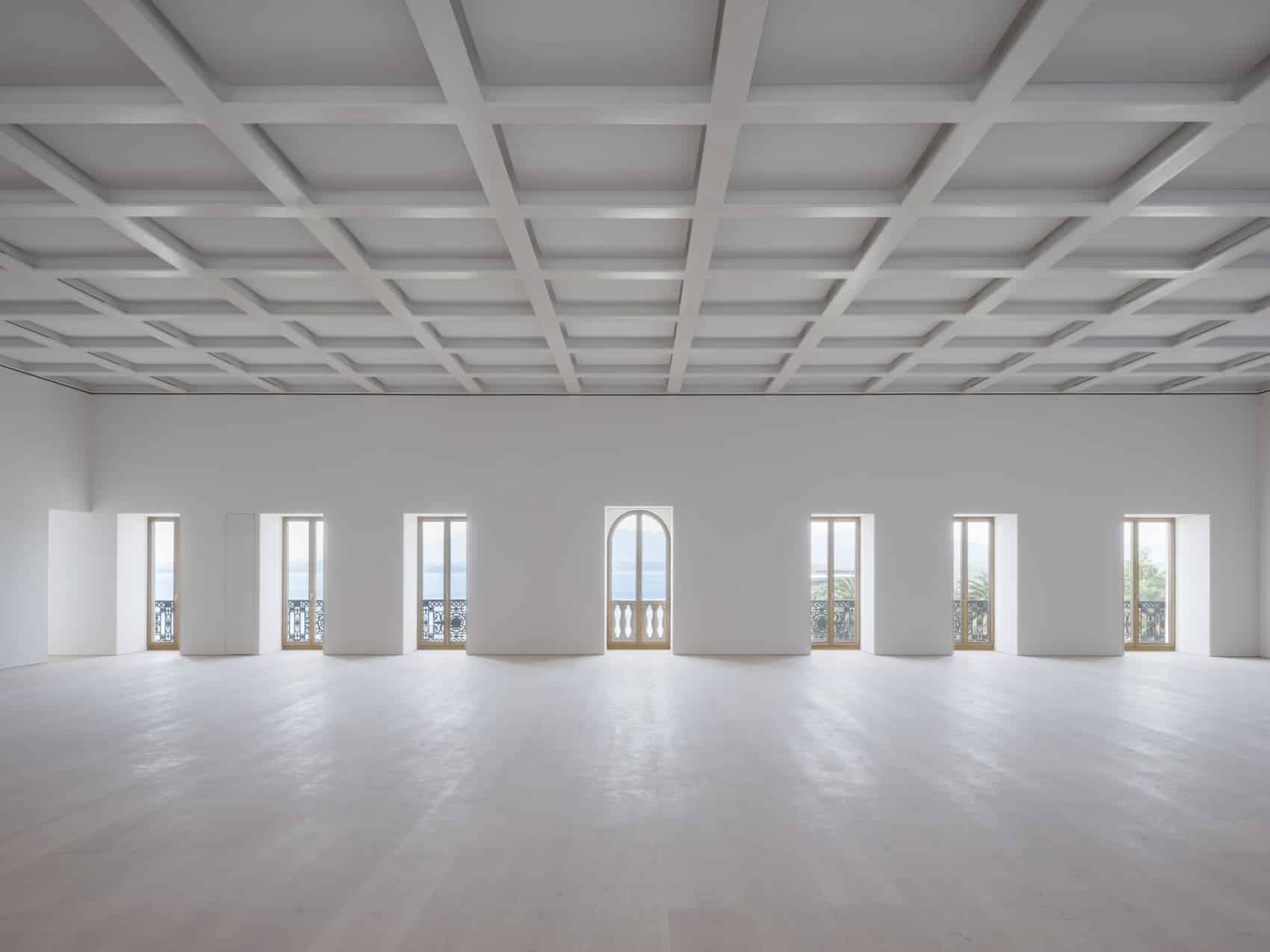
David Chipperfield, winner of the 2023 Pritzker Prize, approaches the transformation with respect, without sacrificing a contemporary intervention. He acknowledges the building’s urban presence, preserves what constitutes its memory, and reorganizes its spaces and circulation to transform a former bank headquarters—once private and compartmentalized—into an open, accessible museum connected to the city. Beyond its monumental presence, the intervention is understood through the experience of those who walk through the building.
The arch remains its most powerful feature: it functions not only as a monumental image but also as the point where the building engages with the street and becomes the museum’s central axis, acting as a gateway between the city and the sea and making this new purpose visible.
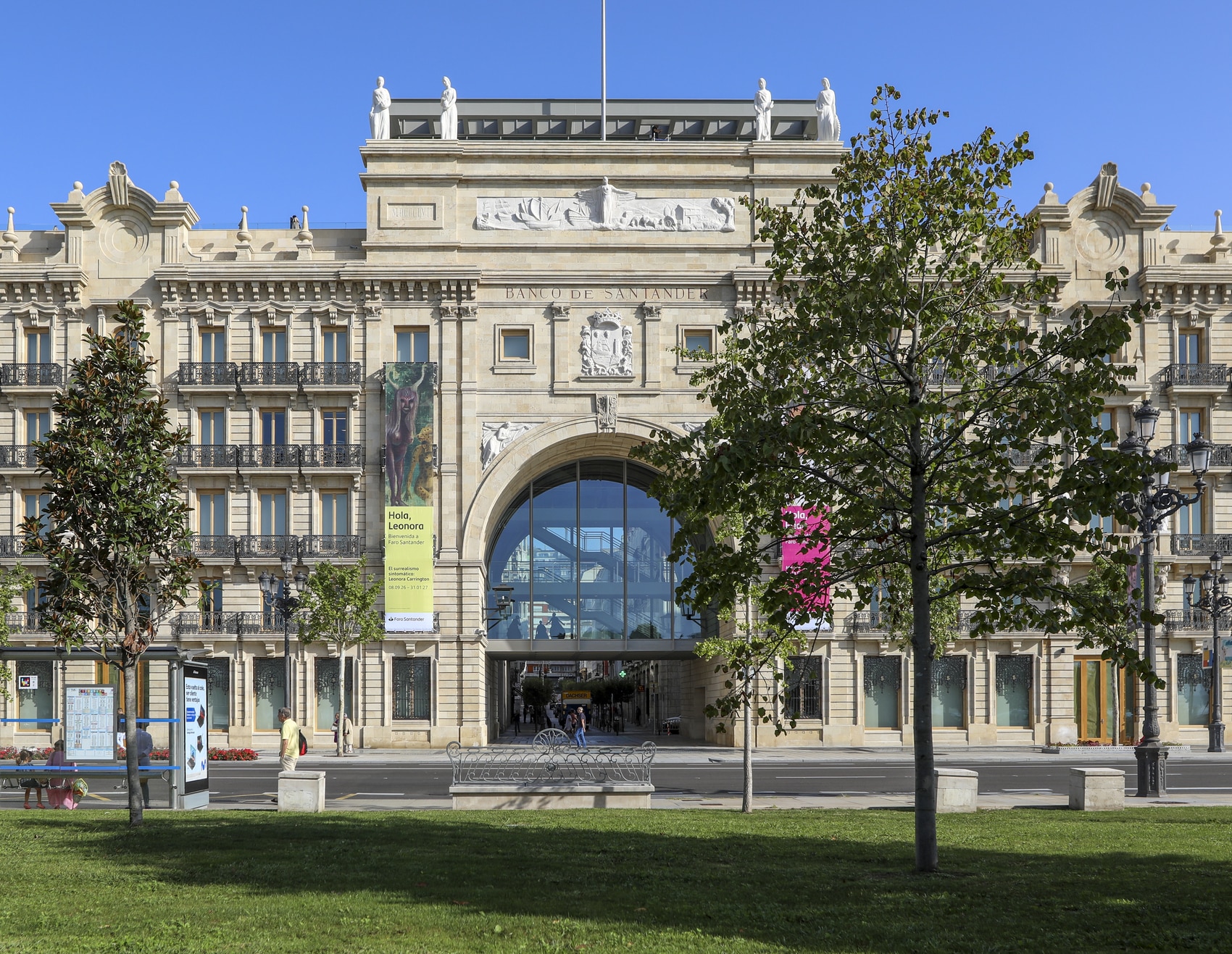
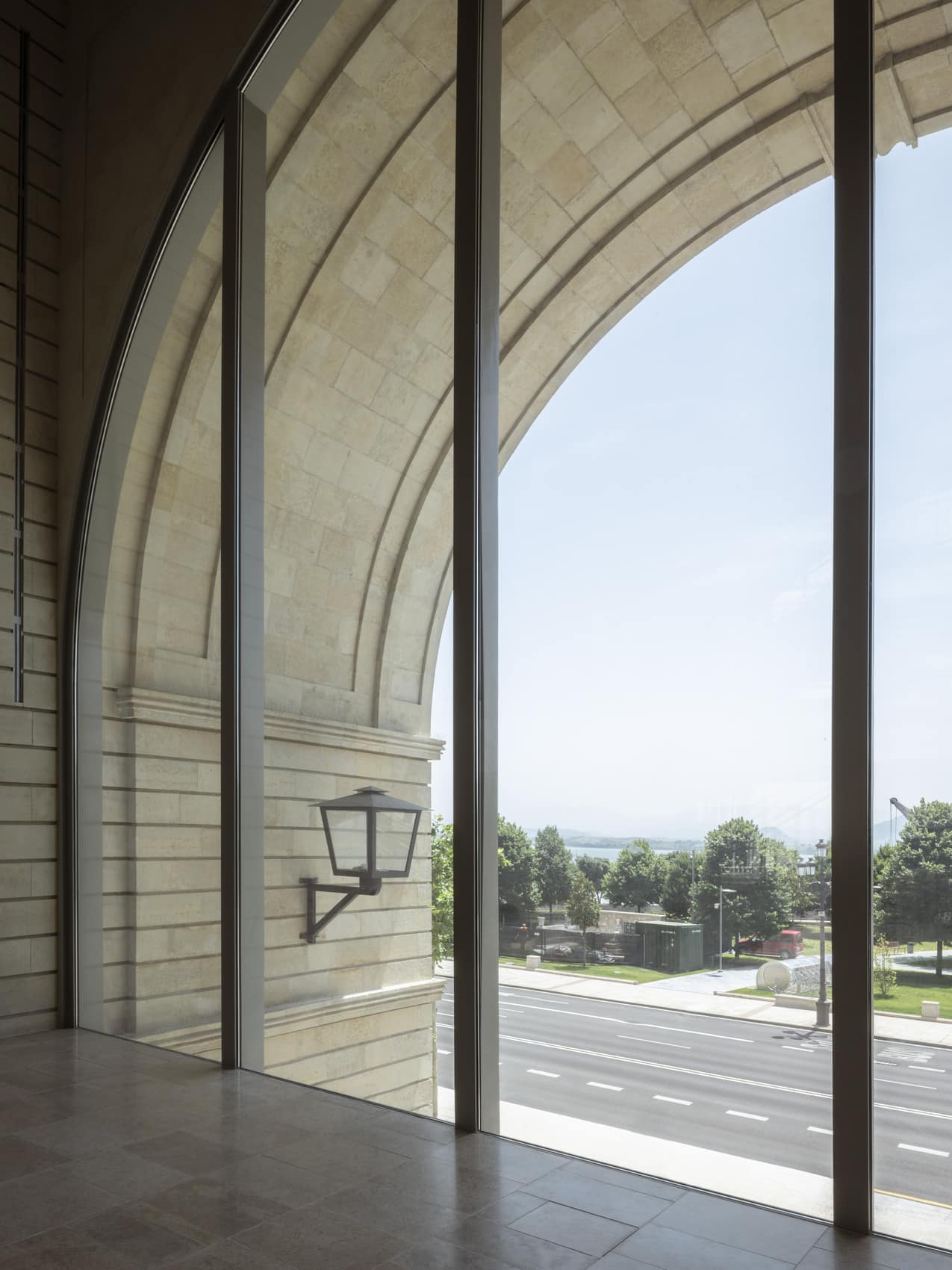
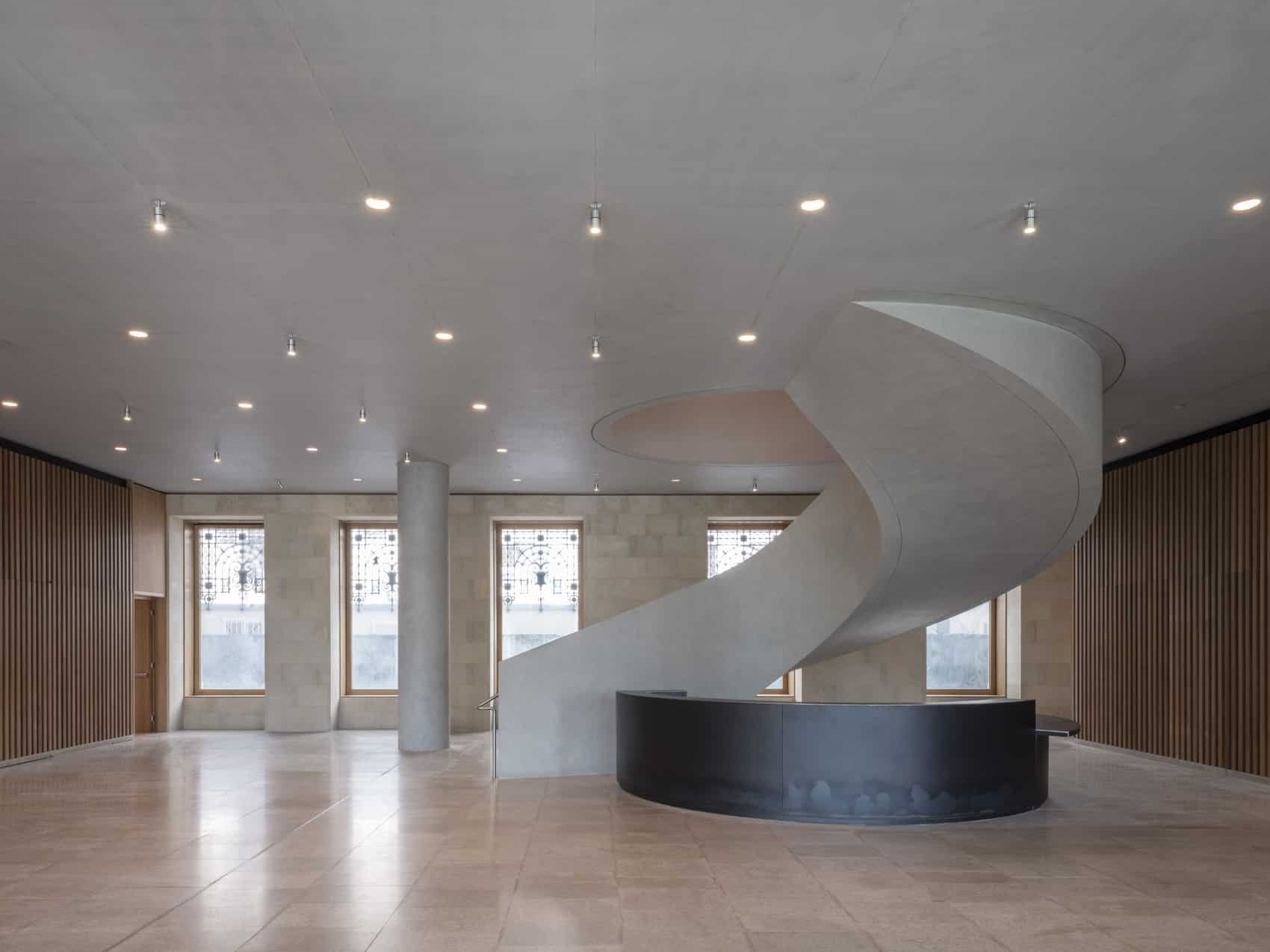
The project—the first museum designed by David Chipperfield Architects in Spain—aptly encapsulates their approach: reusing, reorganizing, and adding without erasing. It is a transformation that views cultural institutions not only as repositories of art but also as active agents of civic life, and that further incorporates an ambitious environmental strategy recognized with BREEAM Exceptional certification.
A museum on many levels
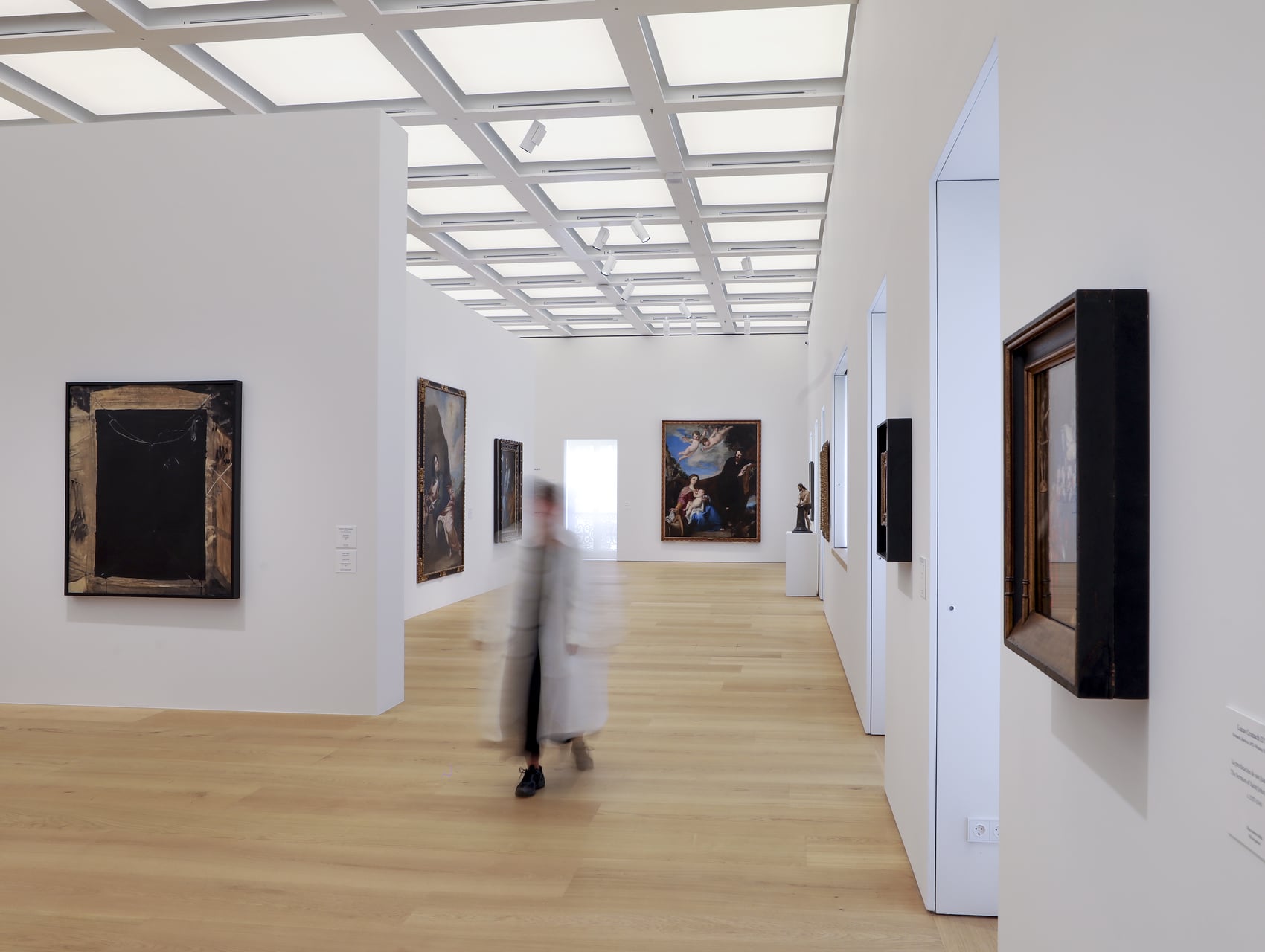
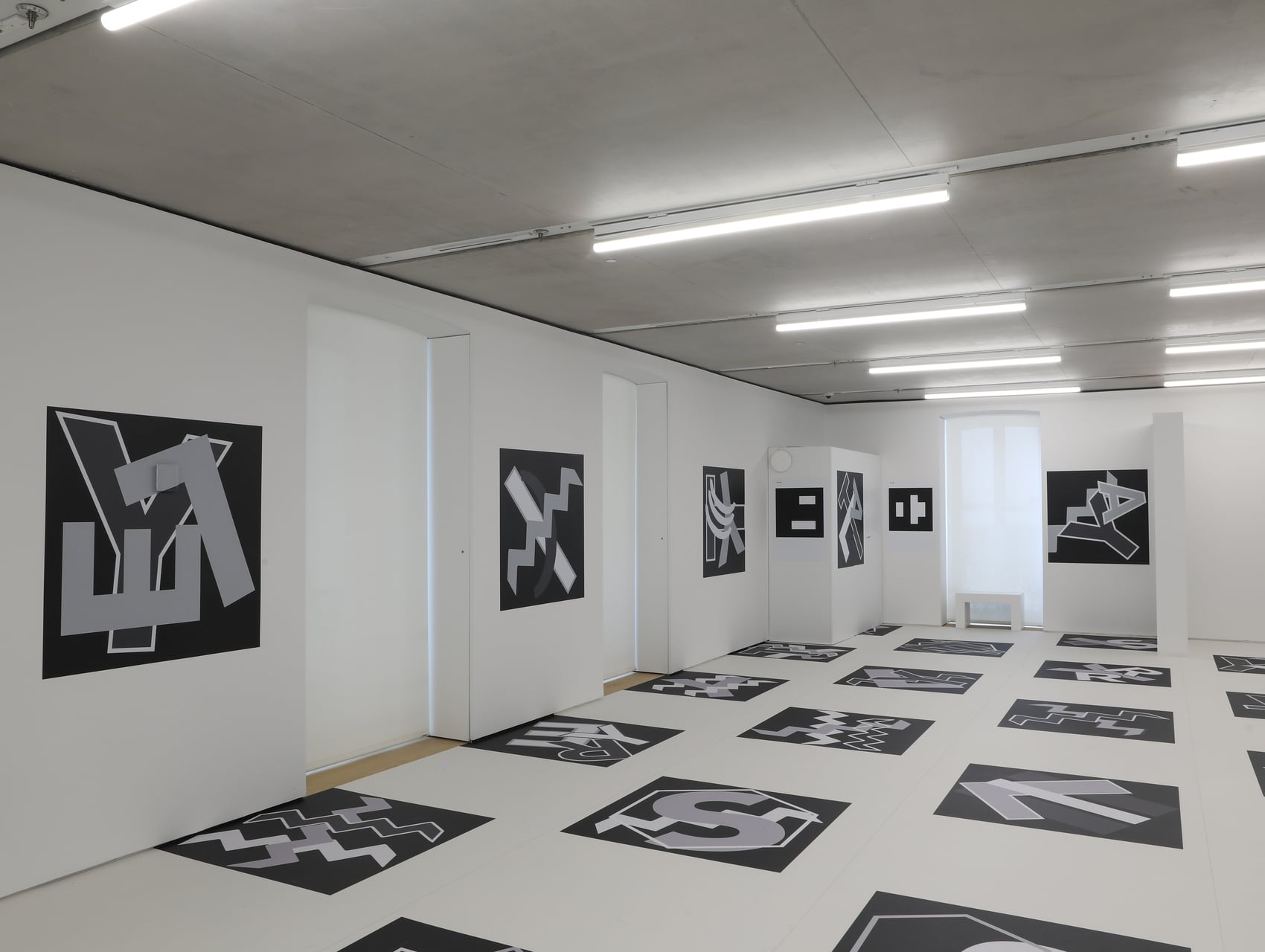
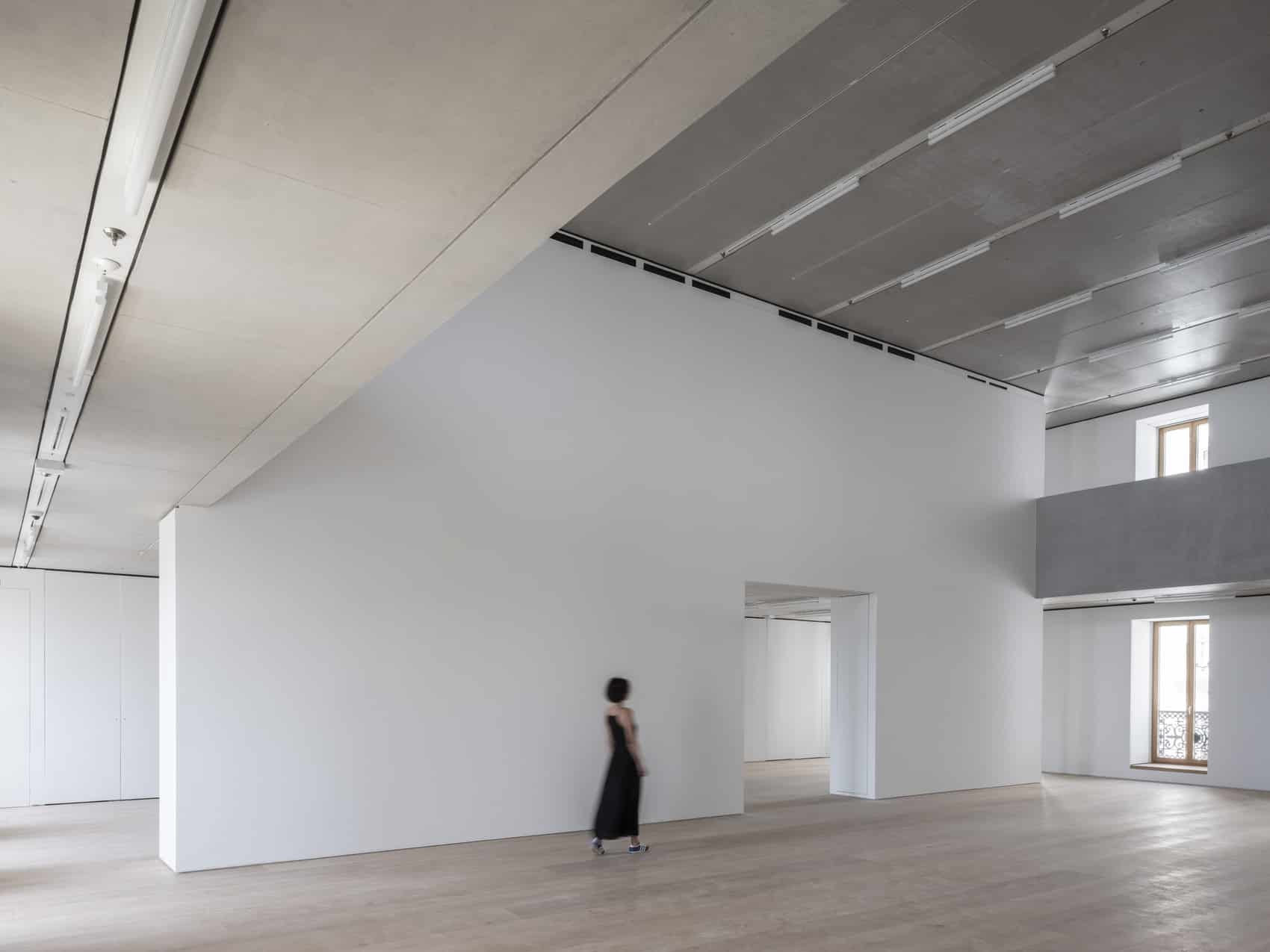
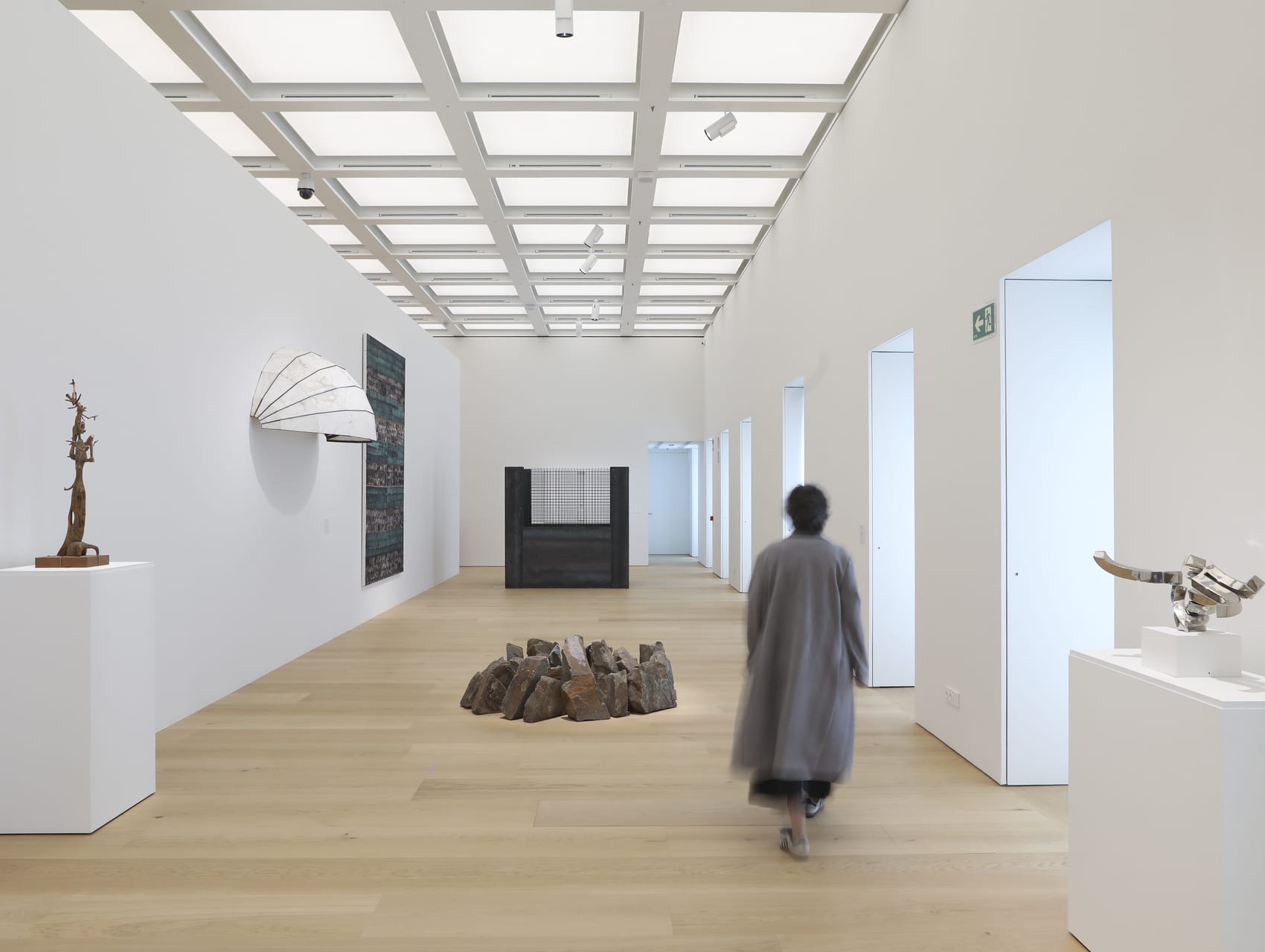
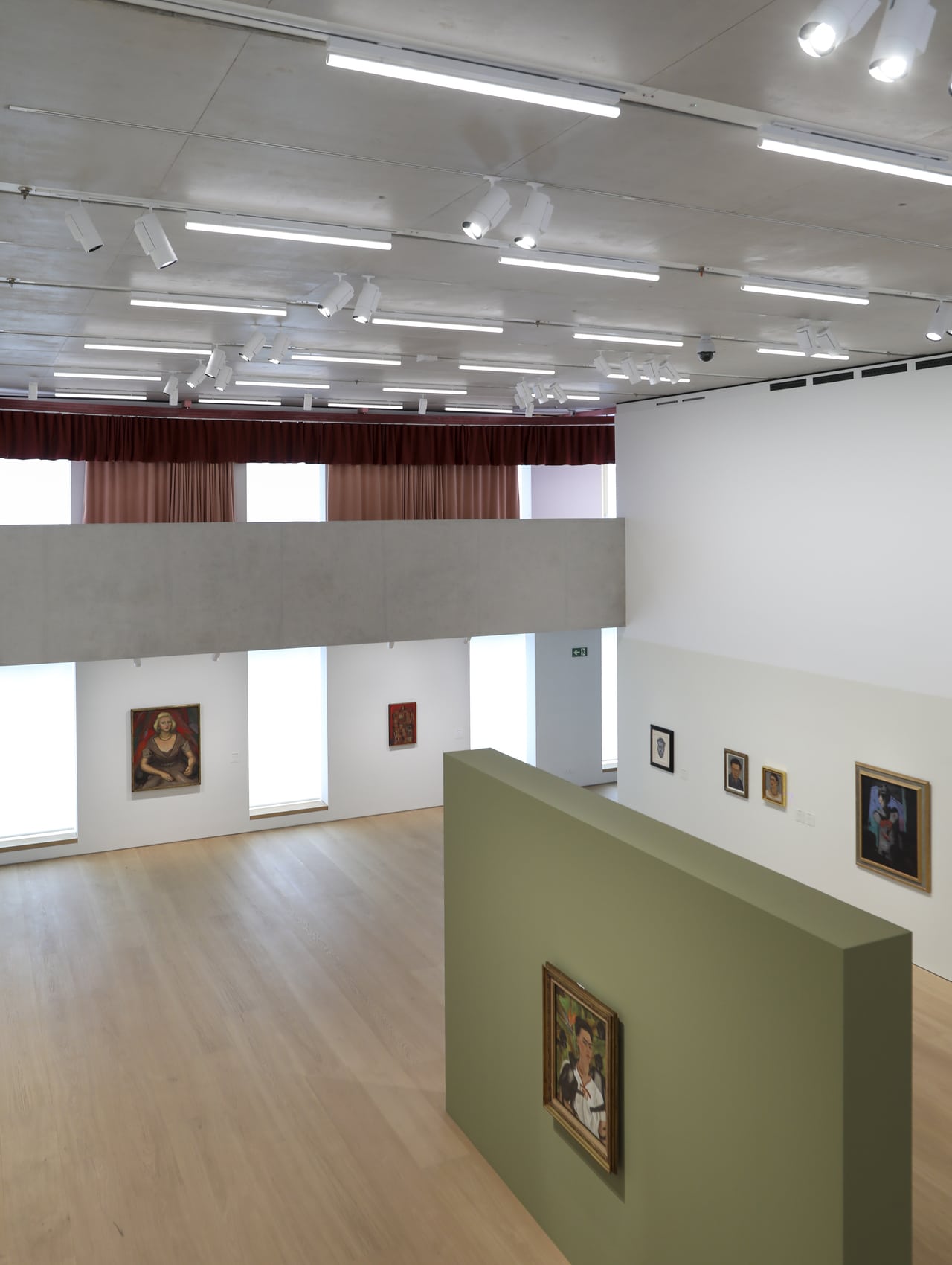
With more than 10,000 m² of usable floor space and nearly 3,000 m² dedicated to exhibitions, Faro Santander is not conceived as a conventional sequence of galleries. The exhibition route alternates between historical and contemporary spaces, masterpieces and ongoing processes, contemplation and experience.
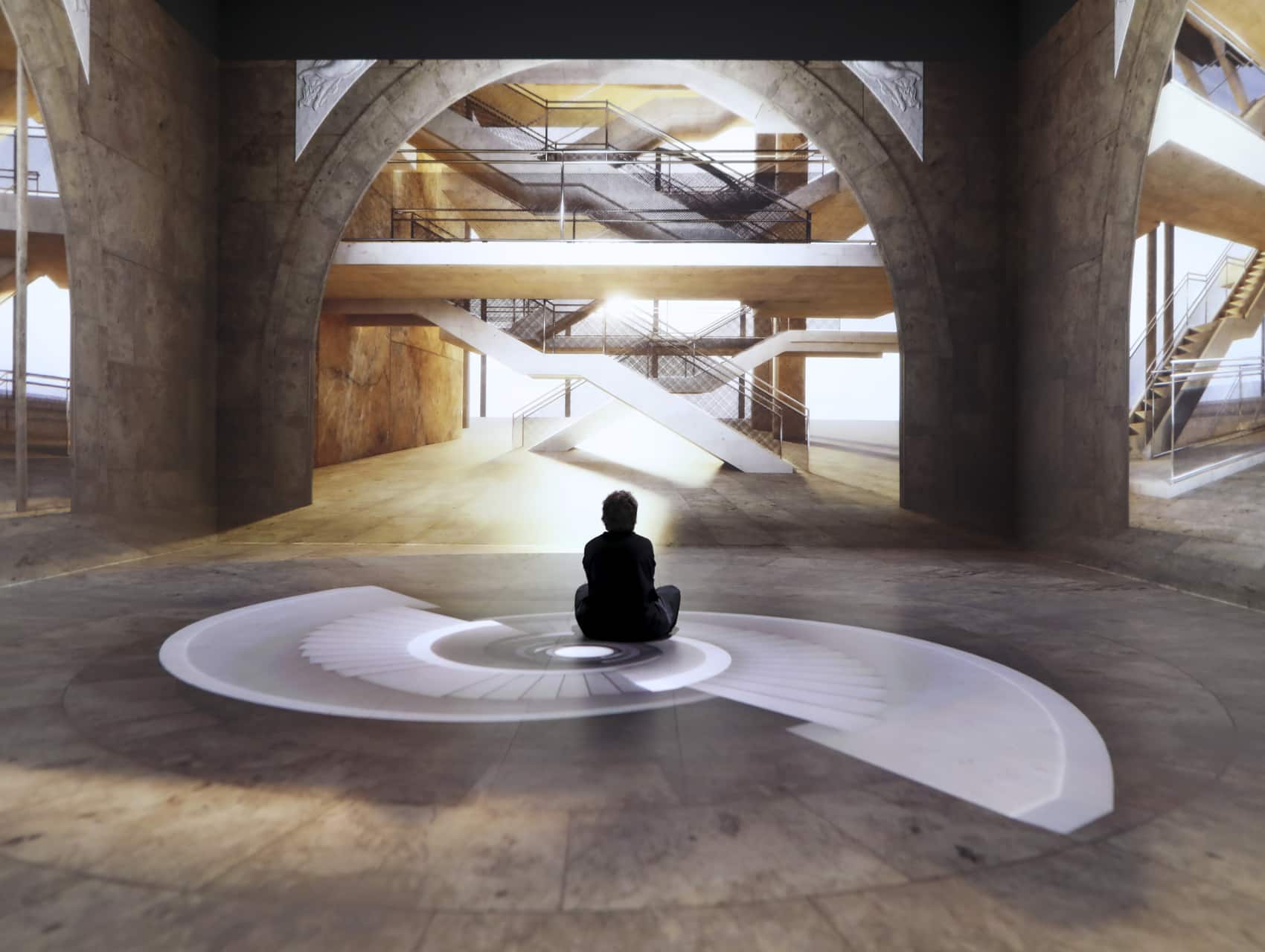
Faro Santander expands the exhibition experience through four program areas. Cubo explores the relationship between art and technology through immersive installations; it opens with *Antes de Faro Santander* (Before Faro Santander), an audiovisual journey through the history of the building and the city. Llamita, designed for children and families, uses play as a starting point for engaging with art. Marisma provides a space for collaborative projects linked to Cantabria’s creative community. Finally, Los Jueves de Faro and Los Especiales de Faro extend the programming to include film, music, and thought, both inside and outside the museum.
This diversity defines a cultural center that does not require a single way to engage with it. Visitors can enter through a work of art, the building’s history, a digital experience, a workshop, or simply out of curiosity to walk through a door that remained closed for years.

Three perspectives to begin with
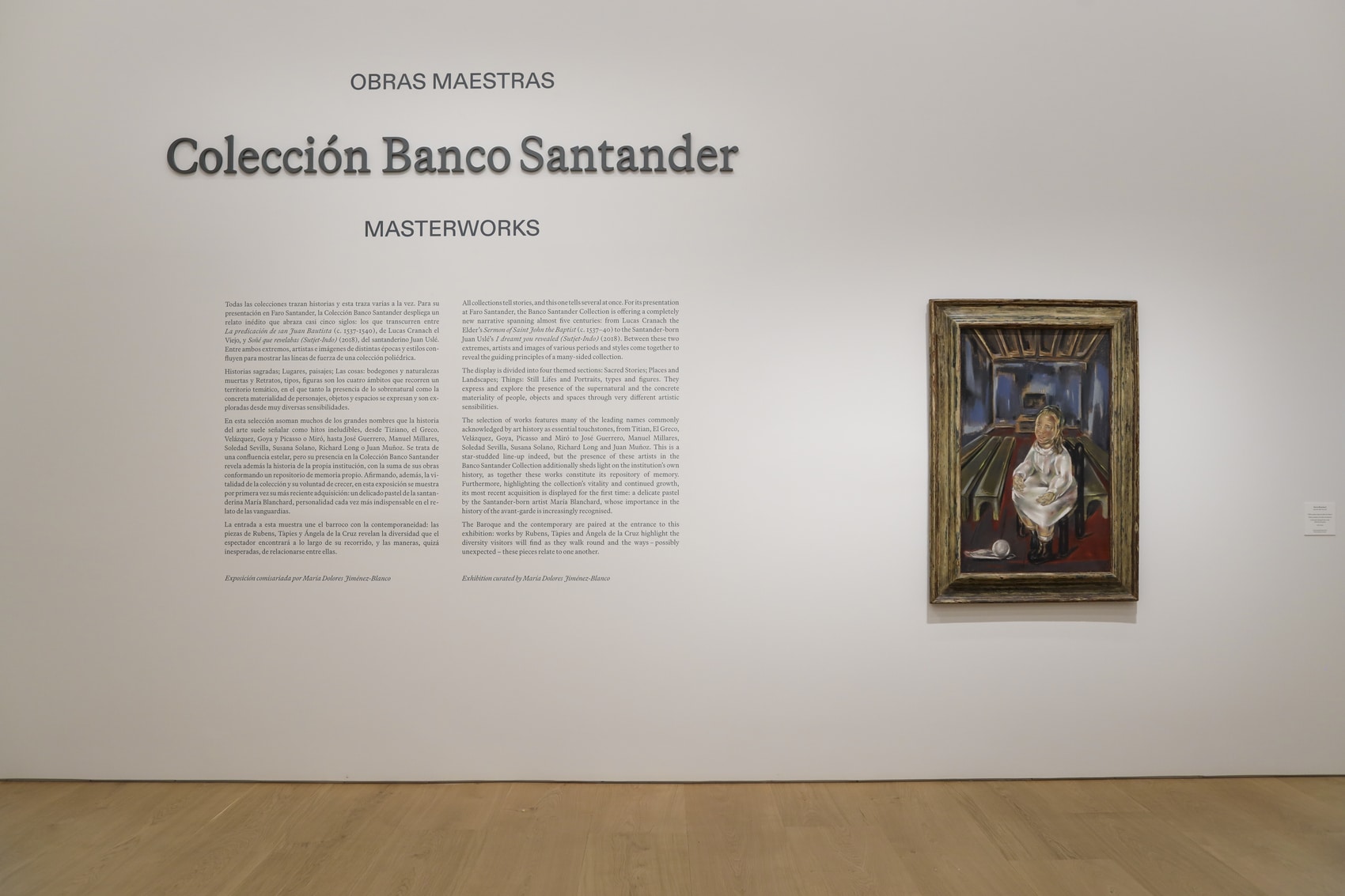
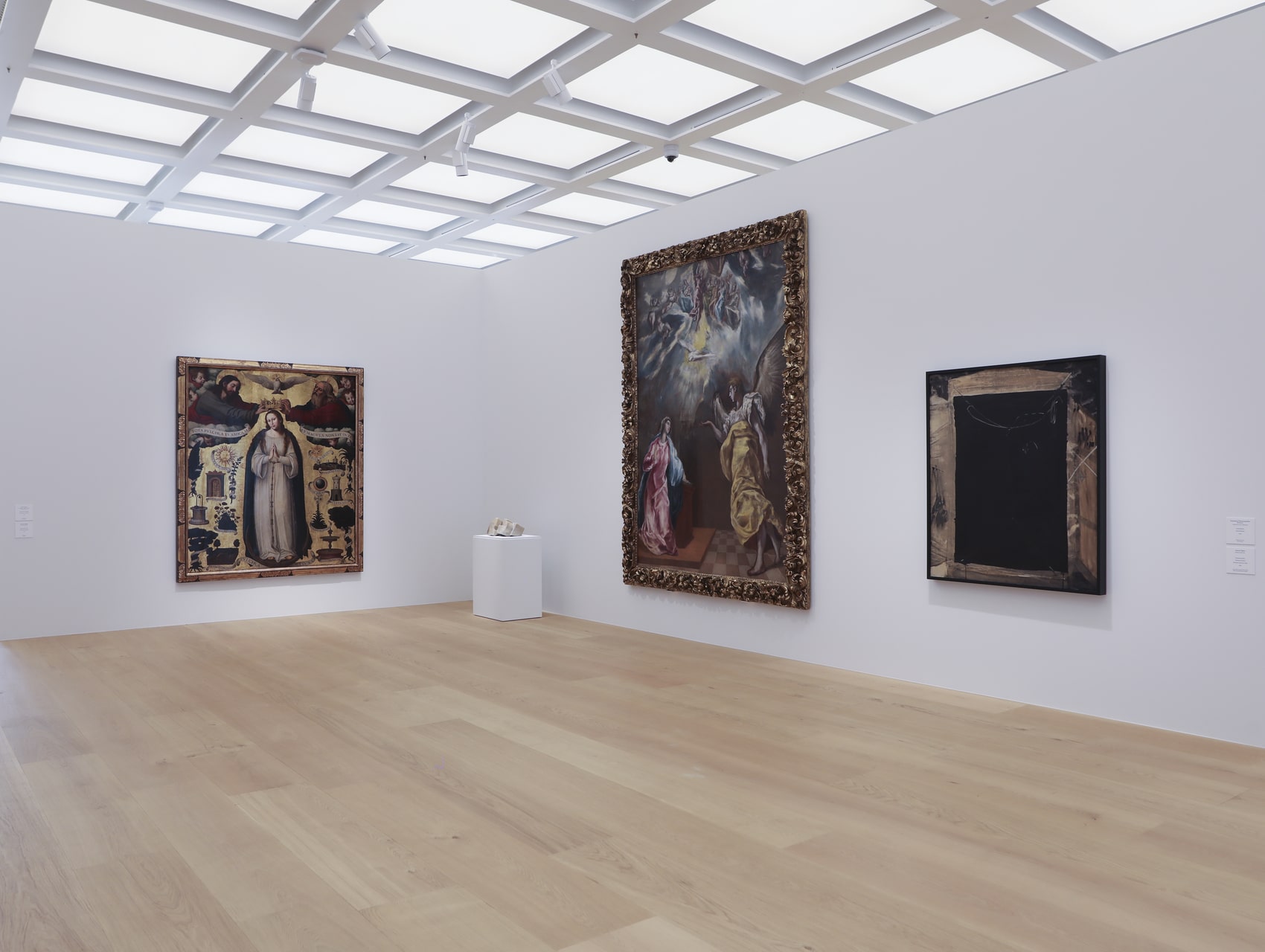
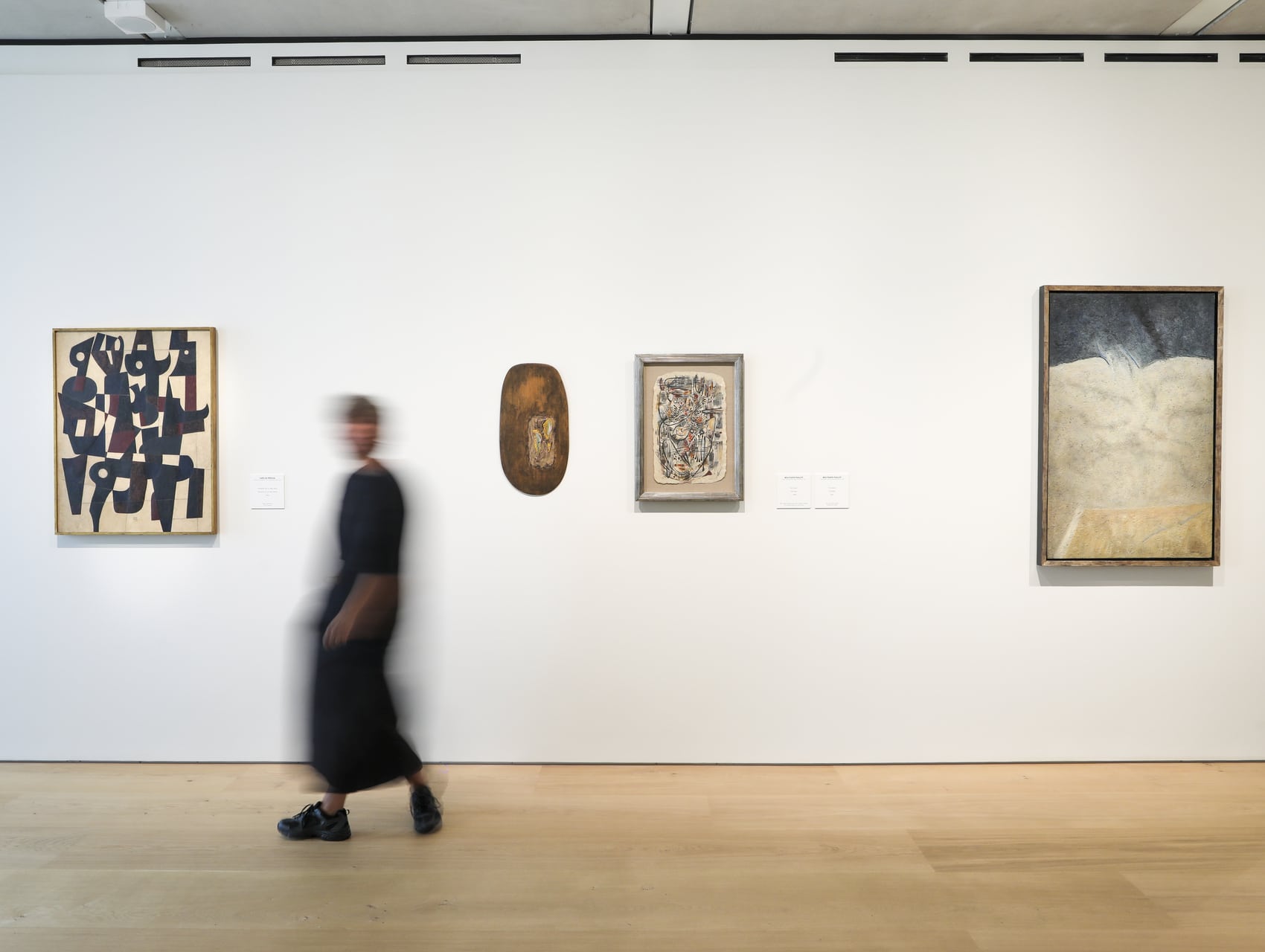
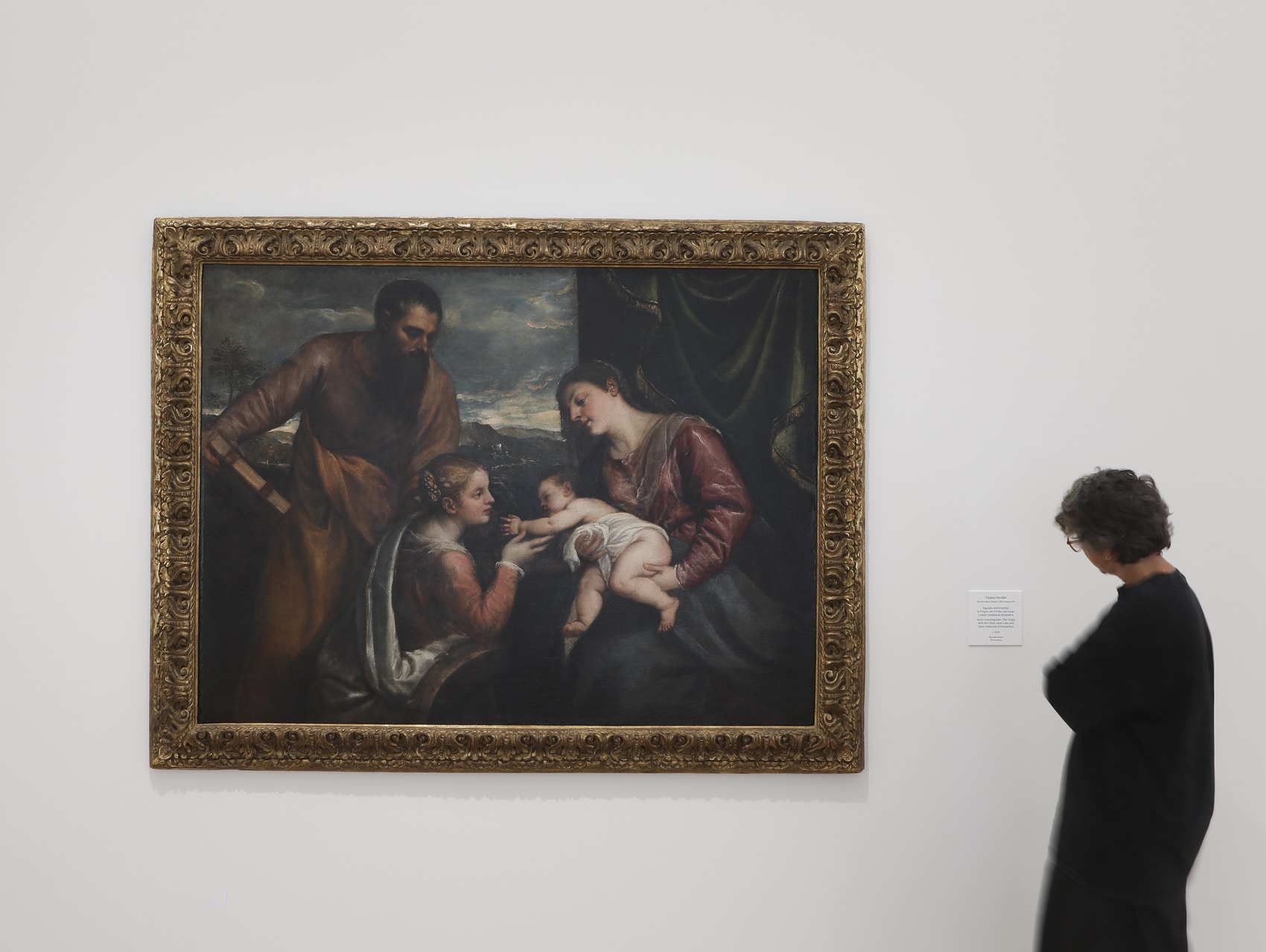
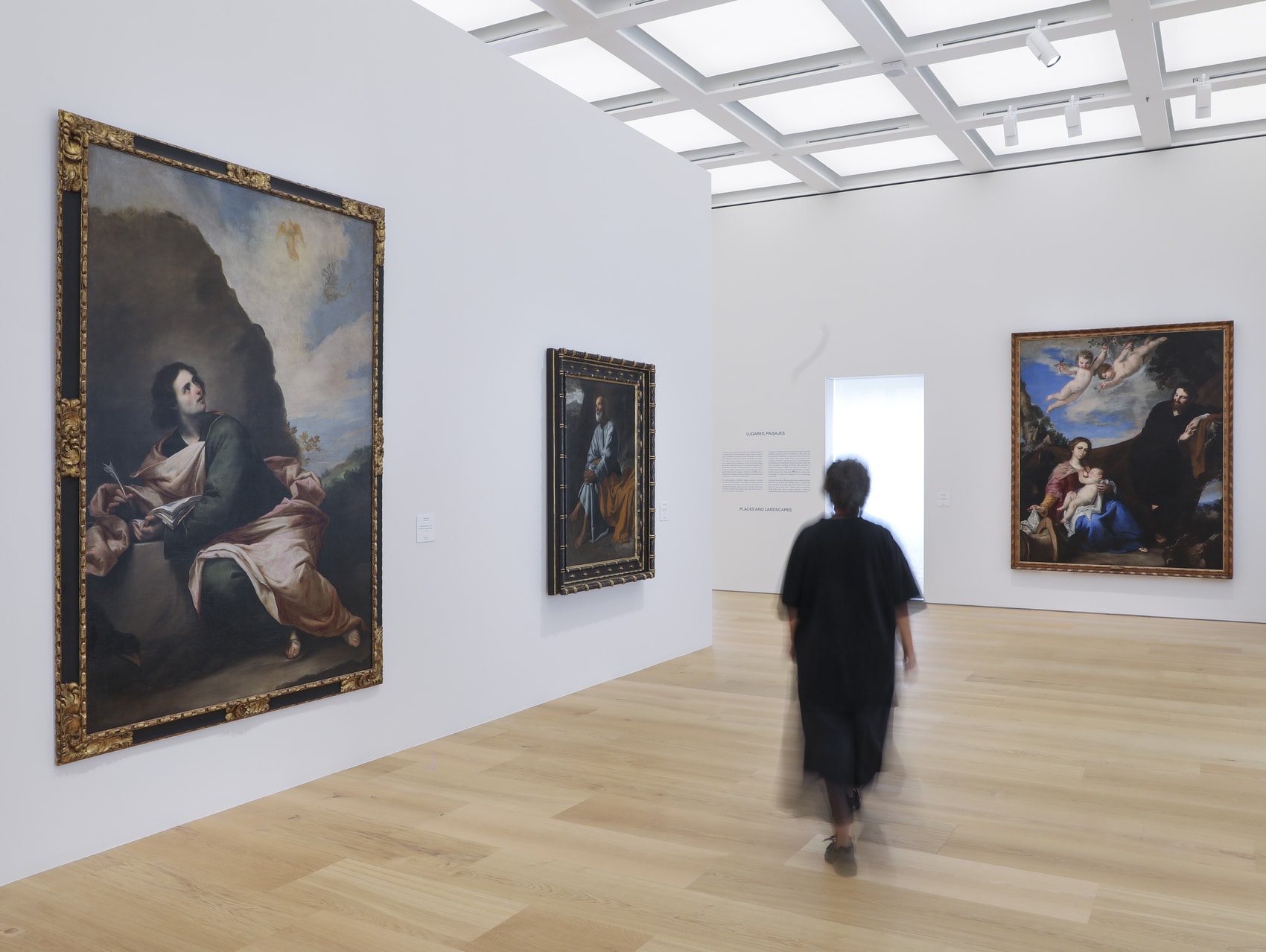
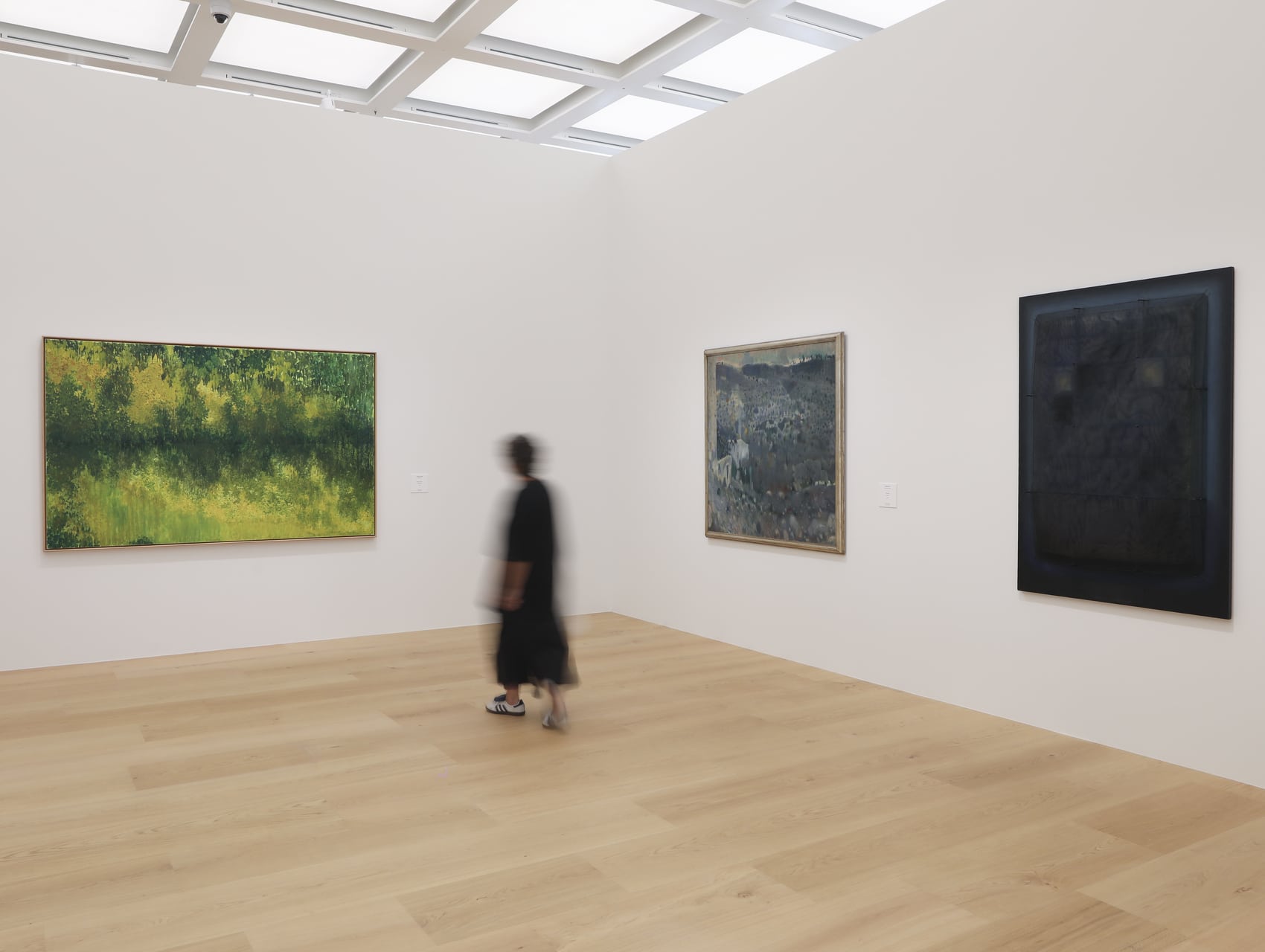
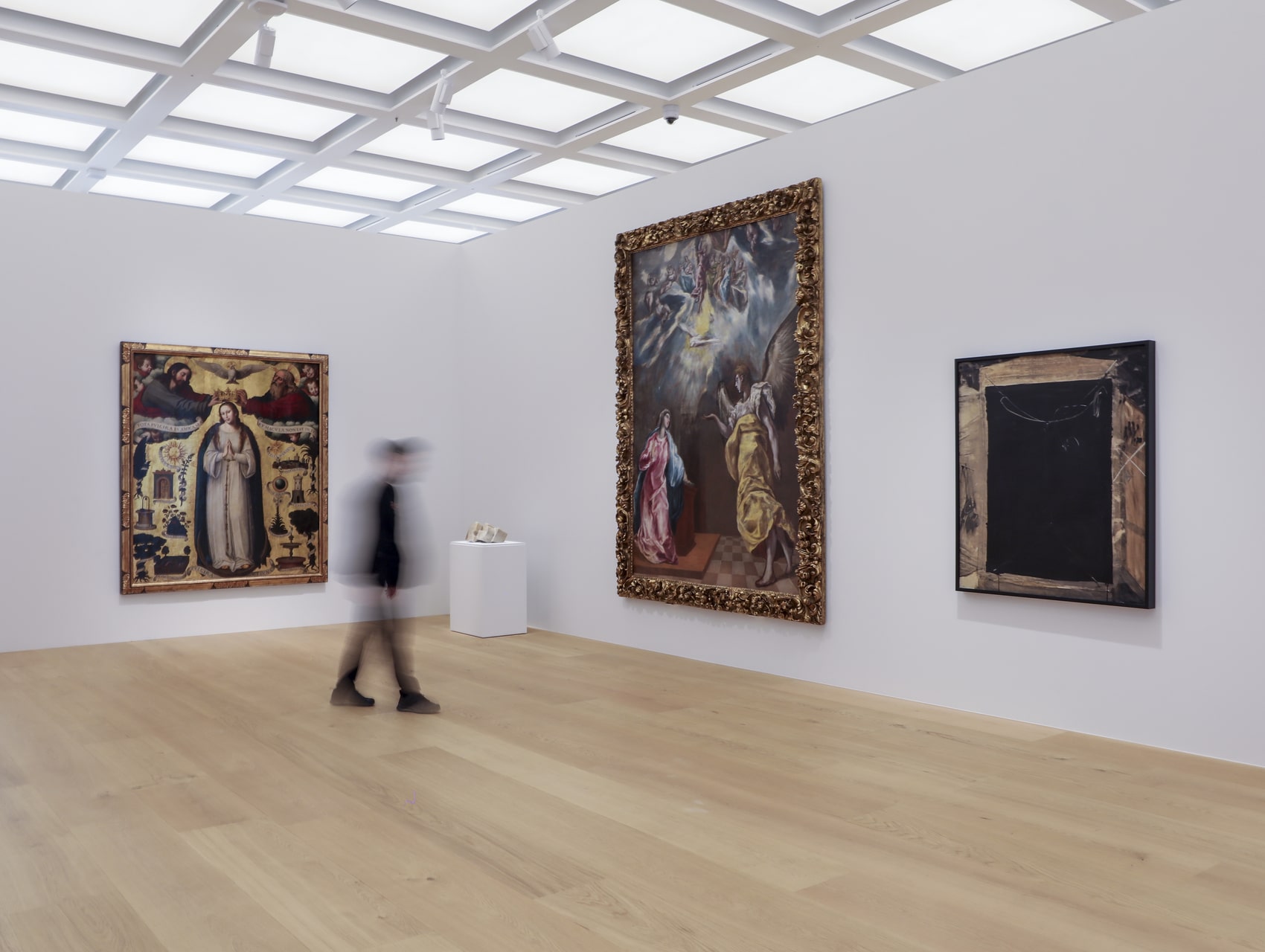
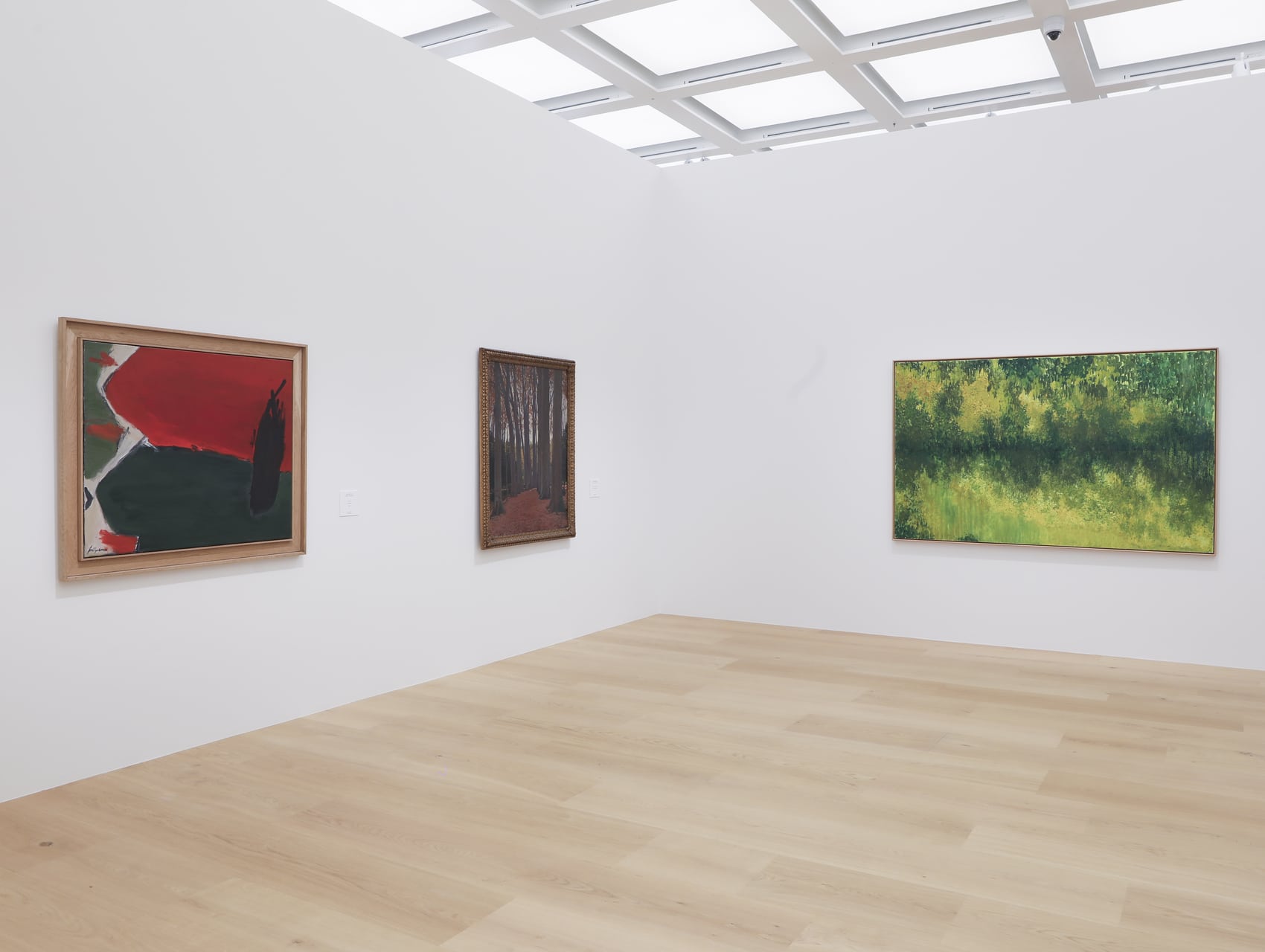
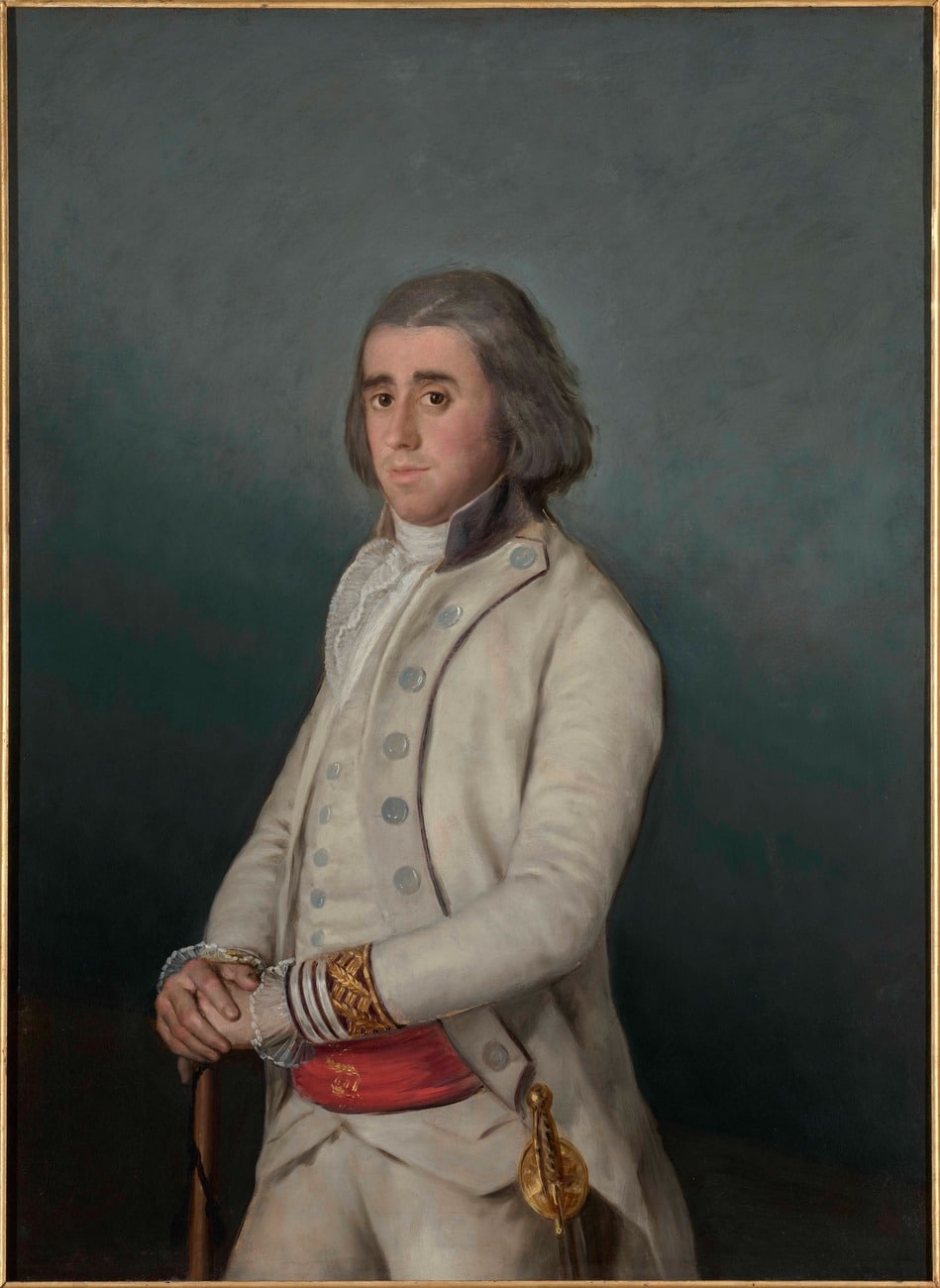
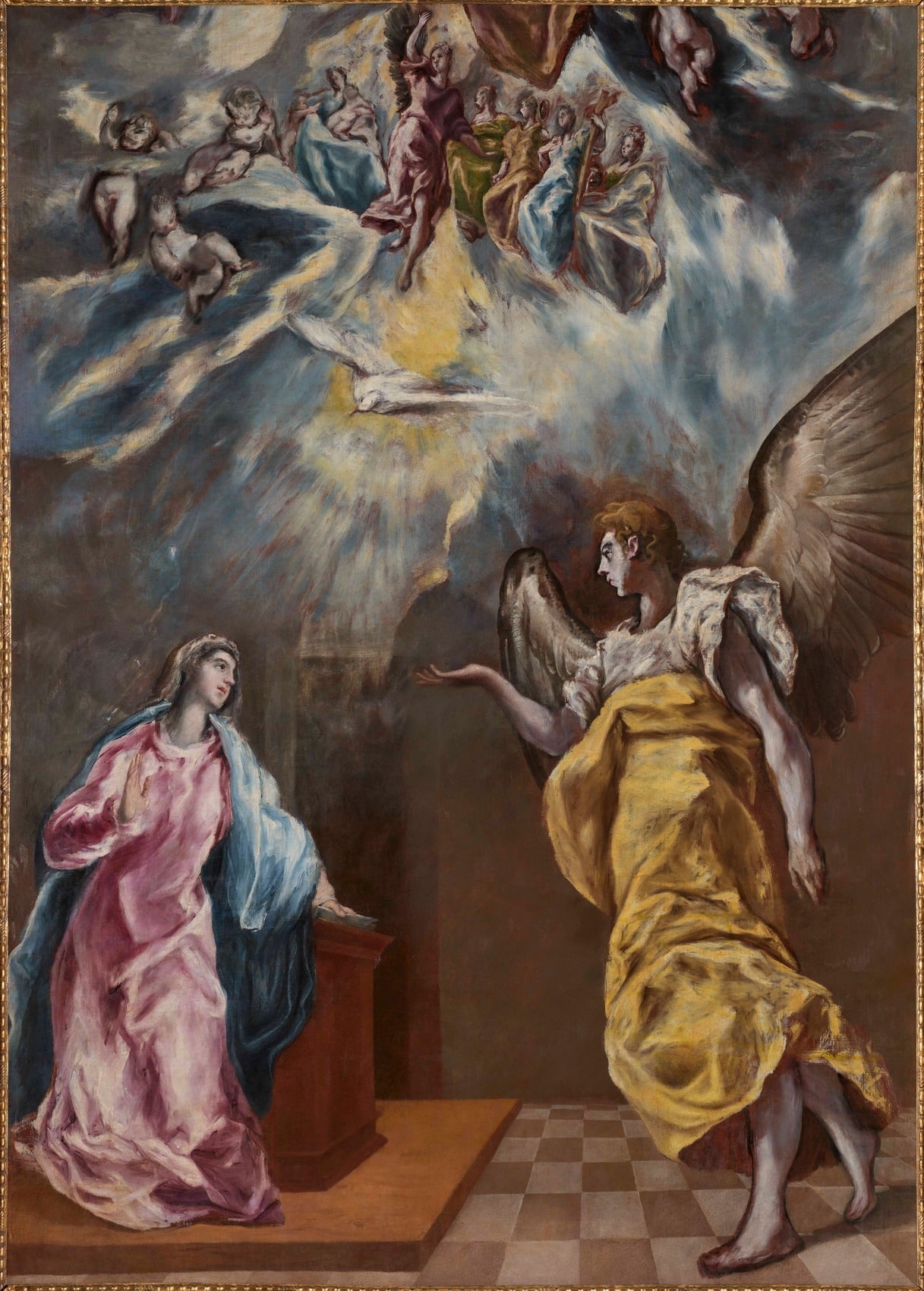
The inaugural program brings together three deeply compelling narratives. “Masterpieces from the Banco Santander Collection” features artists such as El Greco, Titian, Velázquez, Rubens, Goya, Picasso, Miró, Tàpies, Chillida, Zóbel, María Blanchard, Cristina Iglesias, and Santander native Juan Uslé. The selection unfolds a unique narrative spanning nearly five centuries and allows visitors to discover connections between different eras and sensibilities. Places, landscapes, sacred stories, and dialogues between the spiritual and the earthly, matter and its absence, fullness and emptiness, are all part of a journey that invites viewers to find their own way of engaging with the artwork. “Landscape as a cultural creation is the result of the gaze of those who view it from the outside, but also of those who inhabit it.” María Dolores Jiménez-Blanco, curator of the exhibition.

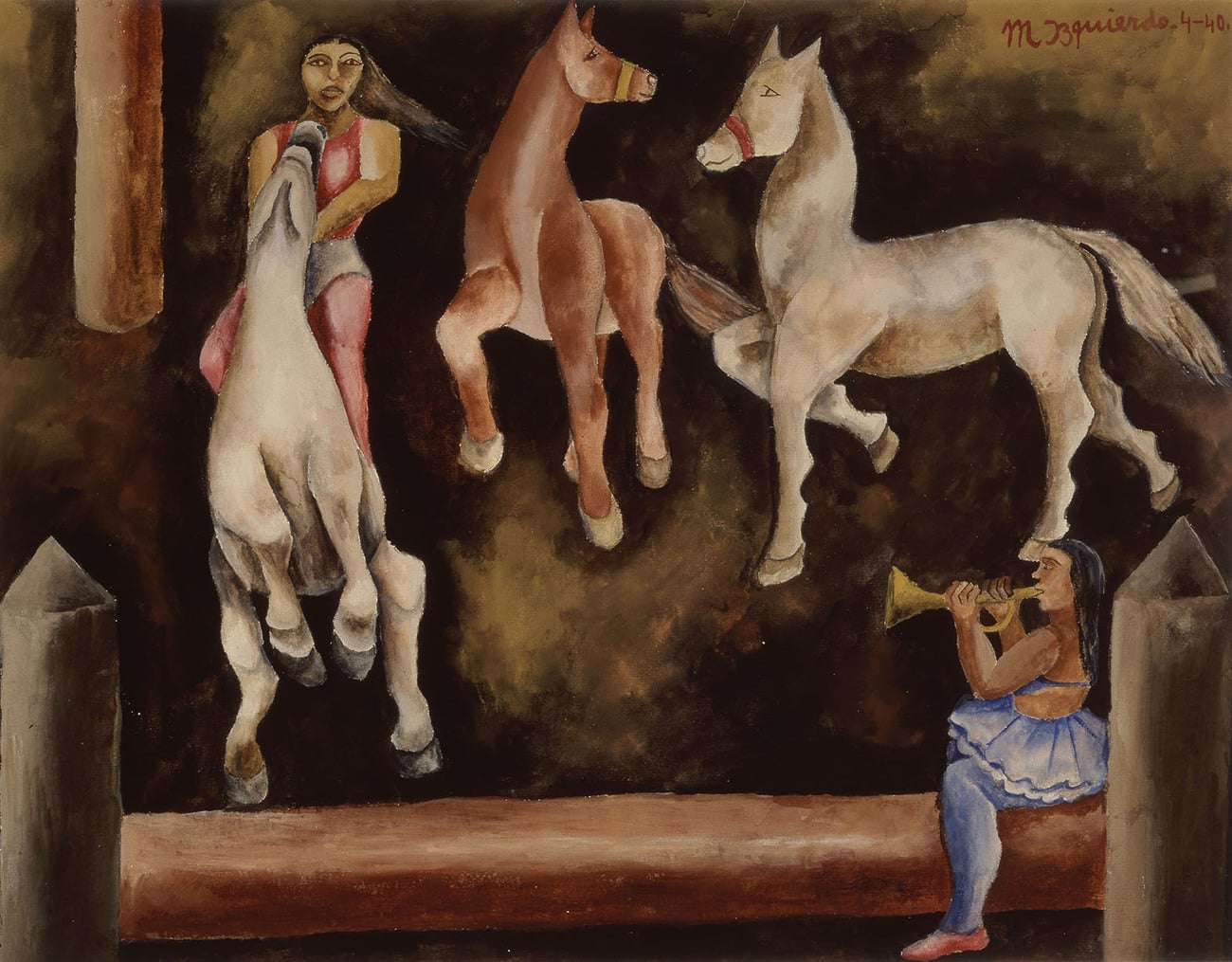
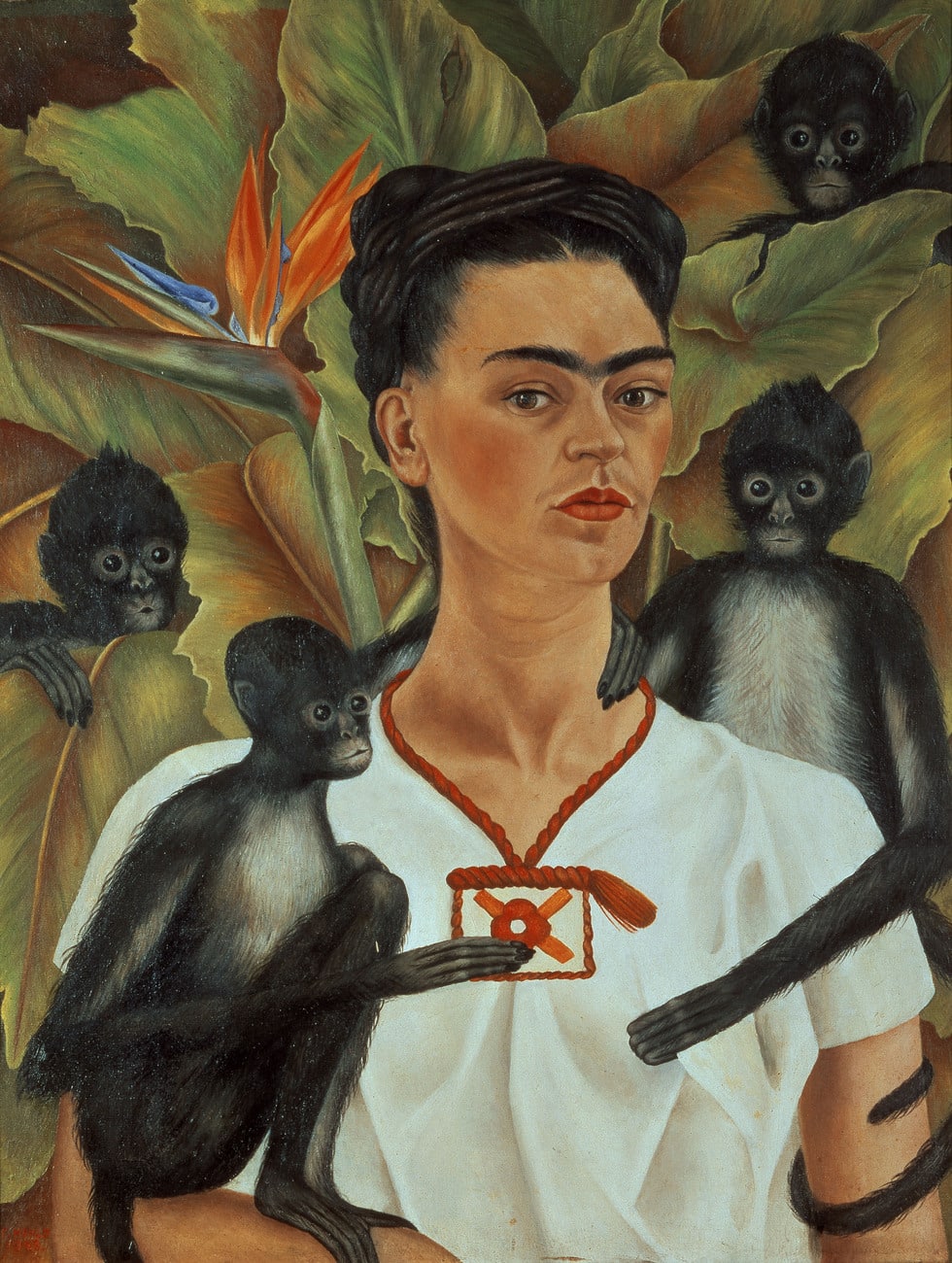
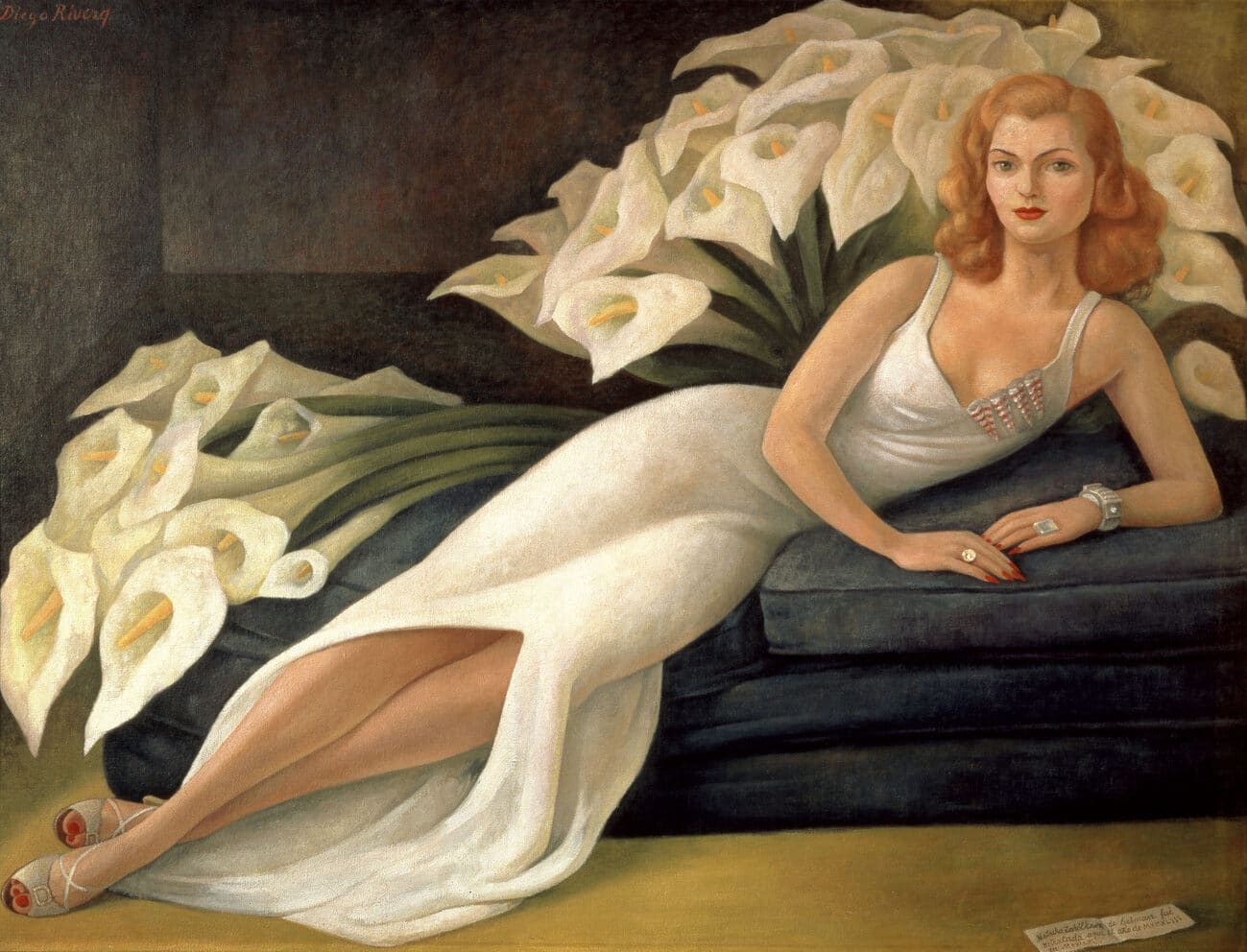
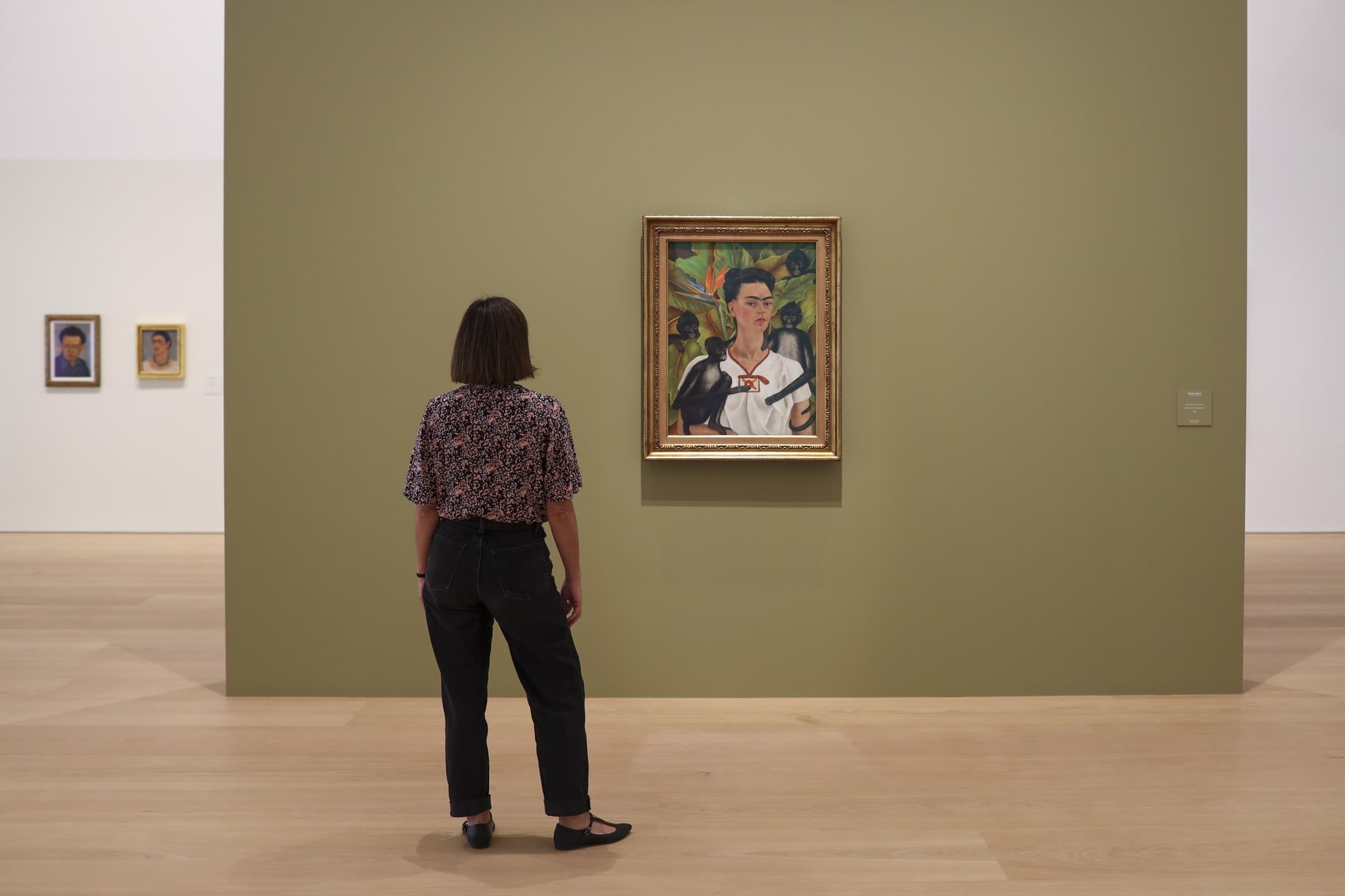
“Modern Mexico in the Gelman Santander Collection” explores one of the key chapters in 20th-century Mexican art with works by Frida Kahlo, Diego Rivera, José Clemente Orozco, David Alfaro Siqueiros, and Rufino Tamayo.
Jacques and Natasha Gelman, Europeans who became Mexican citizens, built their collection thanks to their close ties to Mexico City’s cultural scene. Jacques made his fortune in the film industry as a producer of some of Cantinflas’s films, which enabled the couple to become patrons of artists such as Frida Kahlo and Diego Rivera. The collection offers an exceptional journey through Mexico’s diverse modernity, ranging from the historical and political dimensions of muralism to more intimate and symbolic creations, all interwoven with identity and the construction of a distinct cultural image, with Frida Kahlo at its emotional center.
Exhibition curated by Marisol Argüelles, director of the Museum of Modern Art of Mexico.

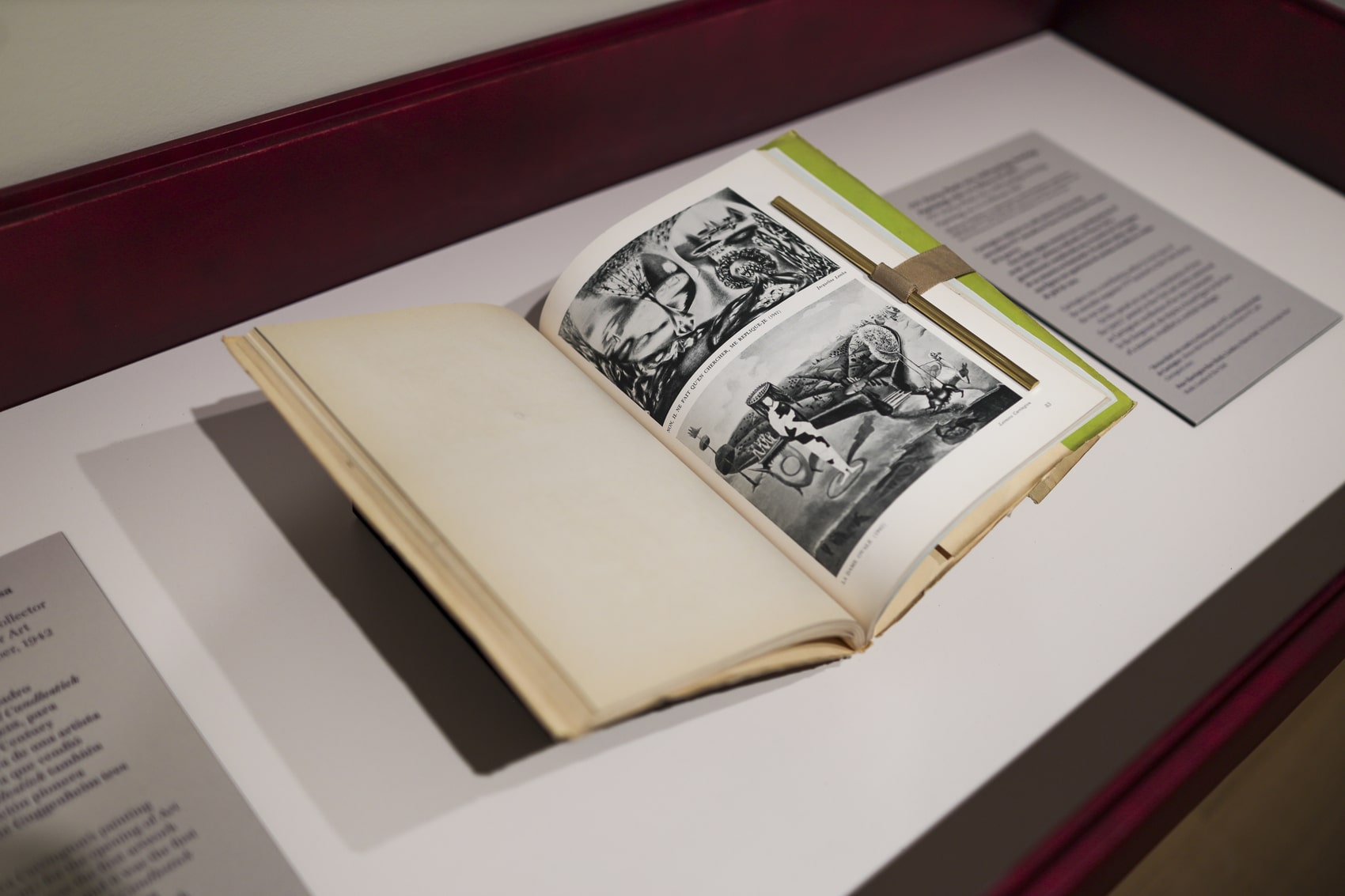
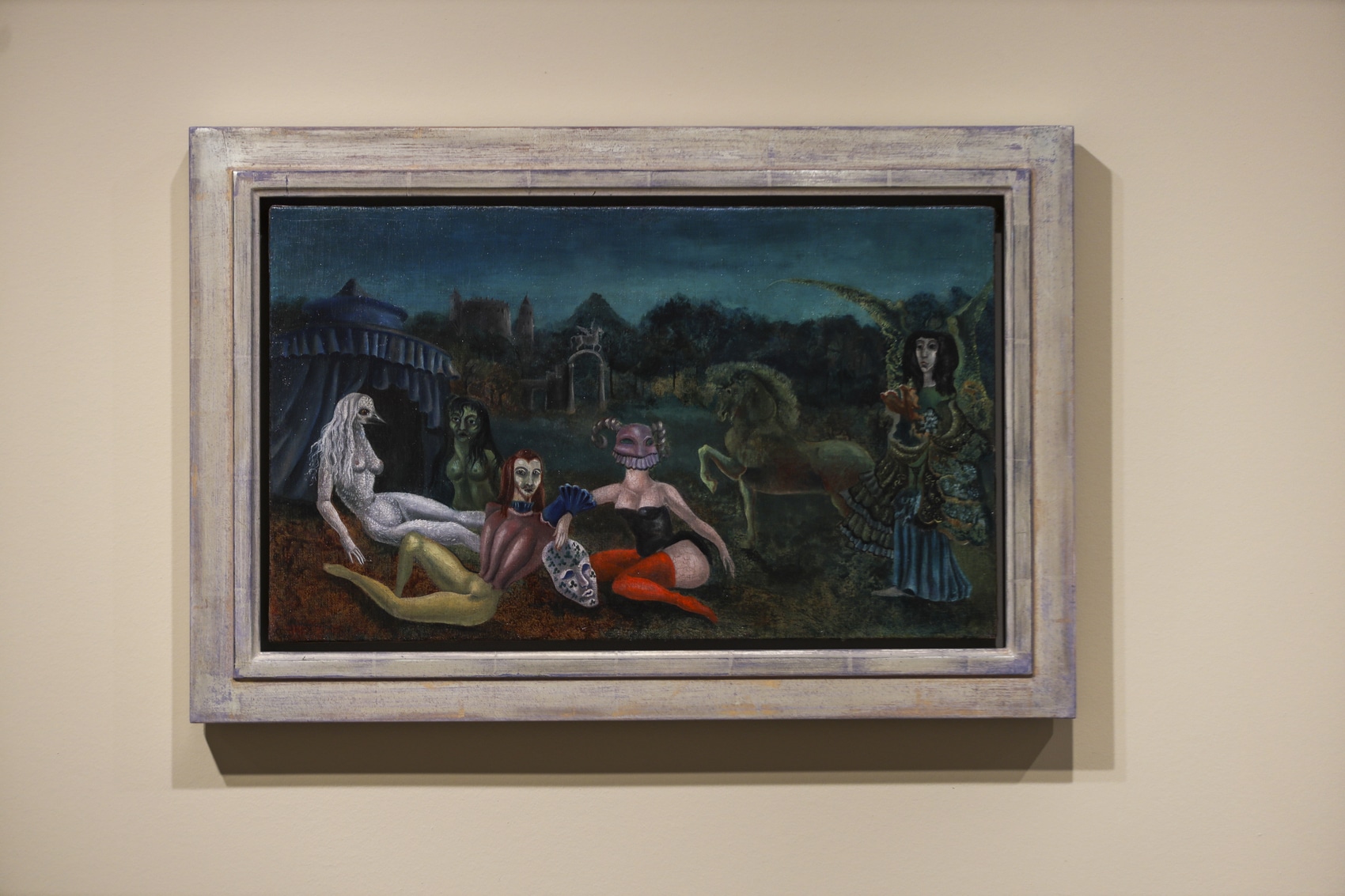
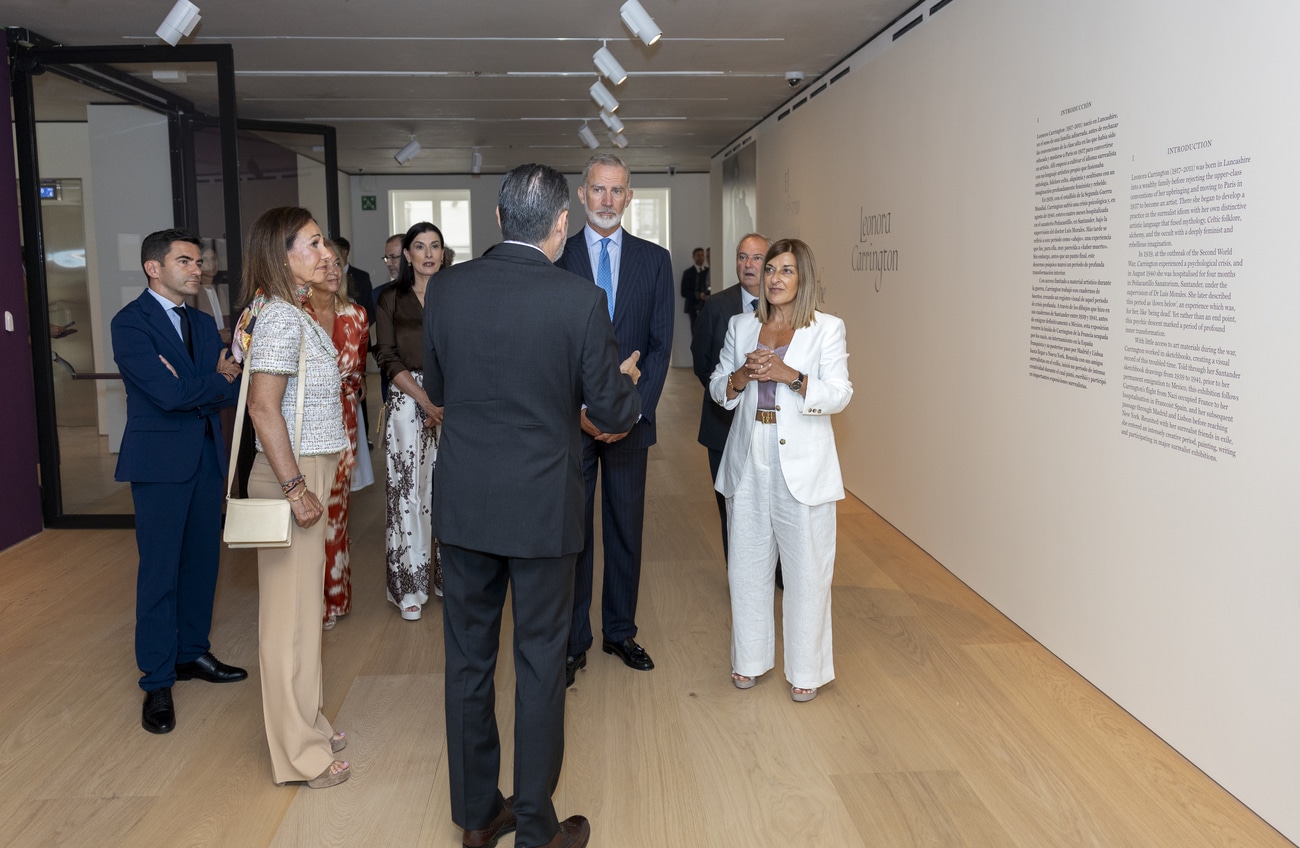
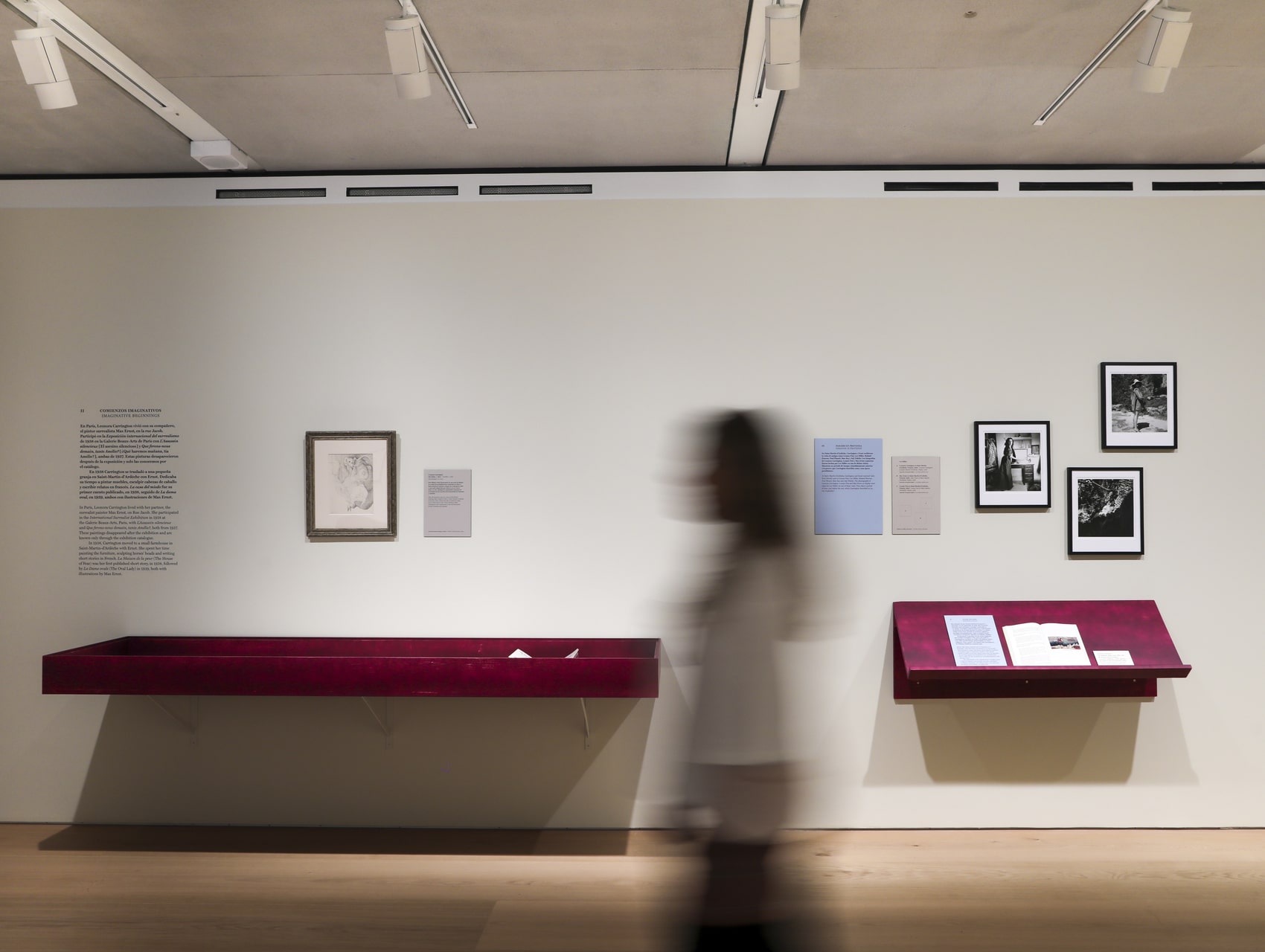
Symptomatic Surrealism: Leonora Carrington has a particularly significant connection to Santander. The exhibition revisits the period the artist spent in the city in 1940 and brings together works related to that time, including the two oil paintings she created during her hospitalization. Her presence evokes an uncomfortable yet profoundly human memory: art’s capacity to transform an extreme experience into a universe of its own, interwoven with mythology, alchemy, and a deeply rebellious imagination.
Exhibition co-organized with the Freud Museum in London and curated by Vanessa Boni. This is the first exhibition dedicated exclusively to the artwork the artist created during her hospitalization at Dr. Morales’s sanatorium in Santander in 1940. It also presents to the public for the first time the previously unseen canvas *Villa Pilar*, recovered after decades in hiding, and displayed alongside the famous *Down Below* and her sketchbooks.


Santander expands its cultural landscape
Its opening joins the Botín Center and heralds the arrival of the future MUPAC and the Reina Sofía Museum project featuring the Lafuente Archive. Within a radius that can be covered on foot, Santander is building a cultural hub that is unusual for a city of its size.
The opportunity lies not only in attracting visitors. It lies in fostering habits, conversations, and community; in making culture part of everyday life rather than just an occasional destination. Marisma, the educational programs, participatory initiatives, and a focus on local creativity will be crucial in ensuring that Faro is not merely a large venue, but a place that is truly brought to life.
It also changes how the city itself is perceived. Santander, so often described in terms of its landscape, beaches, and summer memories, now adds a more complex cultural dimension. The bay remains the grand stage, but now its shores are beginning to trace a route where architecture, heritage, and contemporary art recognize and complement one another.
A new way of belonging
Its greatest achievement may not be merely having transformed a former bank headquarters into a museum, but rather having shifted its perspective. The building no longer shields itself from the city; instead, it faces toward it.
The name chosen captures this mission well.
Faro Santander was born facing the bay, but its true light also shines inward: toward the city’s memory, its creative fabric, and the possibility of imagining a Santander where culture is, increasingly, an everyday way of coming together.
In a city whose identity has been forged between the sea and the land, Faro adds another essential connection: the one that unites heritage and the contemporary through a deep commitment to its roots, culture, and heritage.

Practical information
Faro Santander
Paseo de Pereda, 9–12 · Santander
Open to the public starting September 8, 2026
Program, hours, and tickets: Faro Santander’s official website