Works of art are not only those that we can see these days in ARCO, there are also some in which we can live, as these houses designed by great names of our architecture and that are in our portfolio, unique gems that have also been highlighted in the Netflix documentary miniseries 'The most extraordinary houses in the world'. An experience within the reach of very special clients, as much as their developers and architects.
Properties that are works of art
In the coming weeks, ARCO and other parallel events will take place in Madrid. We are also celebrating the 10th anniversary of ART U READY, but a work of art is not always intended to be displayed as an annex or complement to the building that houses it. Most of the time it engages in a dialogue with its space, and in many other instances it is part of it, and still other times it is the artwork itself. Let's review some of the properties in our catalog that demonstrate this.
In the real estate market, we’ve often heard the mantra that governs a property’s value: location, location, and location (the only factor that can’t be changed). And while it’s true that square footage has a value that fluctuates depending on the location, it’s also true that other, less obvious factors often play a fundamental role in determining its value. At The Sibarist, we believe in uniqueness, design, and art as attributes that give a property its unique value. Therefore, in these weeks when the art market is experiencing its biggest week in Madrid (with ARCO from March 4th to 8th, plus all the parallel events taking place around it, as well as the 10th anniversary of ART U READY), it’s worth remembering that a property can also be a work of art.
We’re taking a look at some of the most special and unique properties in our catalog. These ‘special homes’ have their audience: discerning and sophisticated buyers who want to acquire such a property, aware that they are a unique gem. “In these ten years of The Sibarist participating in festivals and architecture weeks with iconic houses, we have seen interest increase exponentially. Before, it was much more difficult for the public to understand these types of houses, and now there is greater demand,” comments Silvia Hengstenberg, partner of this real estate boutique.
Limited Edition in the Conde Duque Neighborhood
This 80-square-meter property, located between the Conde Duque and Malasaña neighborhoods, is the first in The Sibarist Editions collection. It serves as a manifesto for this line, where each project is conceived as a numbered edition, developed in collaboration with an architecture studio and in dialogue with artists, craftspeople, and designers curated by ART U READY. This first house was developed in collaboration with the architecture studio Mayice, which designed a circular layout that connects the rooms fluidly and eliminates rigid hierarchies, favoring spatial continuity, cross-ventilation, and a serene experience of moving through the space.
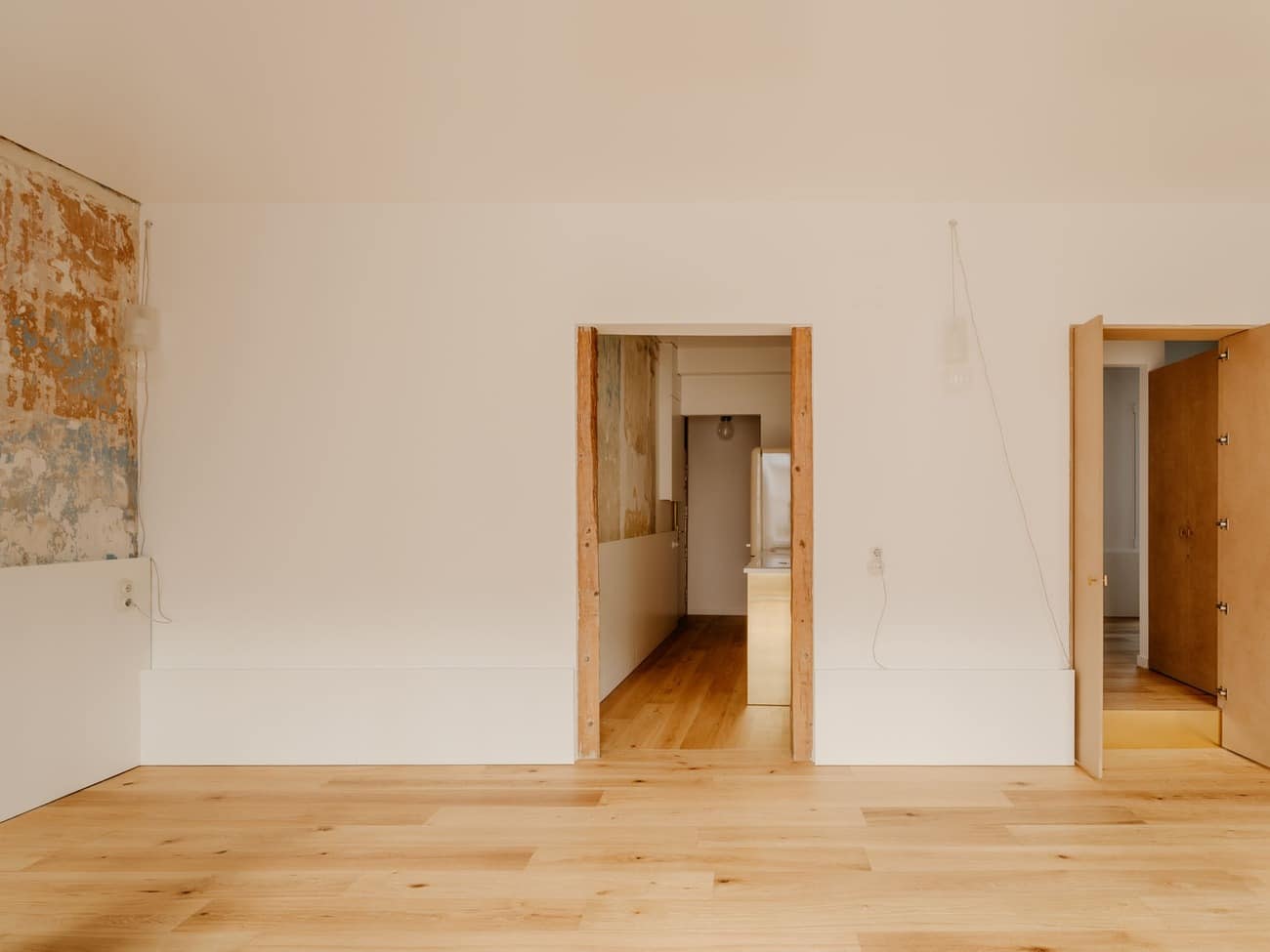
En esta reforma que ha dado a luz la primera de las propiedades de The Sibarist Editions los materiales nobles que irán envejeciendo y enalteciéndose con el tiempo. Fotografía de Antonio Bellido.
The renovation employed a selection of noble and honest materials, chosen for their ability to age gracefully. Furthermore, tempera paintings from 1900 in shades of blue, earth tones, and nude were discovered during the process, and these have been restored and integrated into the project. The space incorporates an art collection curated by Art U Ready, featuring a textile sculpture and paintings by ELIURPI, collage photos by Sylvia Girón, and photographs by Antonio Bellido, selected for their ability to engage with the architecture and enhance the identity of the place.
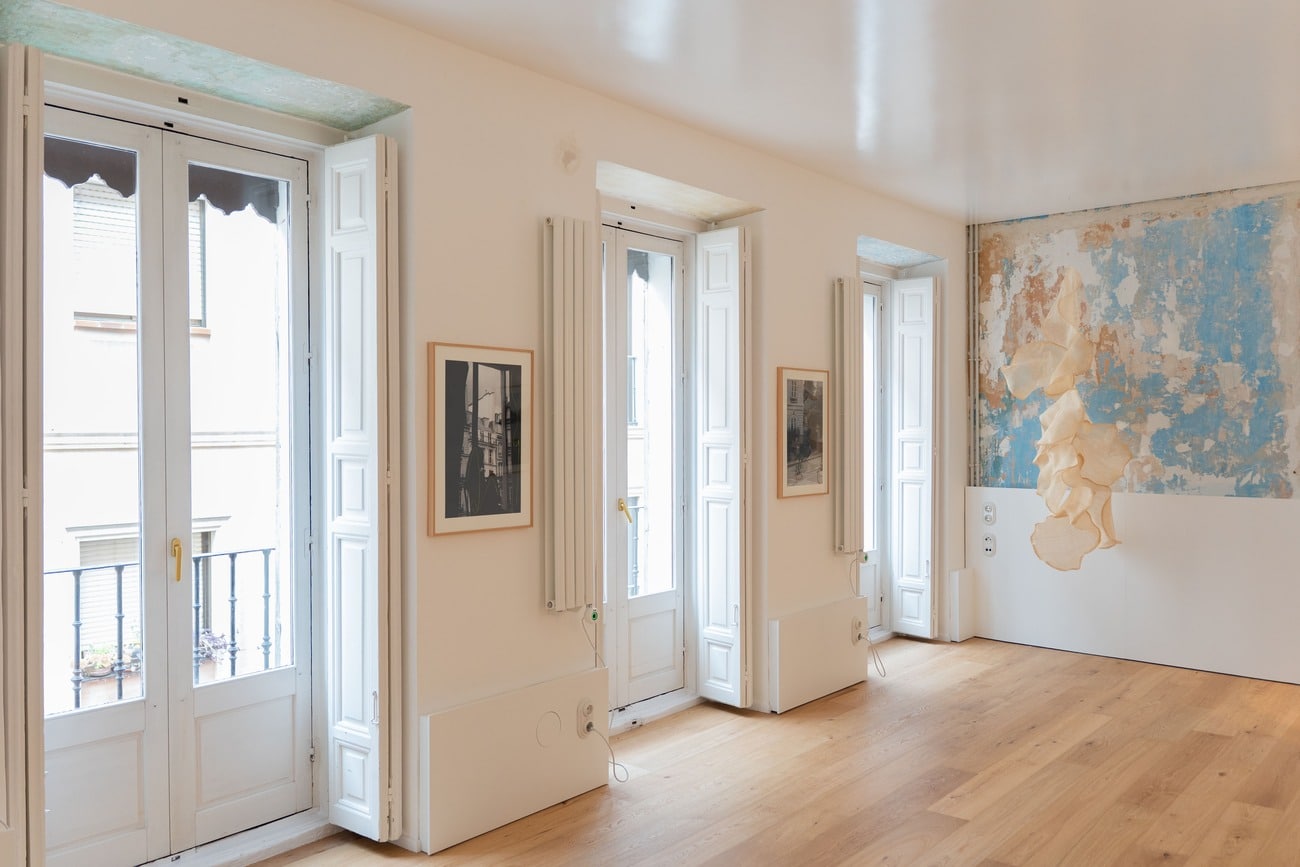
Tres balcones señoriales, pinturas al temple rescatadas y escultura textil de ELIURPI hacen de este rincón un espacio mágico.
It is an ensemble of artistic languages where the lines between them blur, creating a clean yet unique space where the owner will add their own personal touch.
Historic fortress hacing the Corcubión Estuary
A unique building, with a unique layout, a privileged location, and a history spanning three centuries. A fortress-castle on the mesmerizing Costa da Morte of A Coruña. Conceived to guard the entrance to the ‘End of the Earth’ and protect the maritime route from British and pirate raids, this heritage gem has withstood wars, Napoleonic invasions, and the passage of time.
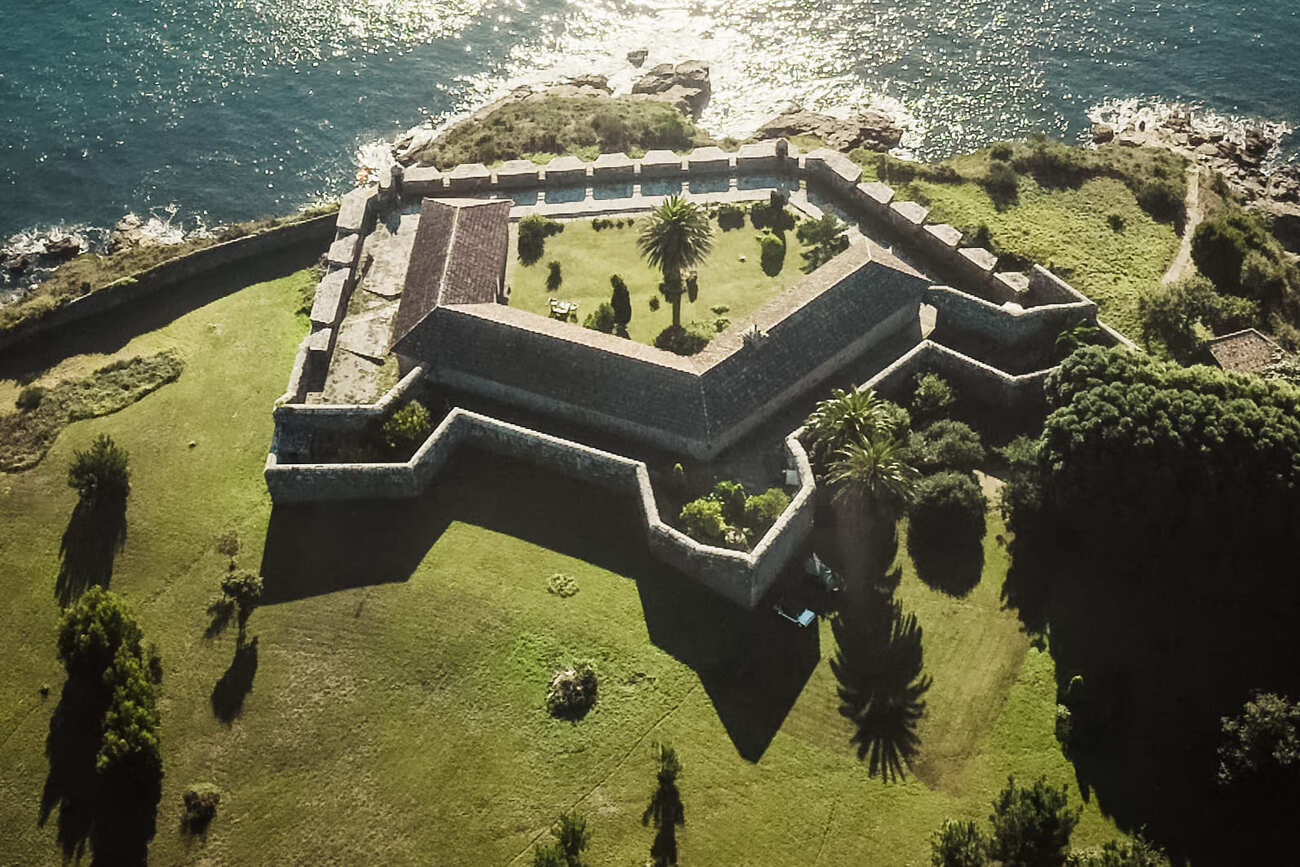
Una joya histórica, ubicada en la ría de Corcubión (A Coruña), que conserva intactos elementos originales como su foso, patio central y mampostería tras una cuidadosa restauración. Referencia THSSESLAC0001.
It is currently for sale for 4 million euros to a buyer who appreciates the unique character of this historic building, or to someone who wishes to manage it as a tourist destination. The property comprises 700 square meters of built area on a 2,700 square meter plot within a private 5-hectare peninsula estate.
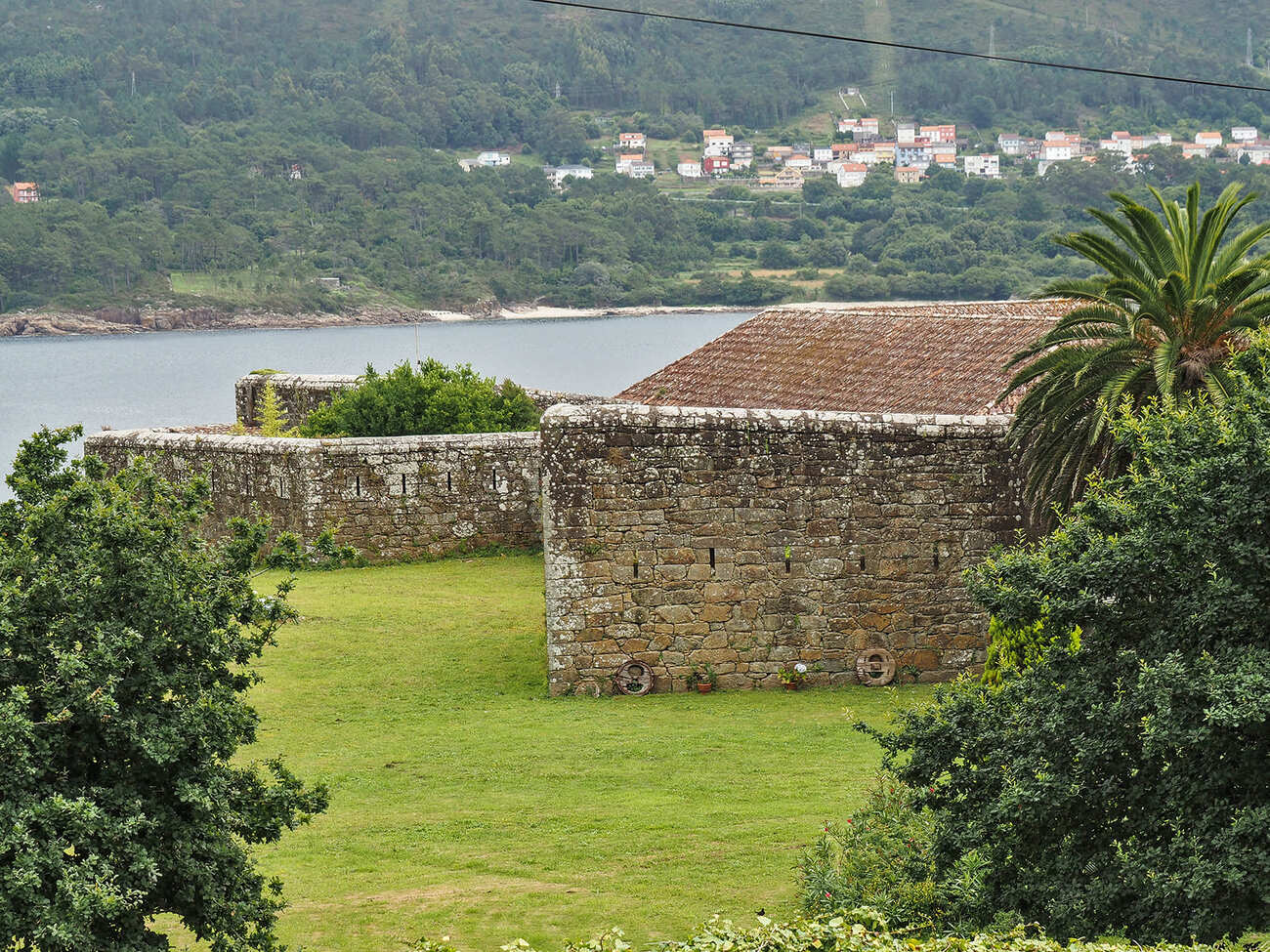
Corcubión es un bello municipio que se encuentra en la ciudad de La Coruña, también es uno de los mayores encantos de la Costa da Morte. Referencia THSSESLAC0001.
Due to its topography, it allows for the creation of a helipad and its own mooring, in addition to benefiting from the upcoming opening of a marina on the estuary.
The Modernist elegance of a 1900 mansion
The historical richness and unique character of each of its territories make Spain’s real estate heritage almost as rich as its artistic heritage, allowing us to trace the passage of history through the well-preserved private and historic homes. One of the periods that defined a unique style was Modernism, which in Spain found fertile ground among the Catalan bourgeoisie and intellectuals of the late 19th century. This magnificent mansion was designed by Lluís Domènech i Montaner, a Spanish architect considered one of the fathers of Catalan Modernism.
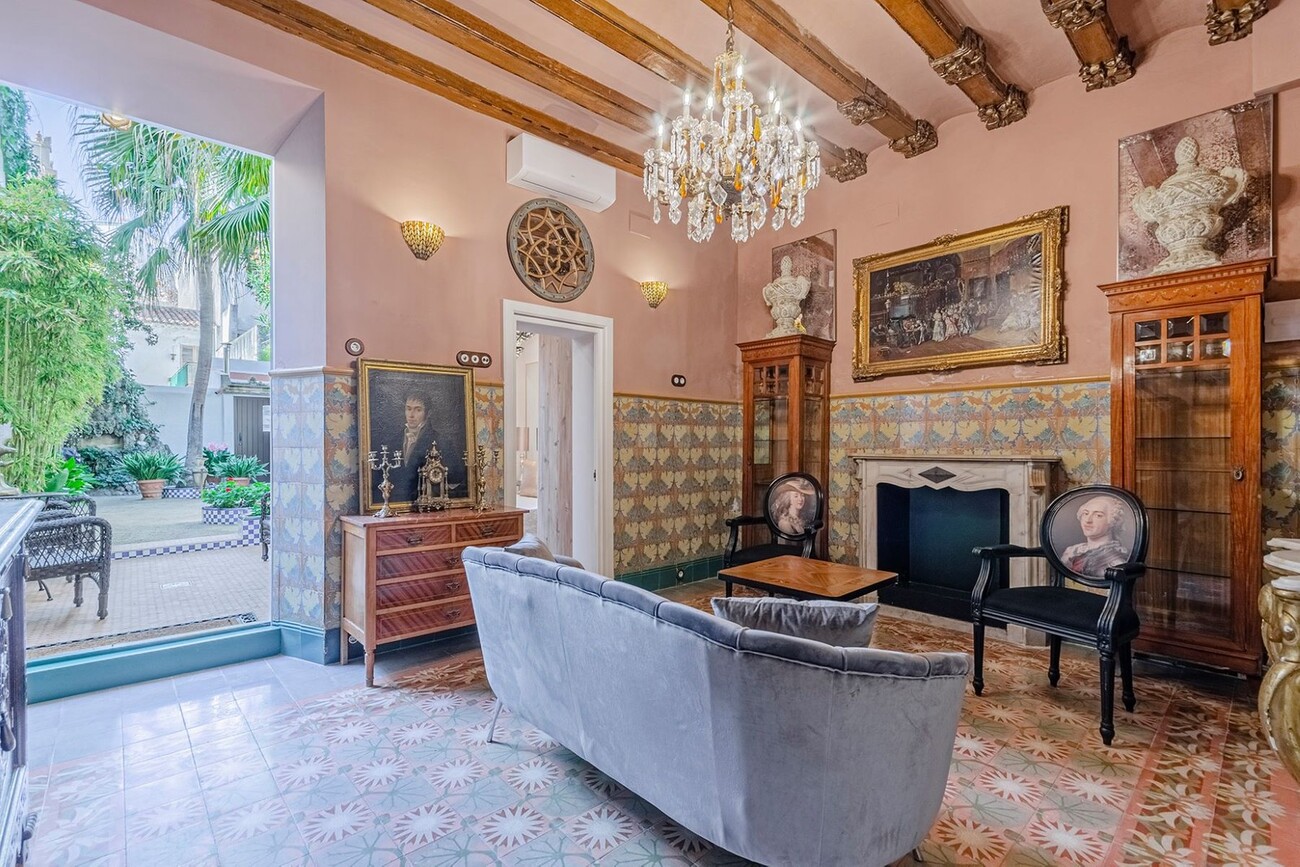
Its 260 m2 are distributed in six independent apartments that occupy the four floors of the building, connected by an elegant staircase that bears witness to the architecture of 1900. Located in the historic center of Canet de Mar, a charming town in the Catalan Maresme, just 35 minutes from Barcelona.
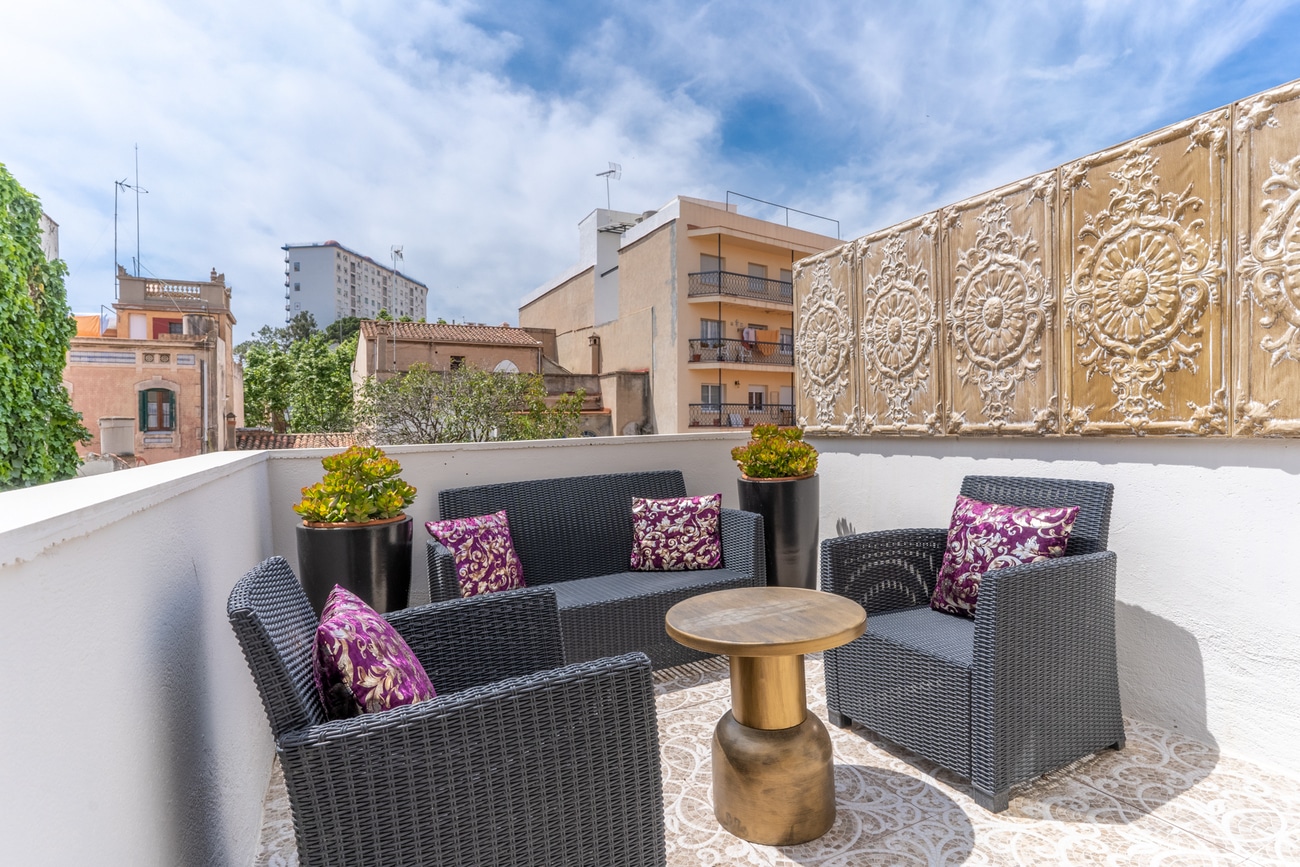
It has a license for tourist apartments, or it could equally be used as a private residence. A true historical gem just a few meters from the beach.
A historic mansion in Somió
We return to the Cantabrian coast to find in vibrant Gijón another vestige of the vibrant Spanish bourgeoisie of the late 19th century, and here specifically of the Asturian industrial nobility to which the industrialist Tomás Zarracina belonged. Zarracina commissioned the architect Juan Miguel de la Calzada to design this mansion in the prestigious Somió area. Its eclectic bourgeois style, with a neoclassical base and elements of Italian Baroque, preserves the charm of the era with meticulous design and fine materials. This type of construction and detail would be difficult to replicate from scratch today, as it features elm and walnut floors in the dining room, and oak and ebony floors in the living room, ceilings exceeding four meters in height, walls over four meters high, and walnut-paneled doors. It has 1,364 m² distributed over two floors and a semi-basement service area. The 6,857 m² plot features a fantastic garden adorned with sculptures and fountains that create a tranquil and exquisite space.
A stately legacy in the heart of Val Miñor
We conclude this tour of the northern coast by descending to the Atlantic Rías Baixas, one of the most privileged enclaves in our region. Here, the natural grandeur of Galicia meets a privileged climate that made this area of sea and mountains a refuge for ancient Galician noble families, as well as for expatriates who returned and left their mark and legacy through stone, with imposing manor houses that spoke of their personal achievements. Among them, the Pazo de Vilarés stands out, an exceptional 18th-century building, restored in 1970 and preserved today in admirable condition. It has been declared a Historical Monument and a Site of Cultural Interest, and is currently for sale through The Sibarist, just minutes from the beautiful Playa América and the town of Baiona.
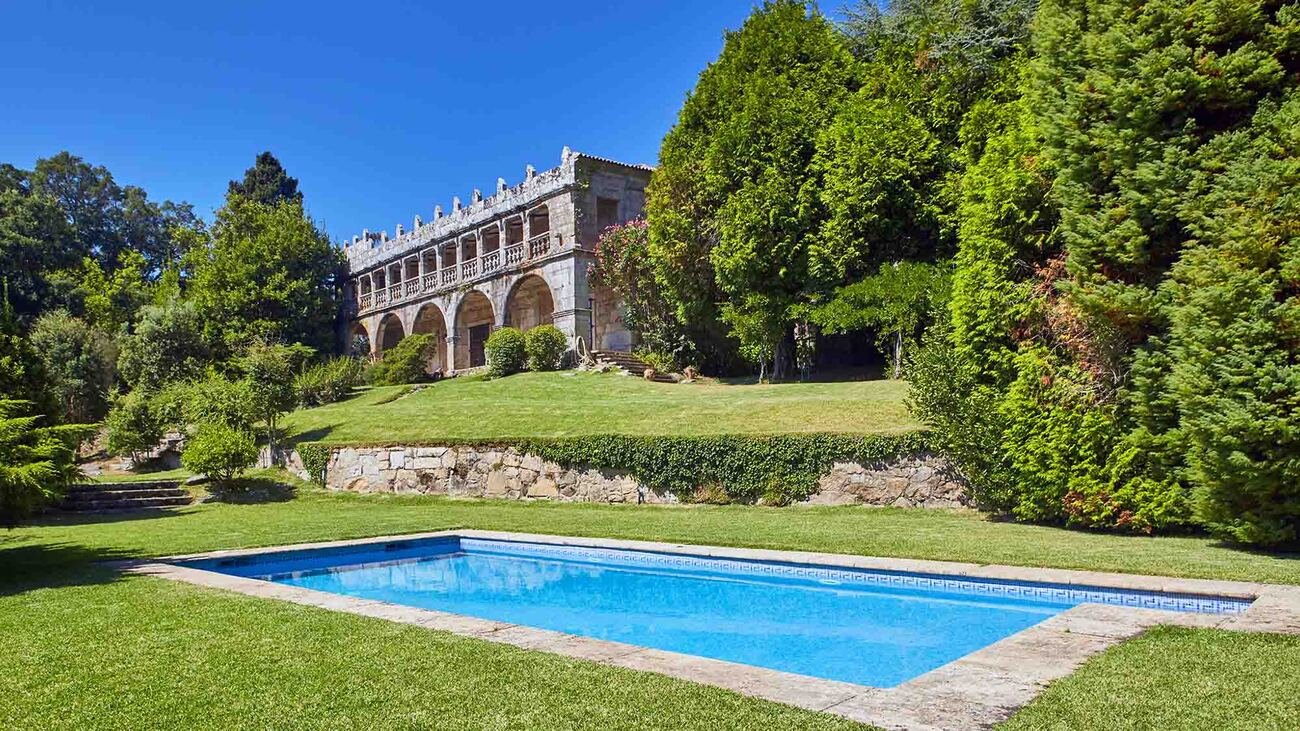
El Pazo de Vilarés es una propiedad única en un entorno natural excepcional. Referencia: THSSESPON0003.
The south façade is one of the most remarkable architectural features of the manor house, with eleven arches on the upper floor and five arches on the ground floor.
Living in a designer studio-home
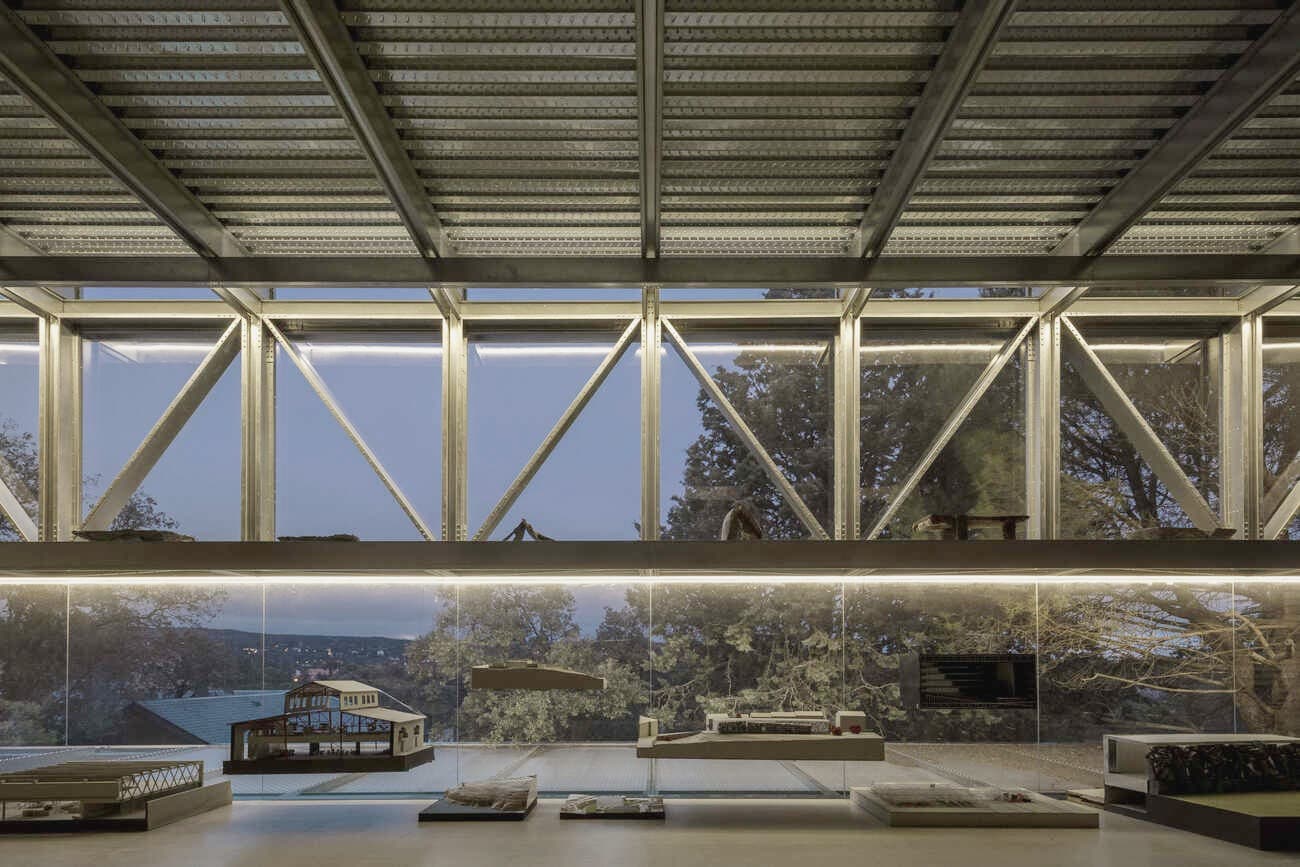
It is not only the passage of time that gives value to a property; the uniqueness of a building is one of its greatest assets and is manifested in its architectural singularity. But the design must always serve the purpose of the building and create a coherent whole, and that is the case with this studio-home designed by the architecture firm Ensamble Studio, which has managed to integrate workspaces and private living quarters within 408 m² on the main floor and an additional 200 m² below ground level.
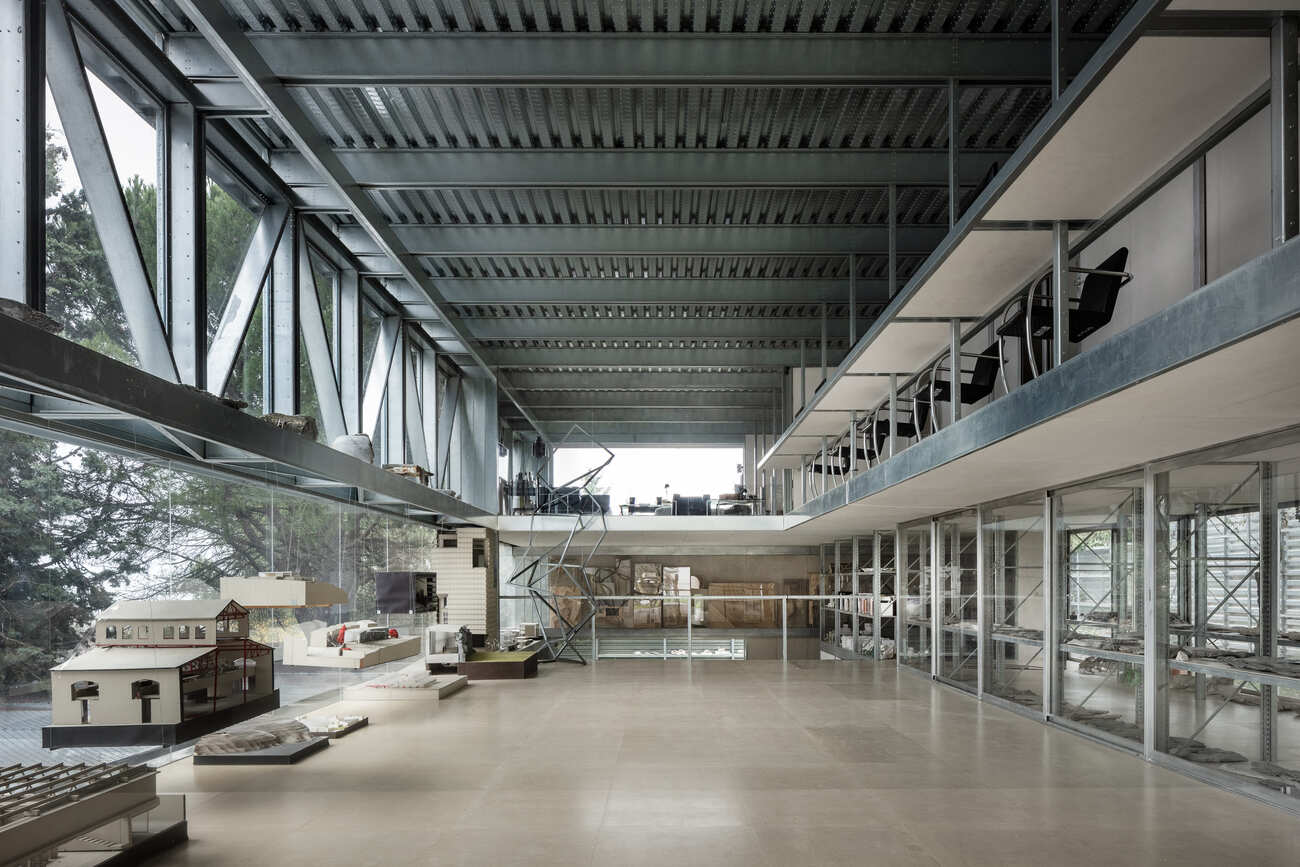
Excepcional y funcional casa-estudio en el municipio madrileño de Las Rozas en estilo industrial a la venta o alquiler con referencia THSRESMAD0110
It follows an industrial style with high ceilings, which encourage expansion and creativity, and large windows that allow natural light and panoramic views.
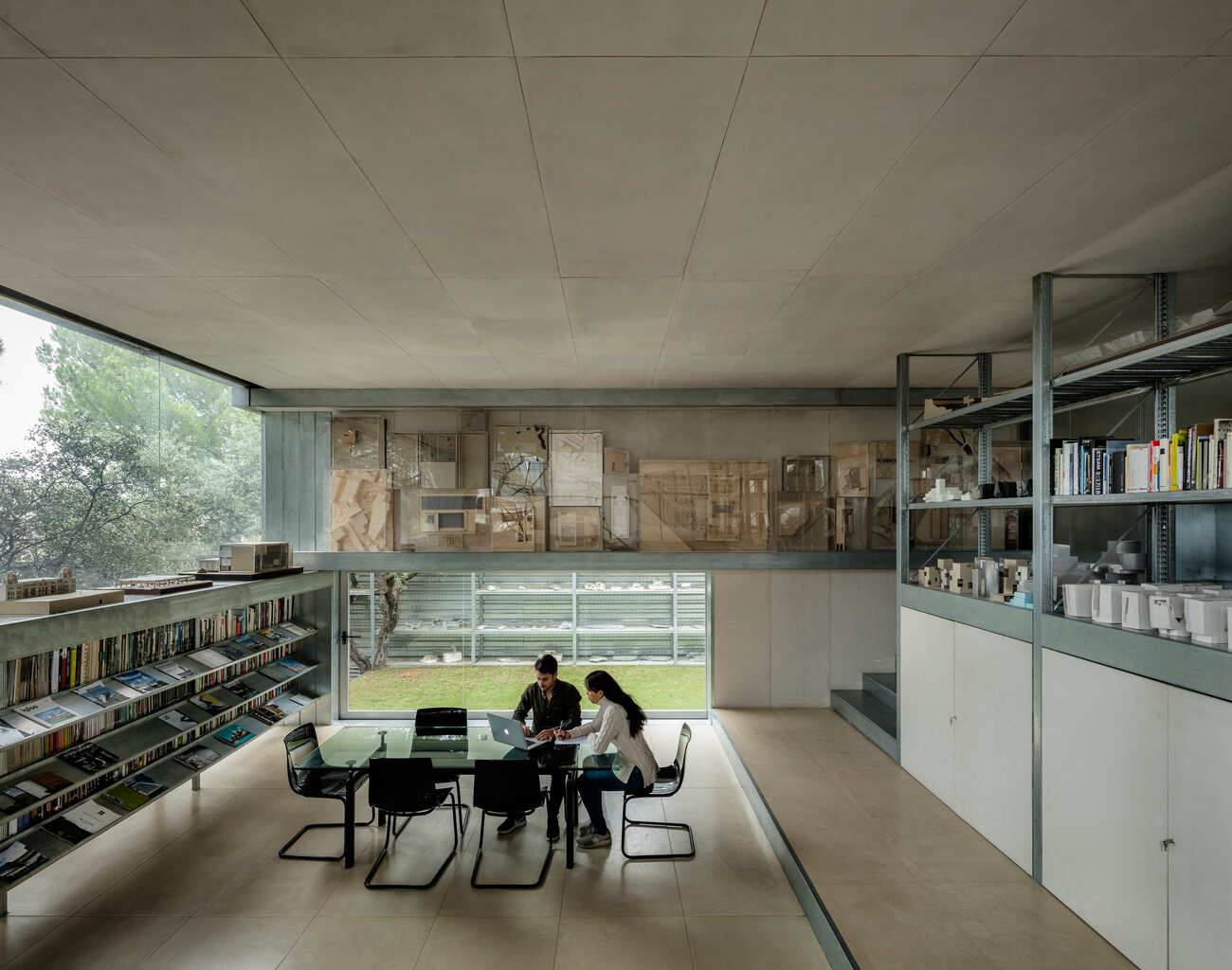
Excepcional y funcional casa-estudio en el municipio madrileño de Las Rozas en estilo industrial a la venta o alquiler con referencia THSRESMAD0110
These and other designer homes, which we featured in our article published a few months ago, “Designer Homes: The Luxury of Living in a Work of Art,” give these properties a special edge. While they can’t be precisely priced in the final sale, they do possess a prestige that some buyers are willing to defend when they find a home with which they feel a connection. Because, as with any work of art, the appeal isn’t solely rational, but also aesthetic and emotional. Great collectors often say: emotion comes first, then justification. You’ll find plenty of both kinds of arguments for any of the properties shown.