Christmas is here and it's time to celebrate. At The Sibarist we like to recreate unforgettable moments and as every year Sylvia Girón inspires us with her proposal and gives us some tips and details to dress your Christmas table with elegance and creativity.
Craftsmanship and an autumnal palette for the Christmas table. The luxury of the essentials
Christmas has arrived, and with it, the magic of gathering together. Sylvia Girón, founding partner of The Sibarist, invites us to discover a table setting defined by nature, warmth, and craftsmanship. In this article, she shares the keys to transforming every celebration into an intimate and memorable moment.
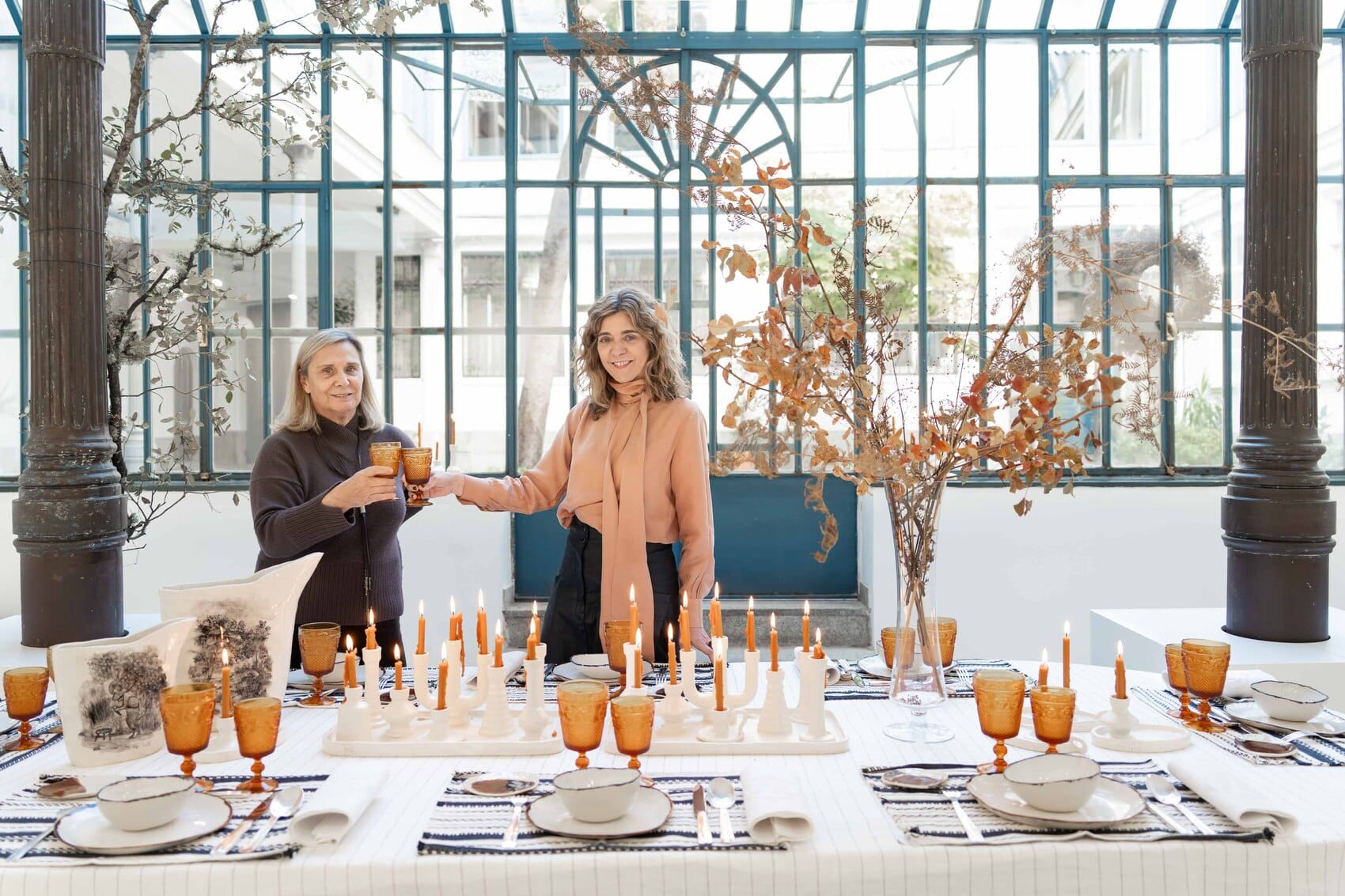
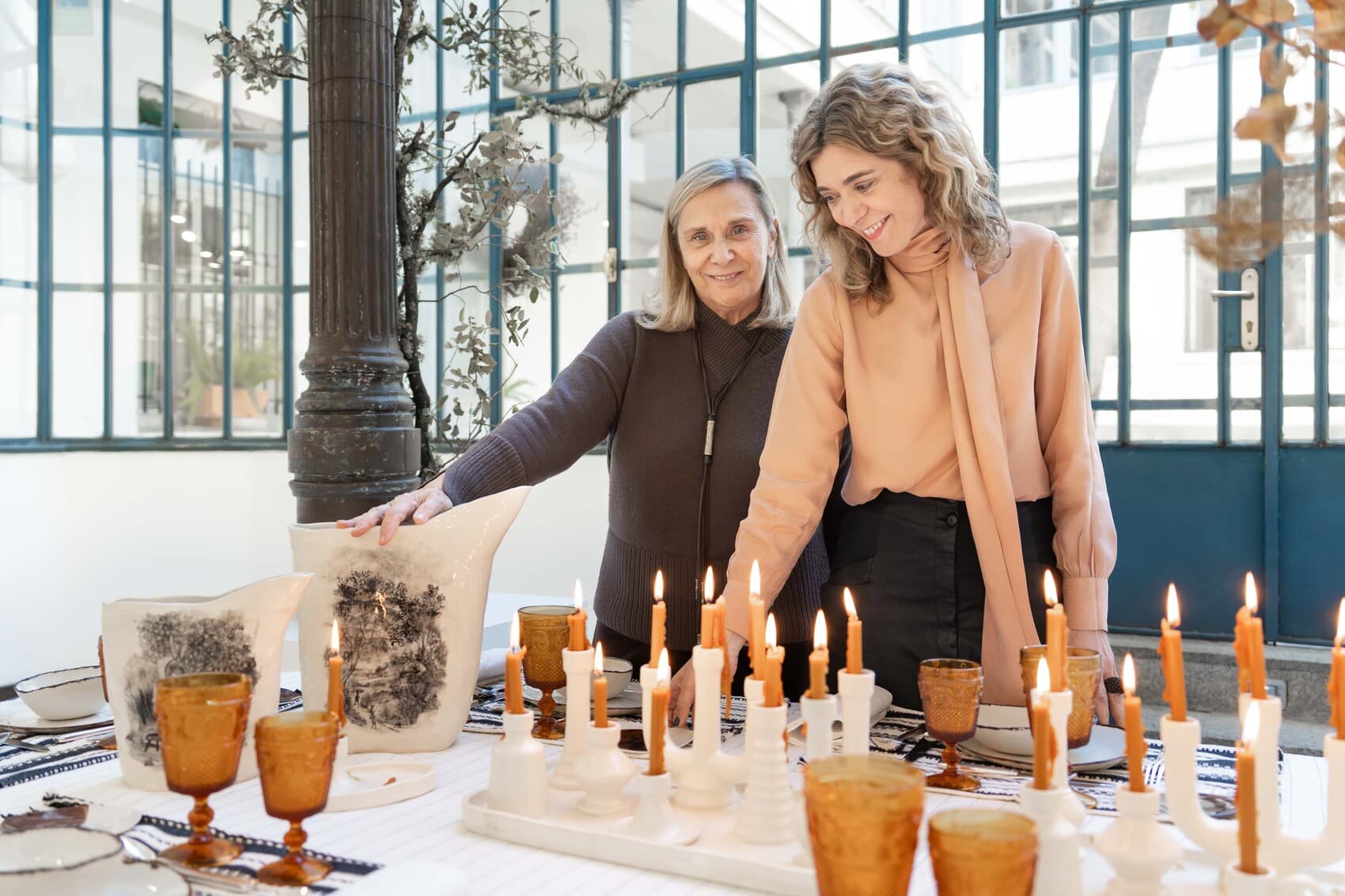
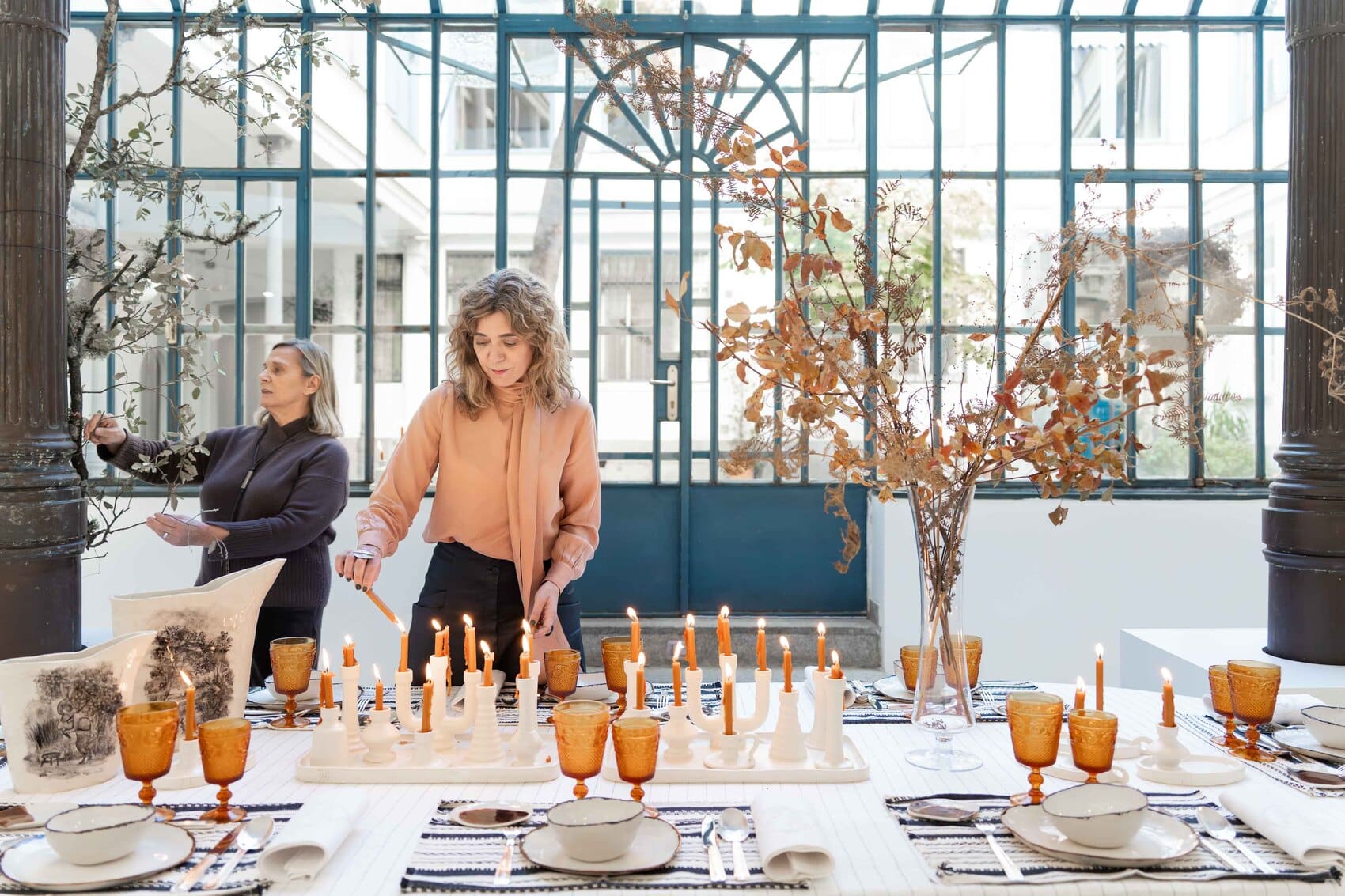
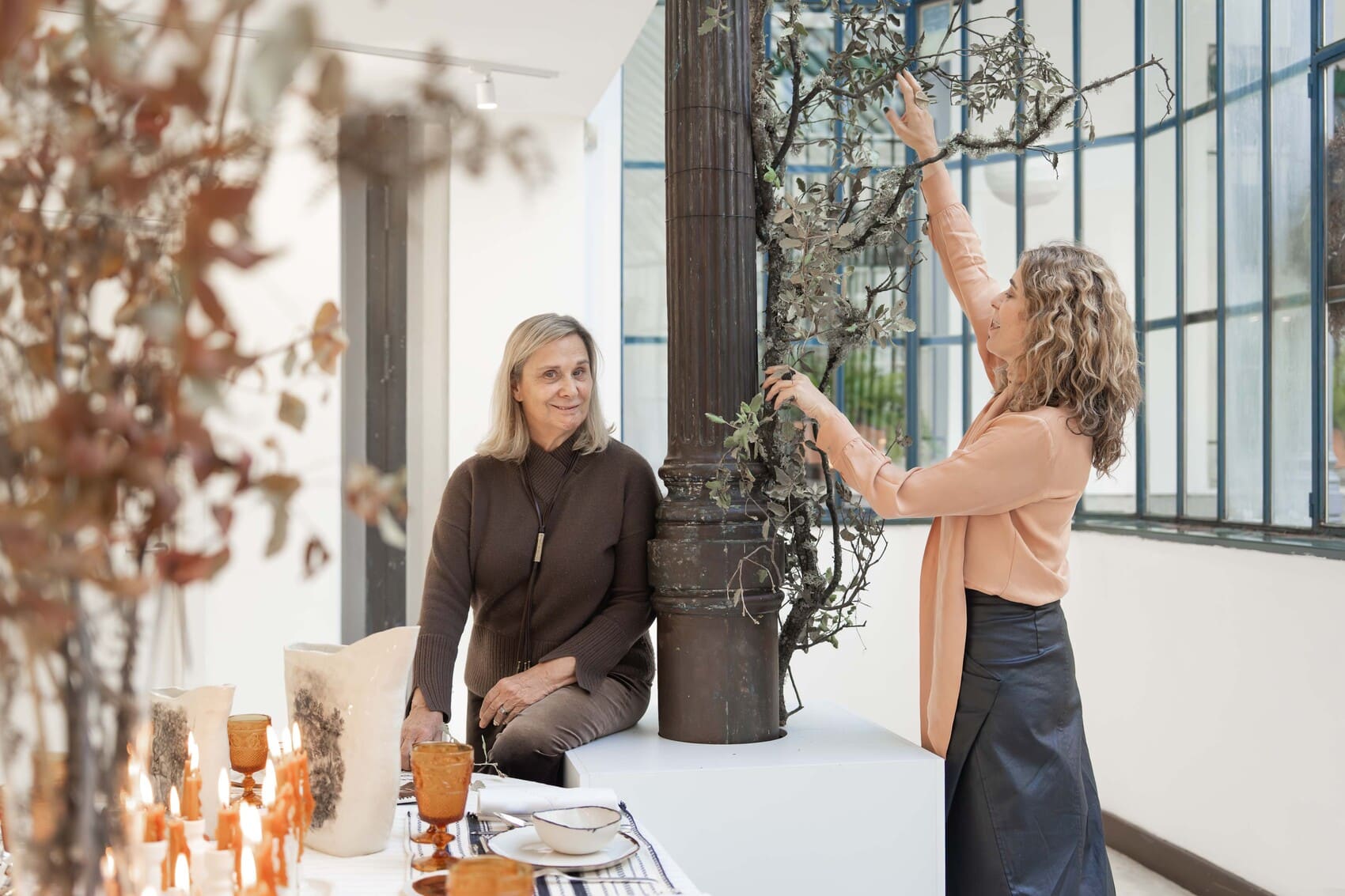
Sylvia Girón y Silvia Hengstenberg brindando en El Invernadero
This year, Christmas begins with a stroll. A leisurely walk, allowing yourself to be enveloped by the light filtering through oaks, walnuts, chestnuts, and maples that herald the arrival of winter. The table setting for these holidays was born precisely there, in that landscape where the countryside turns amber and gold, and warm ochre and brown tones permeate everything.
It was there that Sylvia felt the urge to translate that landscape into a table setting reminiscent of the countryside. A Christmas that smells of wood, damp earth, and candlelight. In essence, a place to find refuge.
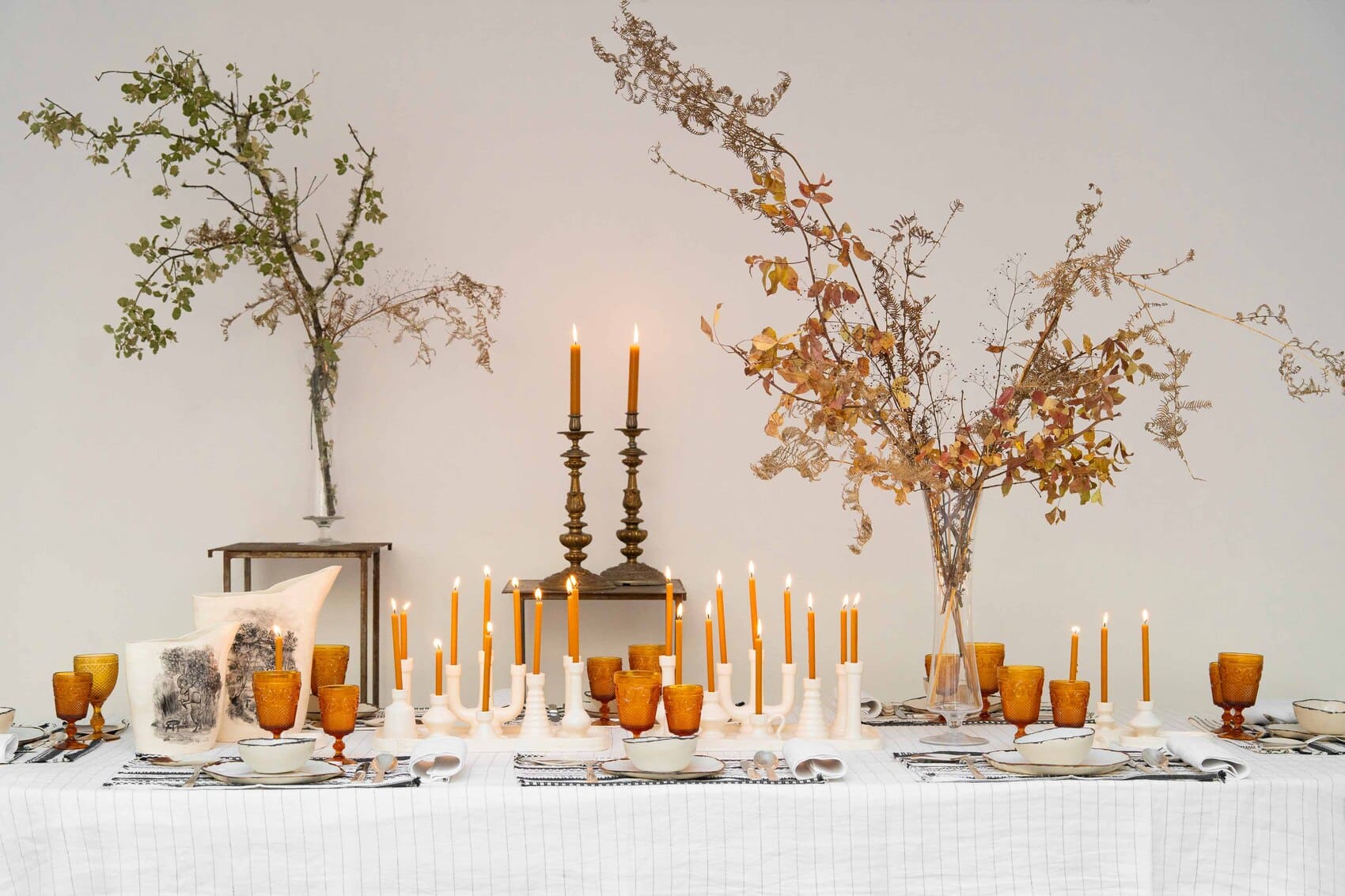
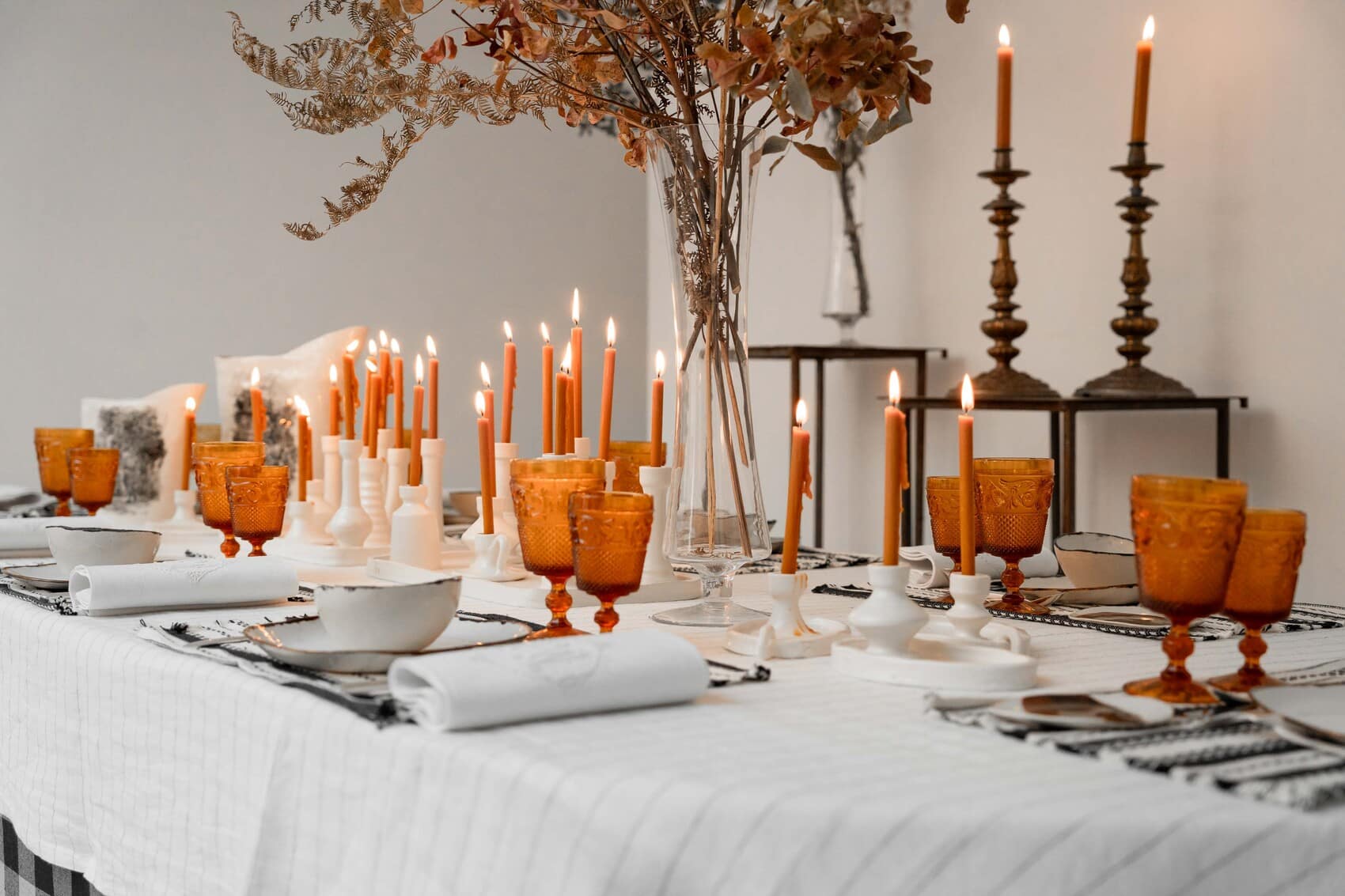
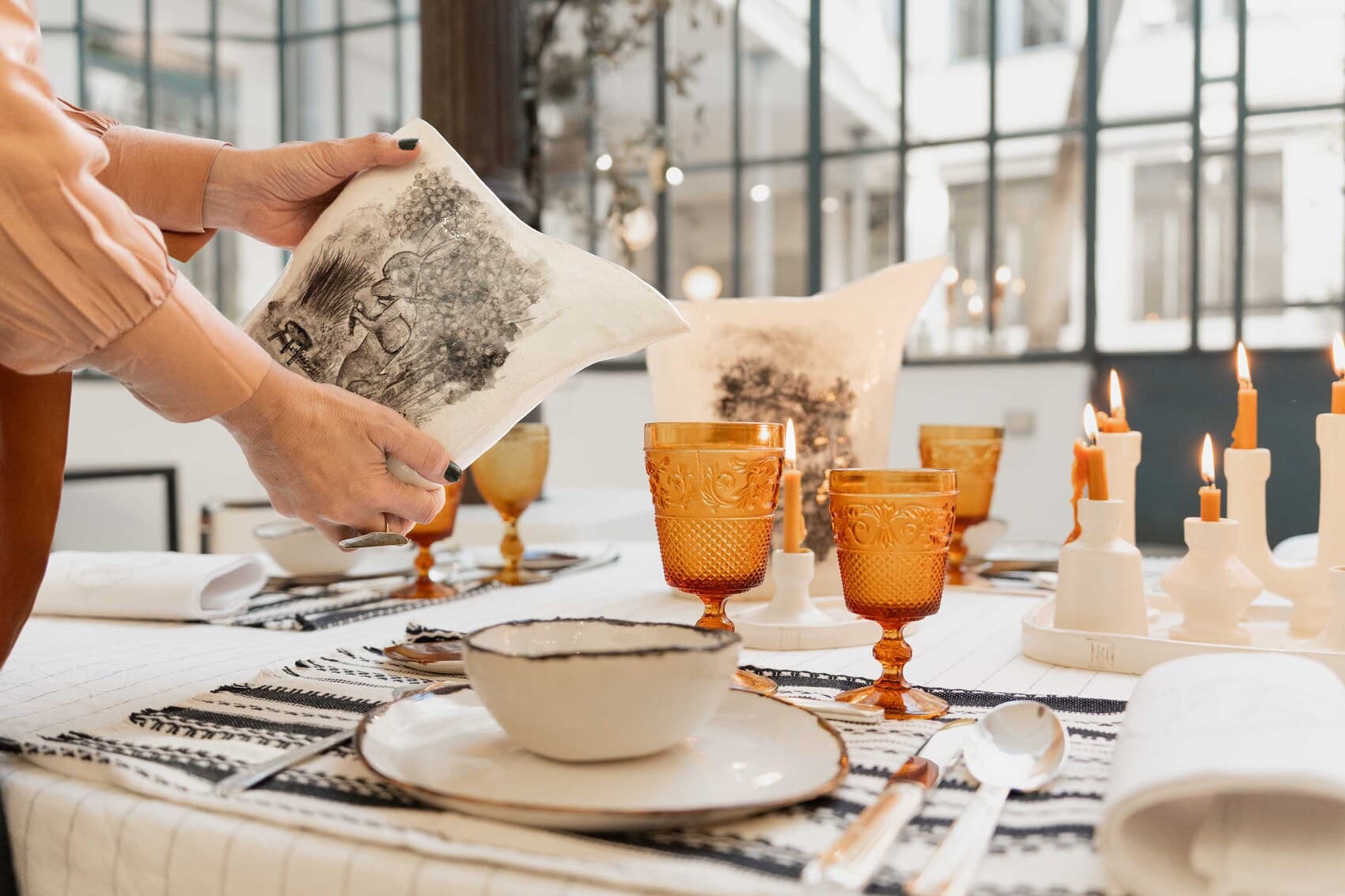
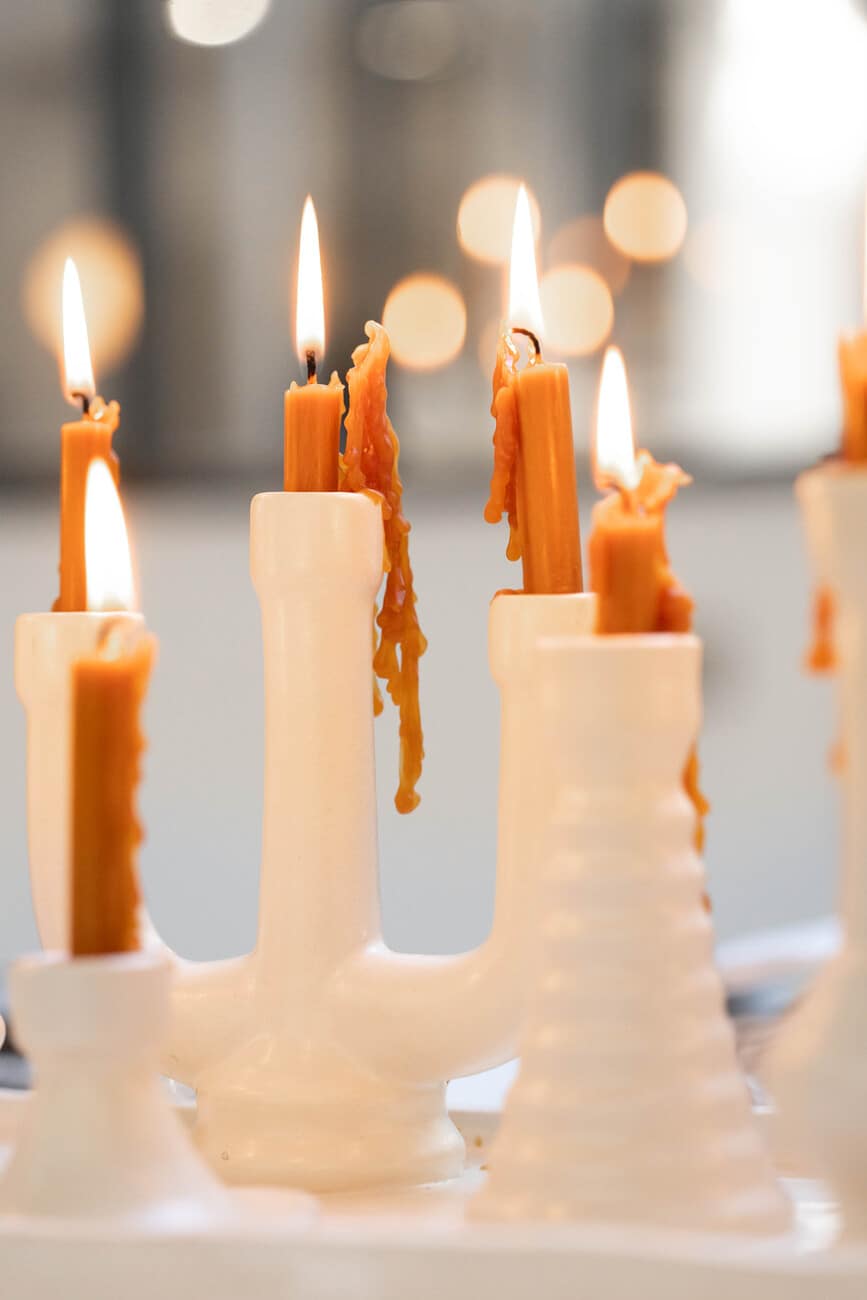
“I wanted to recreate a Christmas in the countryside… the inspiration comes from an autumnal landscape in the Tiétar Valley, which I used to define the design palette. The light from Lumière d’amís, by the artist Mariqui, with its ten candles placed in the center and conceived as an axis to coordinate the rest of the pieces, brings a warmth, generating a dialogue of amber nuances that orders and balances the whole. With the help of floral artist Covadonga Villamil, I incorporated fern, holm oak, and walnut branches to extend the feeling of the forest into the interior space. The contemporary tableware from AM-R, with its organic shapes and deliberate imperfections, naturally complements this essence. A table that interprets the elegant simplicity of the countryside from a contemporary perspective, highlighting the value of materials, craftsmanship, and what is essential,” Sylvia tells us.
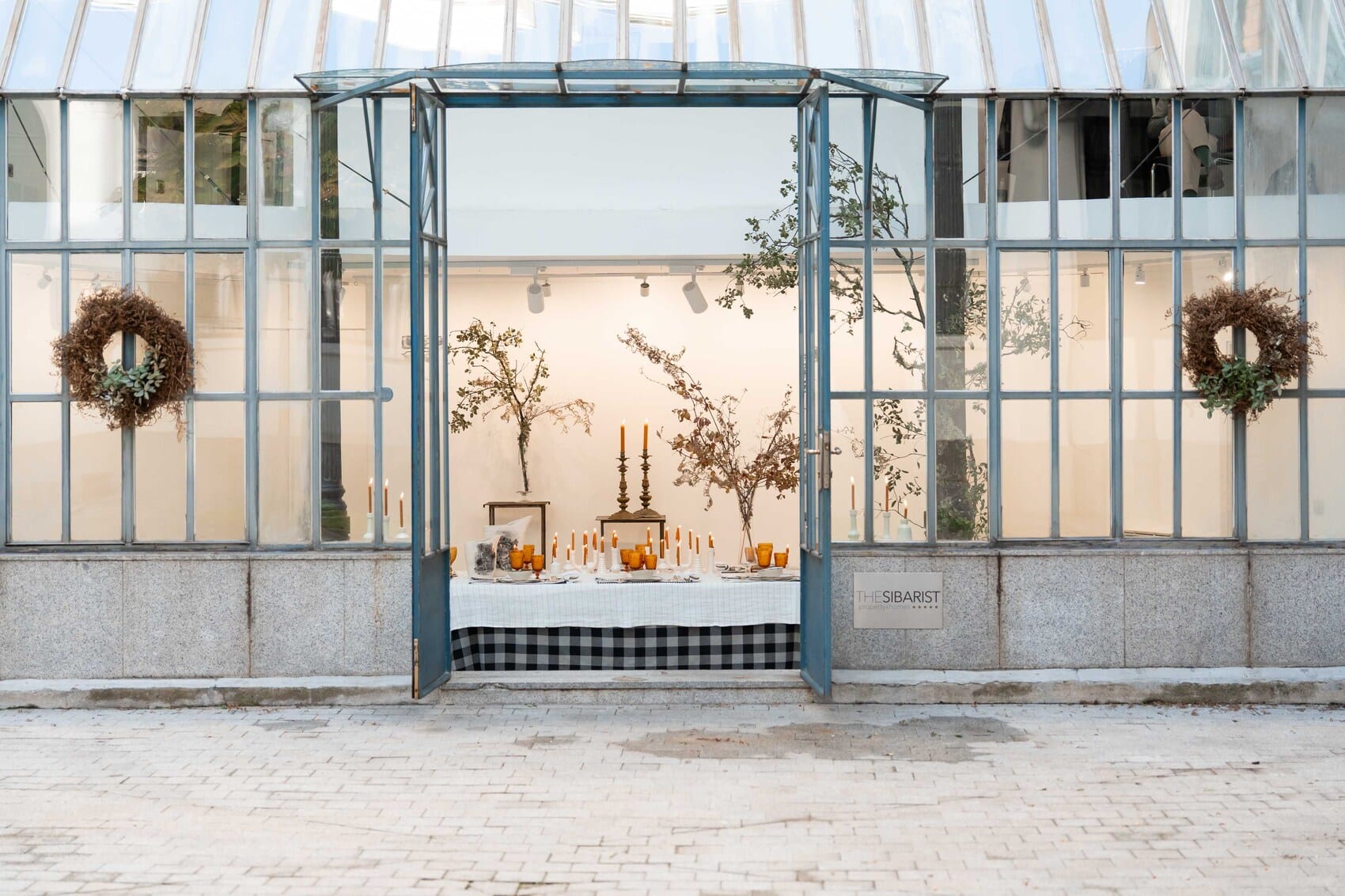
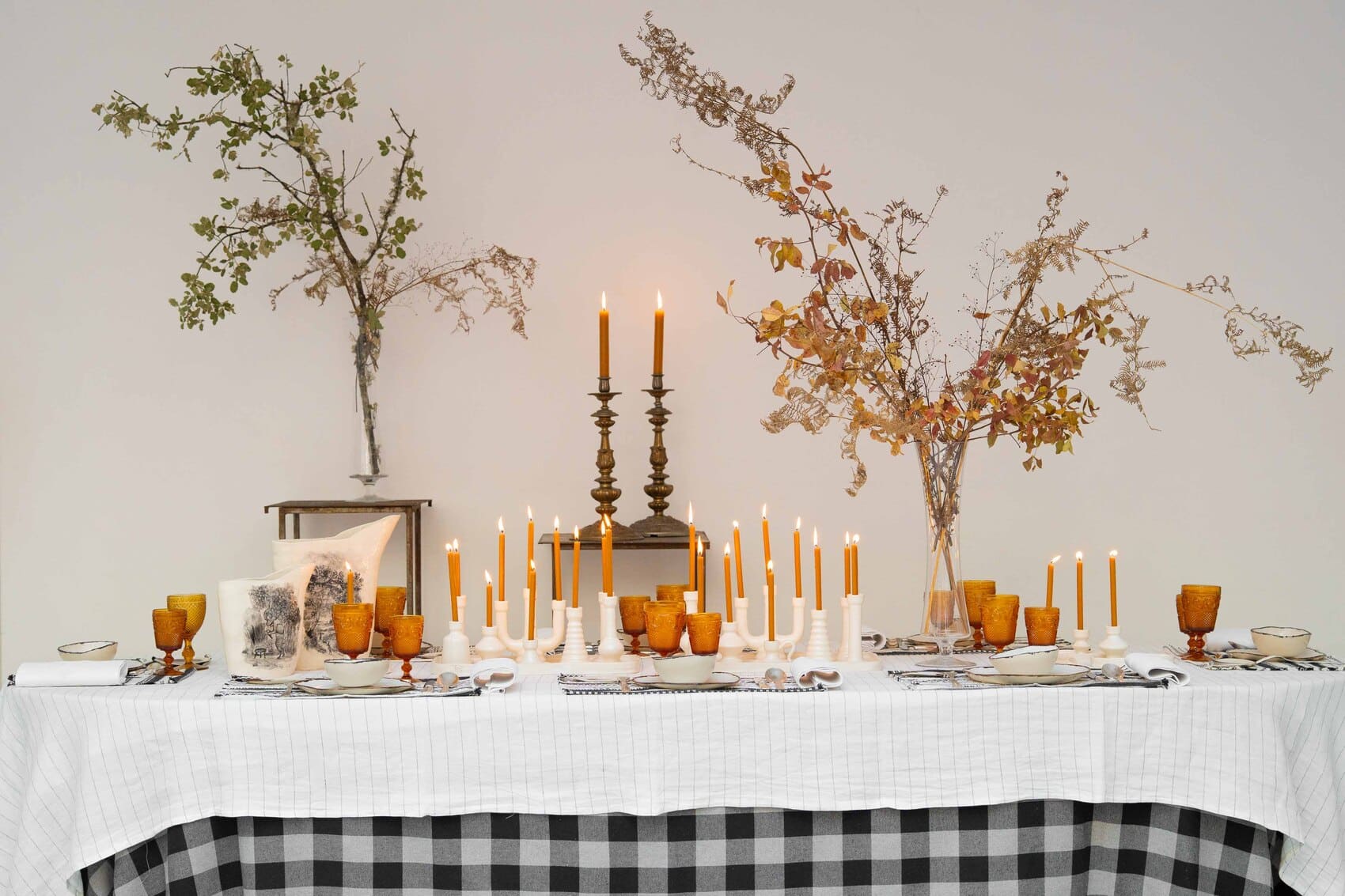
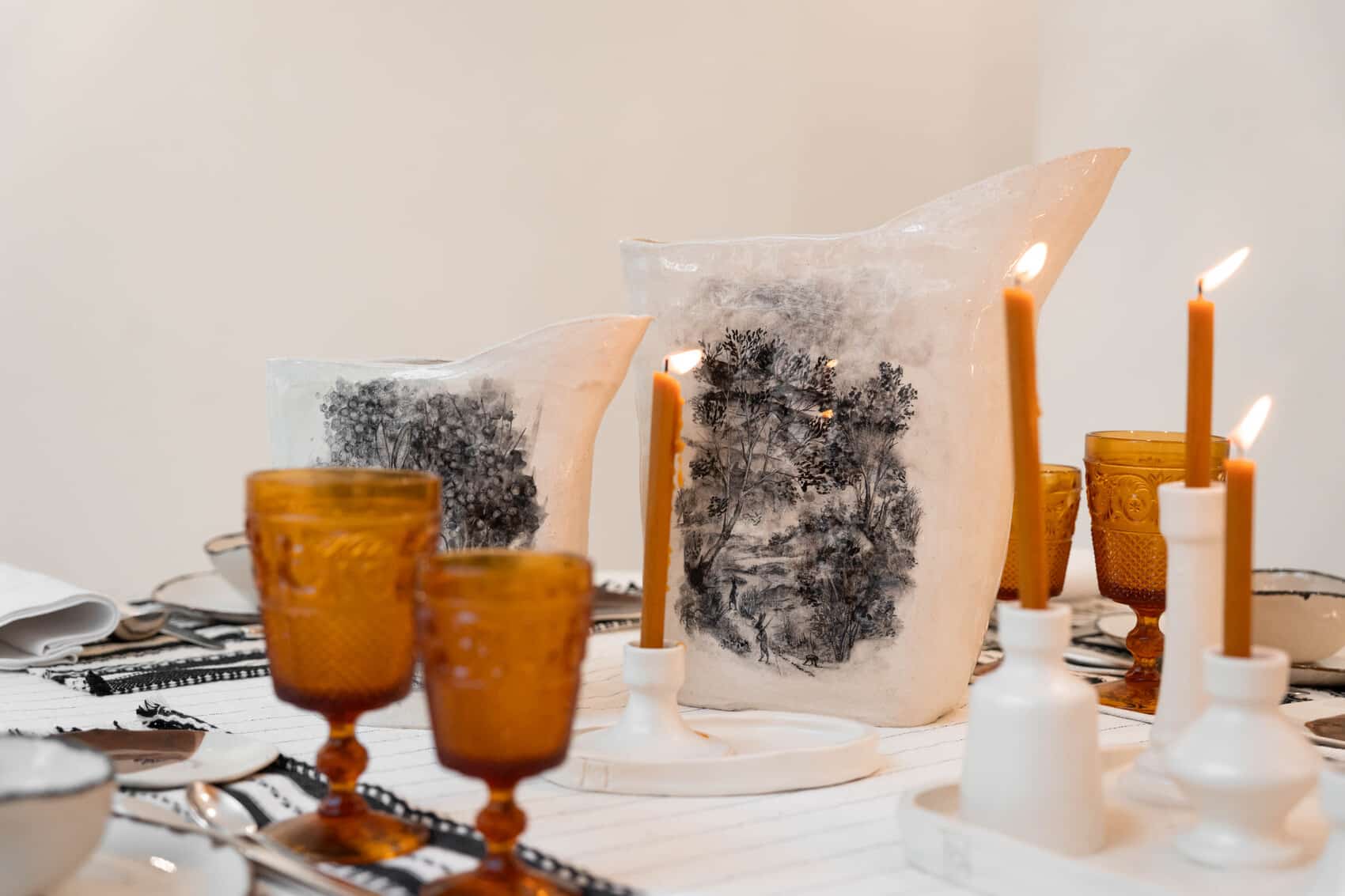
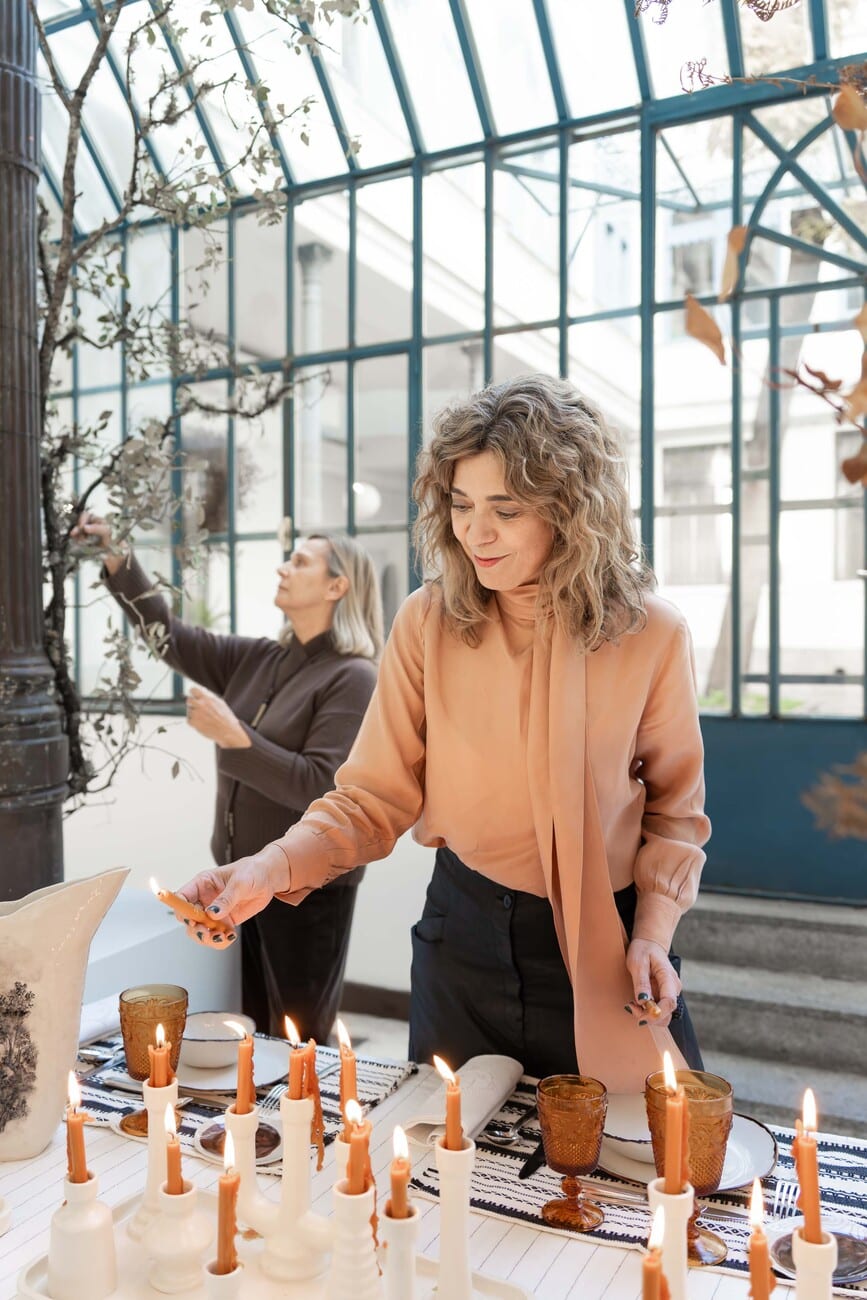
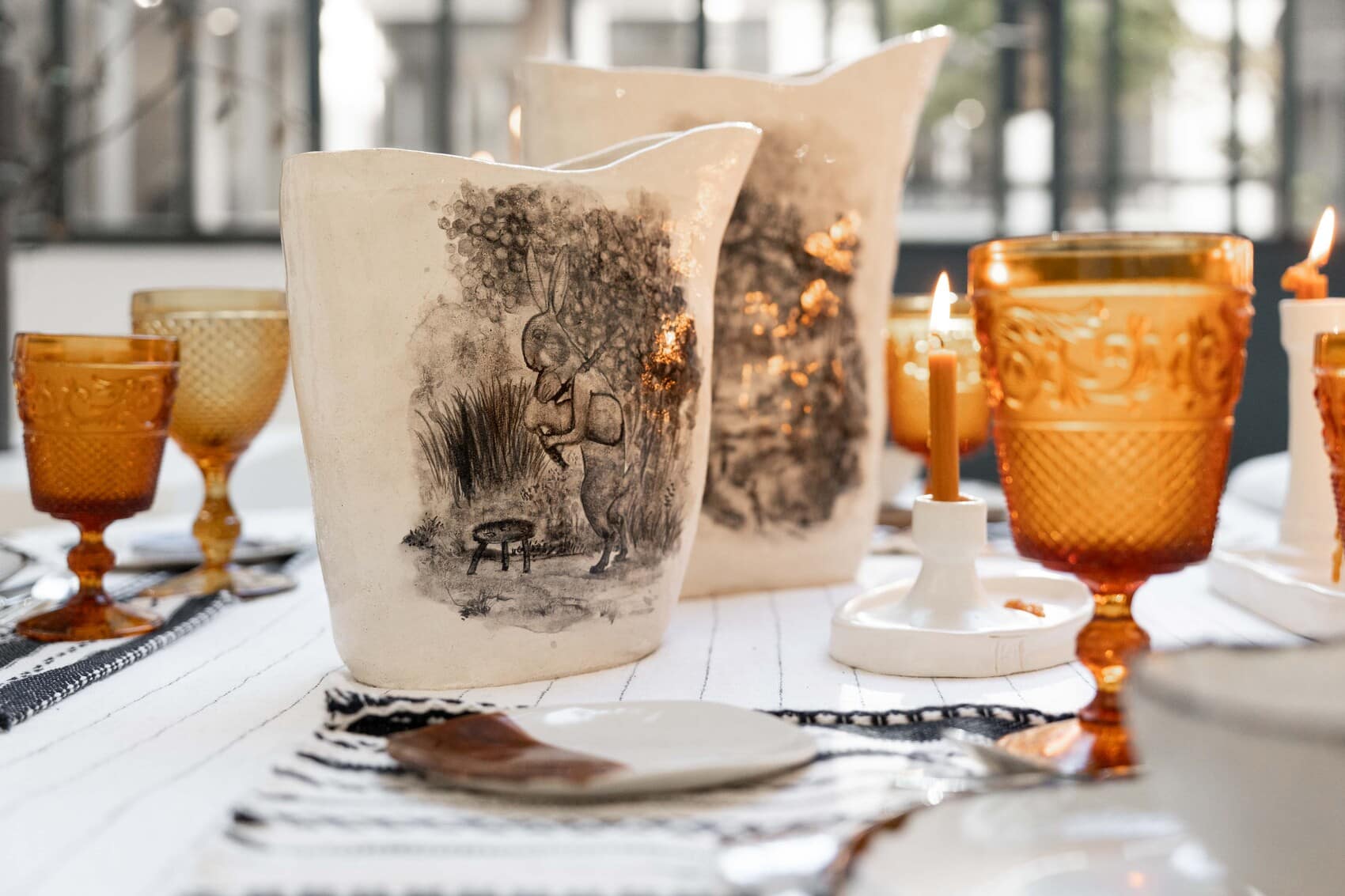
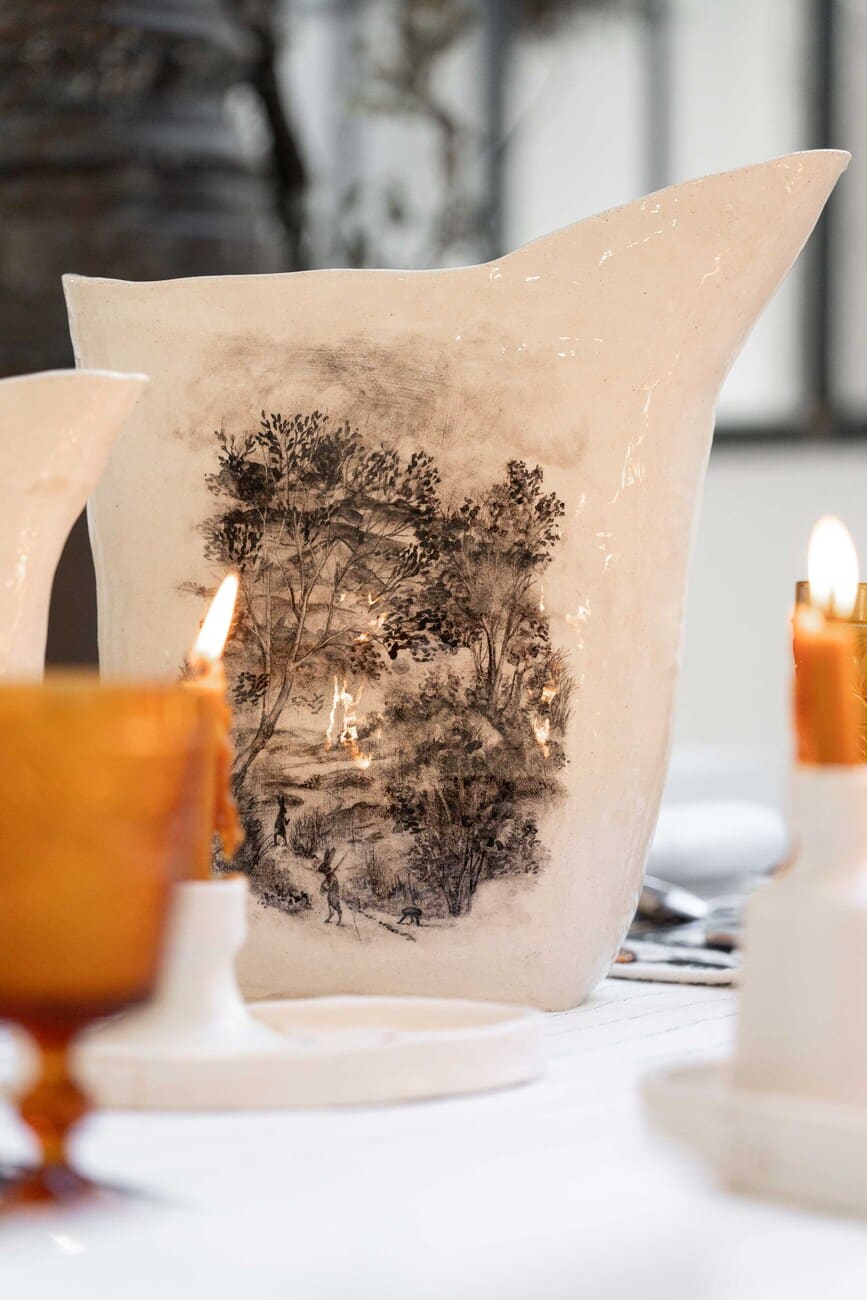
The lighting was the starting point. In the center, the Lumière d’amís pieces, handcrafted by Ki-Ceramics, were arranged at different heights, organizing the light from within the material itself. These pieces of chamotte stoneware, glazed in off-white, are attached to a tray that collects the wax and allows the candles to burn safely. Their ceramic bodies, with a lightly waxed finish, project a warm, even light that adds depth—a light designed to interact with the other materials.
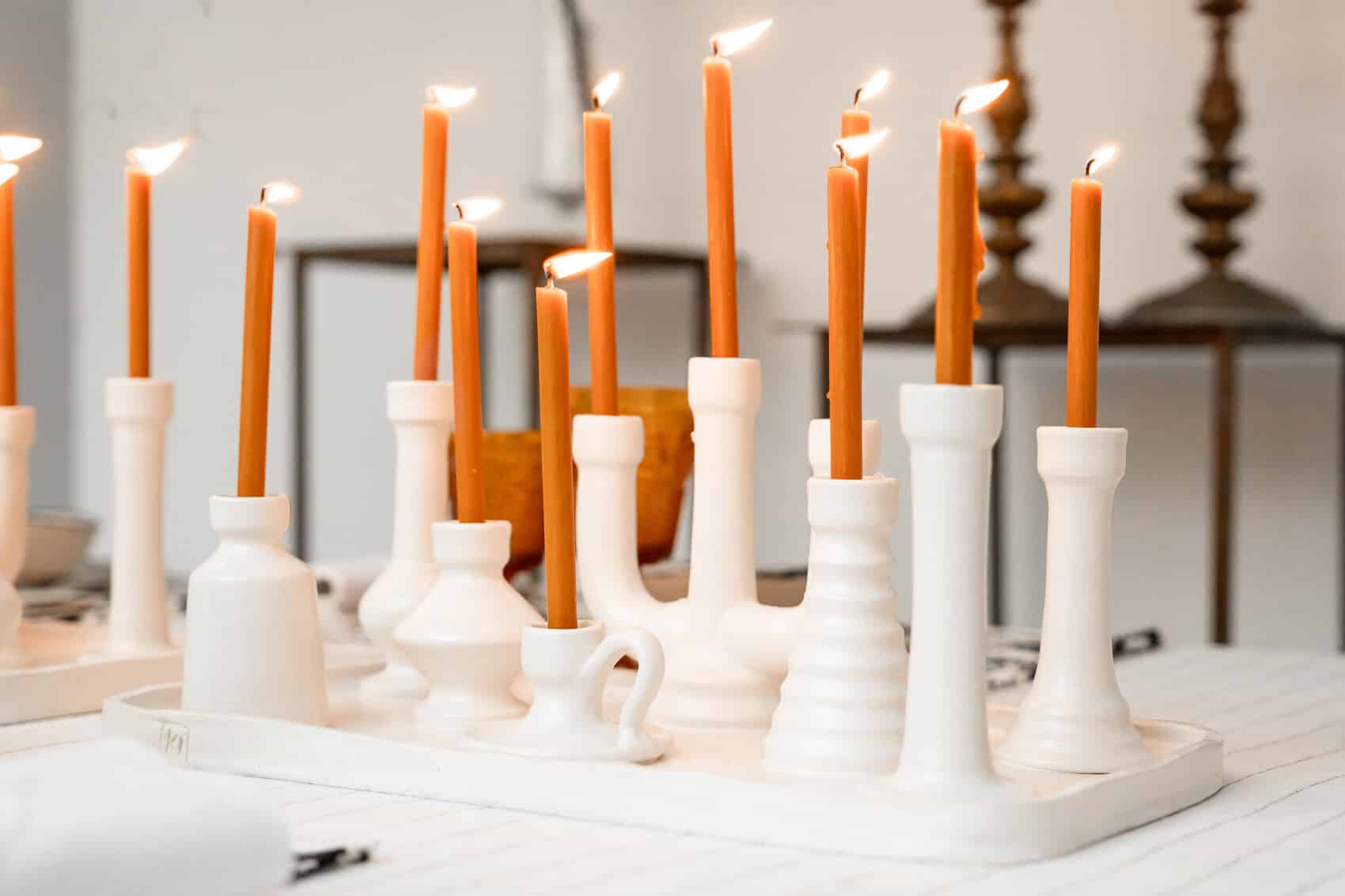
La pieza Lumière d’amís creados artesanalmente por Ki-Ceramics
“I love candles on the tables, but the wax always ended up staining the tablecloths. I designed this piece to create a magical atmosphere, with that cozy light that envelops everything,” its creator tells us with sensitivity (Mariqui from Ki-Ceramics).
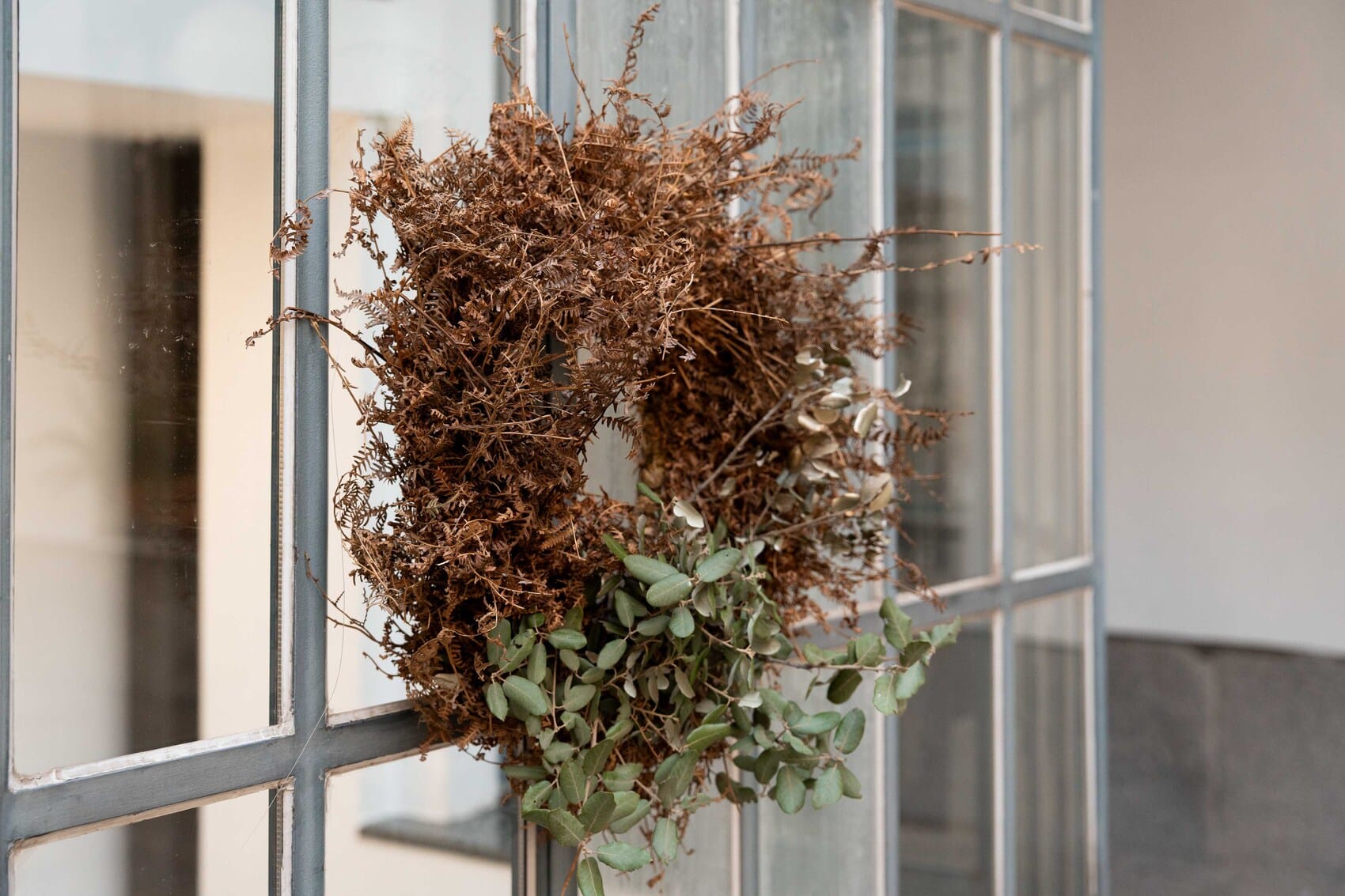
The floral design, created by floral artist Covadonga Villamil, extends the feeling of the outdoors into the interior space. Branches of holm oak, walnut, and ferns, gathered on walks in the countryside, are integrated into a clean composition, where each element finds its own place. The arrangement prioritizes organic lines and visual lightness, aligning with a contemporary aesthetic that avoids any decorative excess. The result is an interpretation of a late autumn landscape: a forest reduced to its essence, providing texture and minimalist depth.
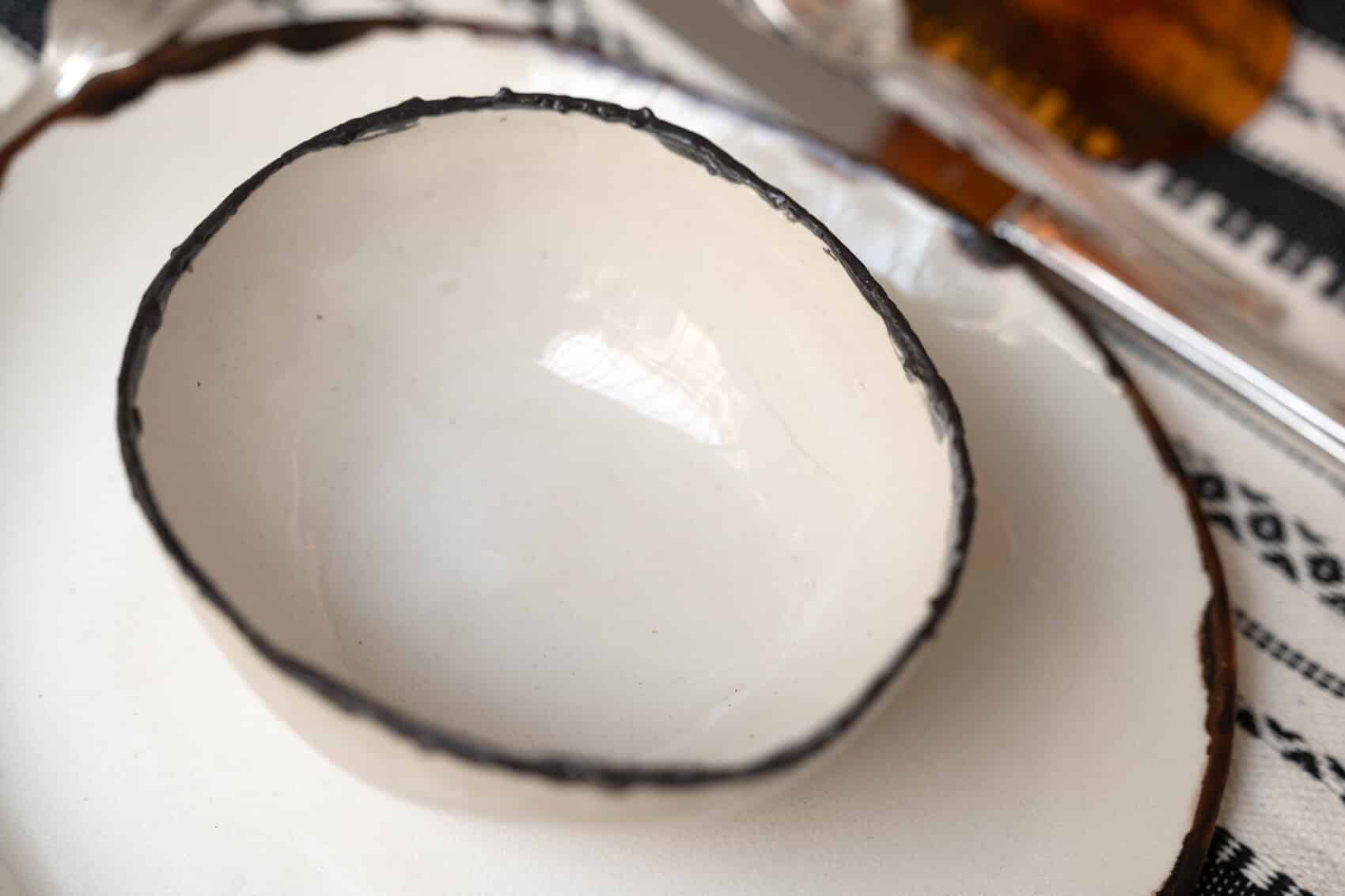
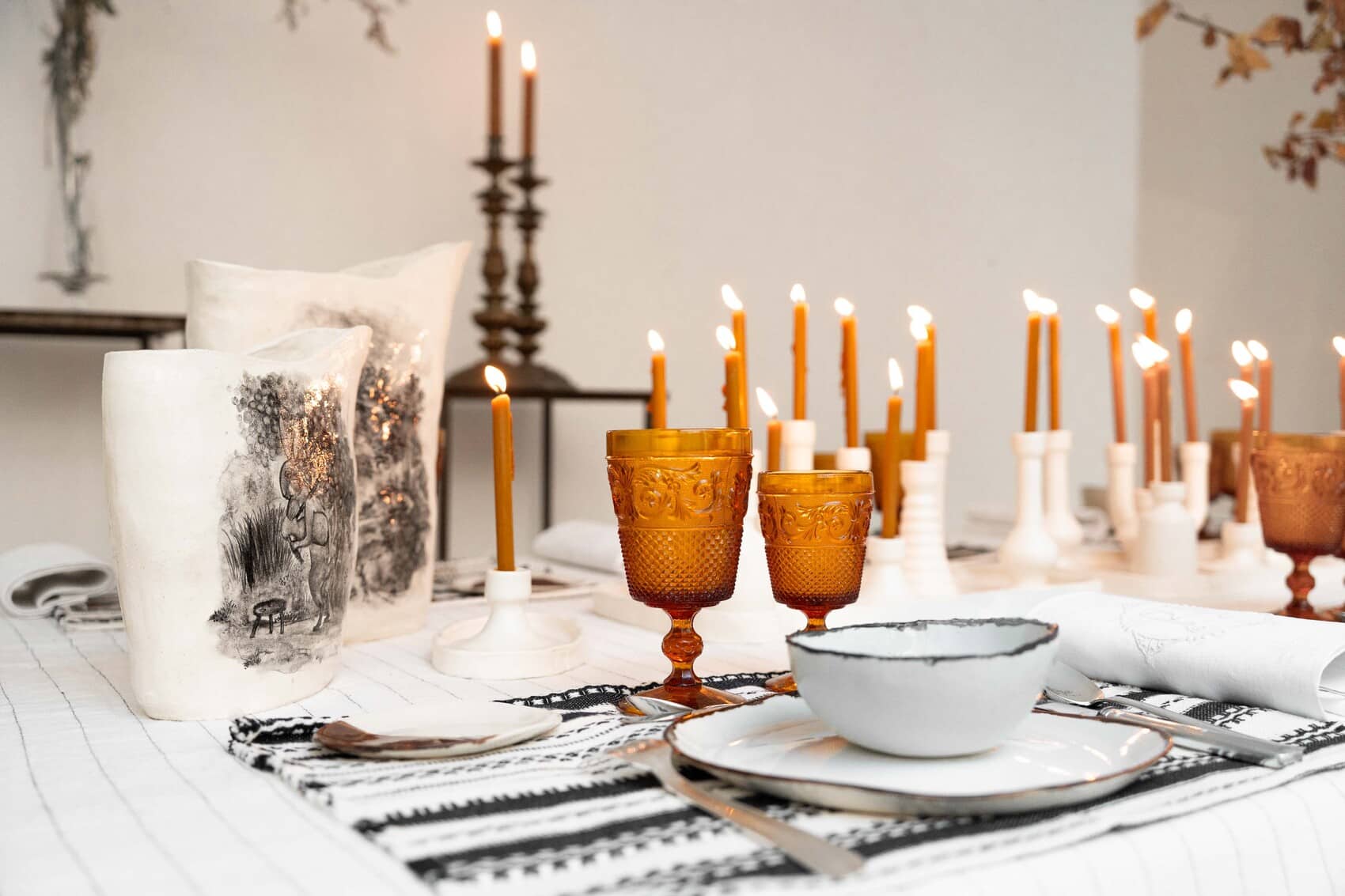
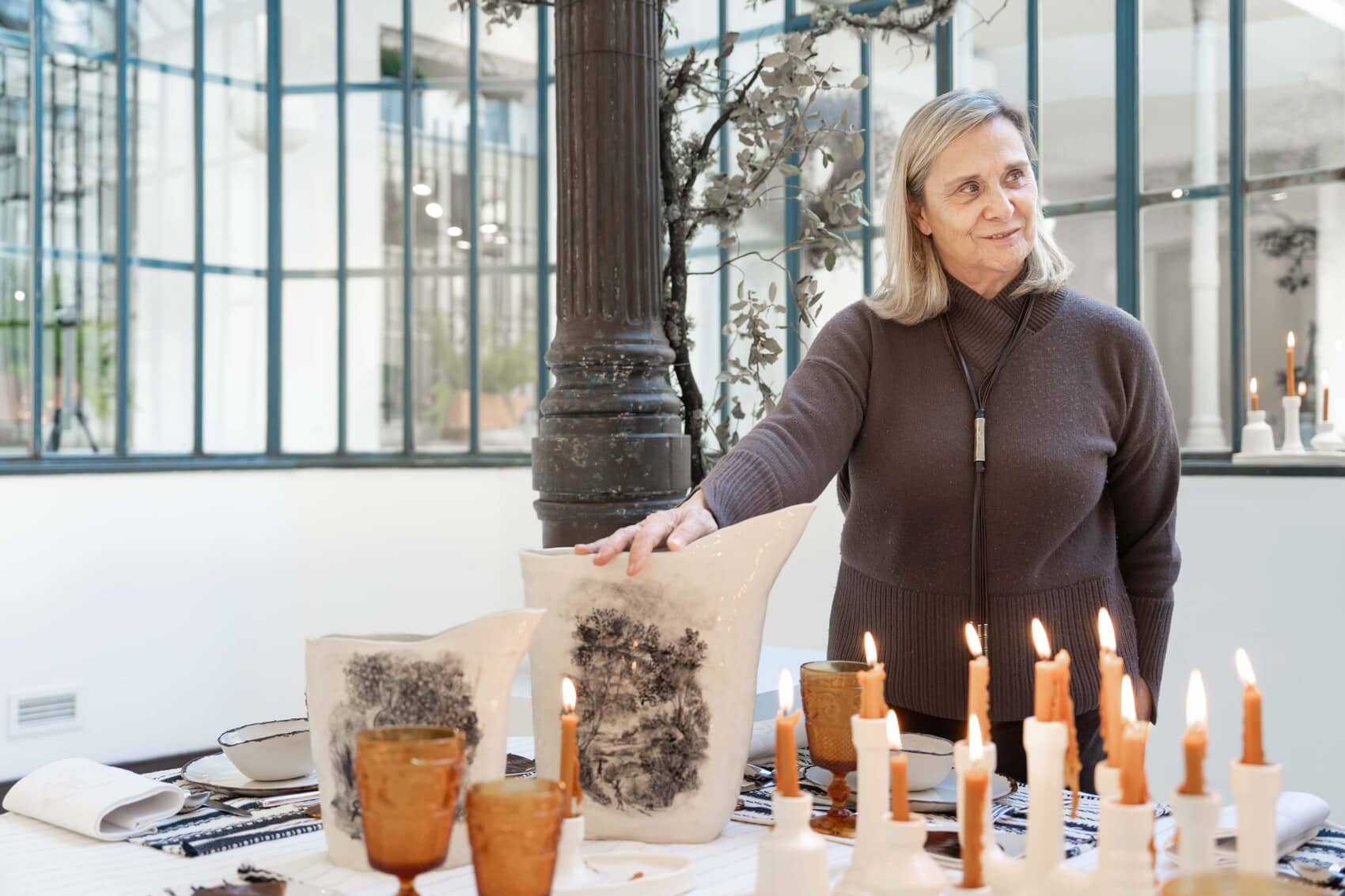
Sylvia has chosen contemporary tableware designed by Ángela Martín Retortillo (AM-R), which adds a unique touch to the organic ensemble and reinforces the idea that functionality can also be emotional. Her pieces, with their irregular and deliberately imperfect shapes, fit seamlessly into the overall concept. The collection features surfaces that bear the marks of the handcrafted process and a soft color palette that harmonizes with the amber tones and plant-based hues of the table. Each piece is unique, handcrafted, designed for everyday use, and imbued with personality and character, embodying a sense of luxury rooted in the truth of the material, the process, and its use.
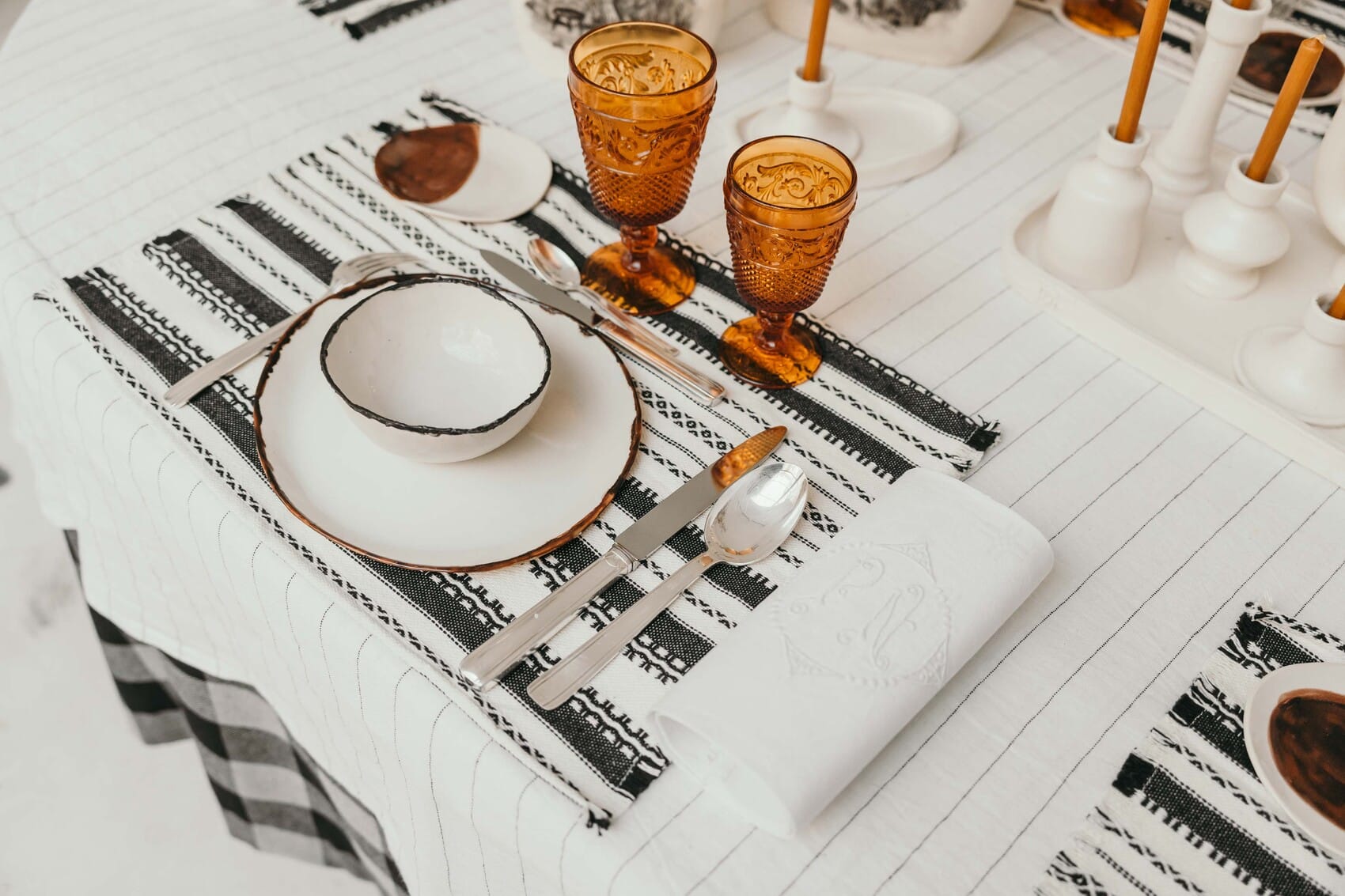
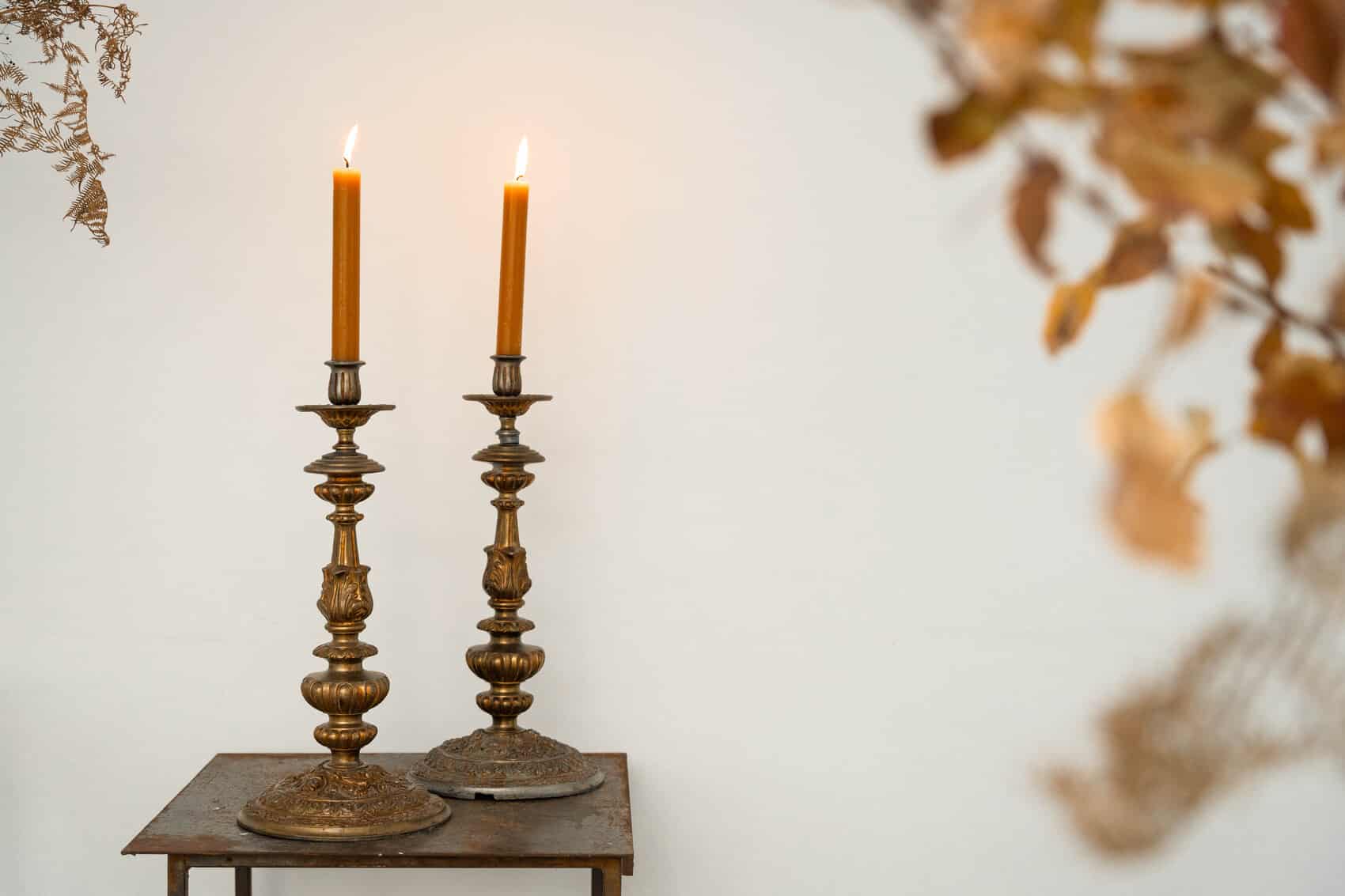
To complete the arrangement, Sylvia incorporated historical pieces from our friends at Rue Vintage 74, indispensable companions on every Christmas table, who always support and accompany us with boundless generosity. Objects laden with memories that provide a delicate, timeless, and emotional counterpoint. The silver-plated metal cutlery, with its Art Deco lines, stands out for its exceptional state of preservation; each knife, each fork, each spoon seems to have passed through time without wear, as if it had awaited the precise moment to reveal itself. The electrolytic silver plating maintains a restrained, understated shine that reflects the candlelight with a soft glimmer intended to elevate the whole; a type of luster that speaks of permanence, of fine craftsmanship, of objects designed to last.
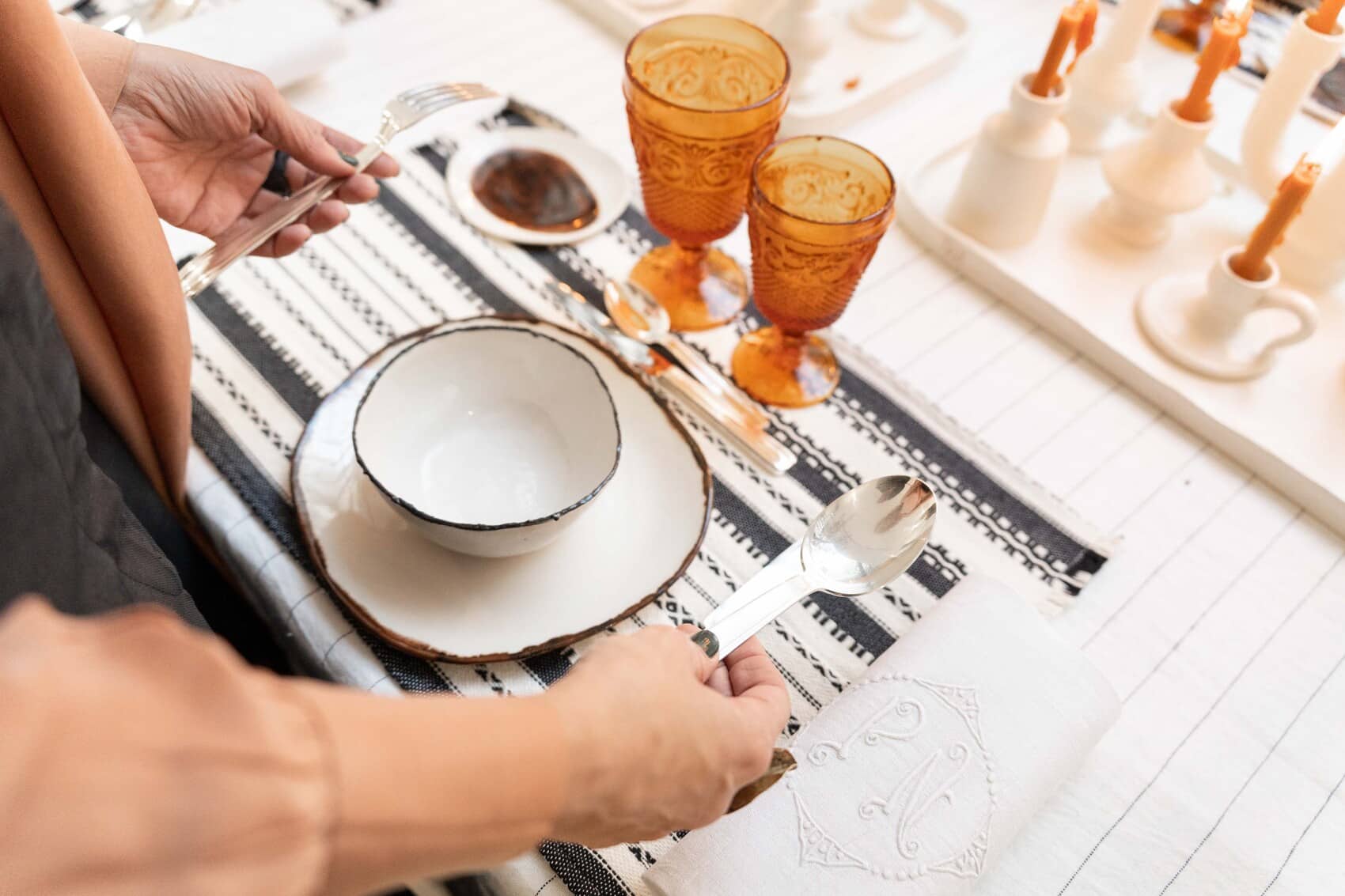
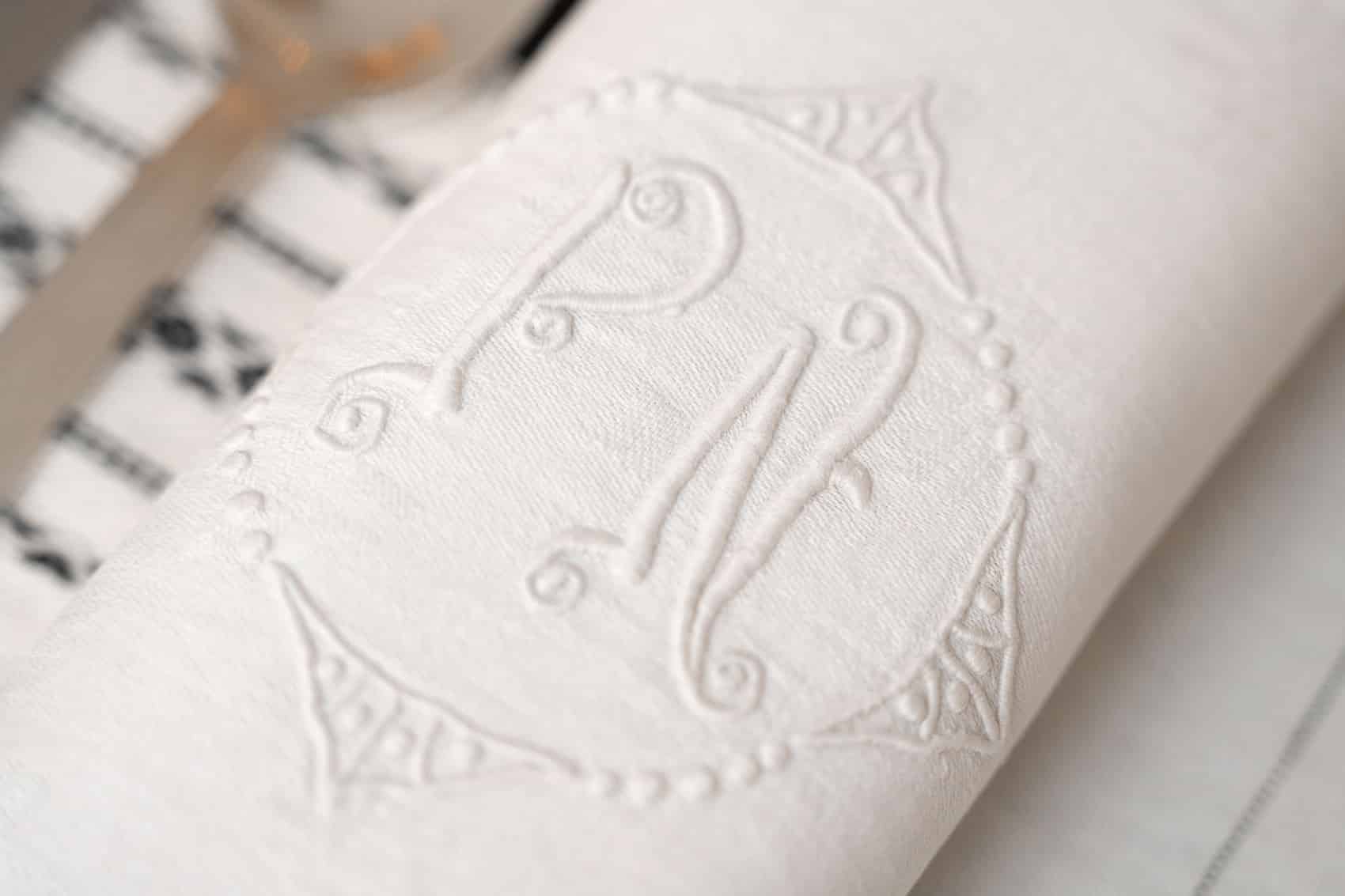
French damask napkins reinforce that sense of carefully crafted heritage. Hand-embroidered with initials reminiscent of a time when each textile piece had its own identity, they offer a dense, precise texture that is noticeable even before they are unfolded. Their generous size adds a ceremonial touch to the table setting; wrapping, gathering, accompanying, they introduce texture and a sense of classic craftsmanship that harmonizes beautifully with contemporary ceramics.
The glasses and tablecloths come from Sylvia’s family collection. These pieces have graced celebrations for decades, and this year we’ve brought them back to give them their rightful place on the table. Incorporating them isn’t just about aesthetics; it’s a way of acknowledging the value of what endures. Their texture, weight, and wear tell a story that remains active and, in the current context, takes on special significance. These pieces remind us that, ultimately, the essence of a table lies not only in its setting, but also in the people and the connections that bind it together.
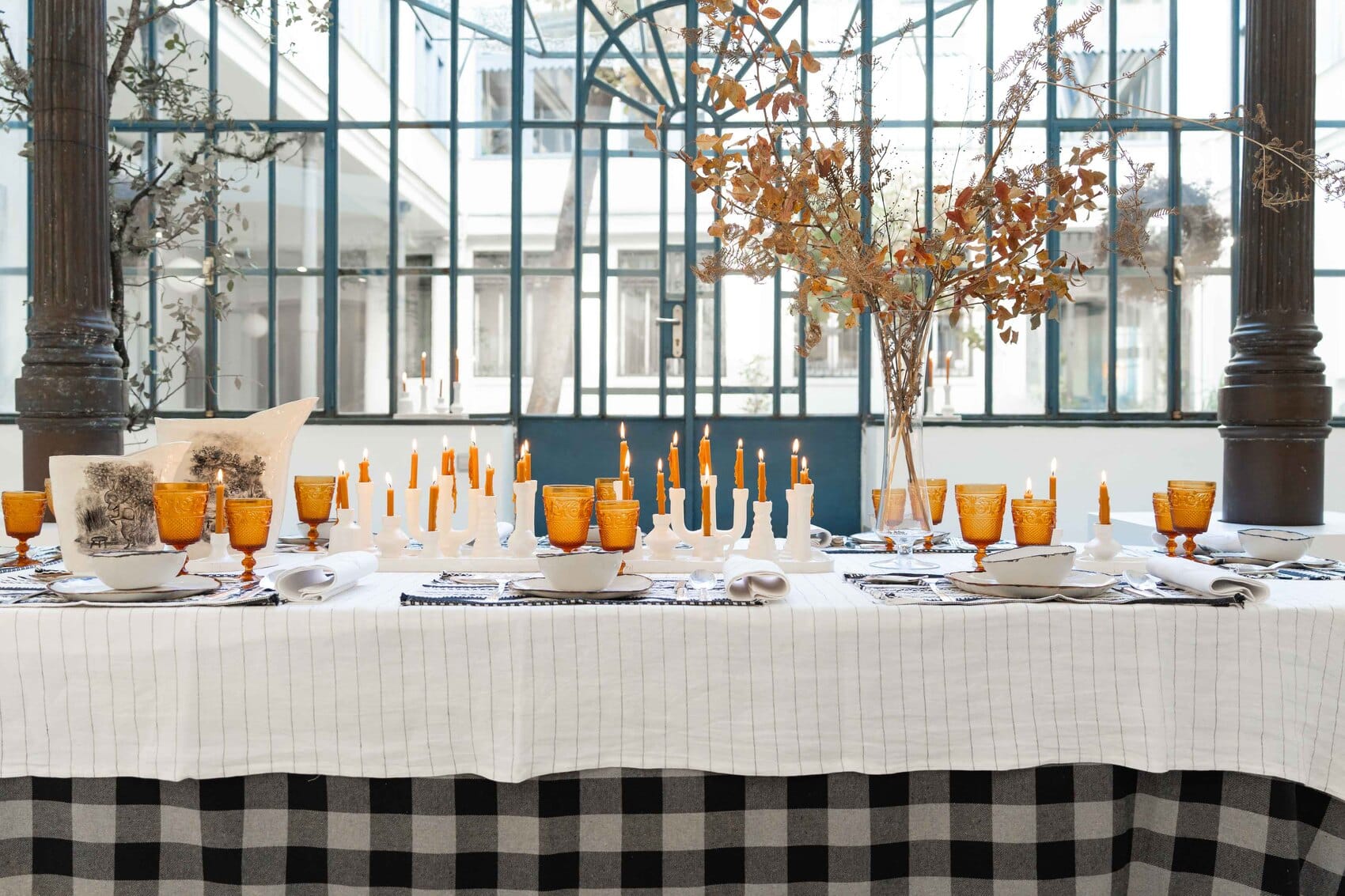
Based on this foundation, Eturel’s placemats visually structure the table. Inspired by traditional textiles from the Alpujarra region of Granada, they reinterpret their artisanal character in a more refined, contemporary design, intended to add warmth without sacrificing modernity. Their stripes and textures complement the rest of the table setting and the ochre tones of the botanical decor, creating a sense of continuity and balance.
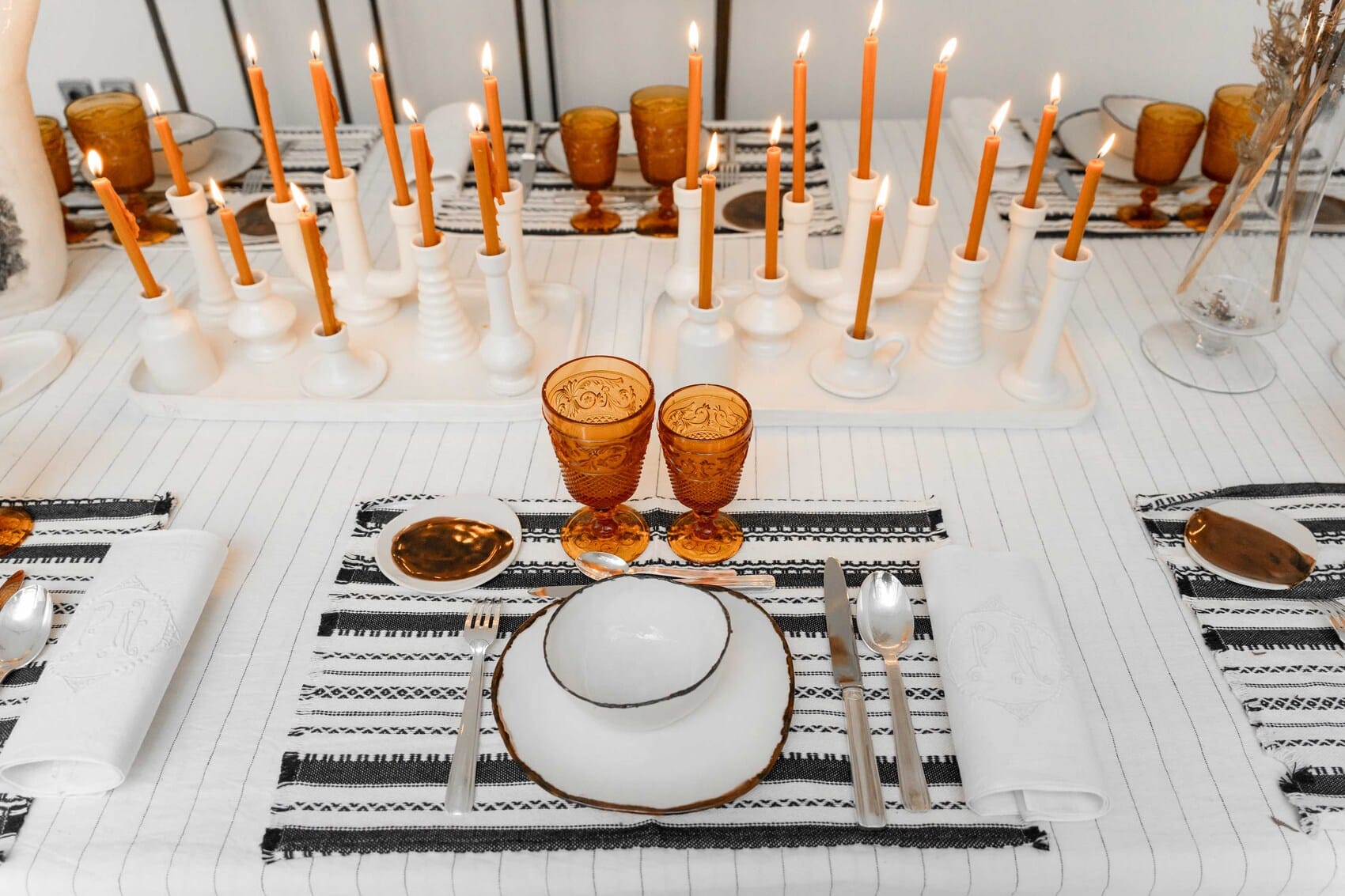
At The Sibarist, we see the table as a place where materials, perspectives, and moments intersect. This collection is born from intention, from the spirit of autumn, from the value of craftsmanship, and from the desire to celebrate connected to what is essential: light, nature, and pieces that will last through the years.
We invite you to be inspired by our collection and create your own table setting, full of charm and personality. And most importantly, don’t forget to enjoy!
Once the table setting is complete, we celebrate together, as a team, just like every year.
Merry Christmas!!!
Founded in 2010 by Piluca Hueso, RV74 redefines the codes of decoration, embracing a lifestyle rooted in authenticity and respect for artisanal crafts. It is the living legacy of a family passion that, since 1995, has led mother and daughters to travel the world in search of extraordinary objects, preserving ancient traditions and honoring the skill of those who created them.
RV74 is a tribute to handcrafted pieces and an invitation to connect with the essence and history that resides in each creation. Understated and austere objects and furniture that transcend time and directly enhance the quality of life.
Damascus Napkins: Damask linen napkins belonged to trousseaus from the early 20th century, between the 1920s and 1940s. Today, Rue Vintage has revived them, giving them a new life with natural dyes to bring color and warmth to the table.
Antique French silver cutlery from the 1930s-40s: Silversmiths such as Christofle, Saint Médard, Boulanger and Ercui, among others, when they designed their cutlery in solid silver, replicated the models, and offered the same designs in a silver-plated version.
Born from a practically accidental discovery, Ki_Ceramics’ creator had her first encounter with ceramics five years ago and found an immediate connection between mind and hands. Since then, she has continuously trained, learning the craft day by day in her workshop in Cangas de Onís, Asturias. The need to create pieces she couldn’t find on the market led her to develop functional and poetic objects. Everything is handmade in the garden where she grew up, an environment she describes as her place of absolute peace. Without a physical store, her business operates through Instagram, direct shipping, and pop-up sales in Madrid and Barcelona throughout the year.
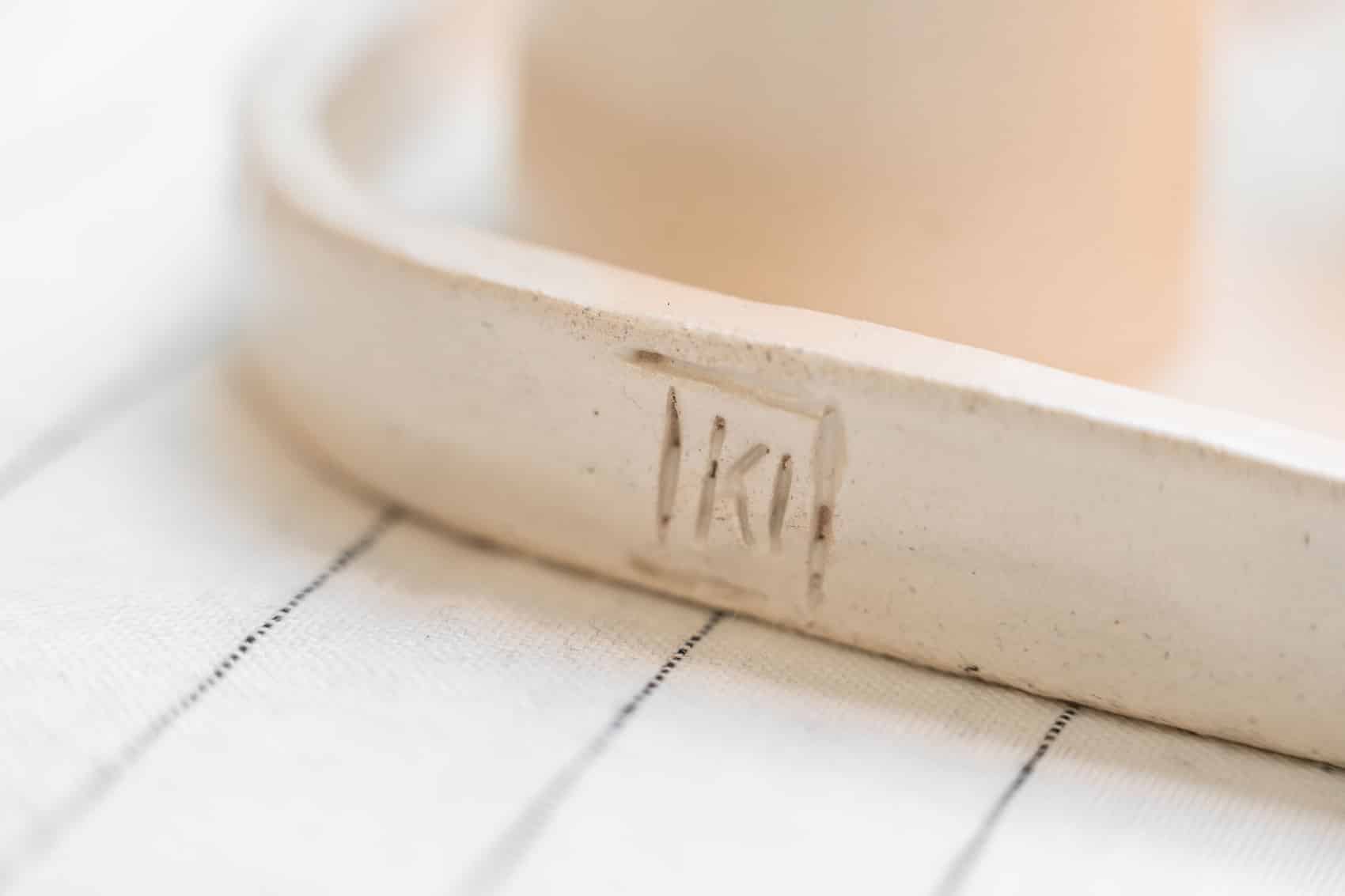
Lumière d’amís candlesticks: designed to prevent wax from ruining tablecloths and conceived as a unique piece consisting of a tray and candlesticks of different shapes. Always made of chamotte stoneware and glazed in soft tones, with deliberately imperfect forms and a waxed finish that characterizes her work.
Covadonga Villamil & The Story of a Hat
With a degree in Art History from the University of Oviedo and in Museography from the Complutense University of Madrid, Covadonga combines artistic sensibility and floral technique, developing projects where light, color, and natural materials such as organically grown flowers, bark, ceramics, glass, porcelain, and linen engage in a dialogue between tradition and contemporary design. Her creative process, always attentive to the client’s needs, constructs botanical narratives that integrate naturally into the space, contributing identity and a coherent aesthetic.
Ángela Martín Retortillo (AM-R)
A Madrid-based photographer with over fifteen years of experience in the publishing industry, she has worked for publications such as Yo Dona, Telva, Marie Claire, El País Semanal, Woman, Harper’s Bazaar, Mujer Hoy, and Esquire, among many others. Trained in the United States and holding an MFA in Art History, Theory, and Criticism from the Art Institute of Chicago, she combines her editorial work with corporate projects and consulting for private clients on the development of their visual identity. Her photography is characterized by a strong narrative and an intuitive approach that always seeks what makes each person or story unique.
In 2025, she also began this new project in the world of ceramics, creating unique pieces that expand her creative universe. Her vision unfolds in different mediums, but always with the authenticity and sensitivity that define her work.
Founded in 2016 in Tembleque (Toledo), Eturel draws inspiration from the aesthetics and memories of rural life. Its creator revives the fabrics that have shaped the character of homes in his town, such as burlap, alpujarra, and canvas, and brings them into the present through 100% handcrafted production made in Spain. The brand celebrates the craftsmanship and unhurried pace of rural life, crafting each piece with durable, time-honored textiles woven on Spanish looms. With a sustainable approach that closes the production cycle within the country, Eturel transforms materials linked to rural life into contemporary objects that retain their authenticity and cultural roots.
Alpujarra Placemats: These placemats take as their starting point the traditional fabrics of the Alpujarra region of Granada, with their stripes, textures, and the artisanal character that has defined the aesthetic of the southern slopes of the Sierra Nevada for generations. Building on this heritage, the brand offers a more refined and contemporary version, designed to bring warmth without sacrificing design precision. The result is versatile, elegant pieces steeped in history, maintaining the unmistakable hallmark of reinterpreted tradition that characterizes Eturel.
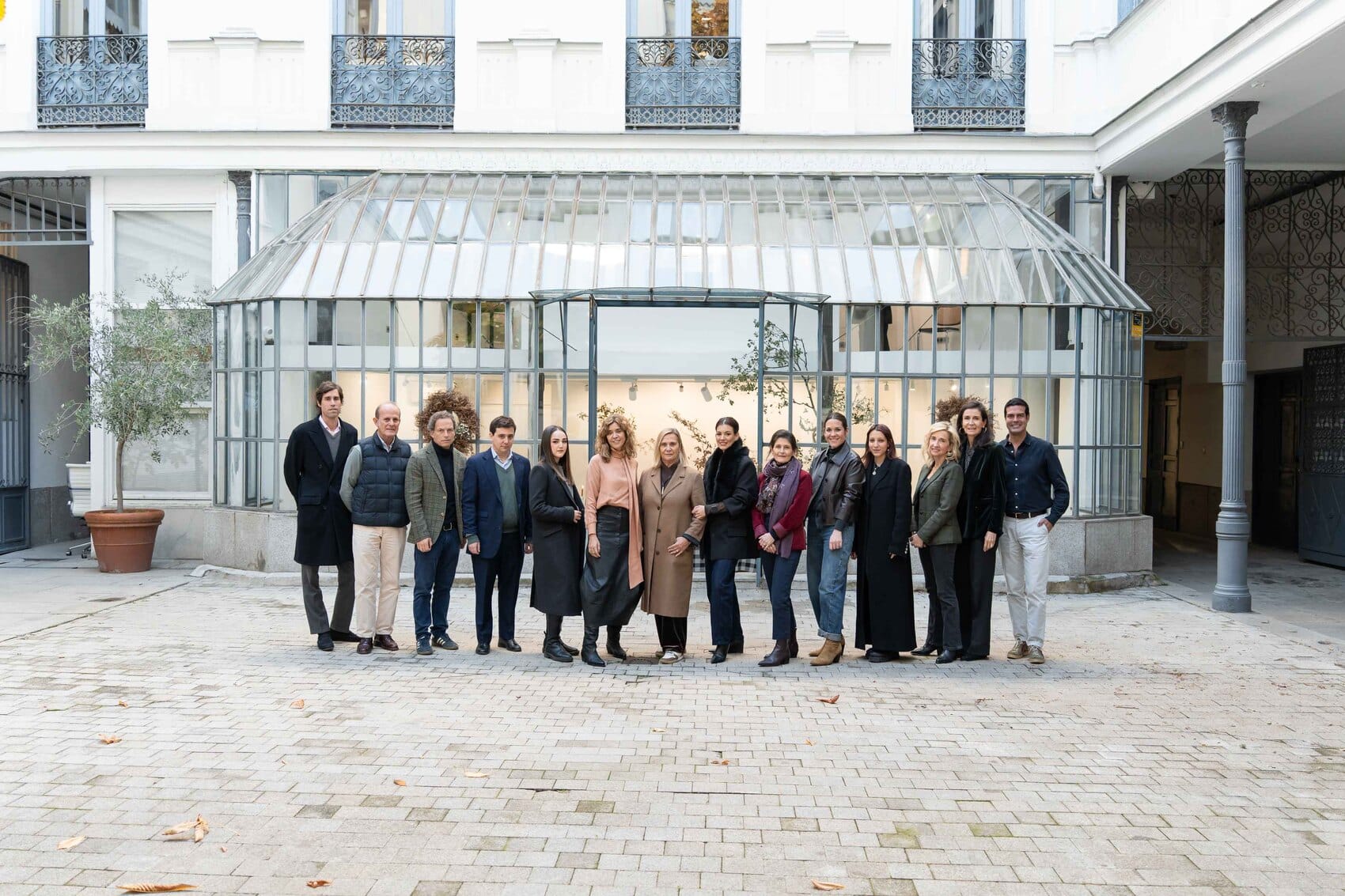
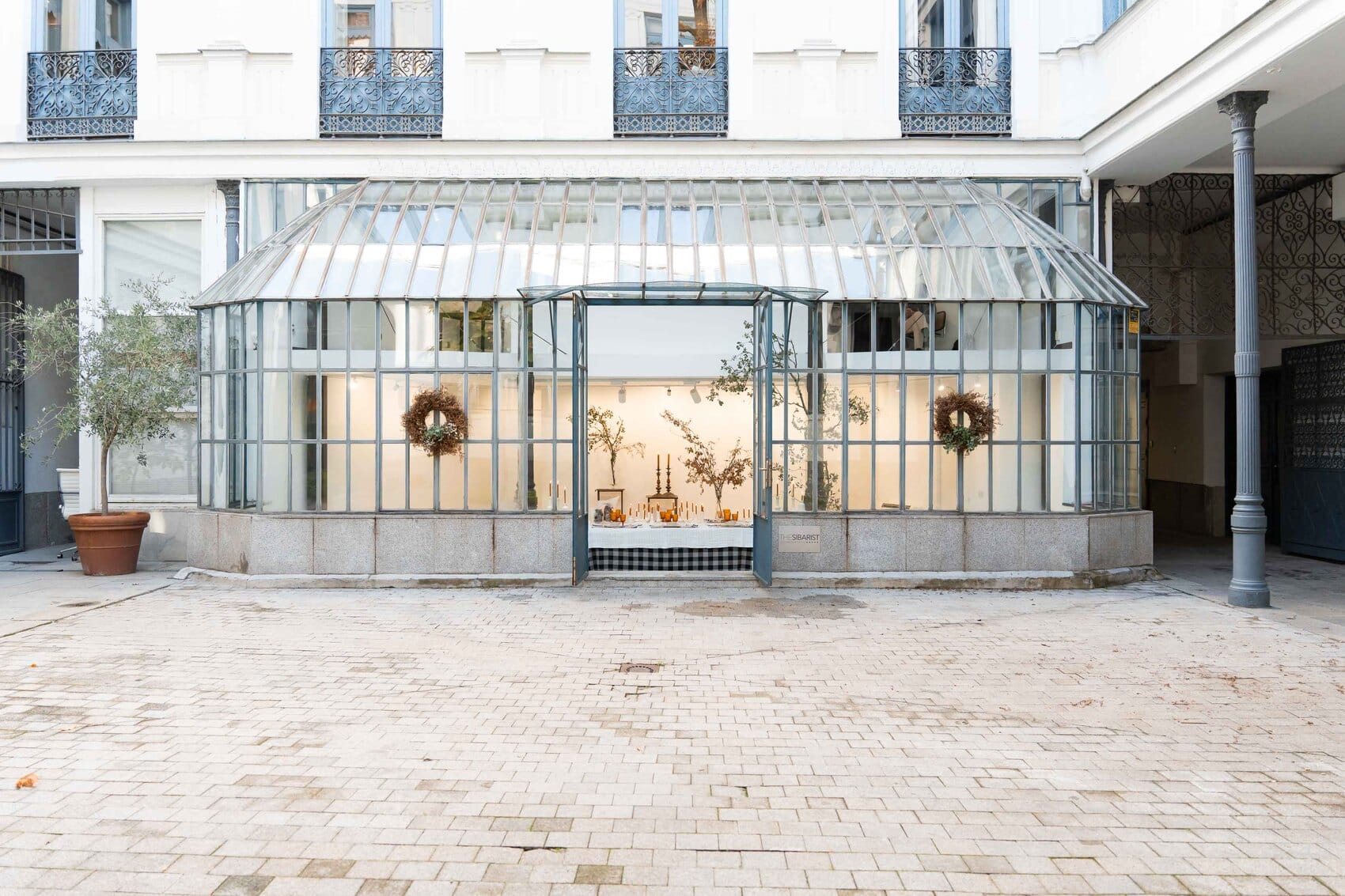
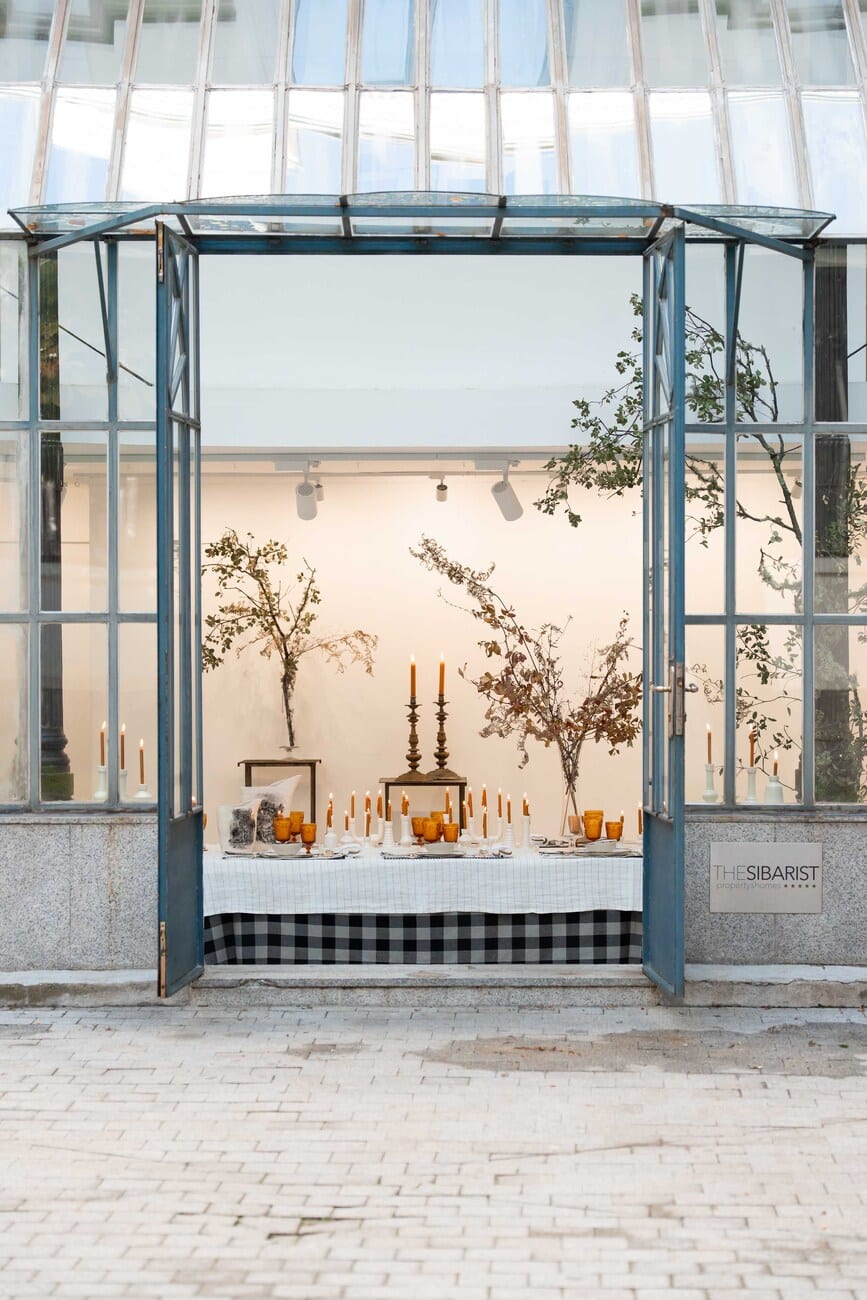
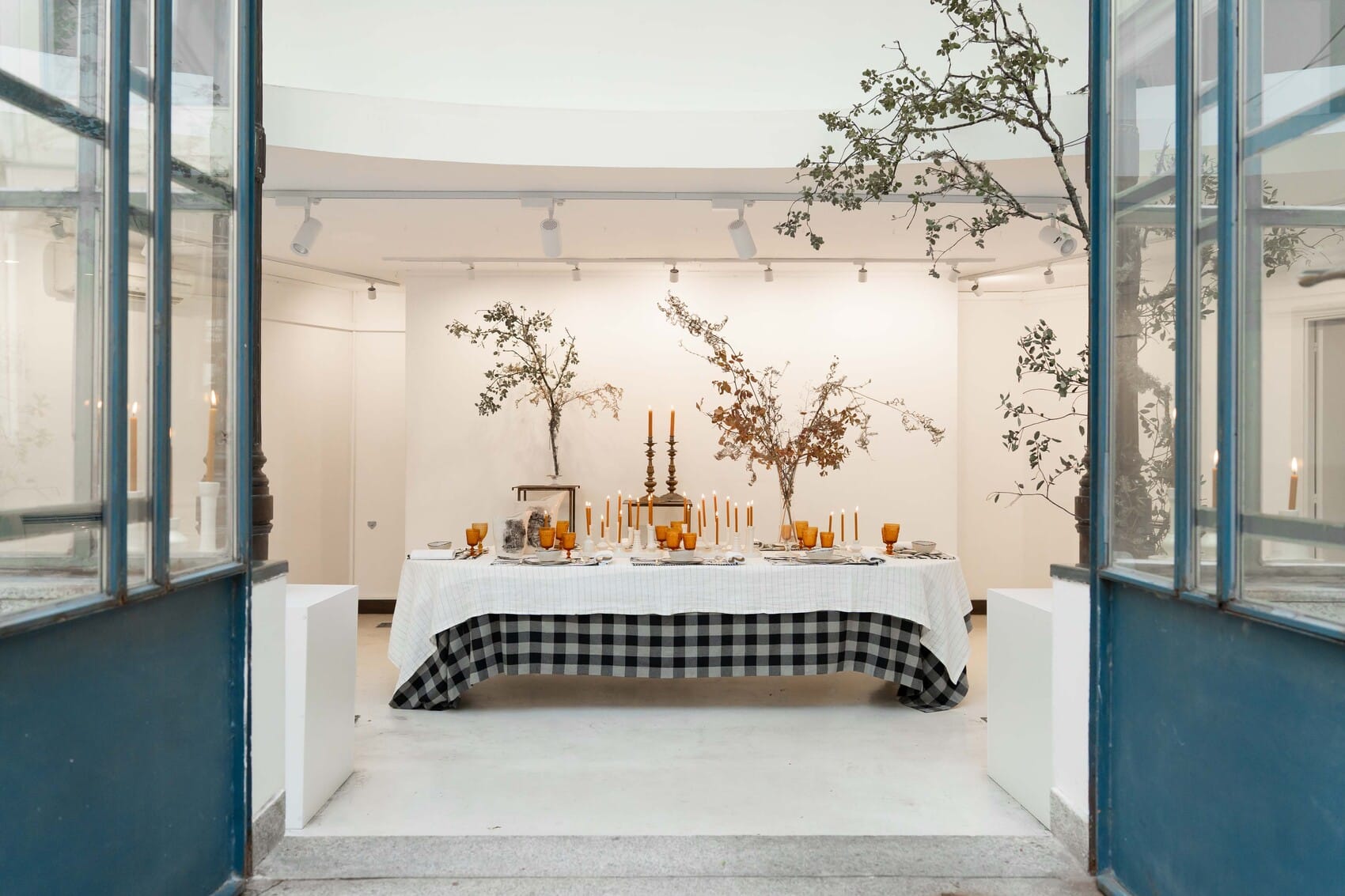
We are getting ready to celebrate Christmas, and as is now a tradition, The Sibarist takes us to one of its spaces: El Invernadero where Sylvia Girón, interior designer and founding partner of the company, inspires us with her table proposal, offering us suggestions for the most special time of the year. A preparation that has been carefully prepared to the maximum detail to share with our readers, followers, clients and the whole team. For this occasion, she has counted on the special collaboration of Rue Vintage, Isita Home and Leticia Rodríguez de la Fuente.