Reviving traditional crafts: Thonet Studio & The Sibarist wickerwork workshop
Last Saturday, April 25, El Invernadero hosted a wickerwork workshop in collaboration with Thonet Studio—a day dedicated to reviving a traditional craft in which every strand combines technique, time, and heritage.
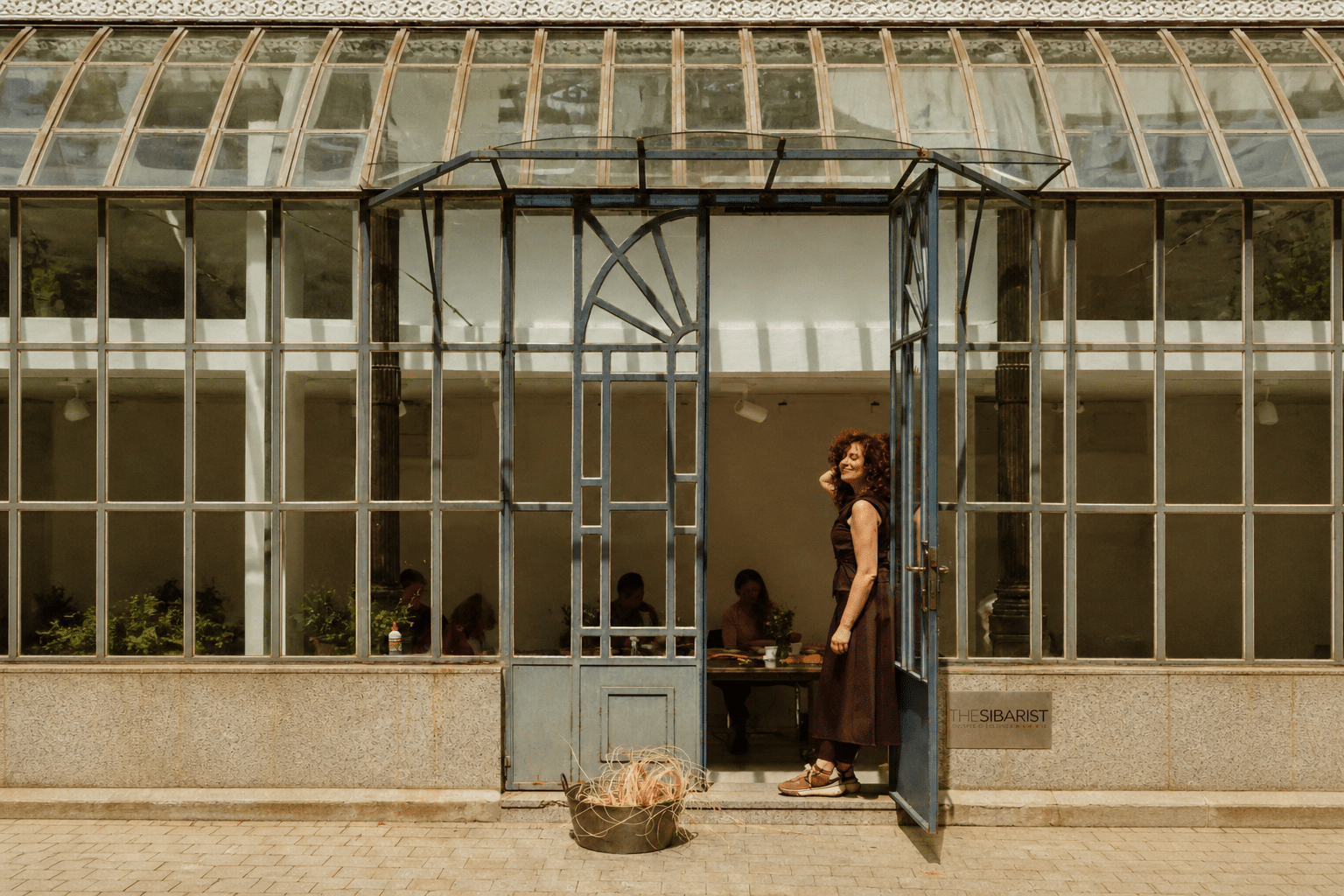
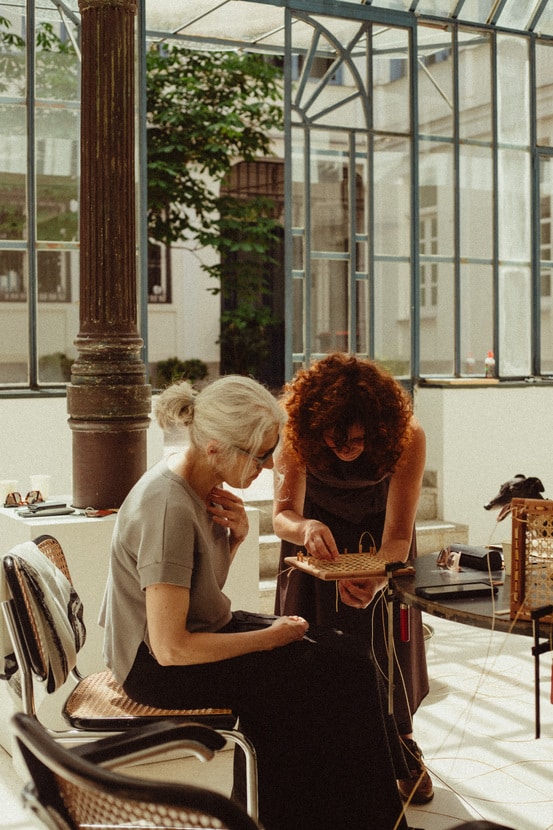
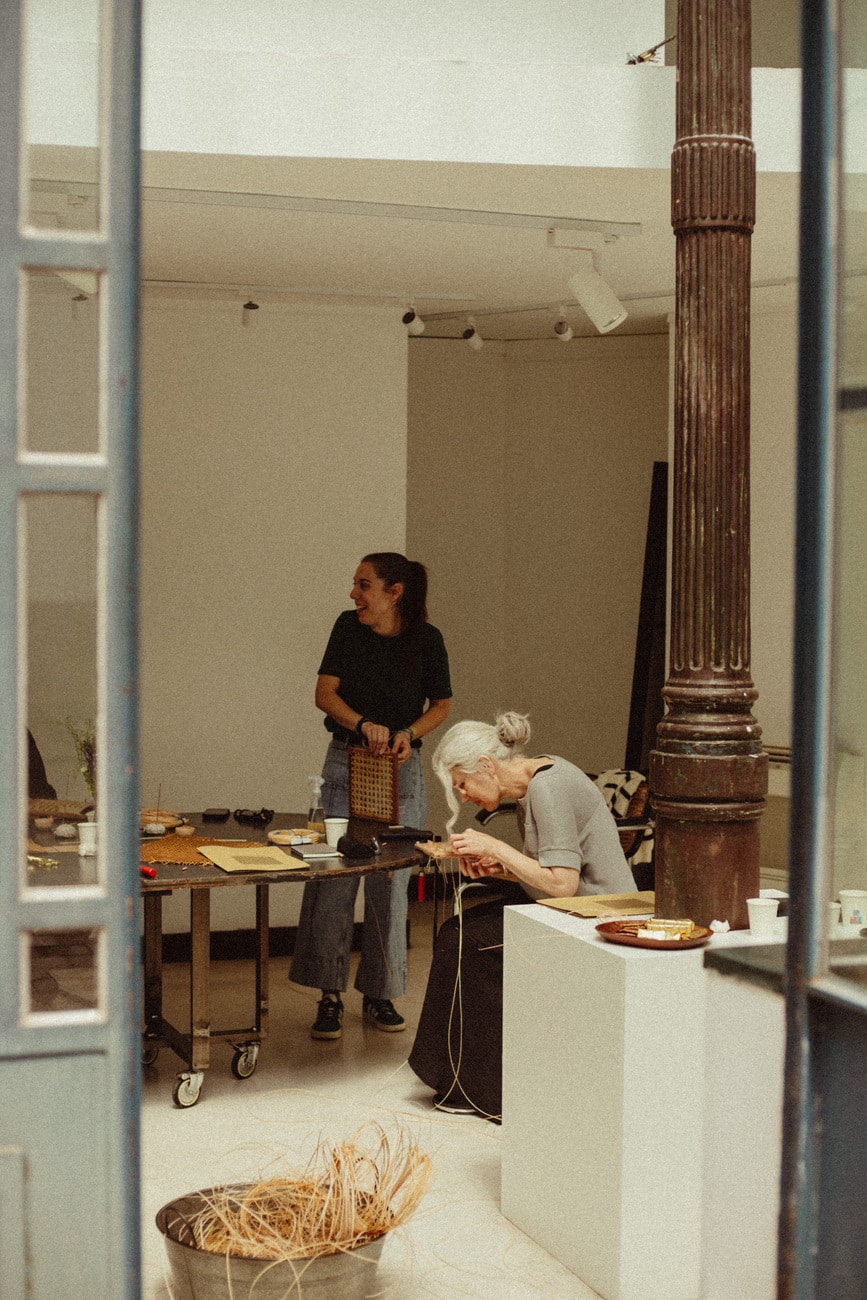
Last Saturday, April 25, our Greenhouse was transformed into a space for learning, listening, and hands-on work. There, Thonet Studio led a workshop on basket weaving, a traditional technique associated with furniture and structural weaving using natural fibers, which today finds new expressions without losing its artisanal roots.
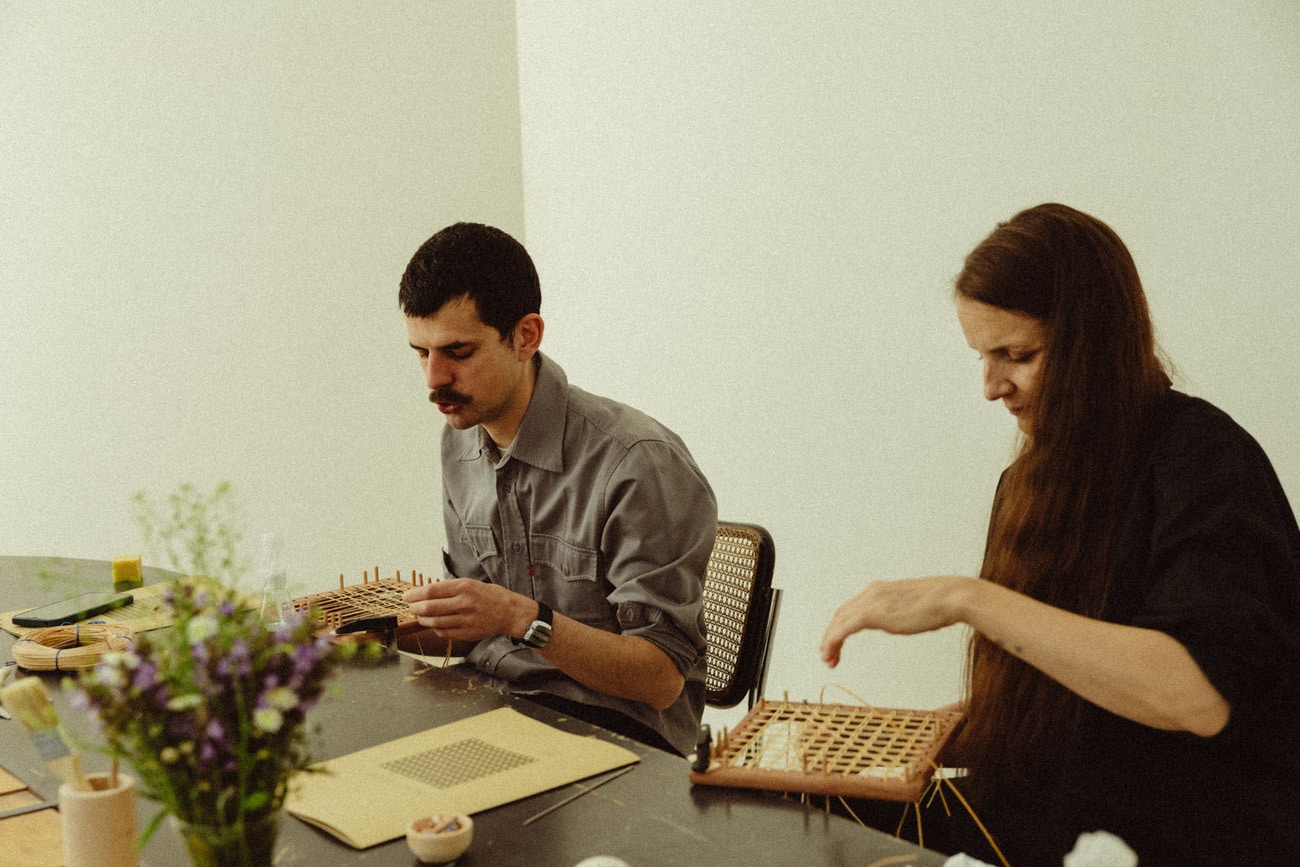
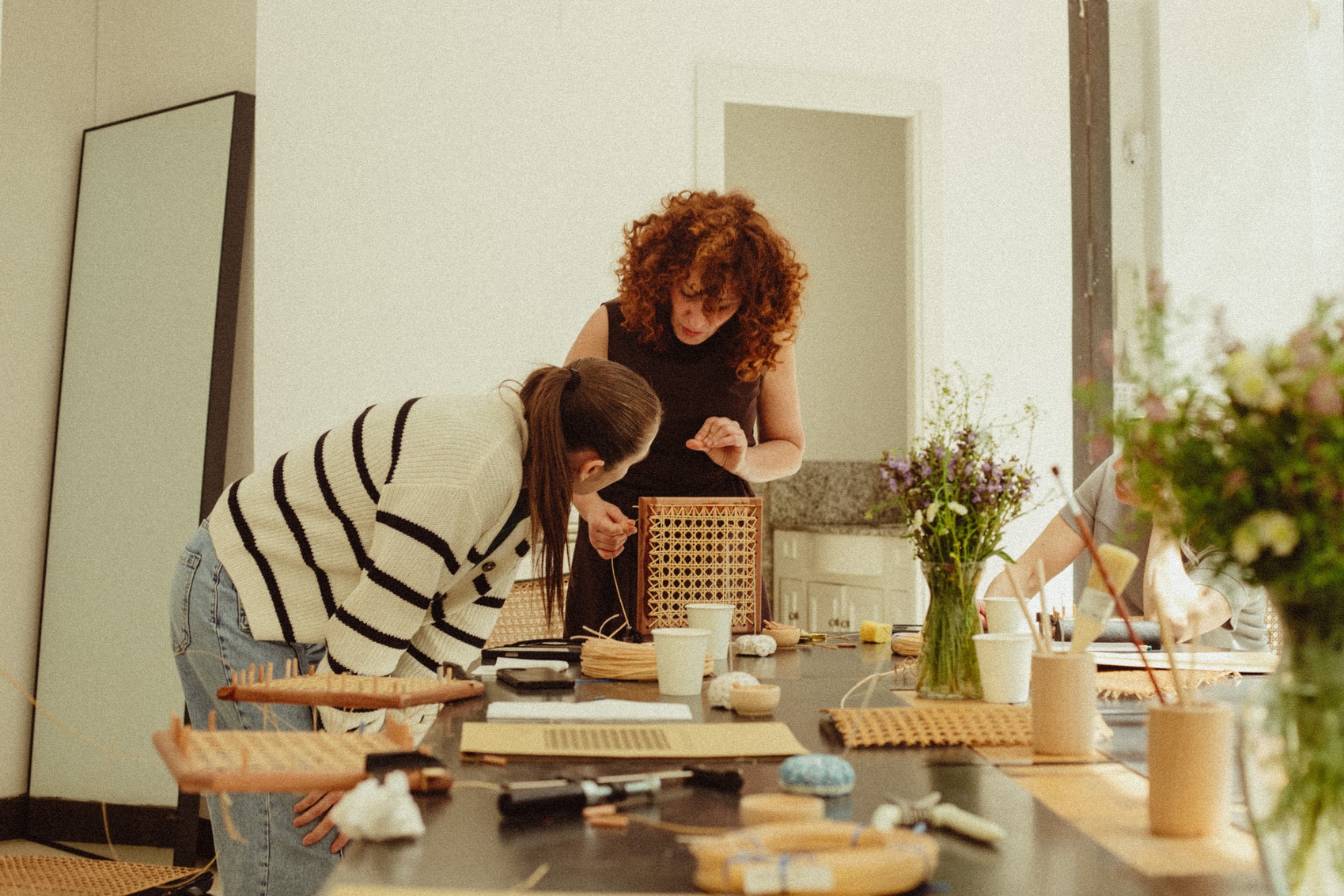
Throughout the day, participants approached this centuries-old craft from the ground up: they prepared the fiber, understood the logic of the pattern, learned to control tension, and wove their own piece on a loom. The experience was an invitation to pause, to view the object from its origins, and to recognize in every gesture a form of memory.
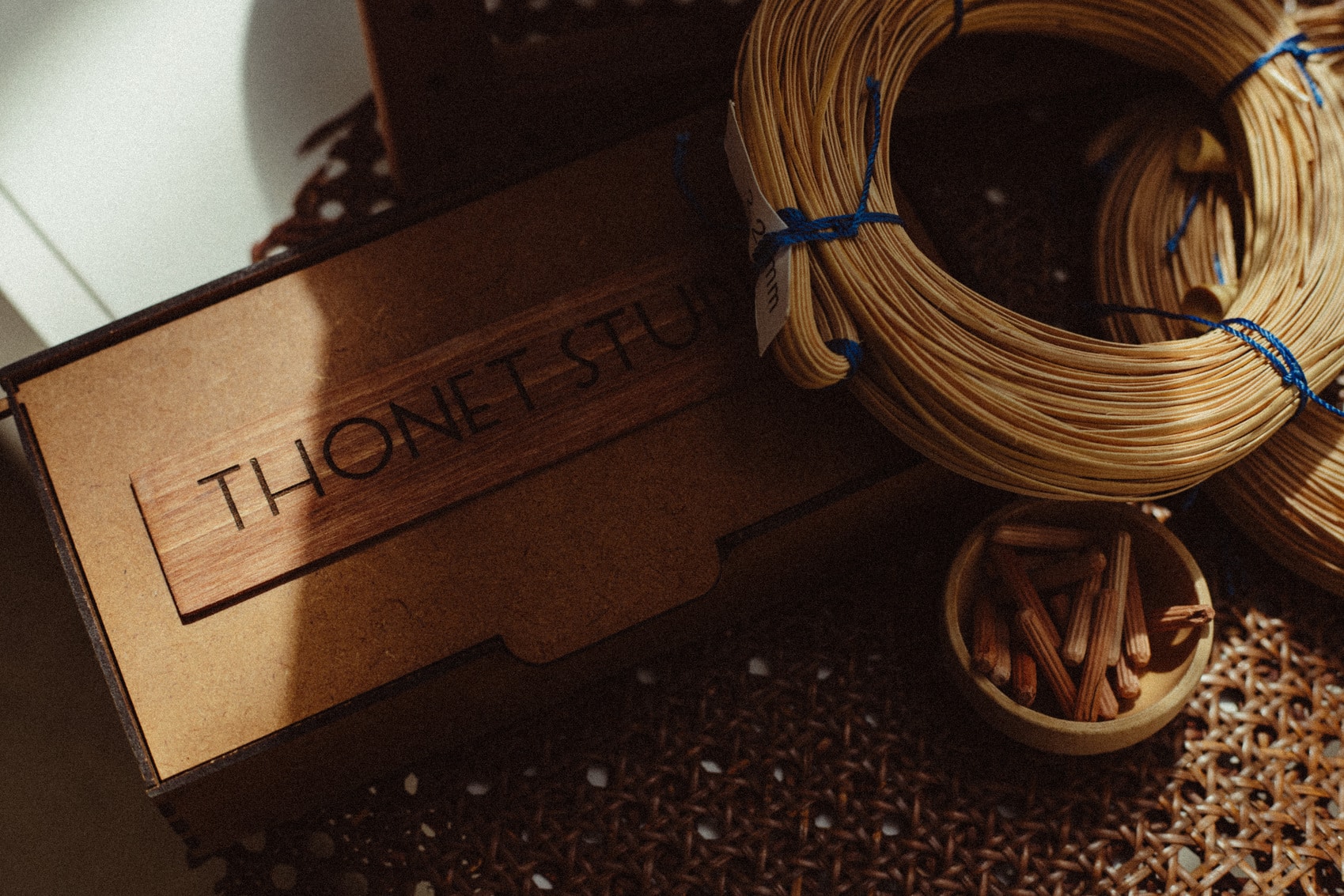
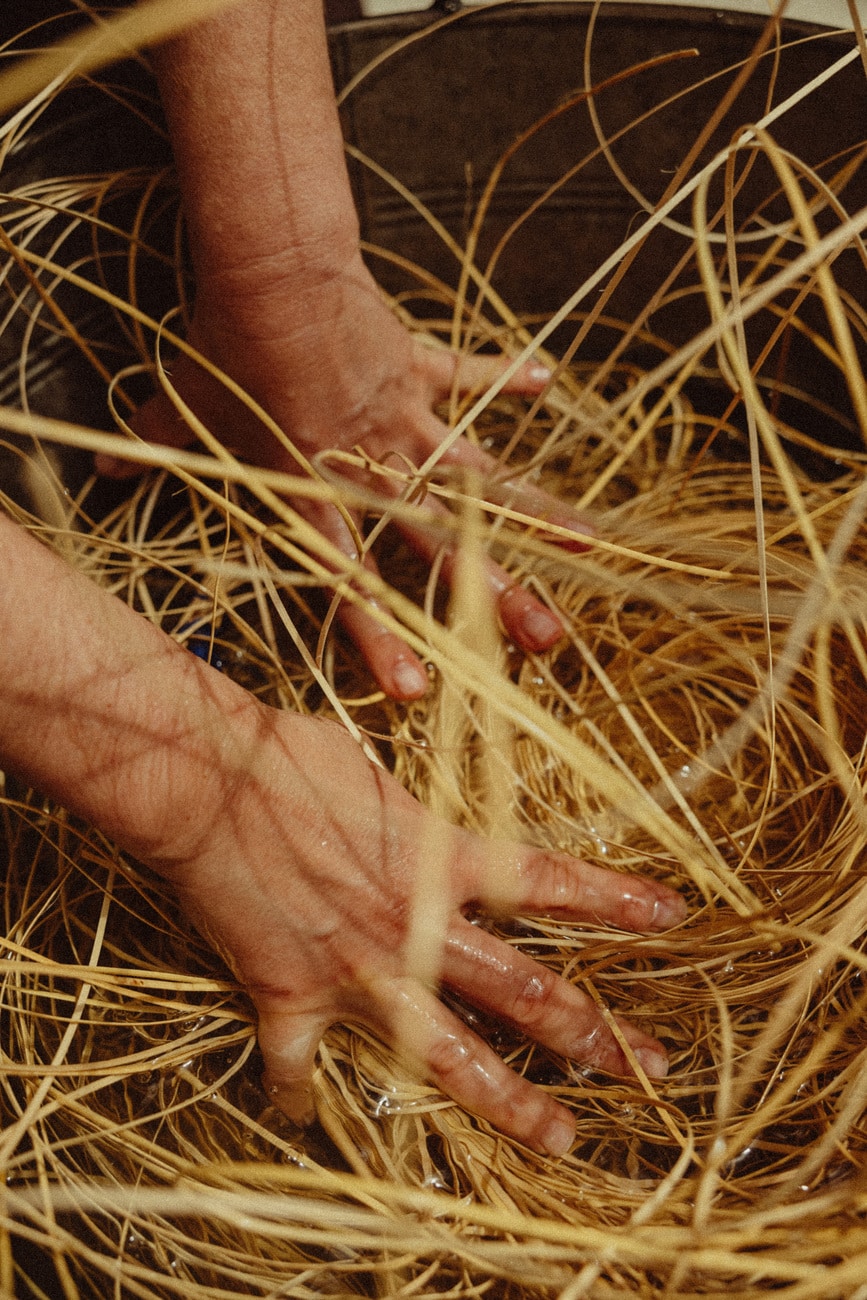
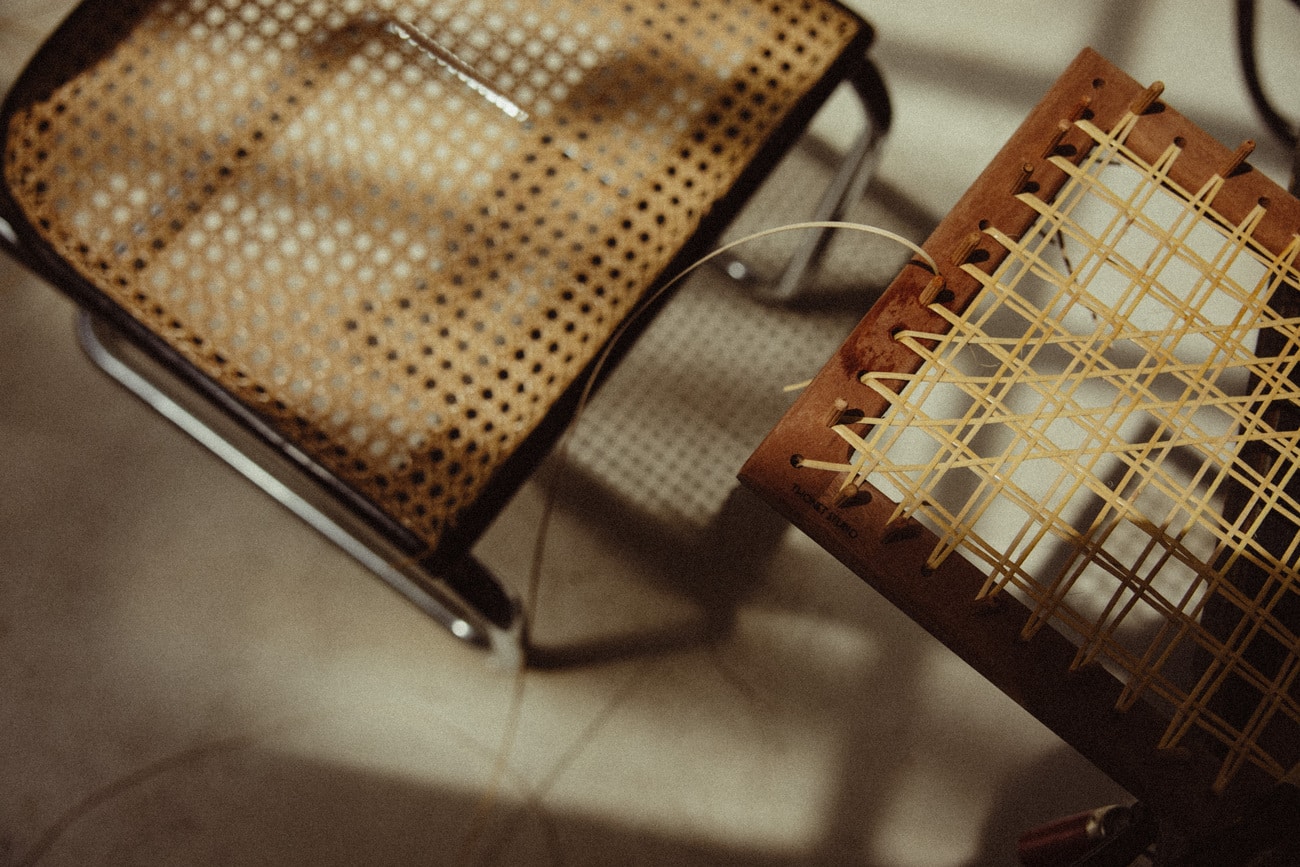
The day began with an introduction to the material. Natural wicker, traditionally made from rattan, needs to be moistened before it can be worked. Only then does it regain the flexibility needed to be stretched over the wood and form a sturdy, durable, and visually delicate structure. Under the guidance of María, the heart and soul of Thonet Studio, each participant discovered that weaving is not simply a matter of crossing fibers, but of engaging in a constant dialogue with the material.
María learned this craft from a young age, watching her parents weave, restore, and bring new life to wickerwork. From them, she inherited not only a technique, but also a way of understanding time, attention to detail, and the beauty of handmade craftsmanship. Today, from Thonet Studio, she continues to restore furniture steeped in history and passes on this knowledge so that it does not disappear. “Weaving is also a form of connection: a bridge between generations,” María tells us.
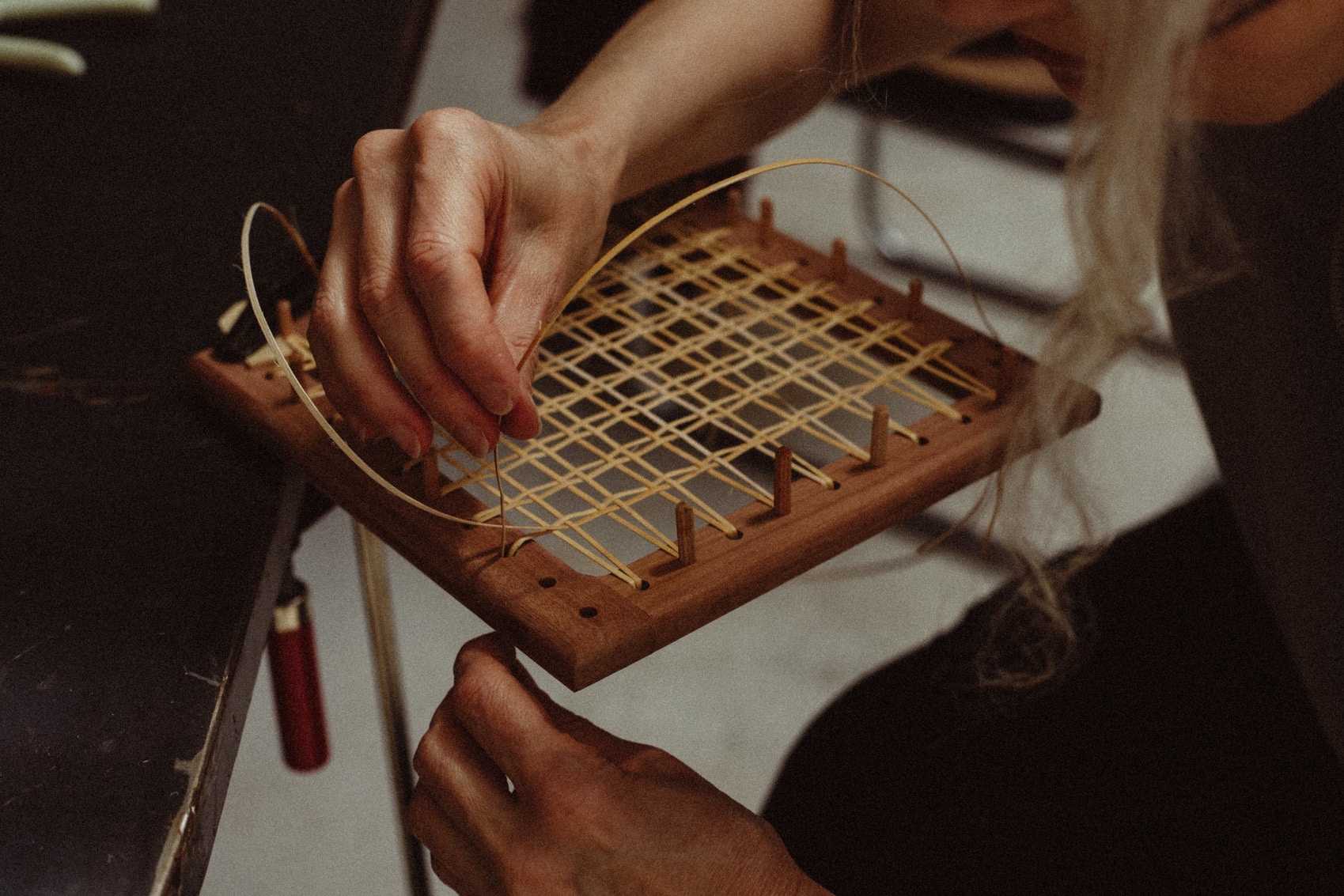
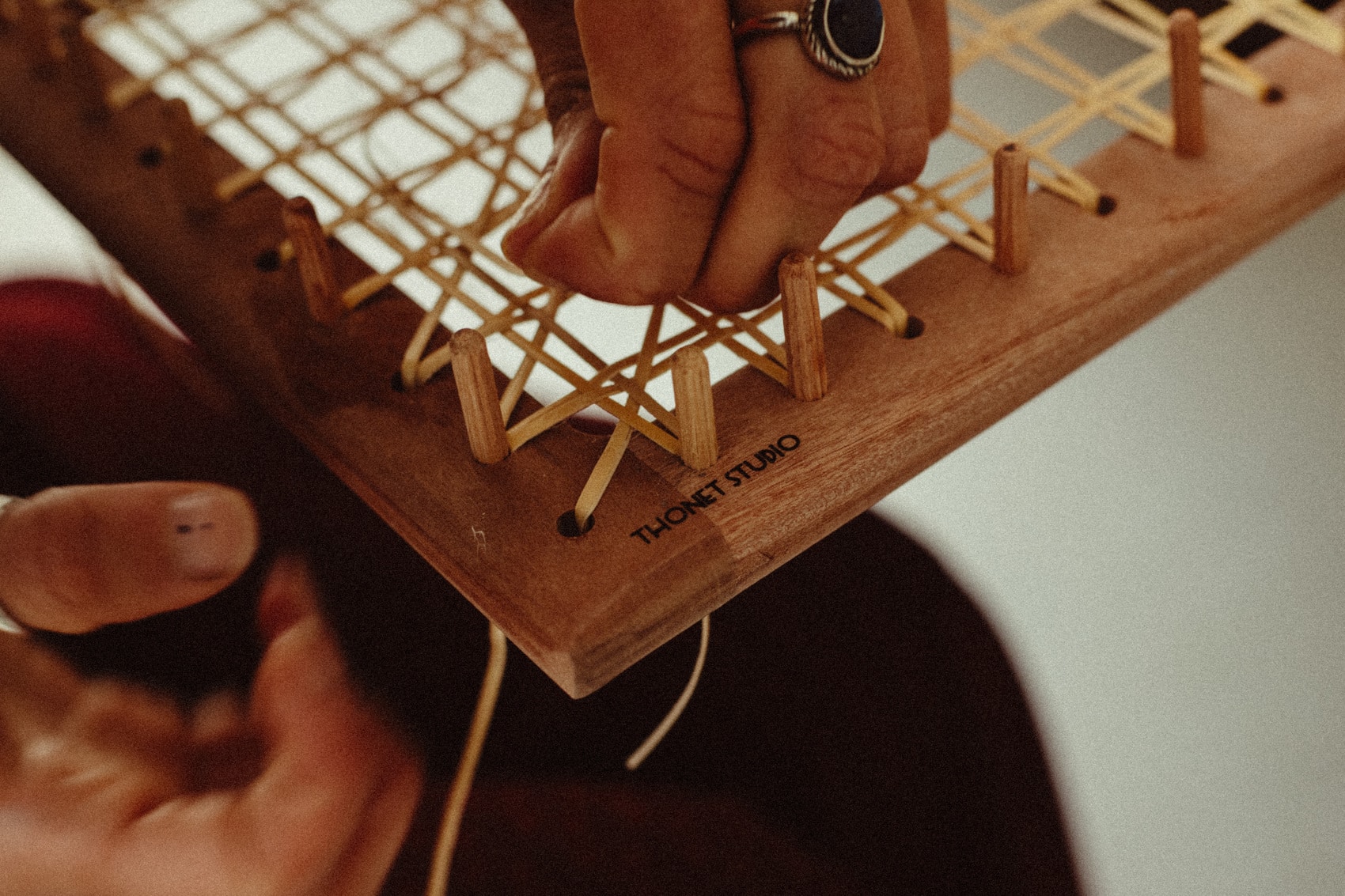
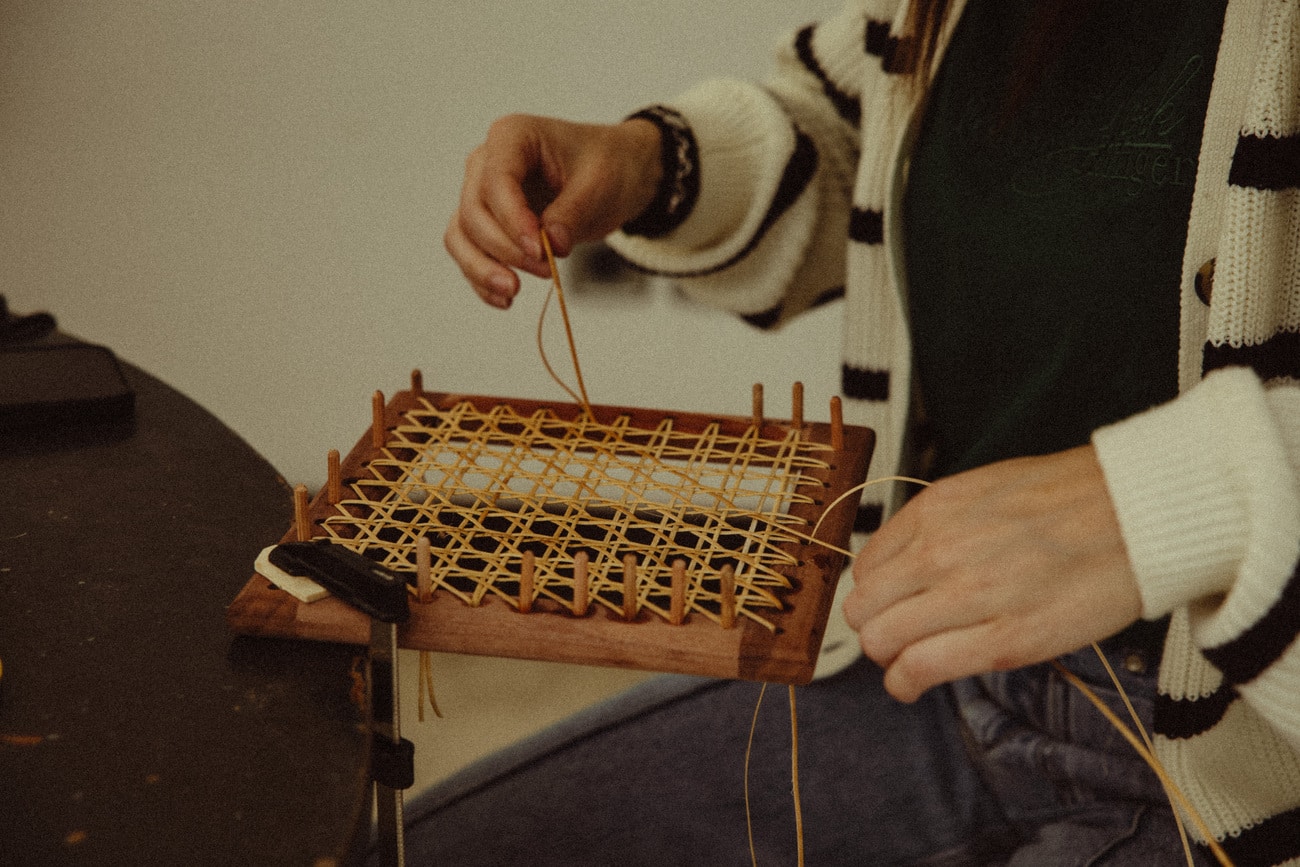
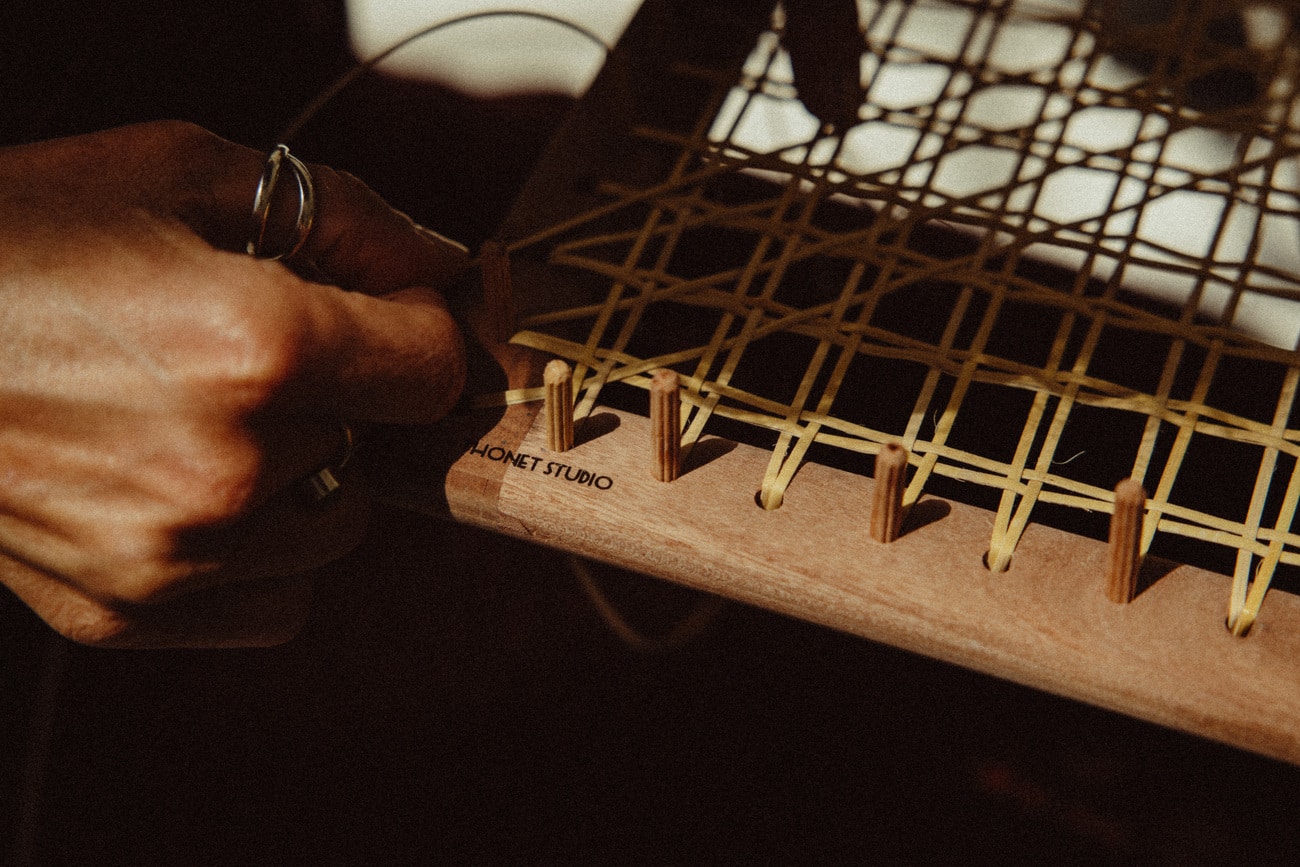
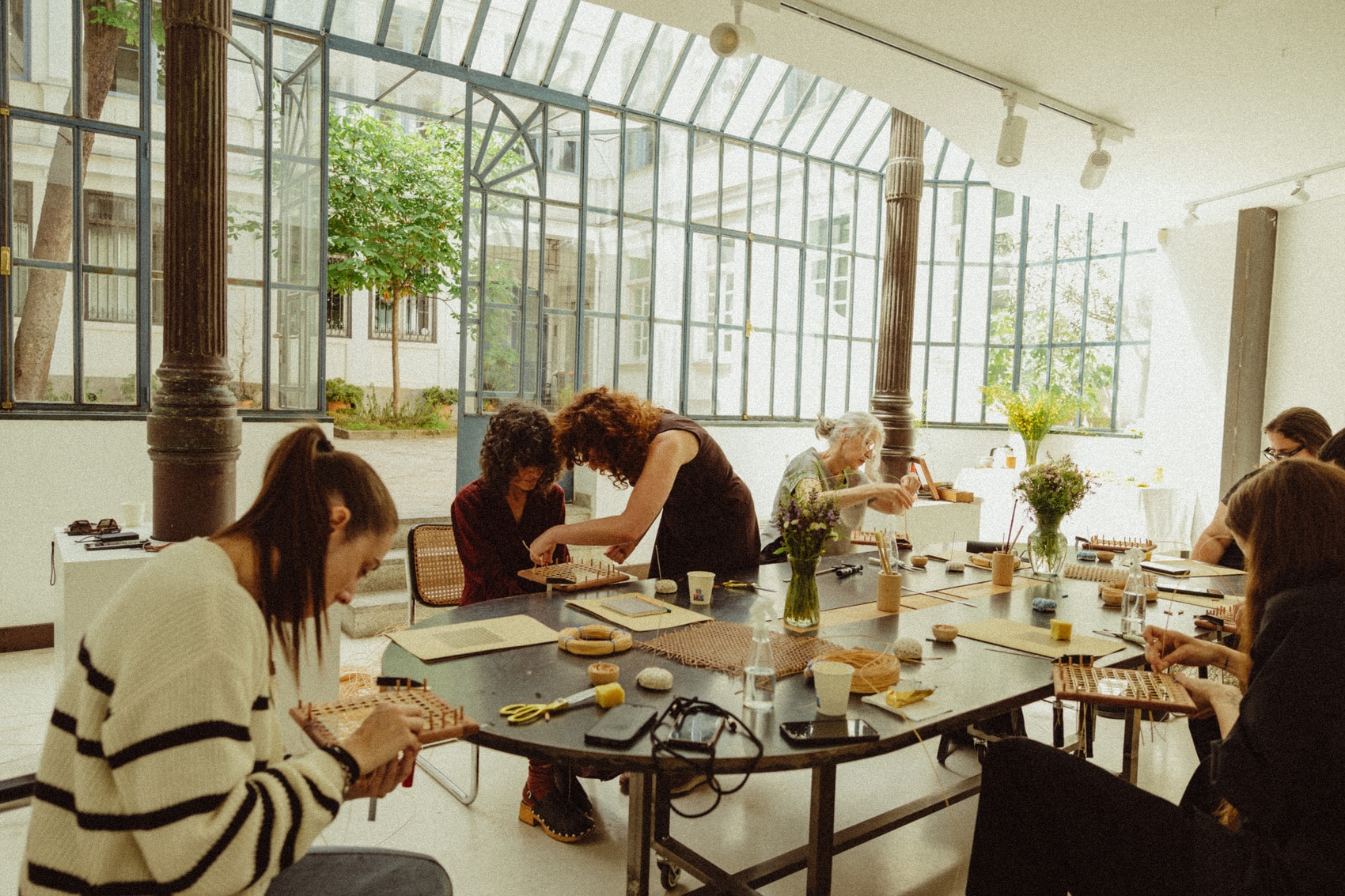
The workshop was held in a small group, which allowed for close guidance at every stage of the process. Participants worked with wooden looms, natural reed, traditional needles, and a folder containing technical and historical notes. Throughout the day, they gradually built up the octagonal pattern characteristic of the technique, understanding how the verticals, horizontals, and diagonals create that distinctive balance between space and substance.
On the loom, each thread depends on the one before it and prepares the next. If the foundation is not firm, the pattern loses stability; if the pace quickens, the fiber stops responding. That is why it is important to listen to the fiber, respect its rhythm, and accept that precision comes from patience.
Thonet Studio’s proposal celebrates craftsmanship as a legacy, but also as a contemporary tool. In a world defined by rapid production and instant consumption, reviving a craft like wickerwork means championing a different relationship with objects: one that is more mindful, more enduring, and more deeply connected to the material and those who work with it. In that sense, each wicker frame woven during the workshop was a small statement of principles.
At the end, participants took home their own woven piece, technical knowledge to continue practicing, and a certificate of attendance for the Thonet Studio workshop. But perhaps the most valuable thing was something less tangible: the experience of having been part of a chain of transmission. More than a course, it was a direct experience with a historical technique that unites structure, rhythm, and material.

Photos: Vanessa Martins
@parpadoscansados