This carefully restored Casa Indiana, dating back to 1926, stands as a singular architectural piece—restrained, well-balanced, and deeply connected to the history and identity of northern Spain.
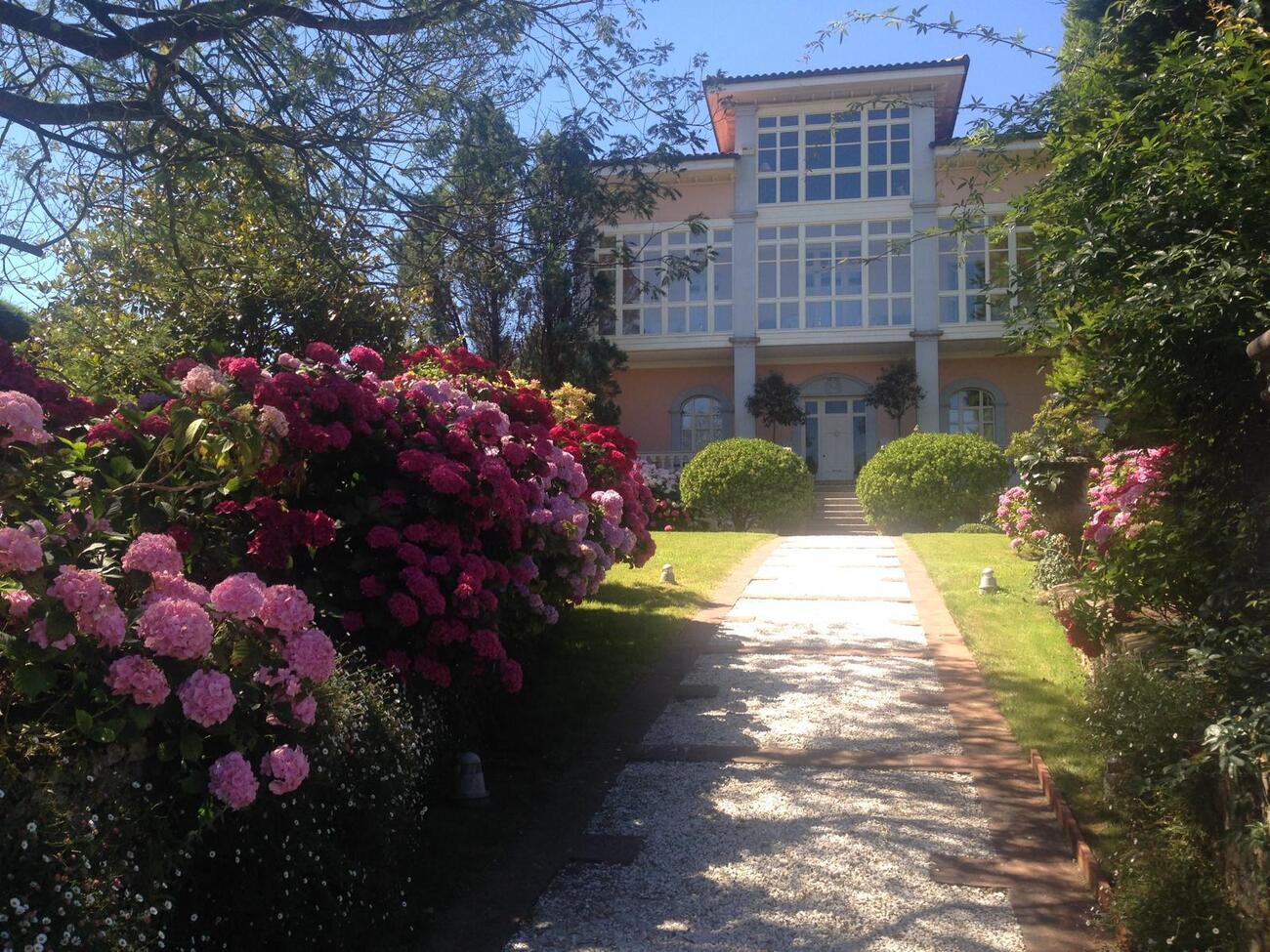
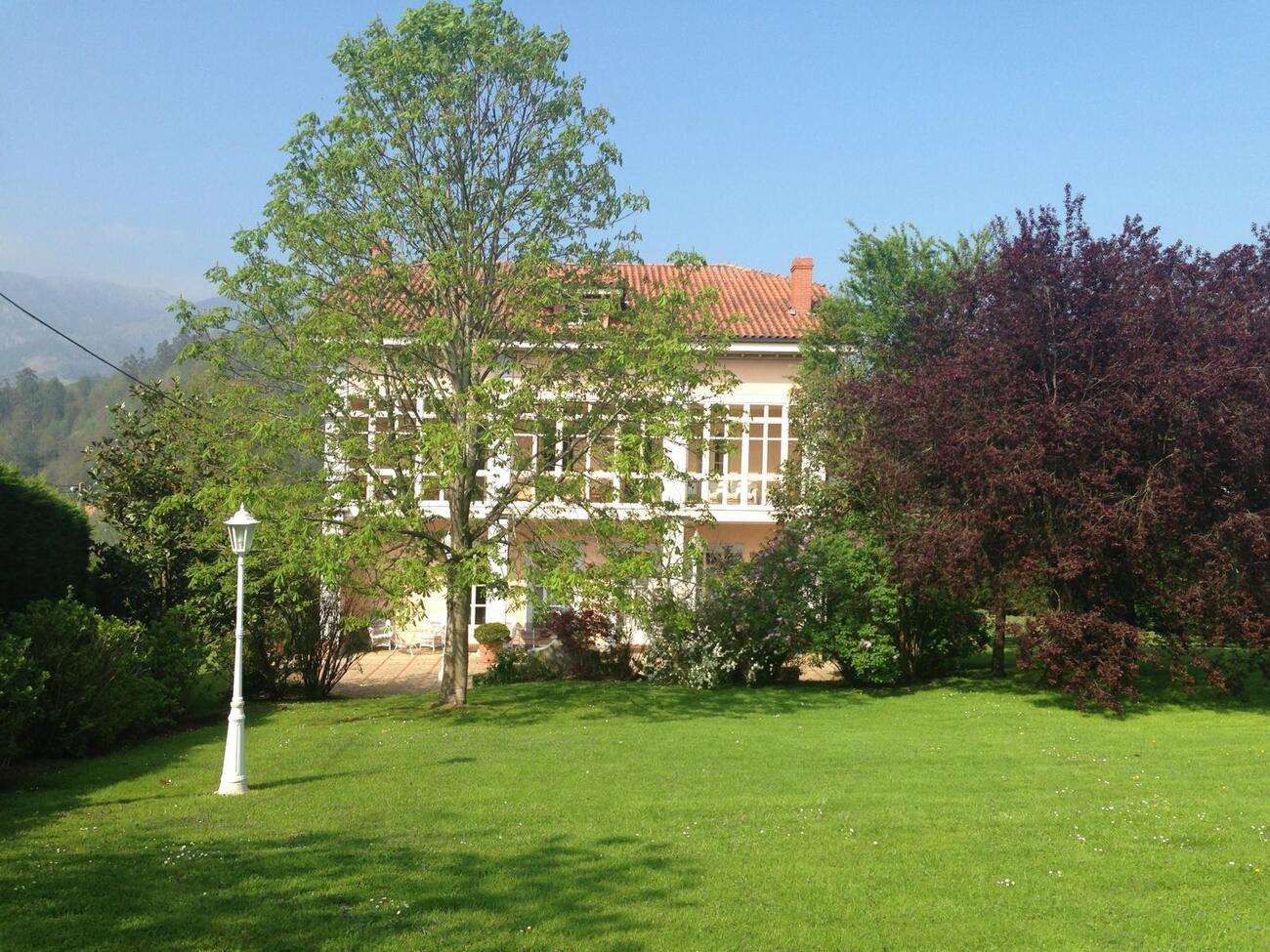
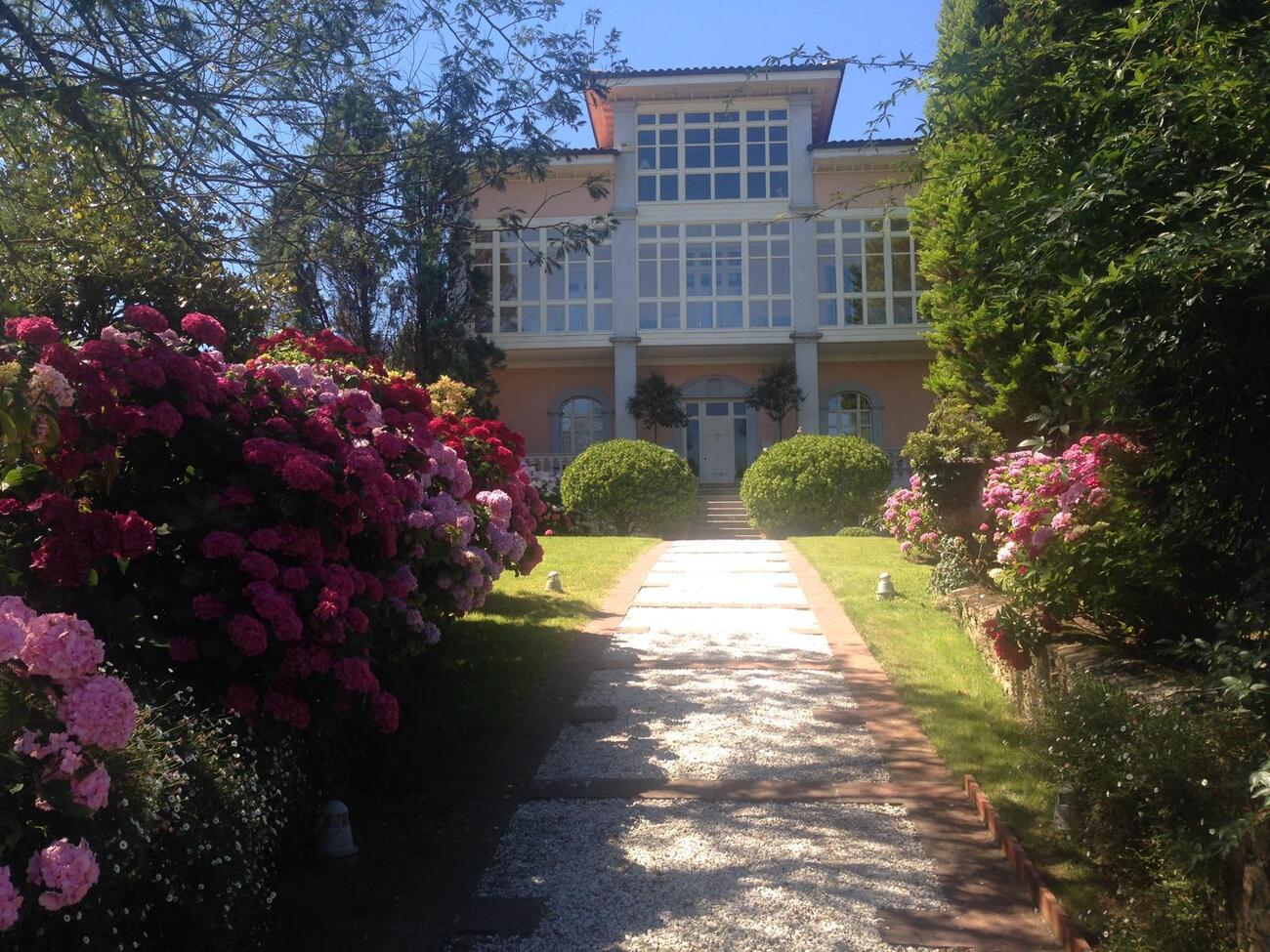
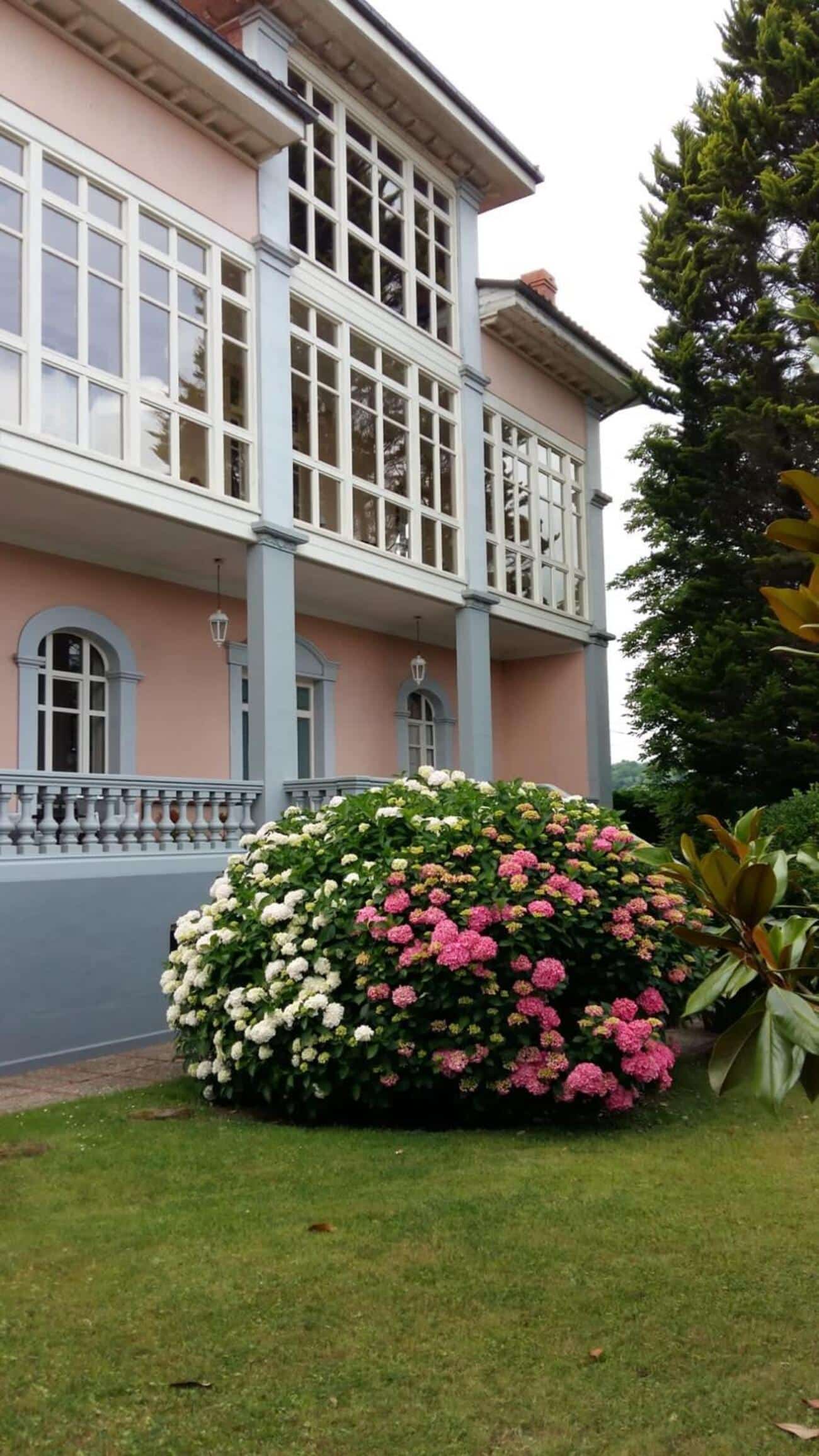
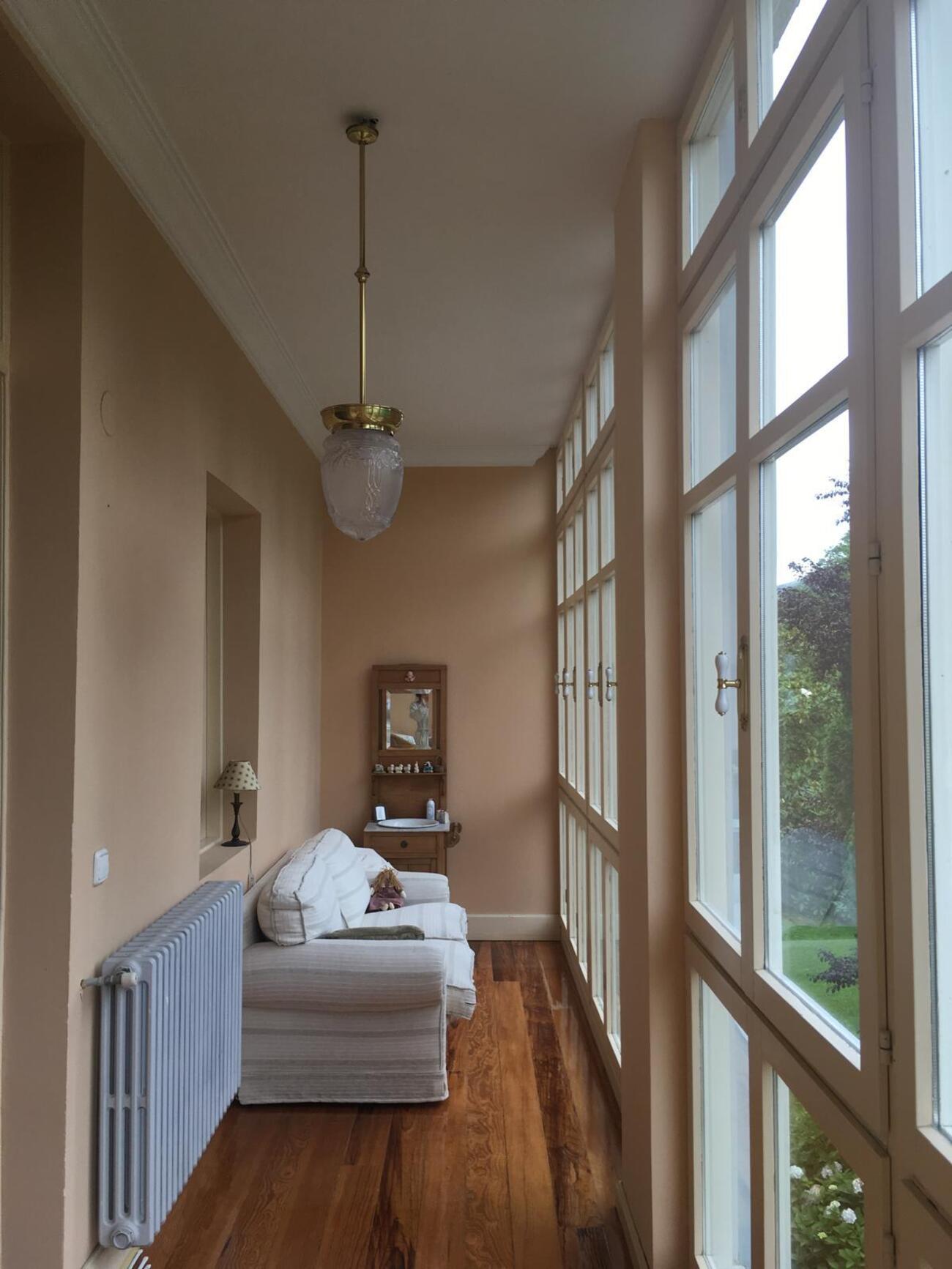
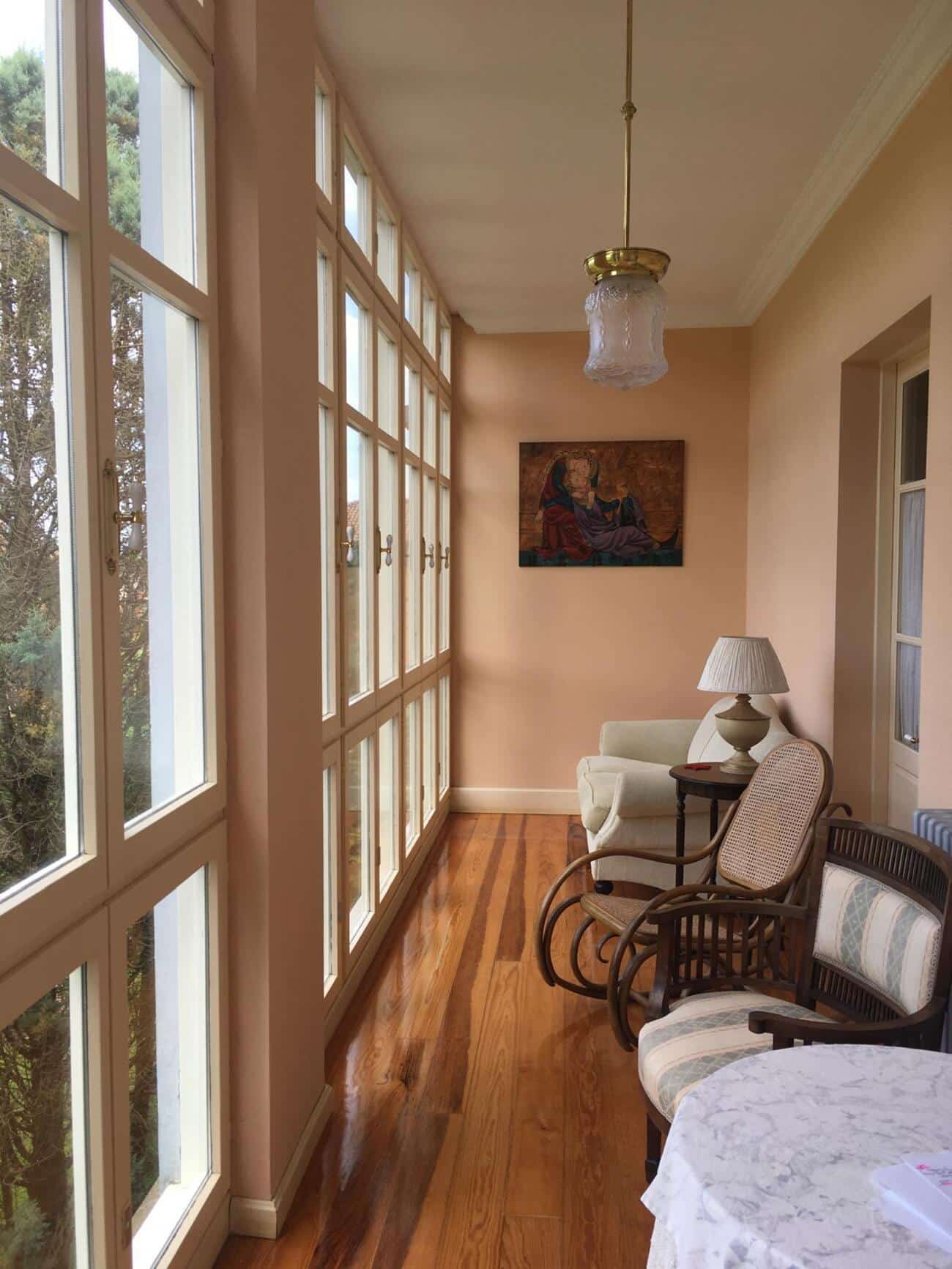
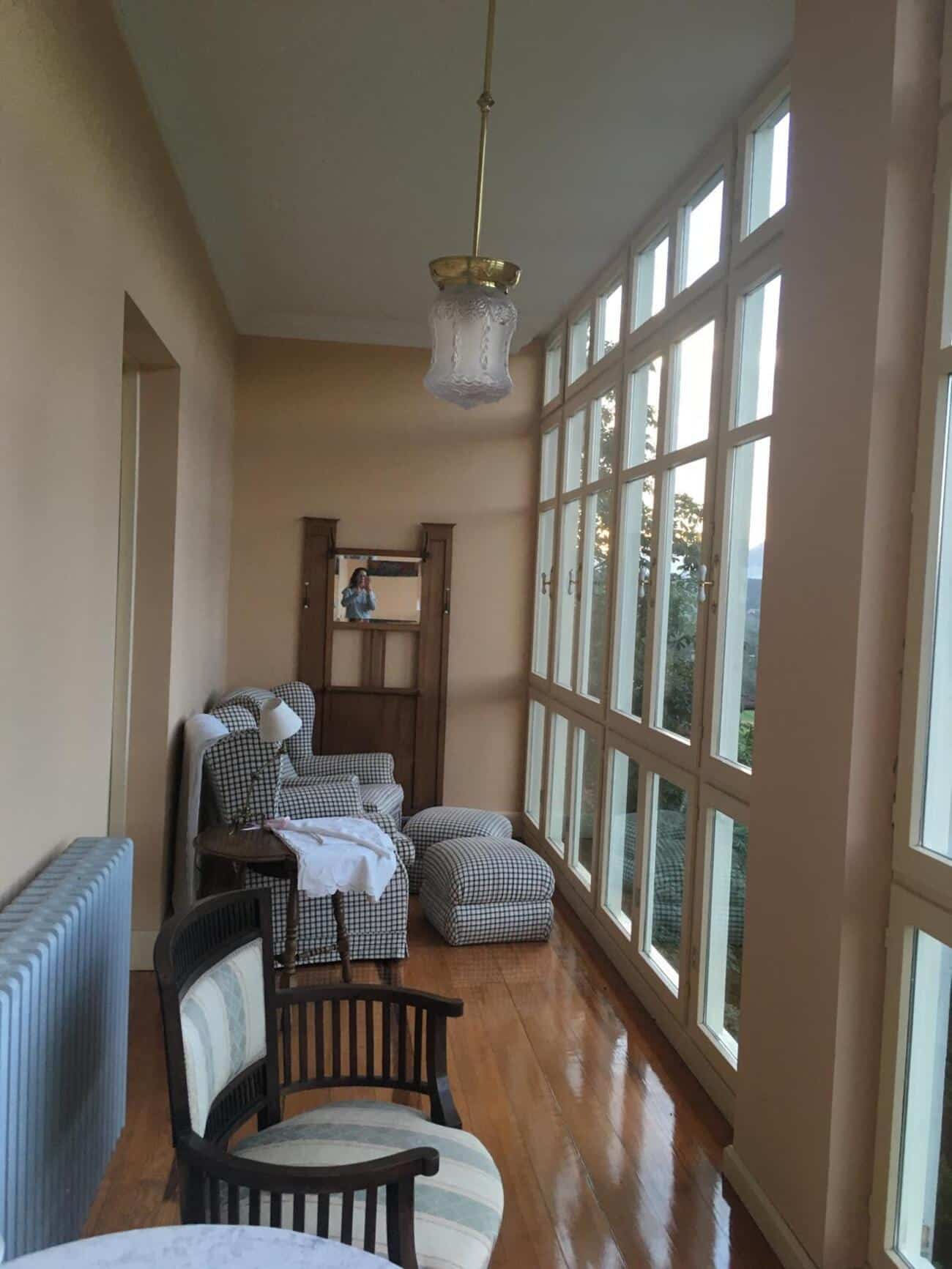
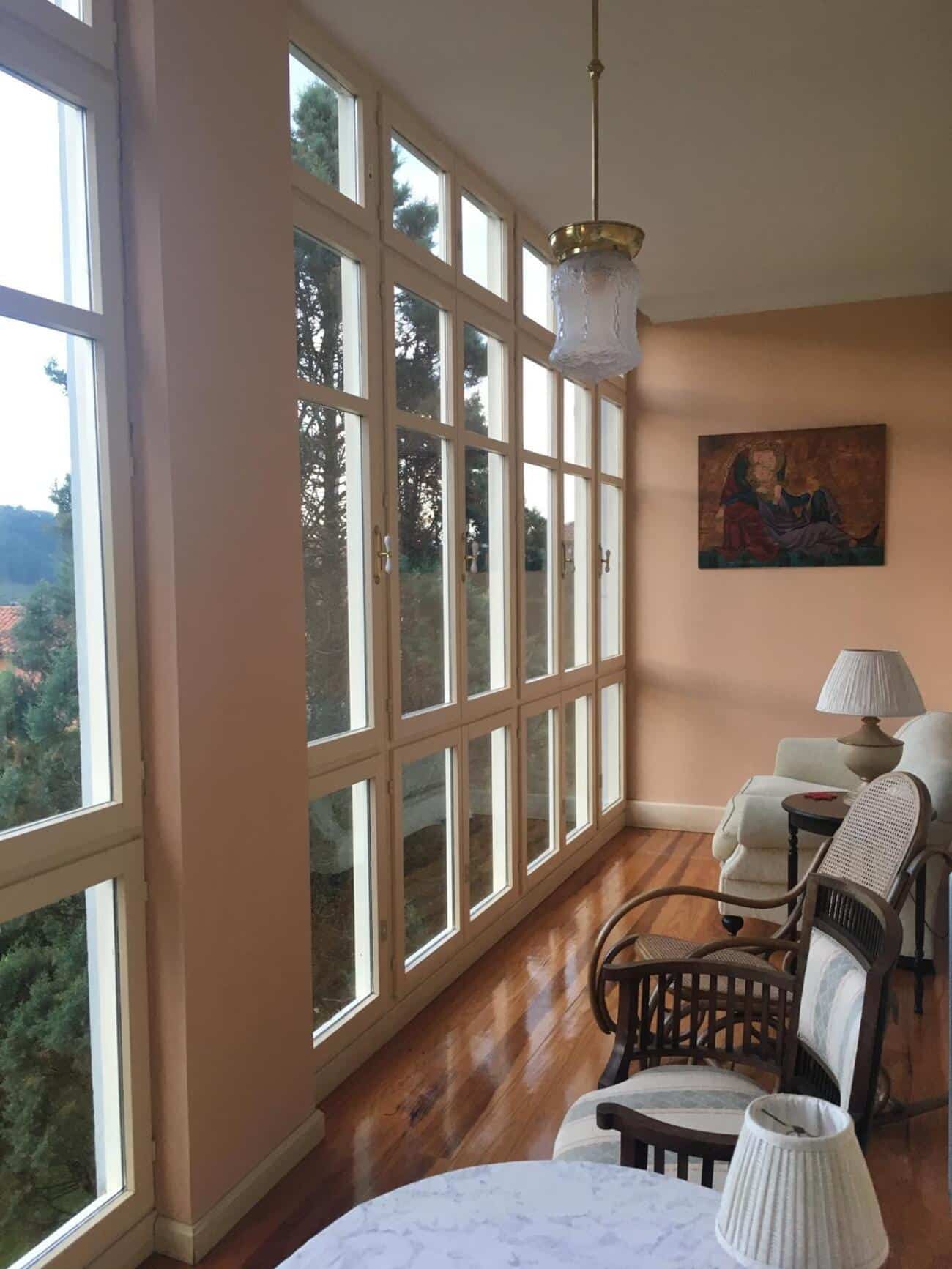
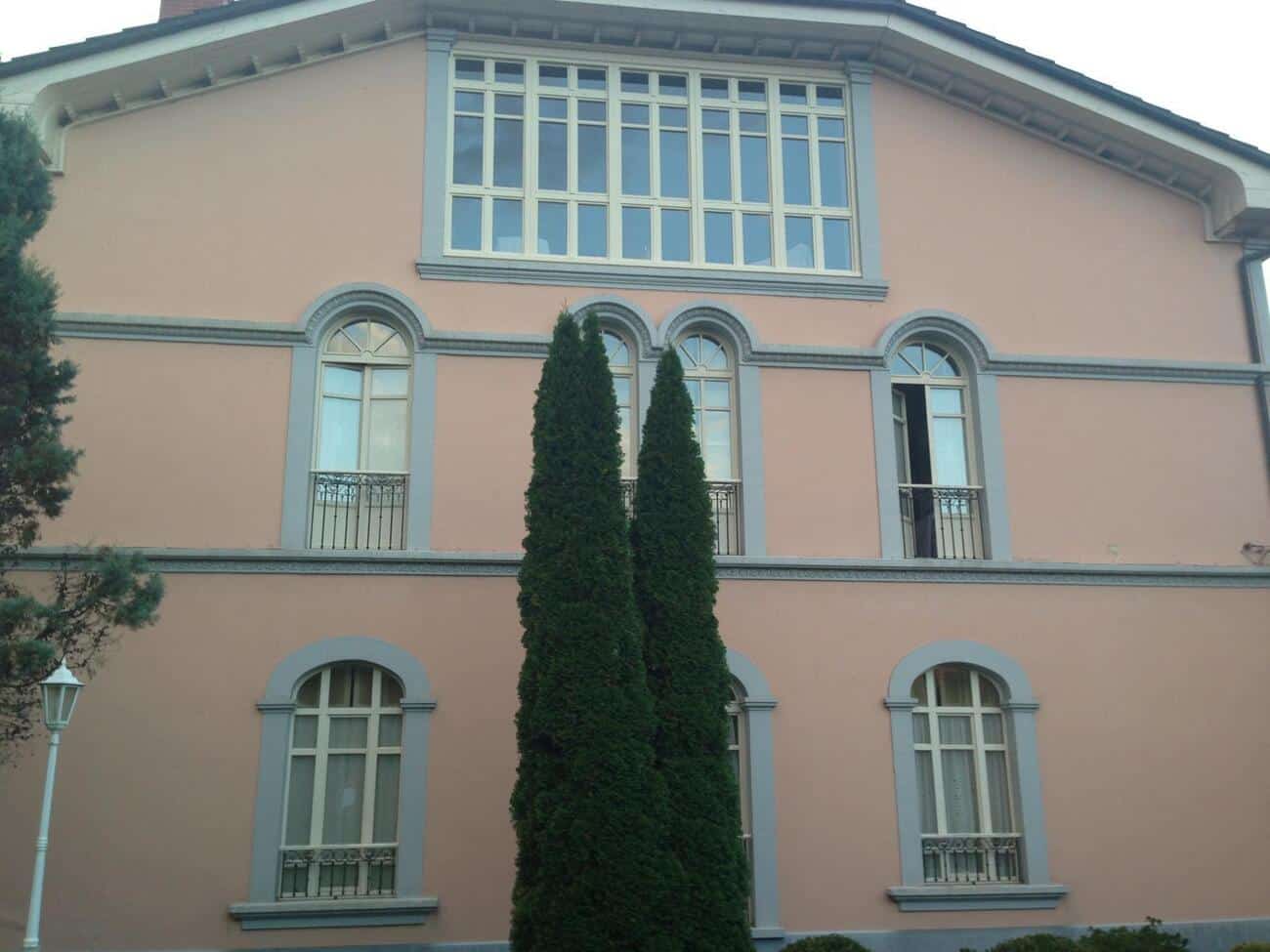
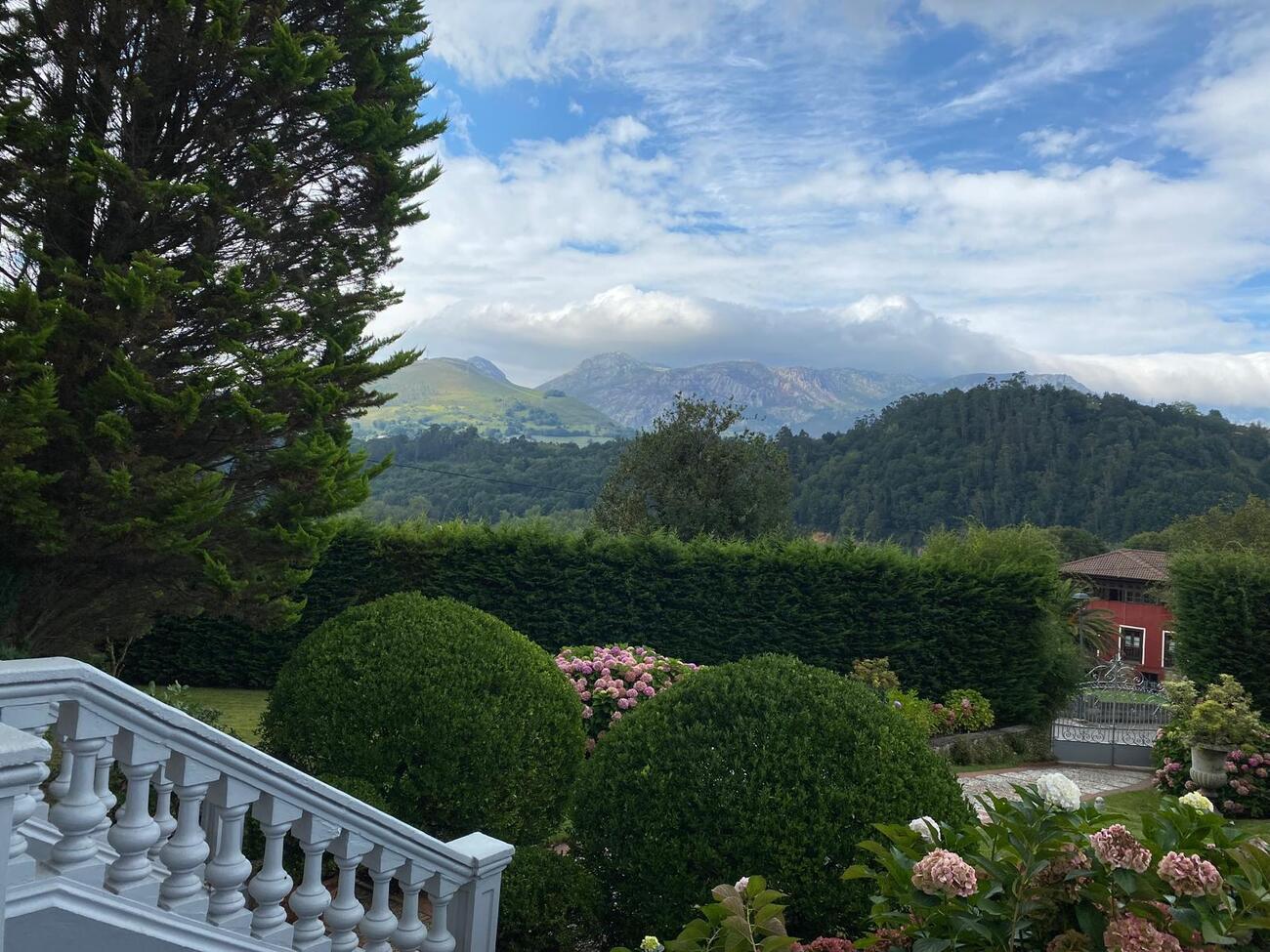
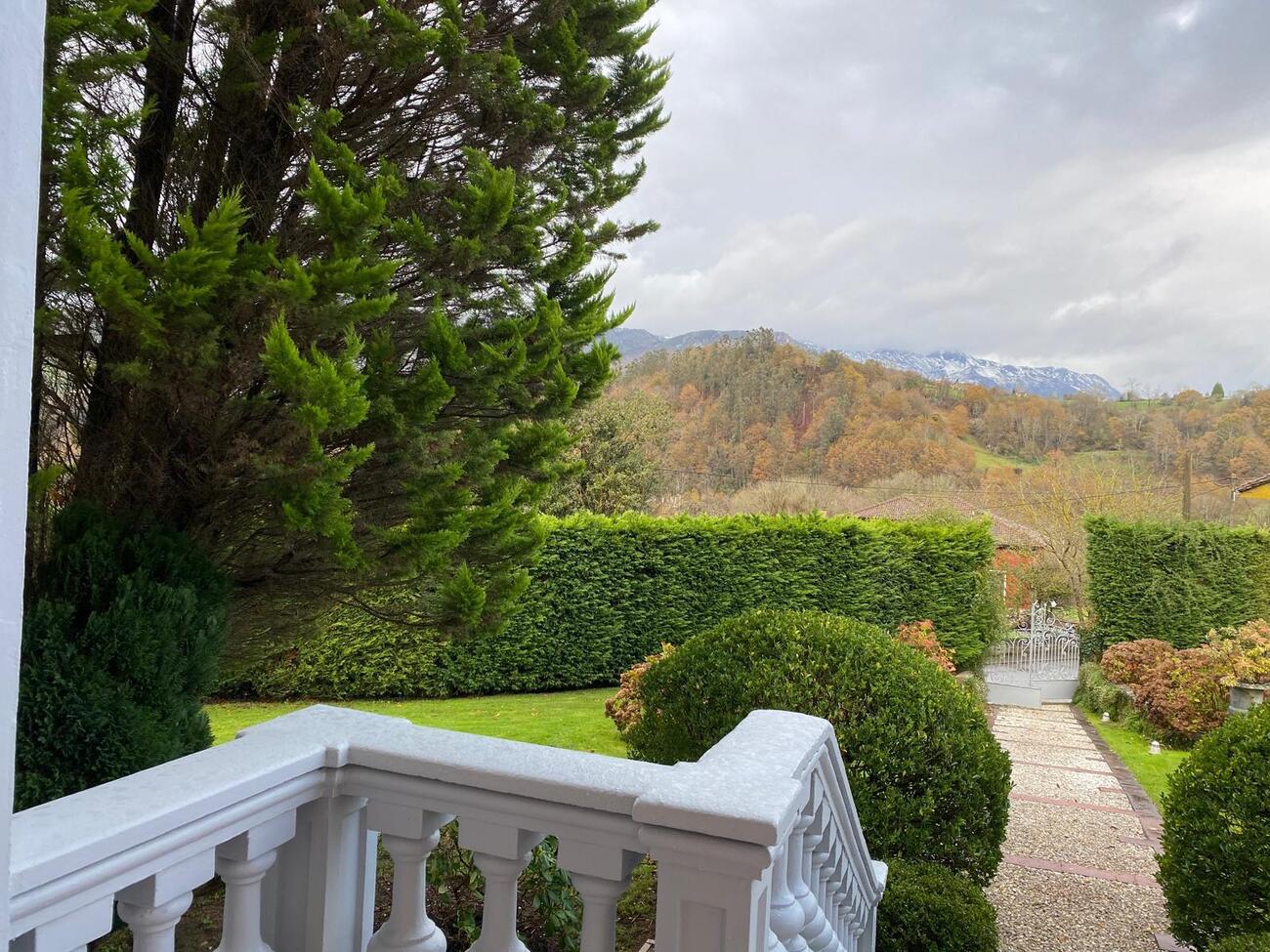
Surrounded by a mature, thoughtfully designed garden, the house presents a serene exterior presence, with light-filled façades, large windows, and a main entrance defined by a natural stone staircase that underscores its stately character.
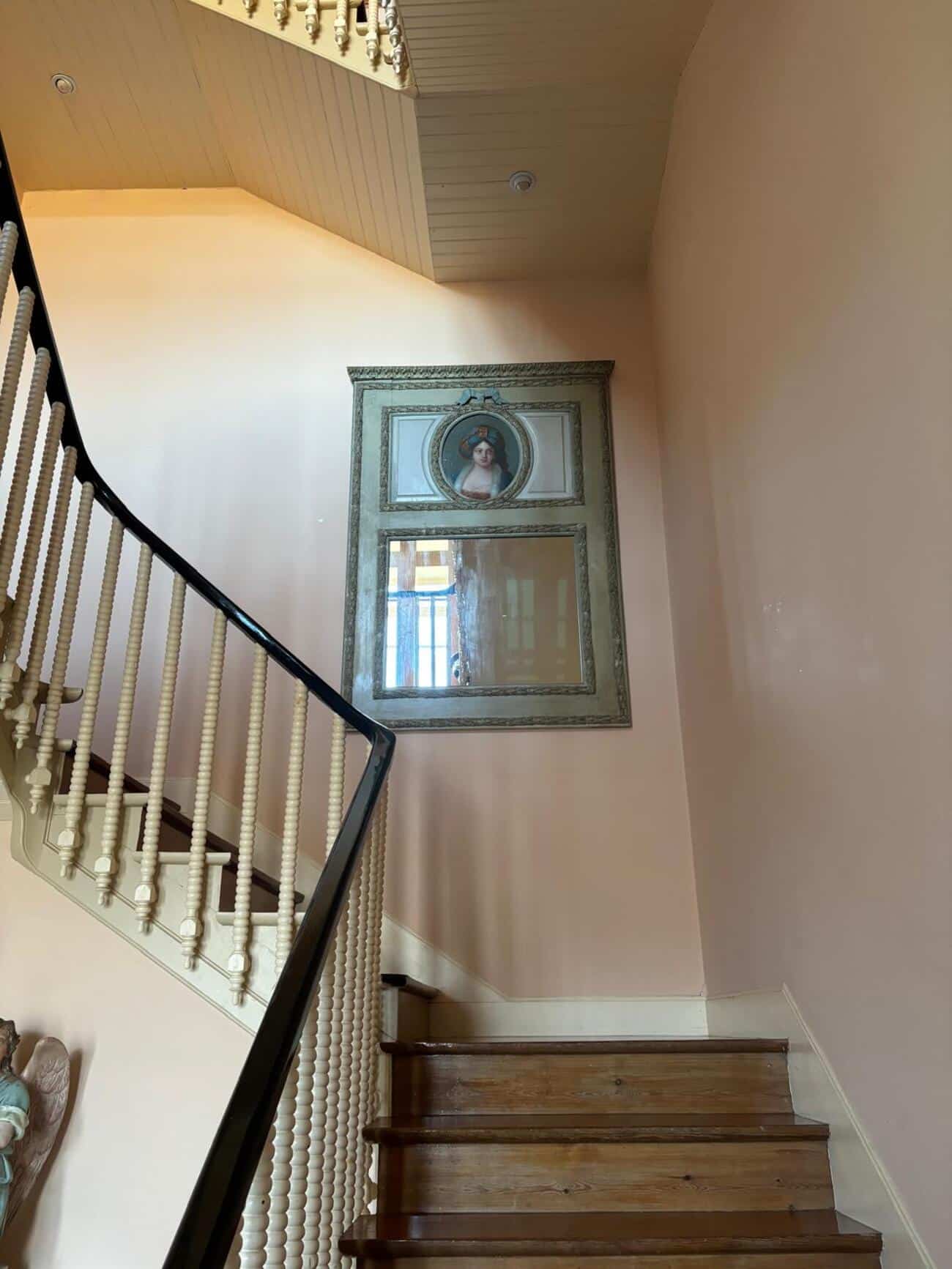
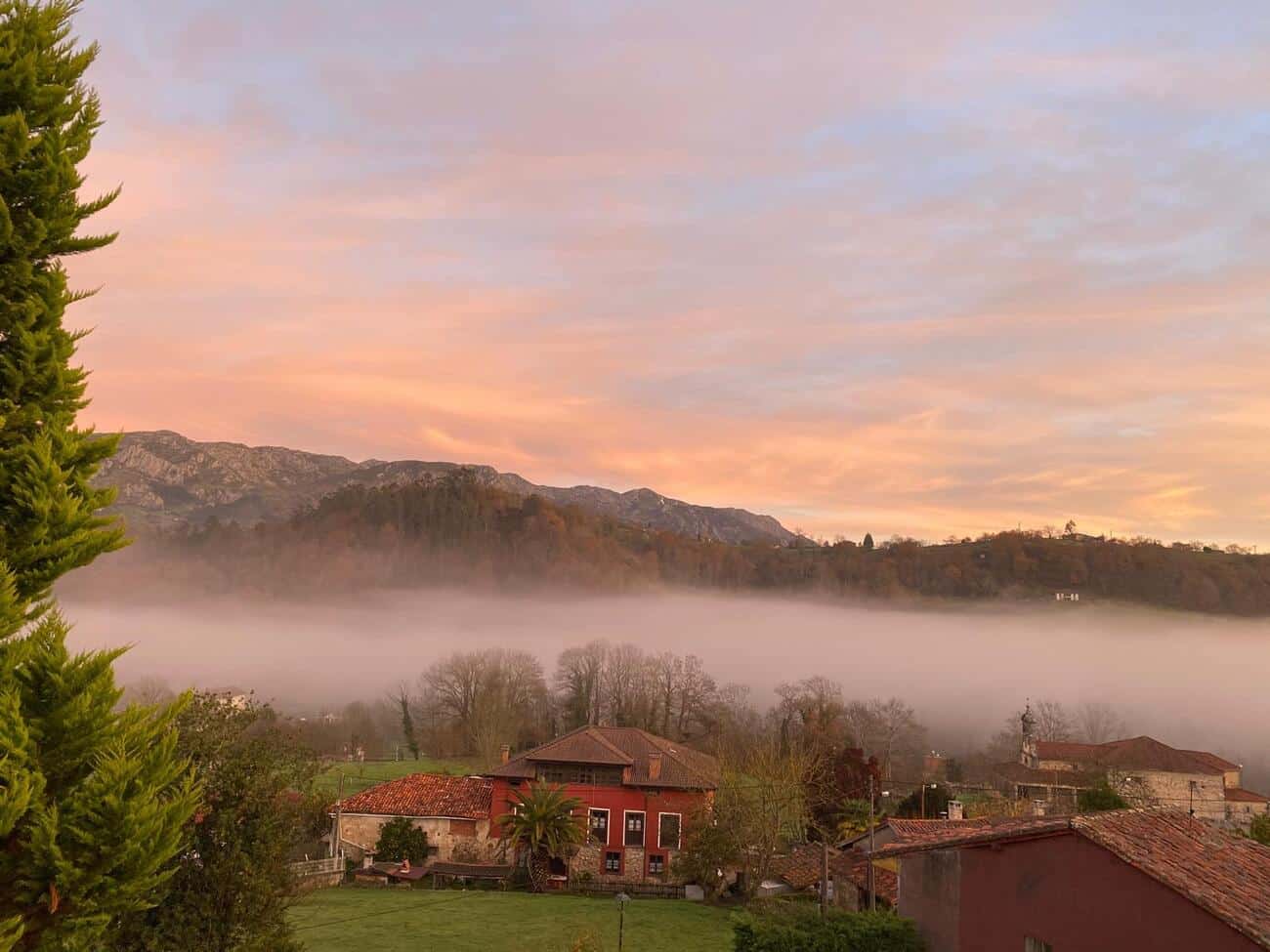
Located in the municipality of Piloña, the property combines privacy, generous space, and a direct connection with nature, while maintaining excellent accessibility. The restoration has respectfully preserved the original proportions and noble materials, adapting the home to a contemporary, comfortable, and unhurried way of living, where spaces flow naturally from one to the next.
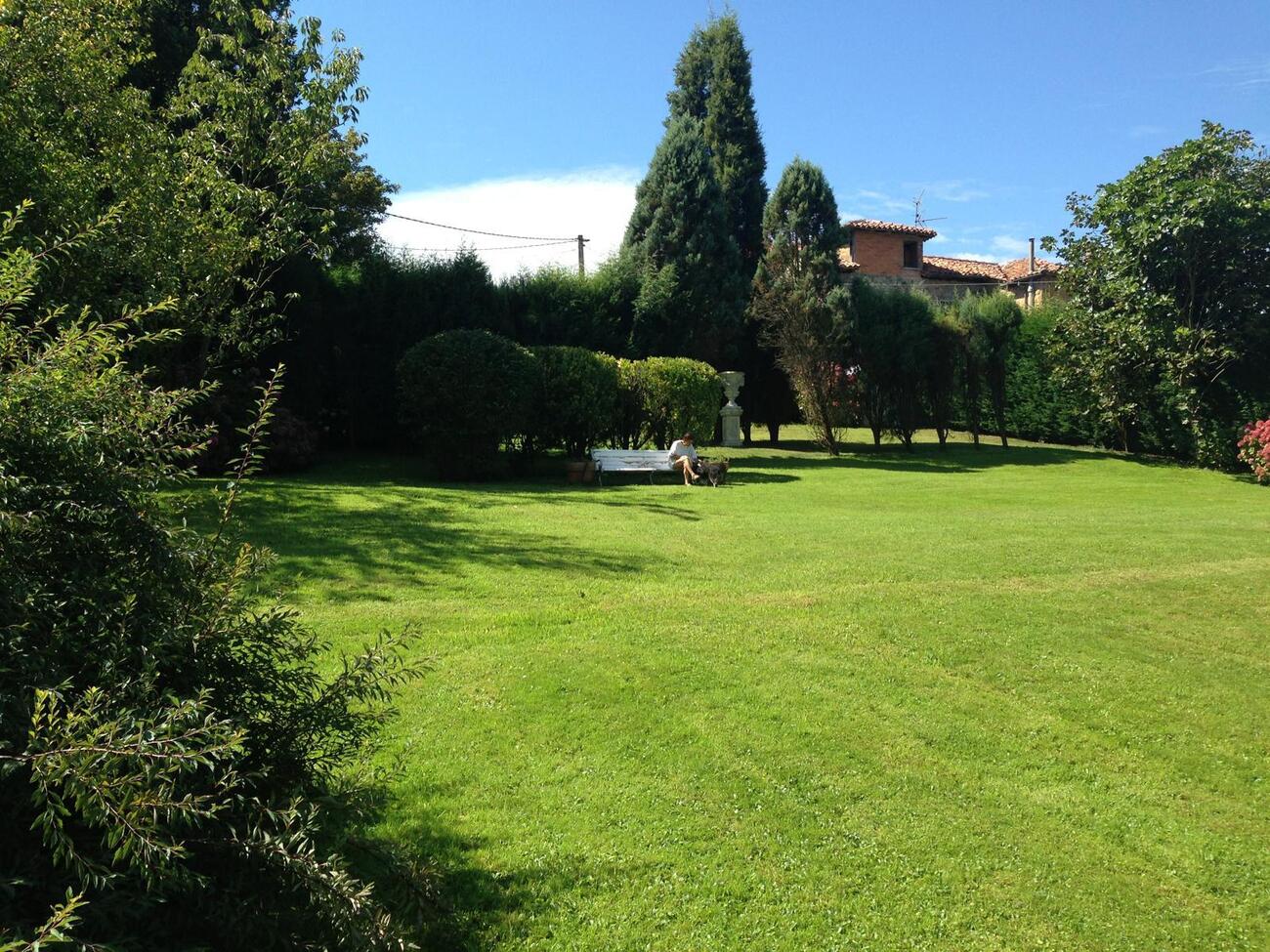
With approximately 800 sqm of built area distributed across four floors, set on a landscaped 3,500 sqm plot, the house retains its essence intact. A place where garden, light, and memory engage in quiet dialogue, offering an elegant, serene, and profoundly timeless way of living.
Layout:
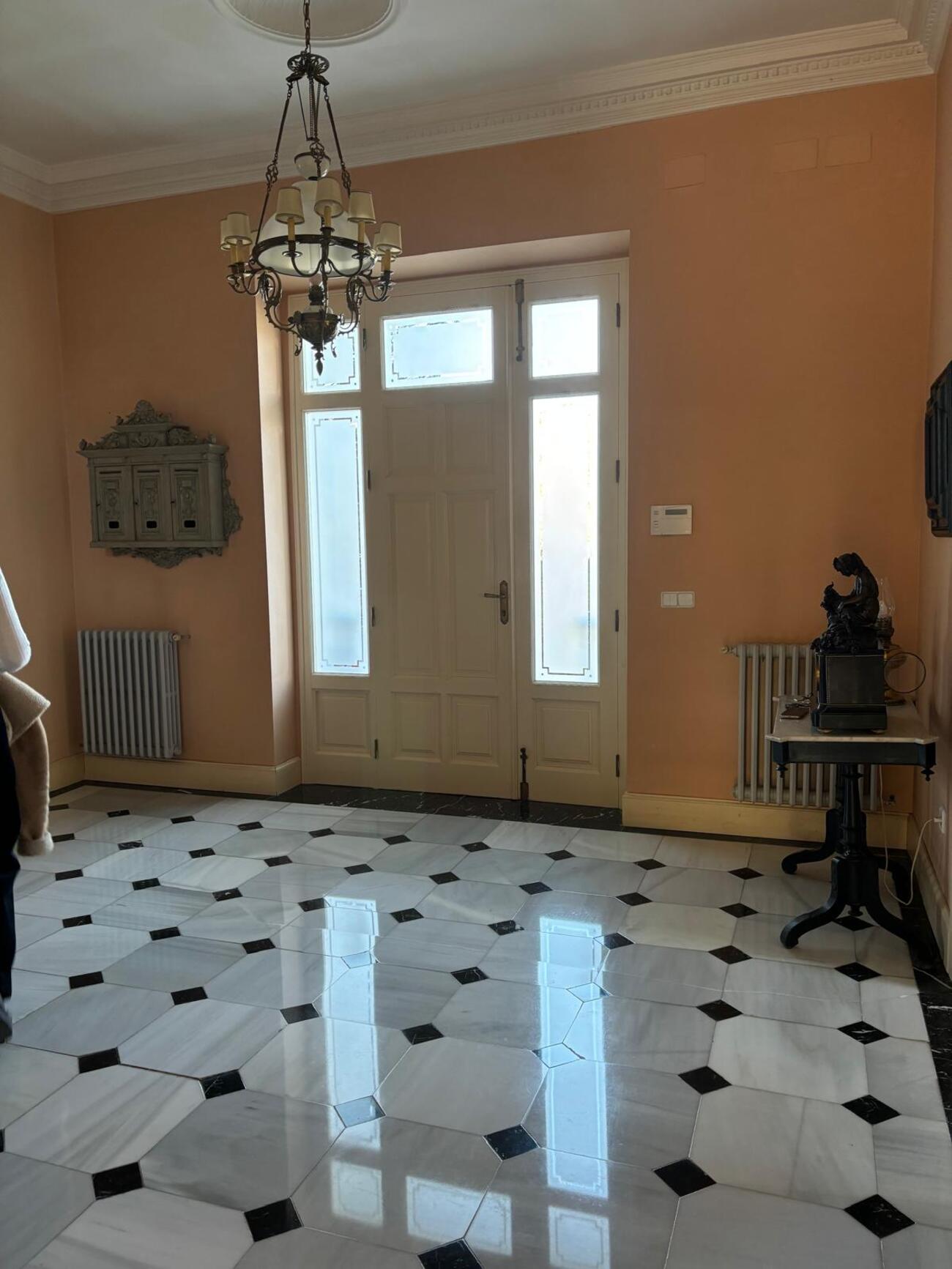
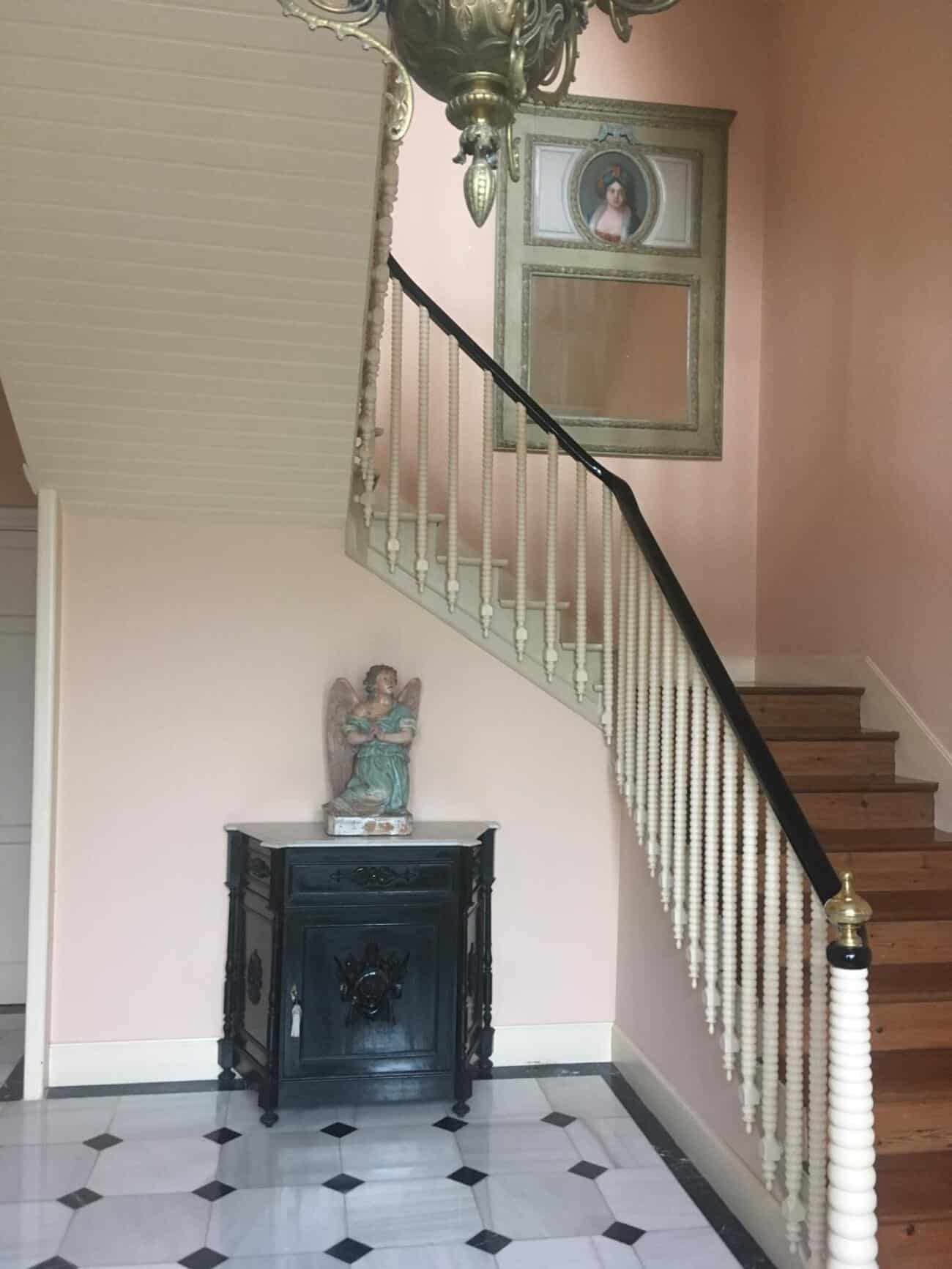
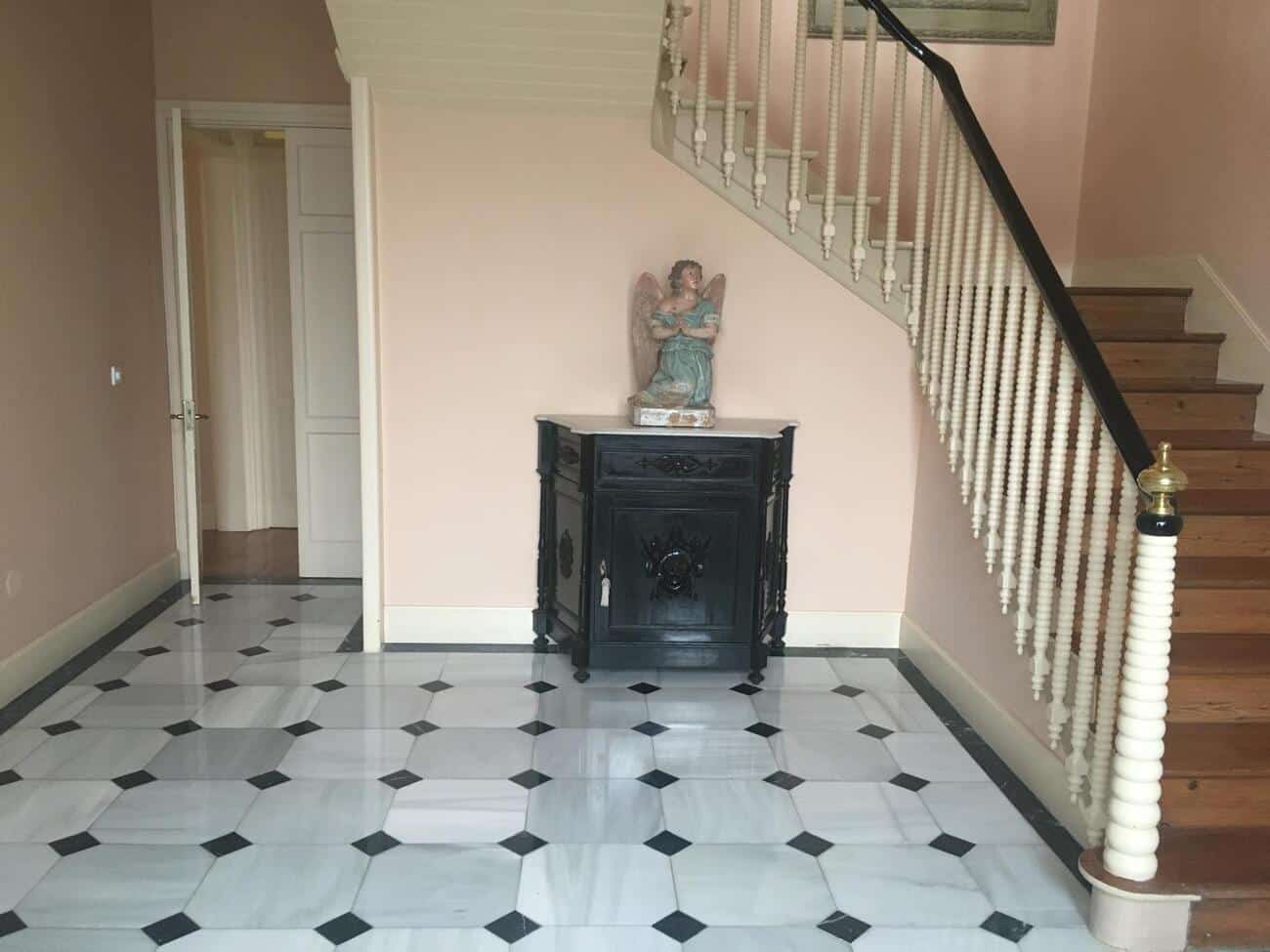
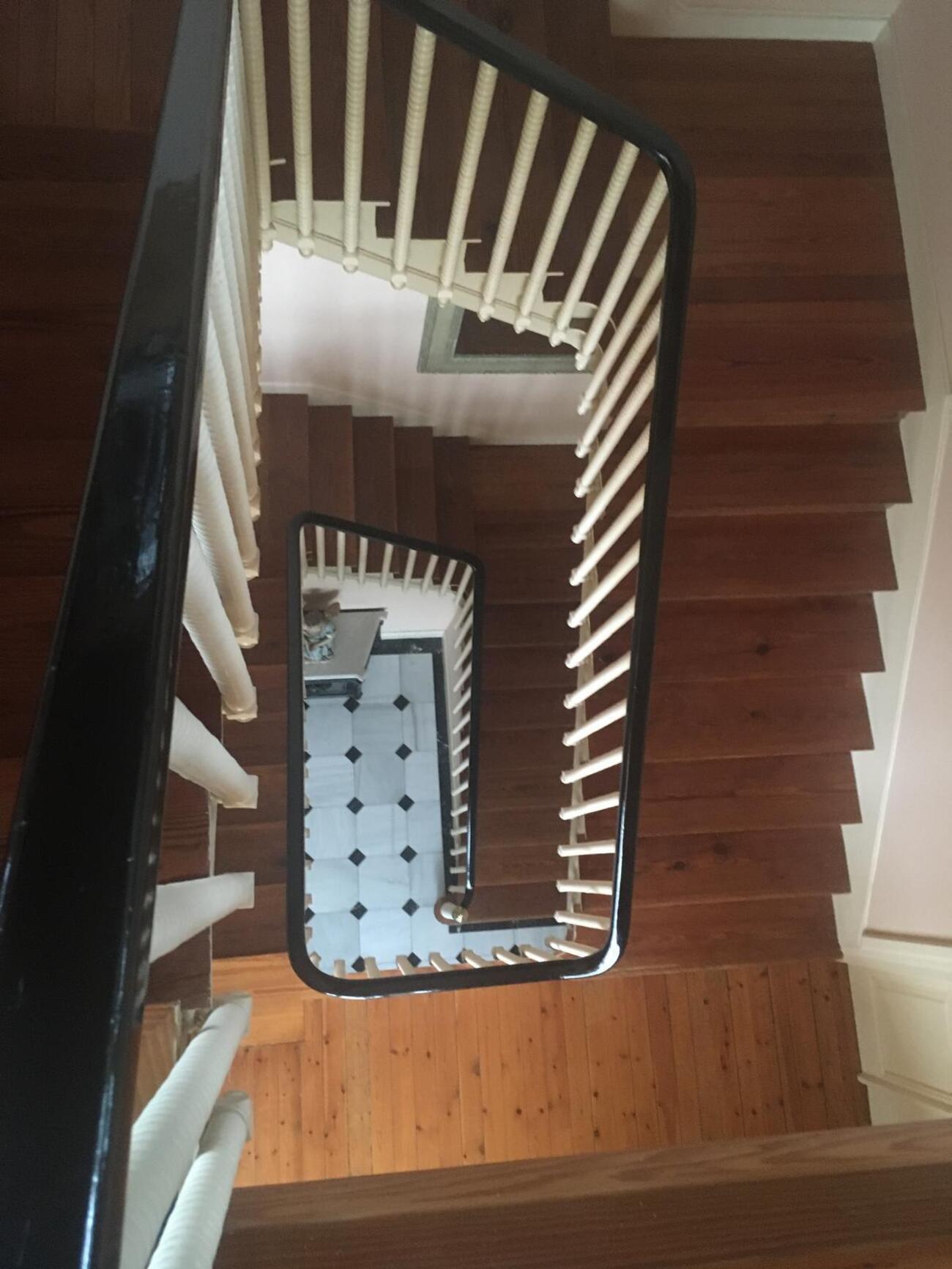
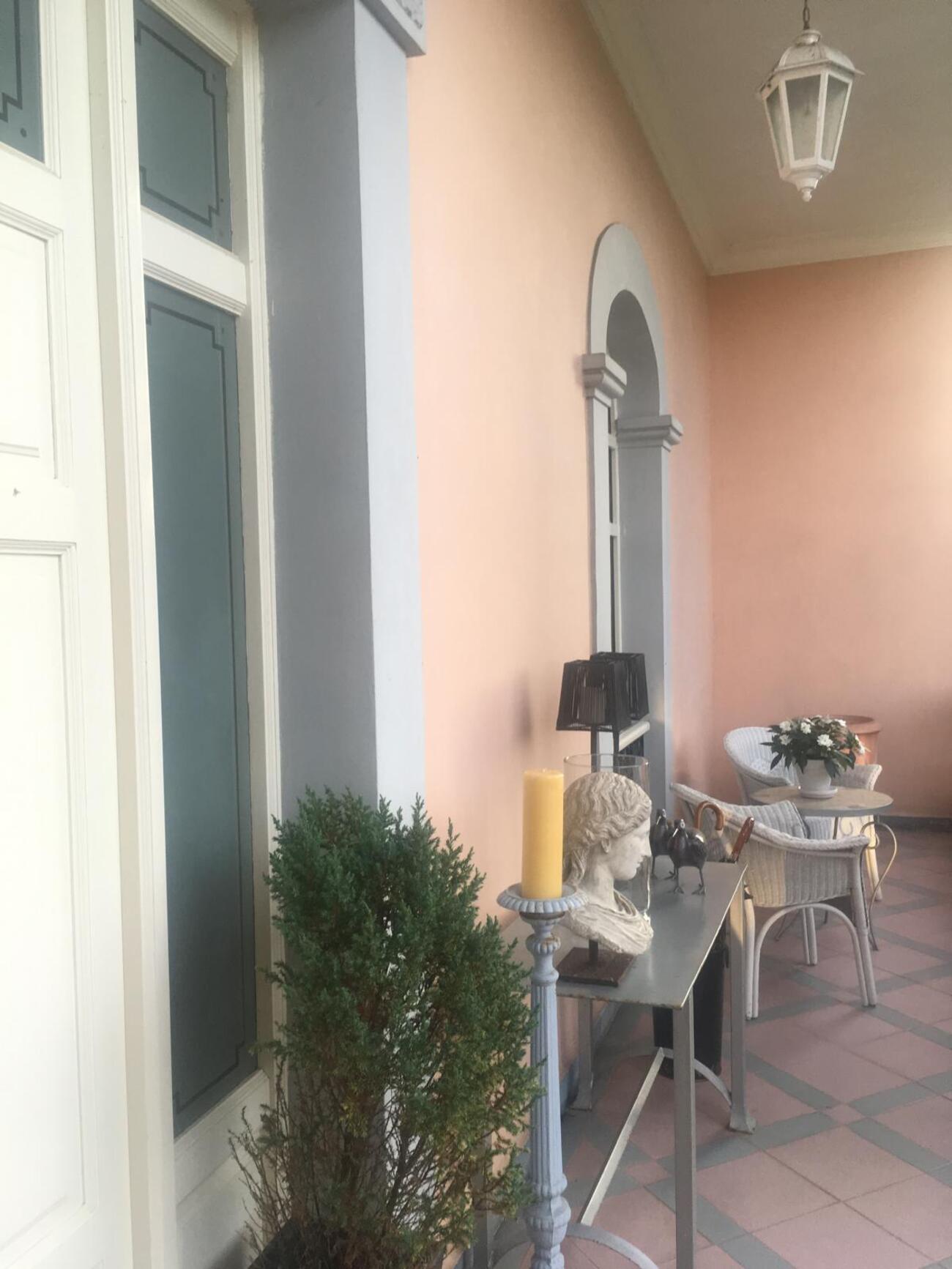
Access to the house is through a porch that immediately conveys a sense of calm and seclusion. From here, a spacious entrance hall naturally distributes the main rooms of the house, defining a fluid and well-proportioned flow.
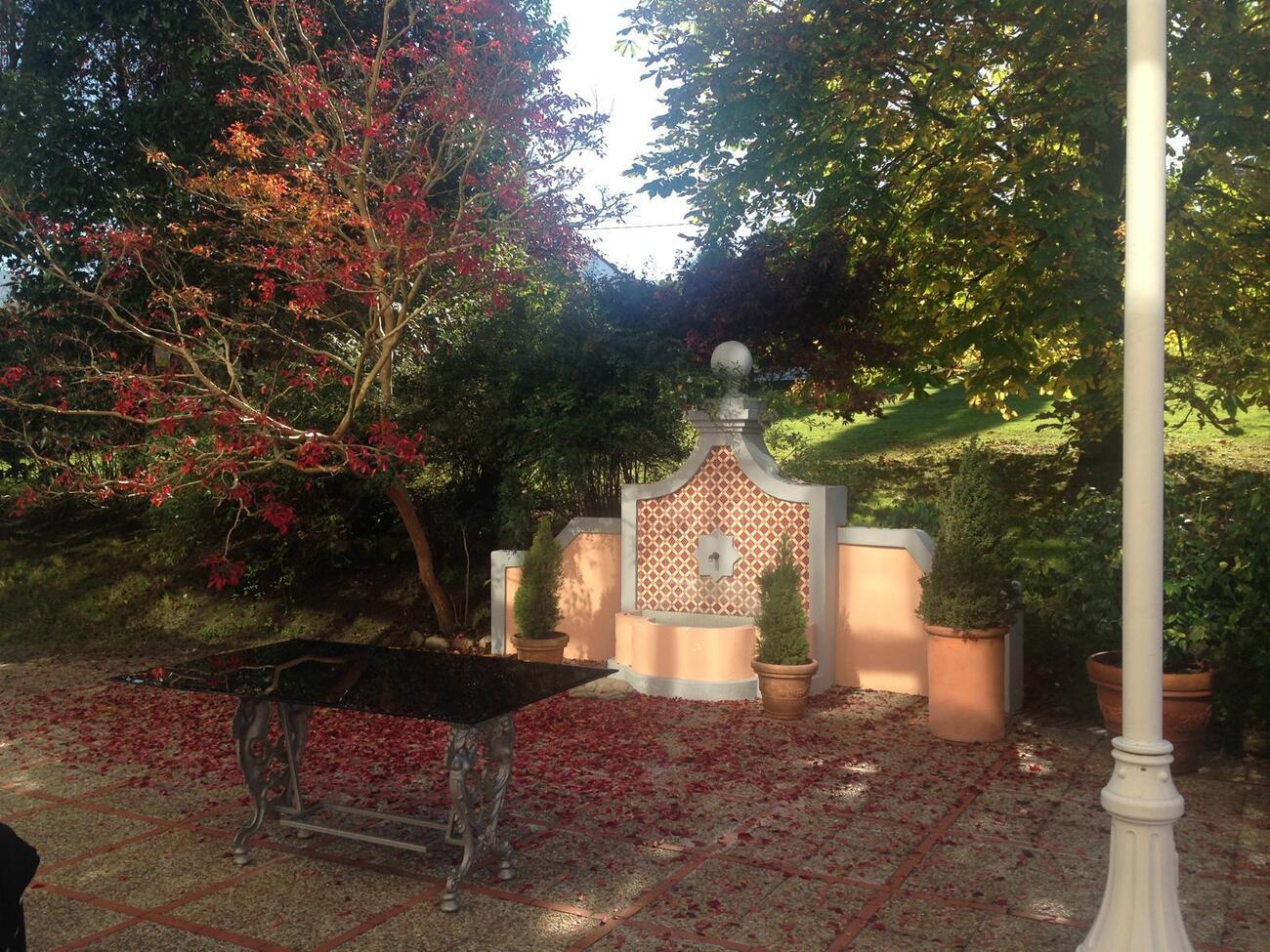
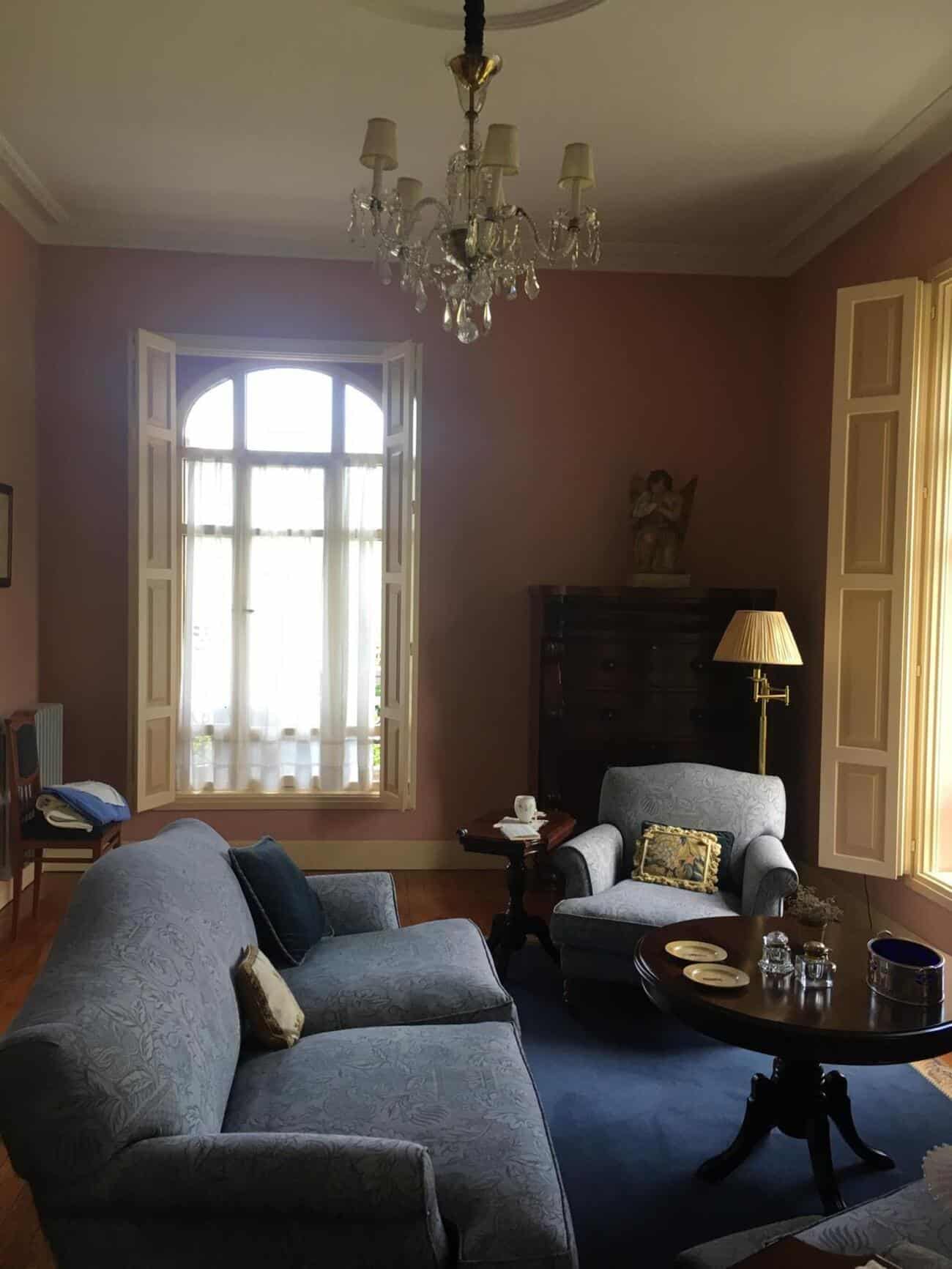
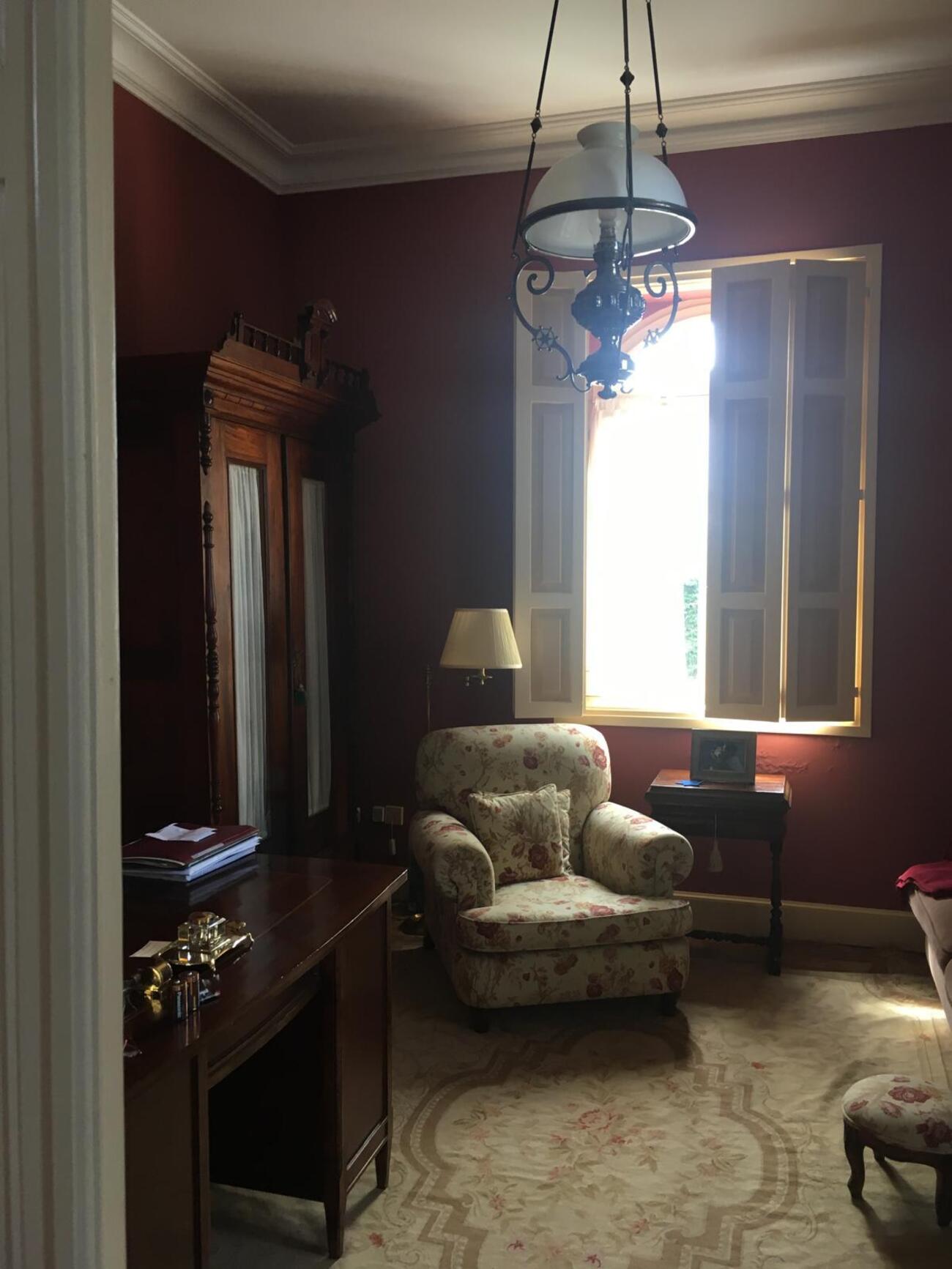
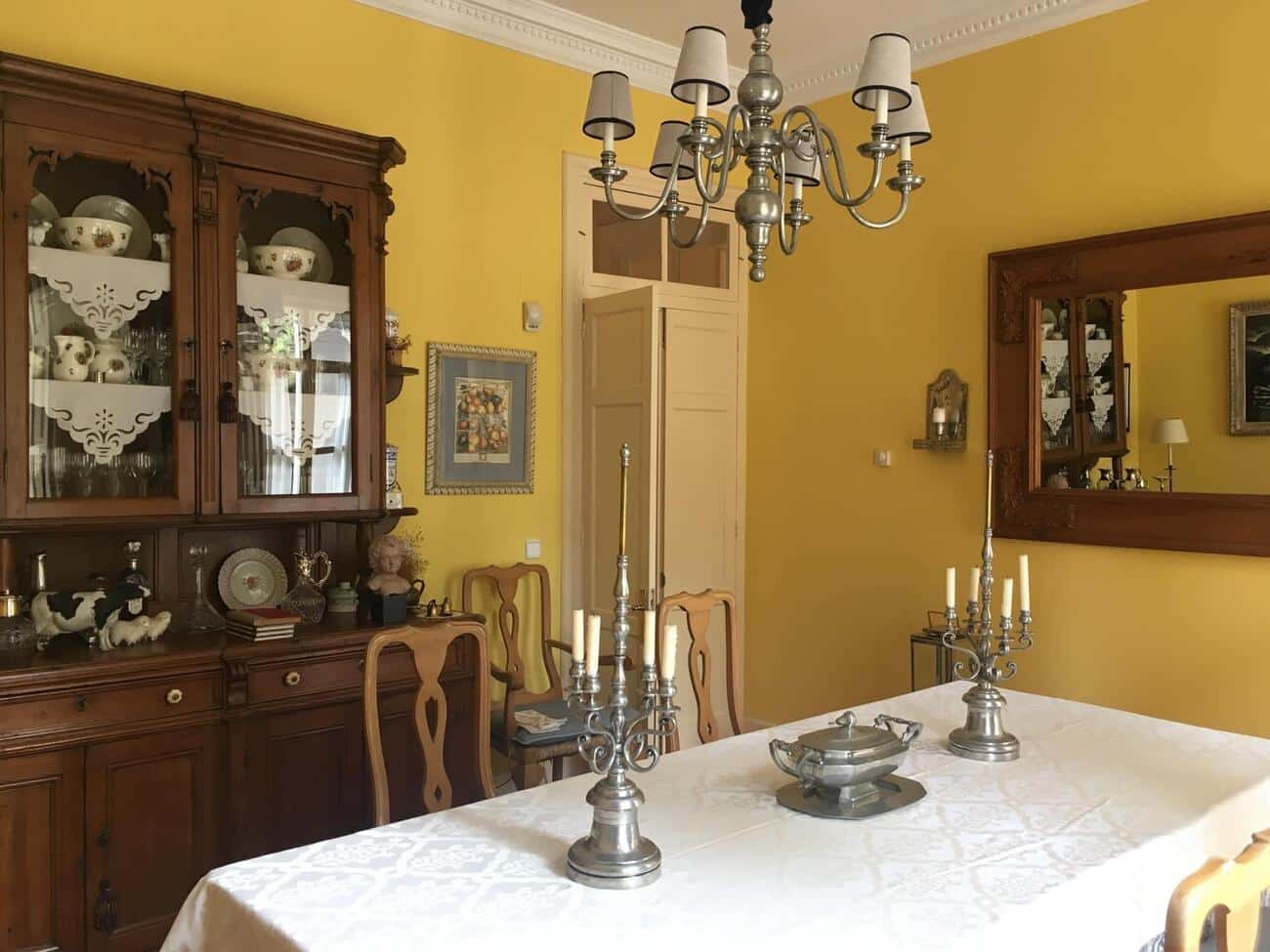
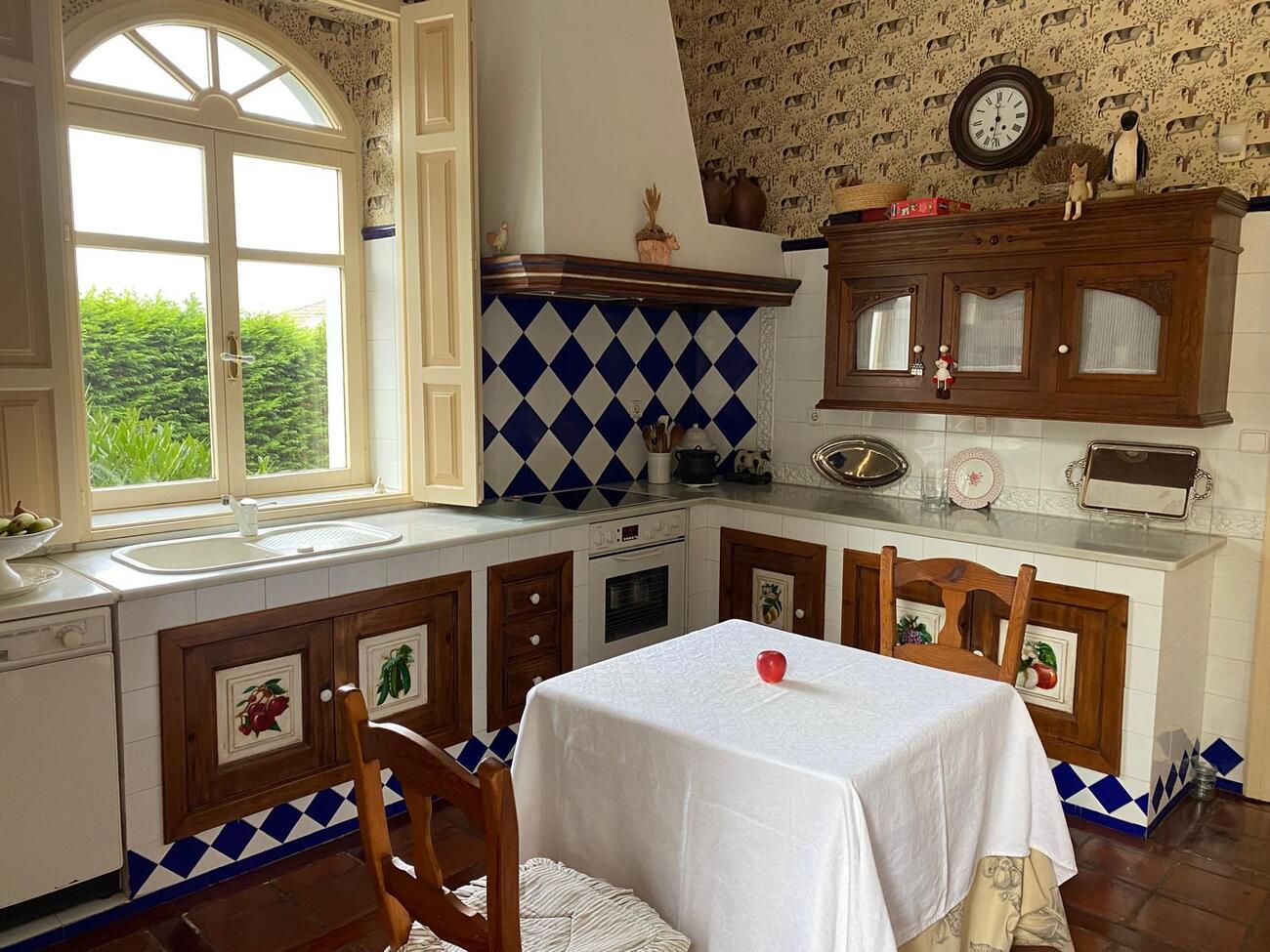
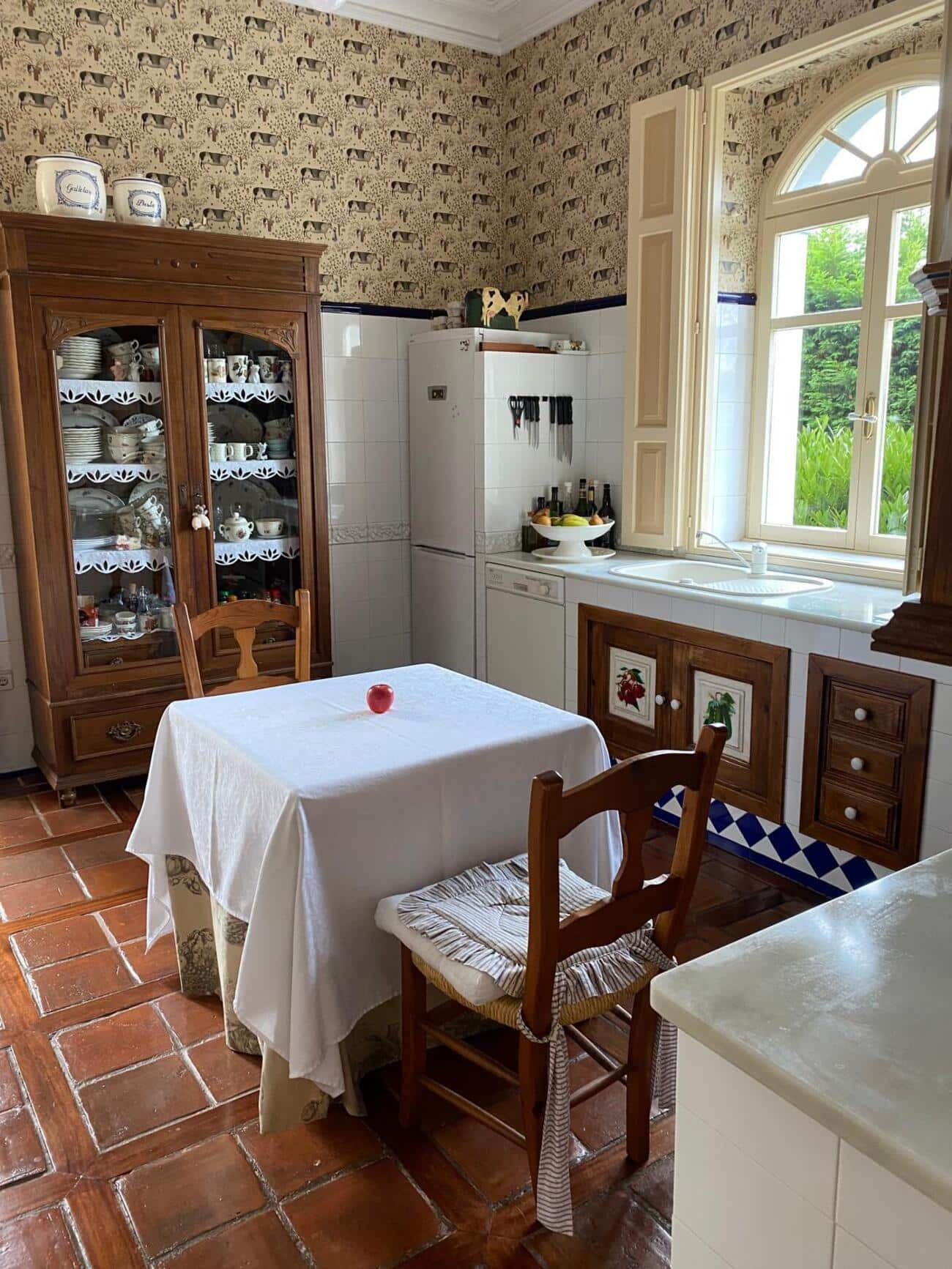
On the main floor, the spaces unfold in balanced succession: a study, a stately main living room, and a second sitting room conceived as a more intimate and flexible space. The fully equipped kitchen opens onto the dining area and connects directly to the garden and terrace, encouraging a constant relationship between indoor and outdoor living—ideal both for everyday life and for entertaining.
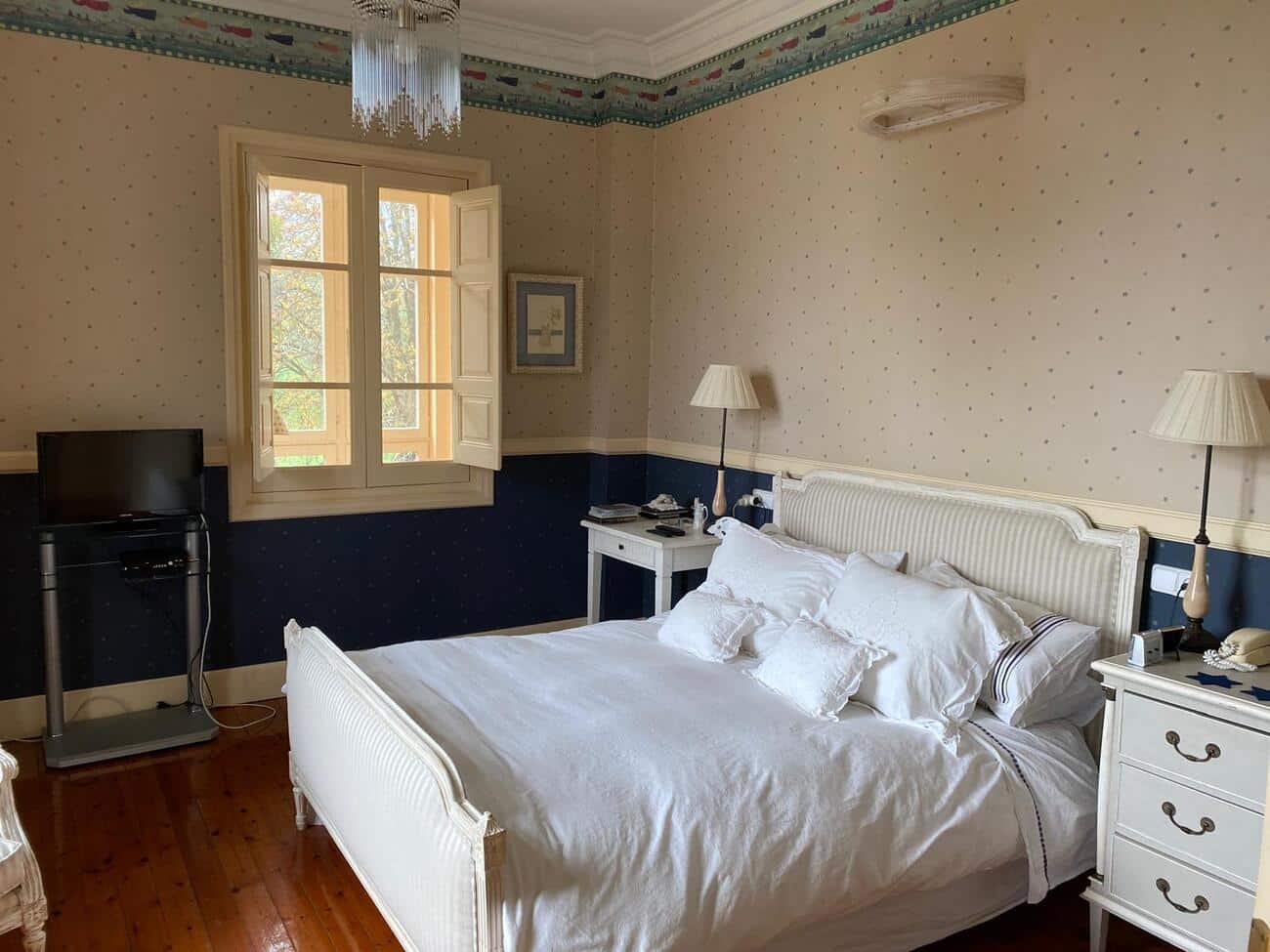
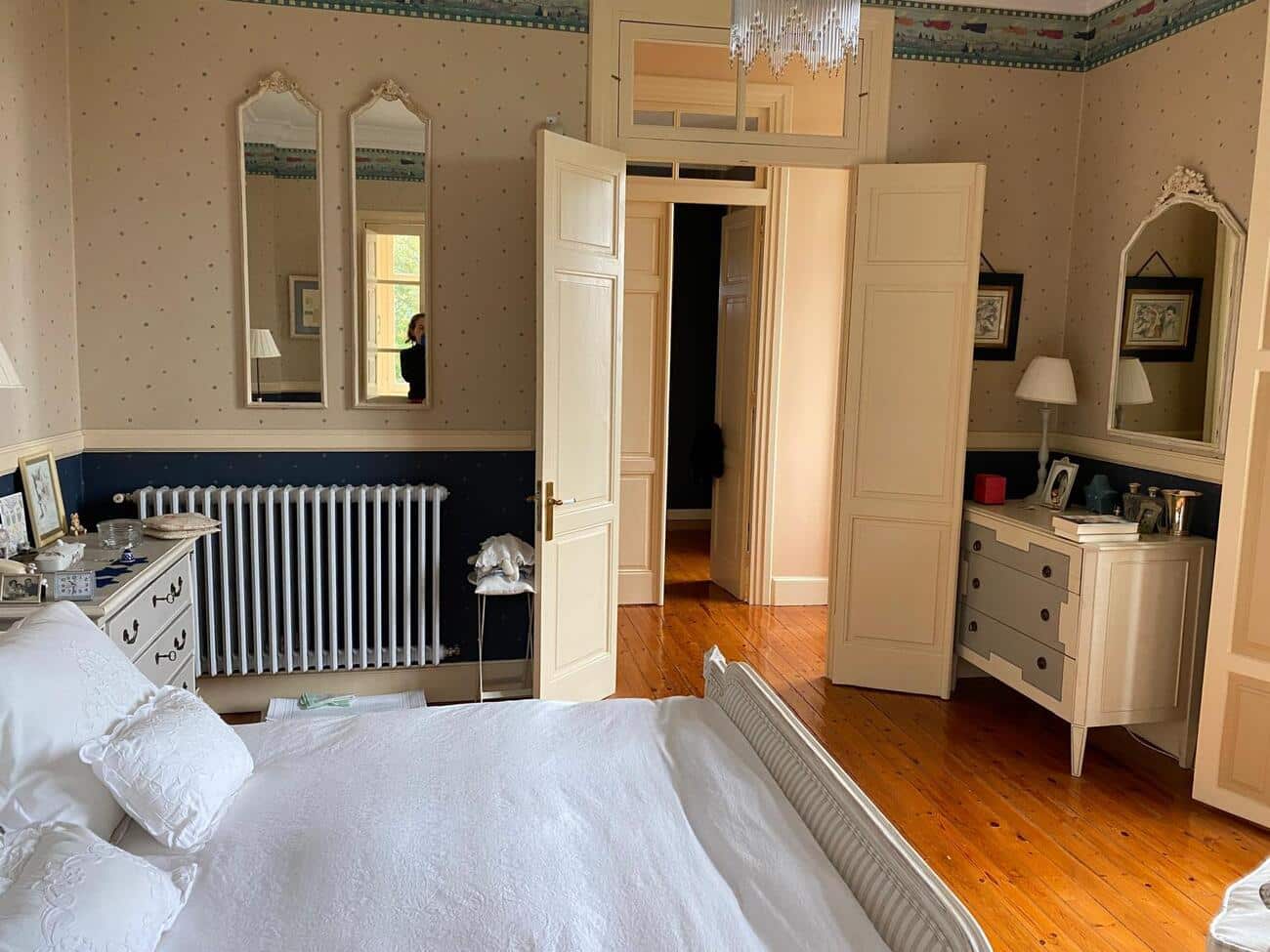
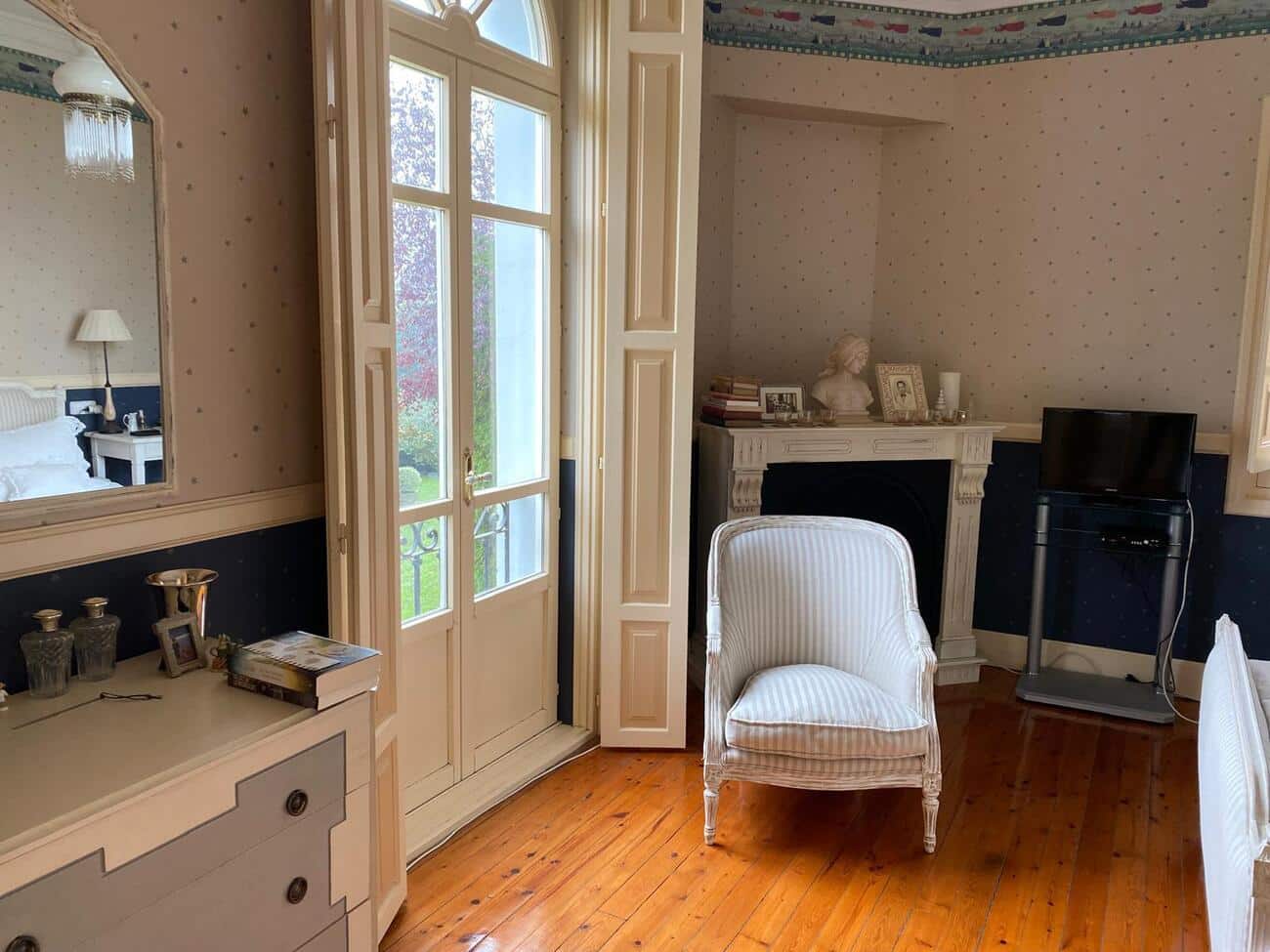
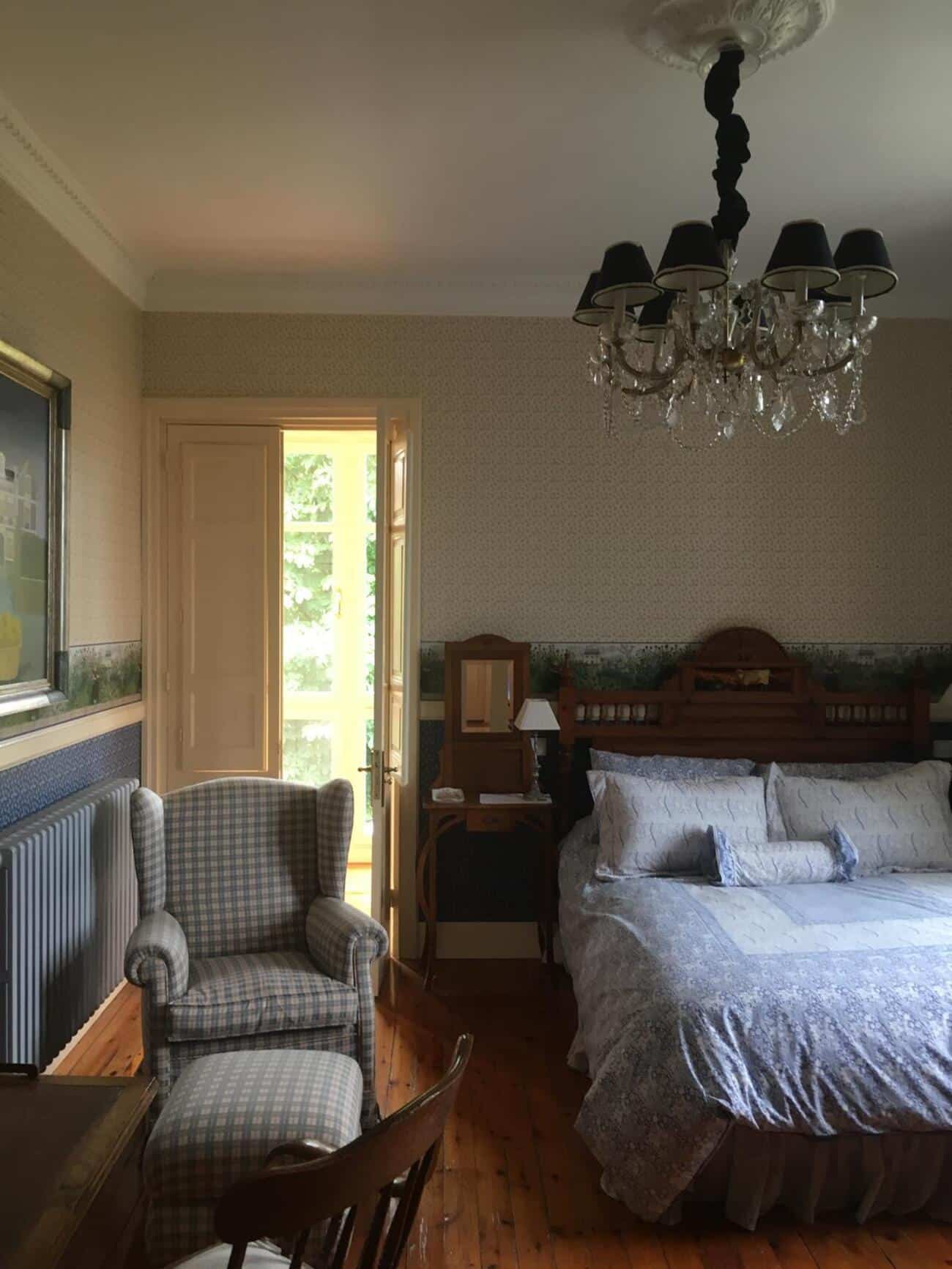
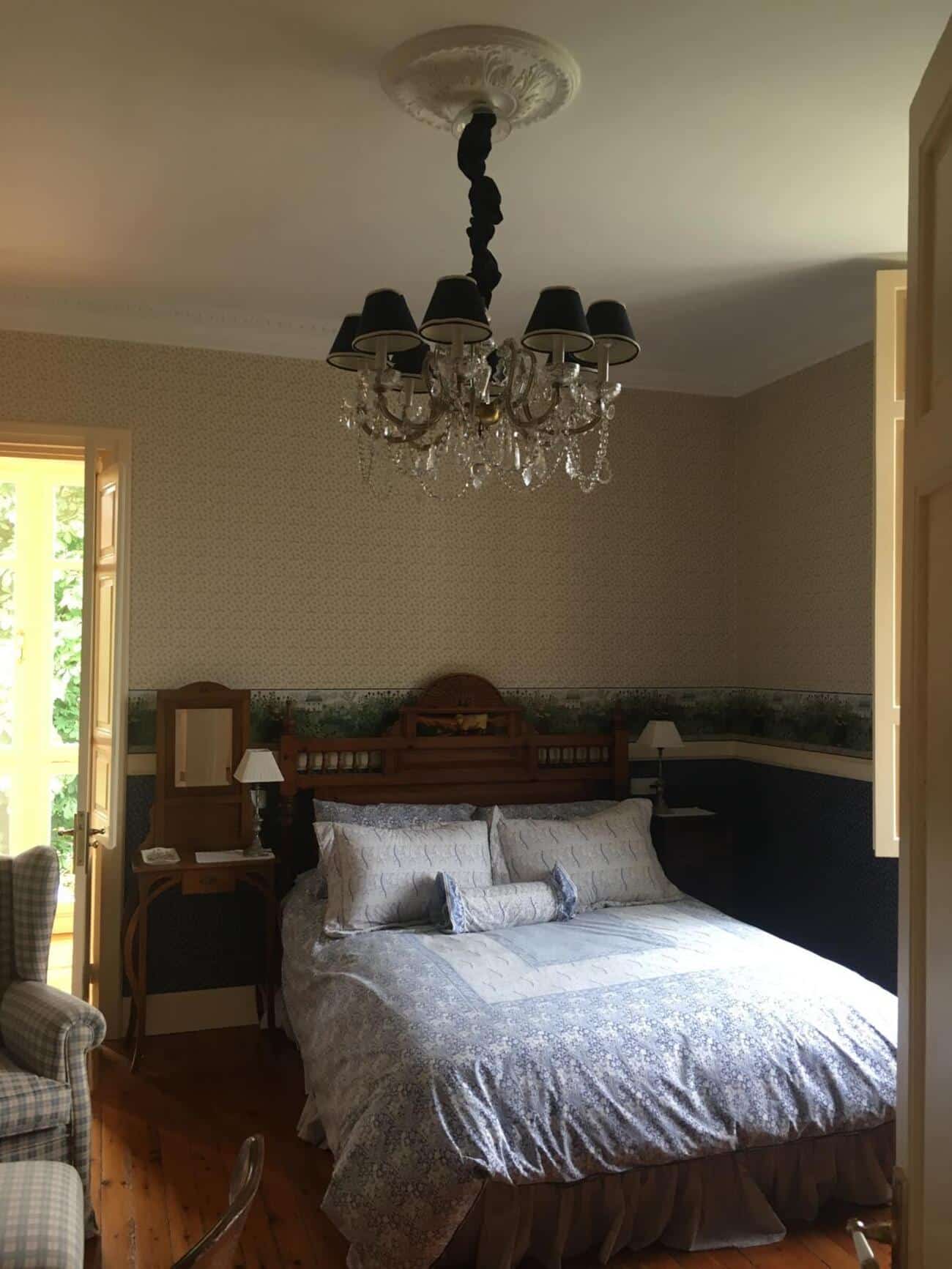
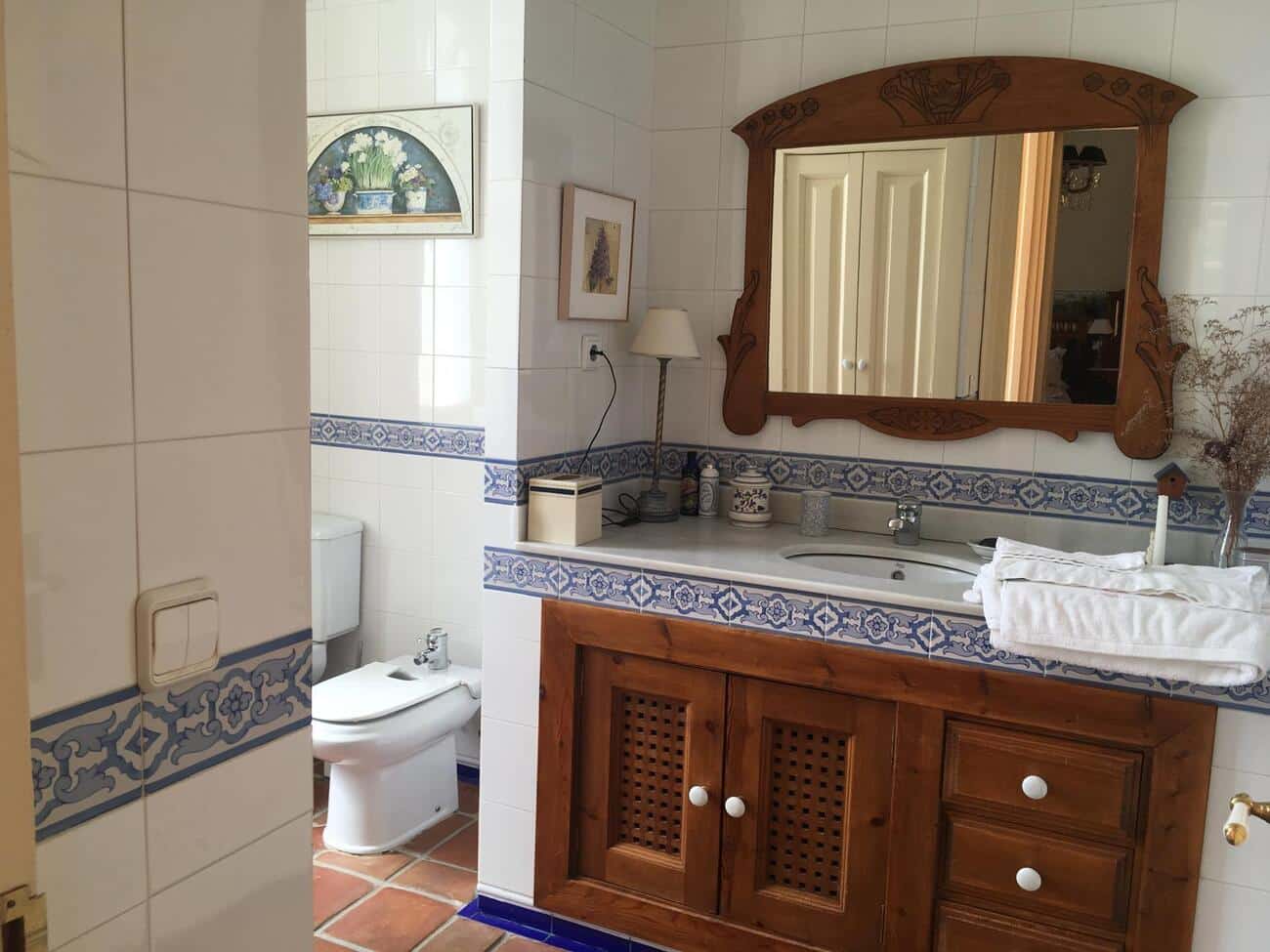
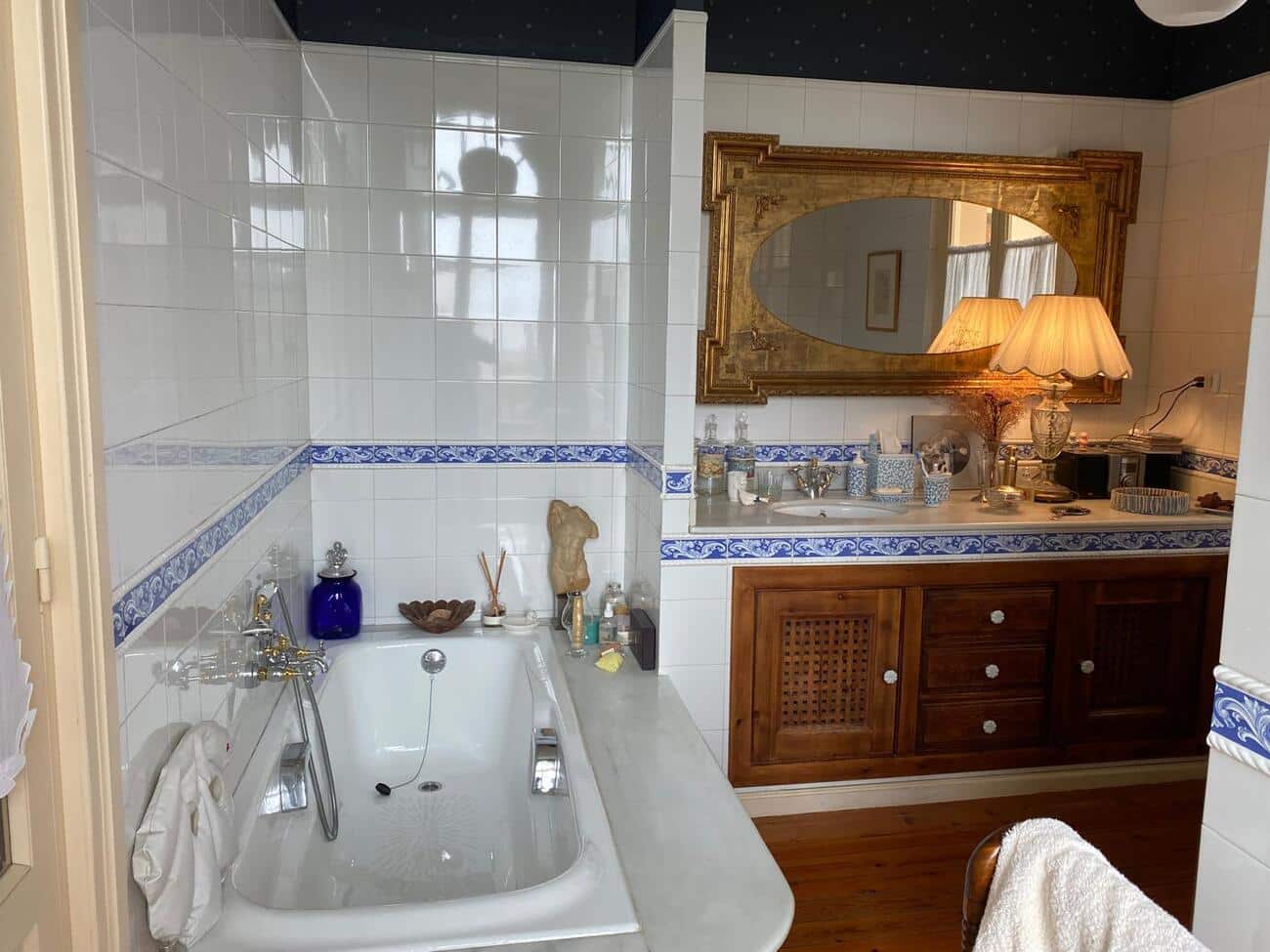
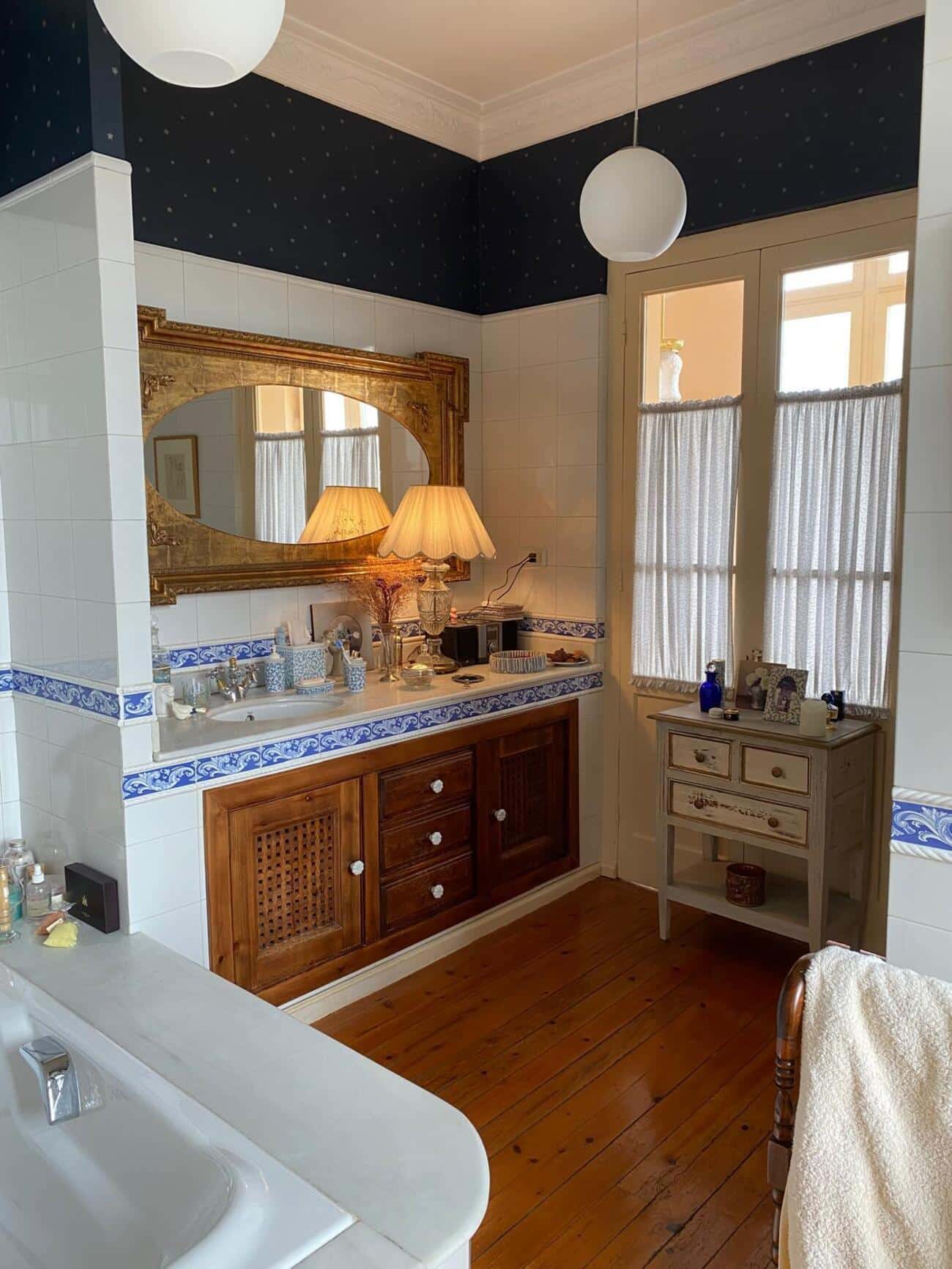
The first floor houses the sleeping area, with three double bedrooms, one single bedroom, and two full bathrooms, creating a private, comfortable, and well-organized retreat.
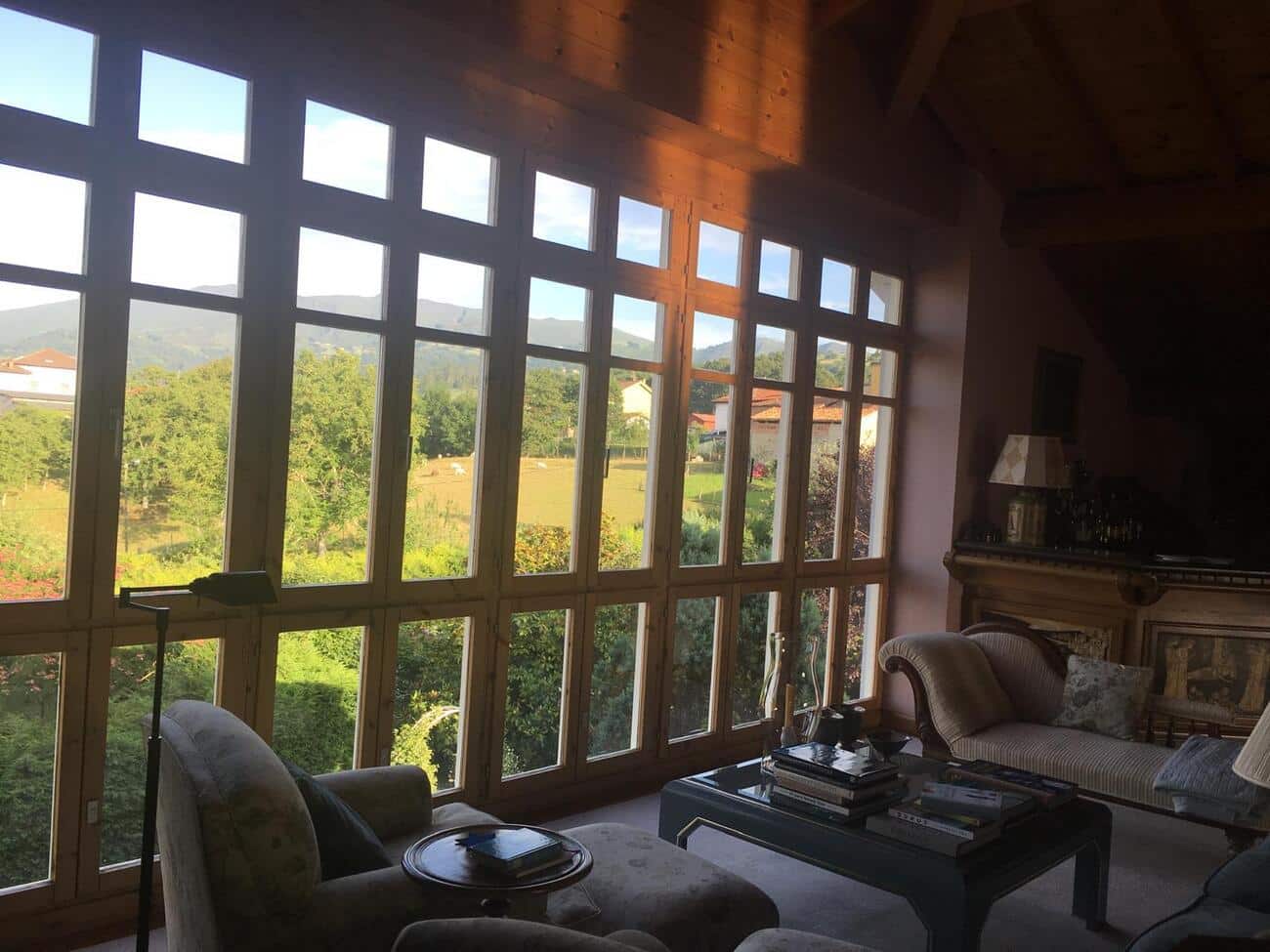
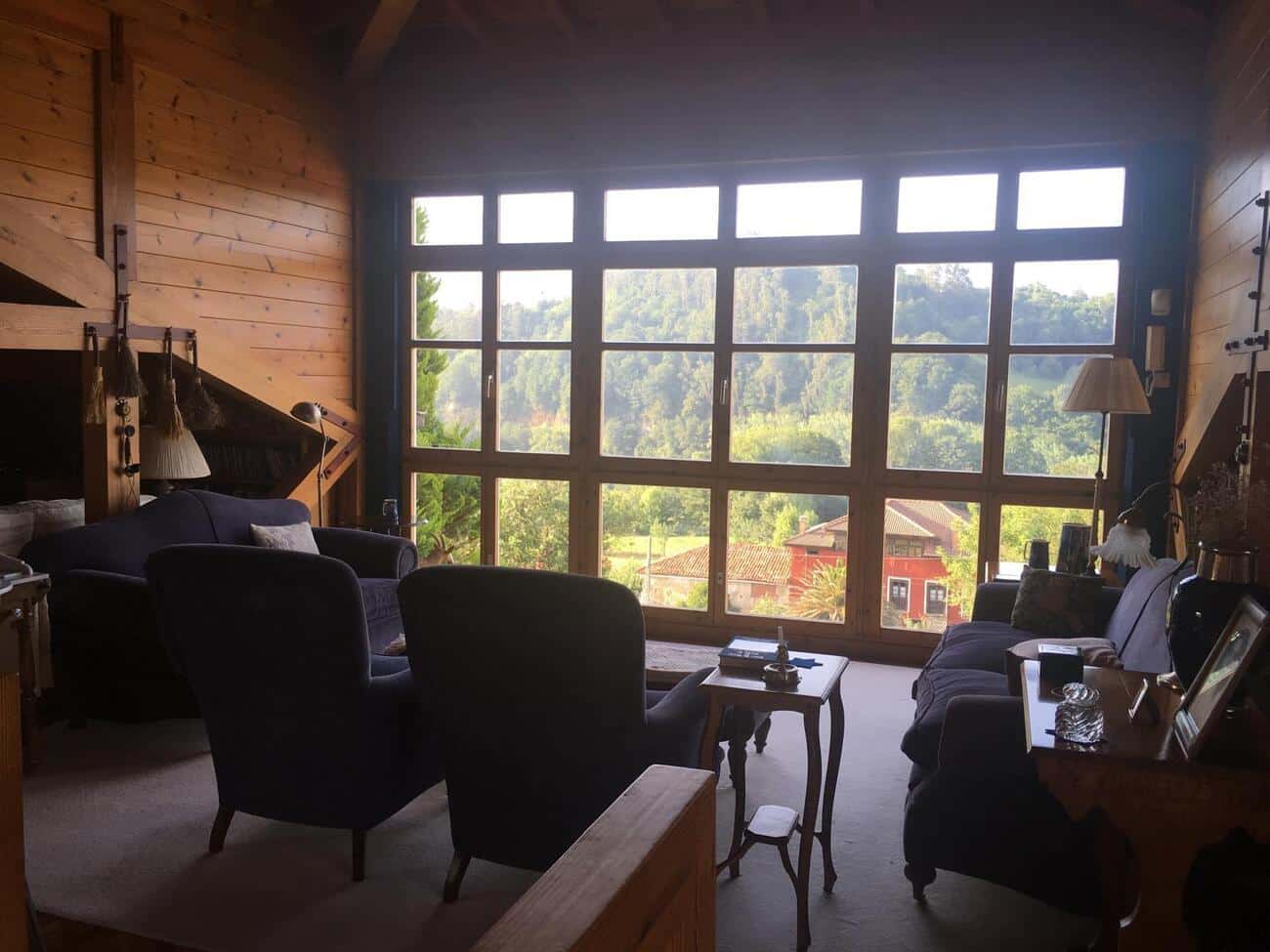
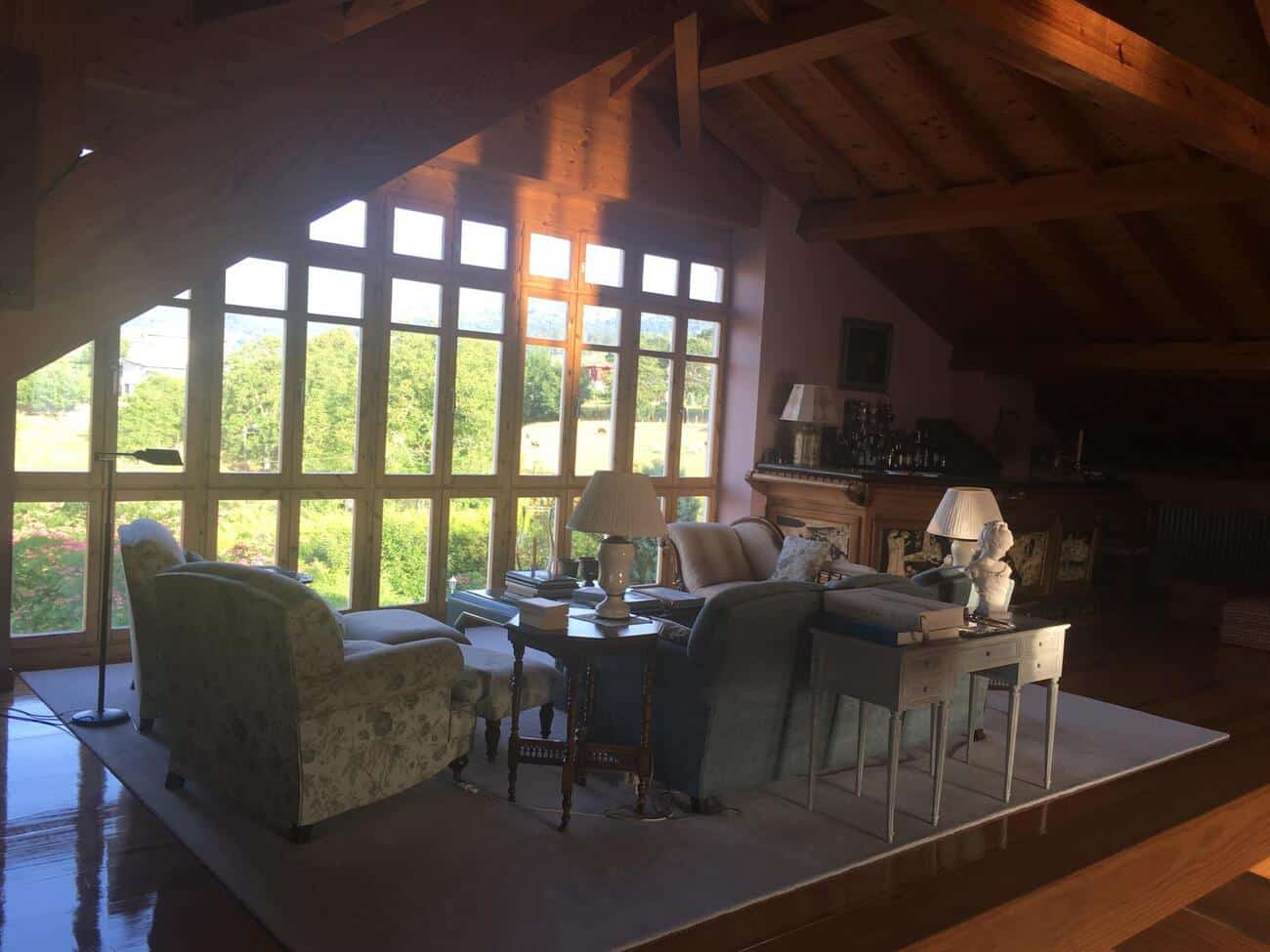
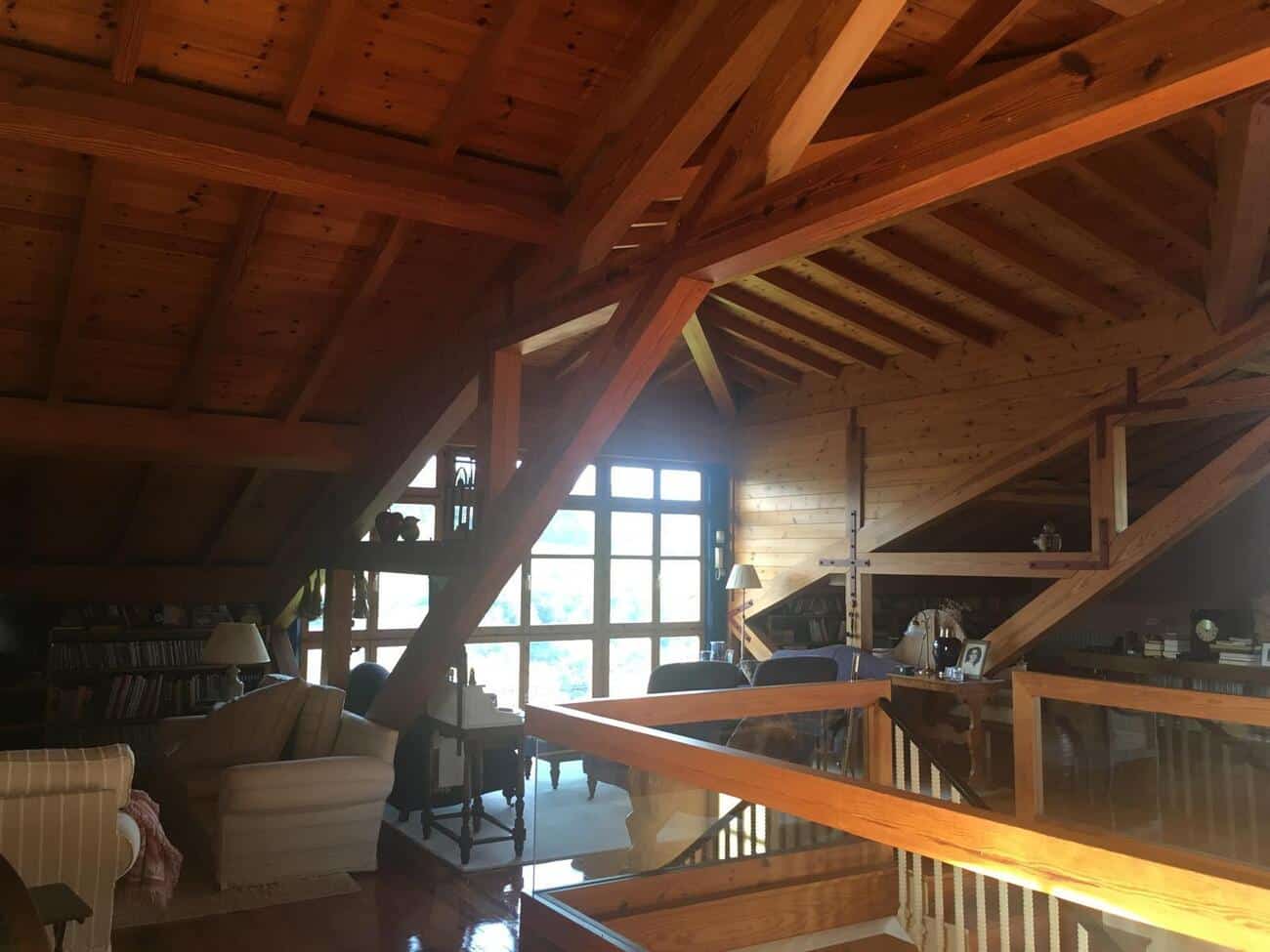
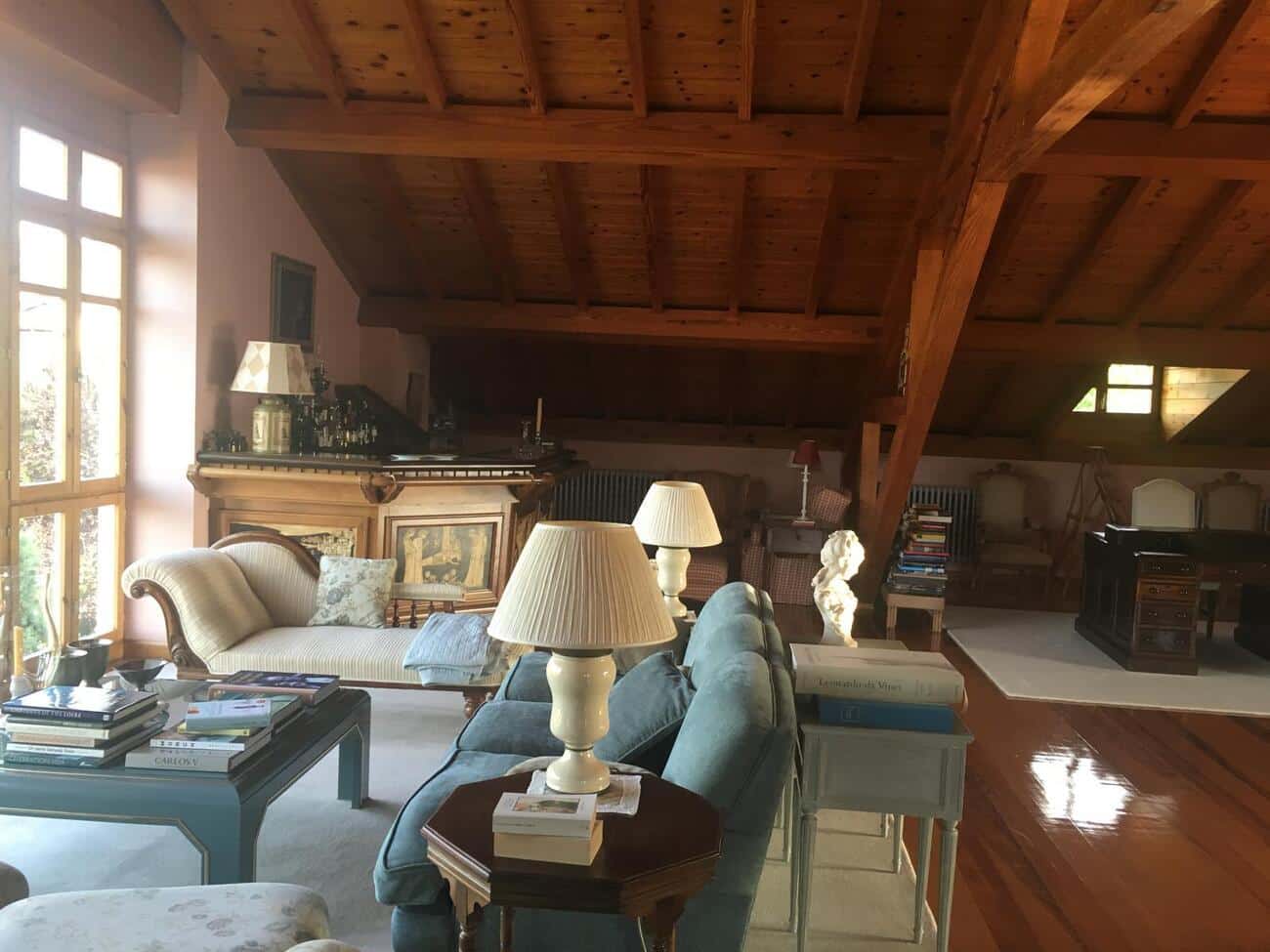
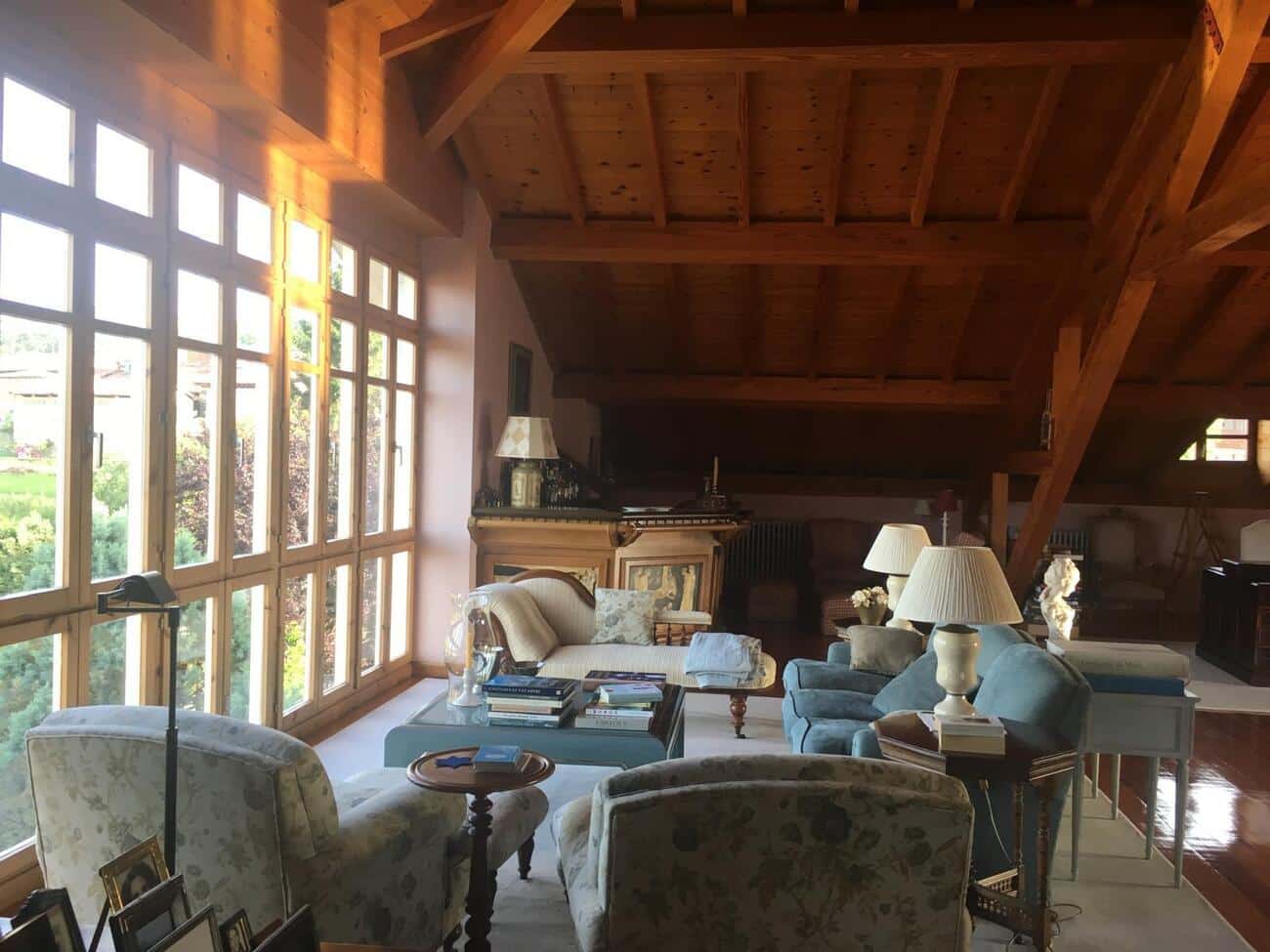
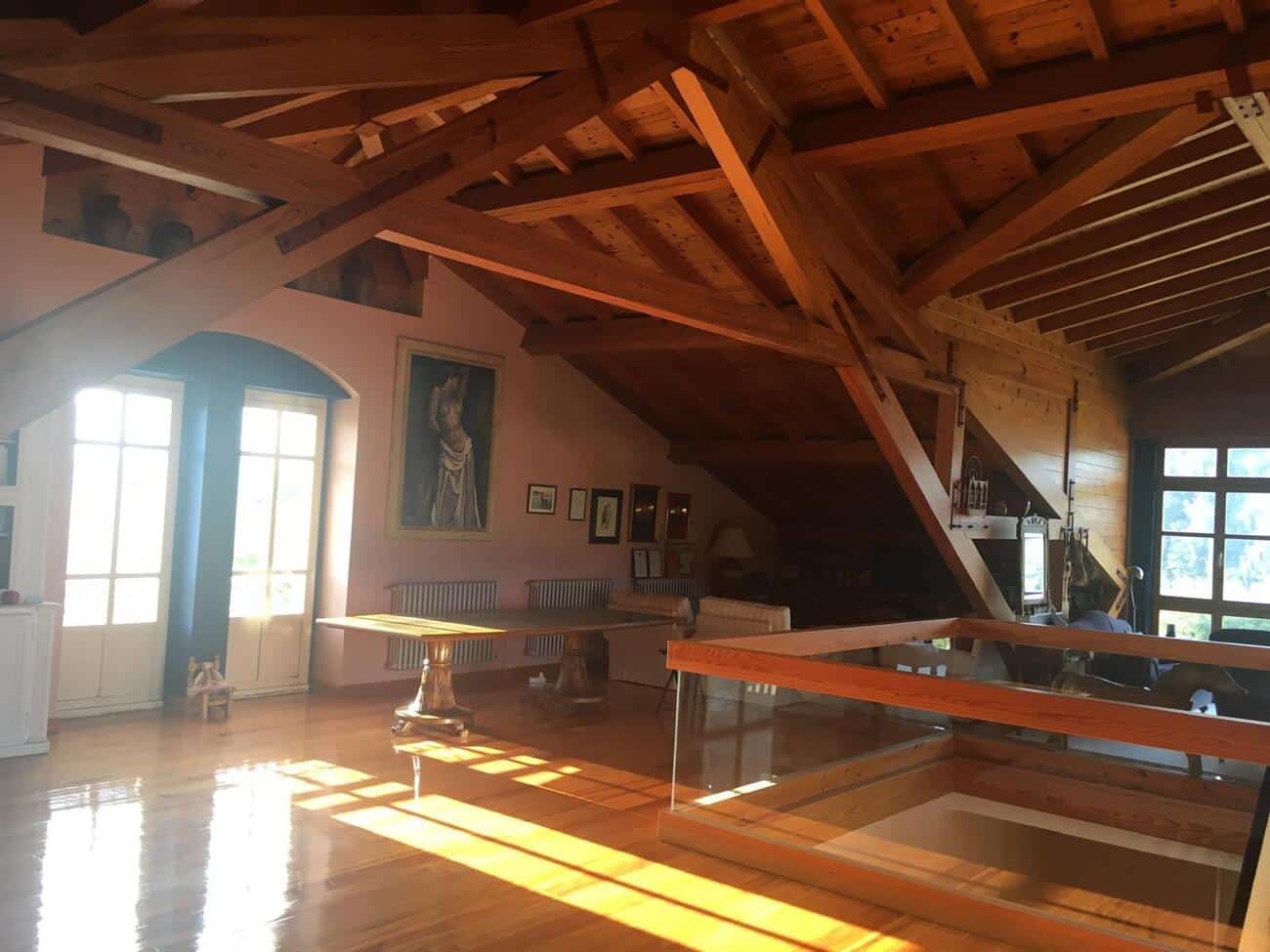
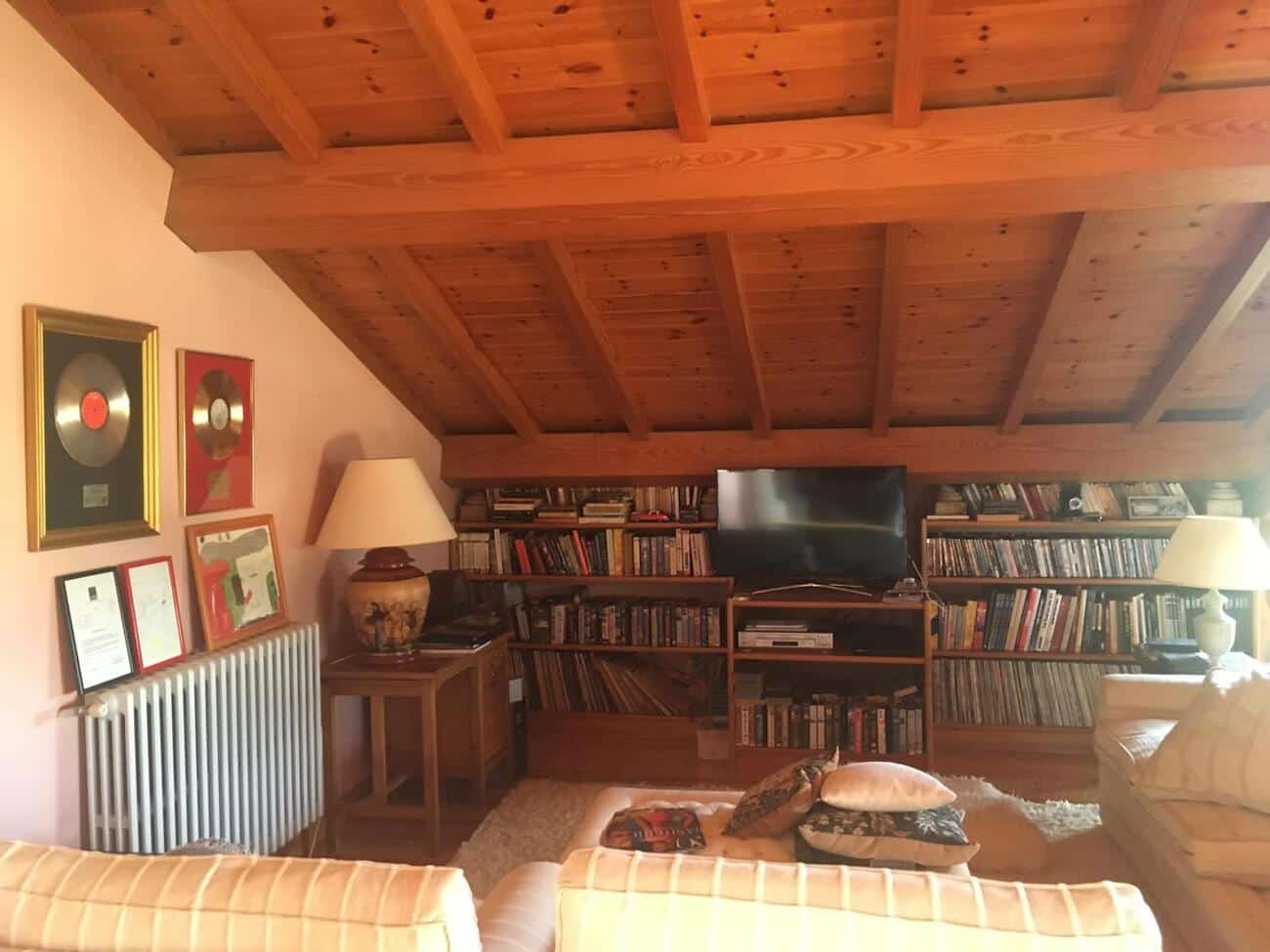
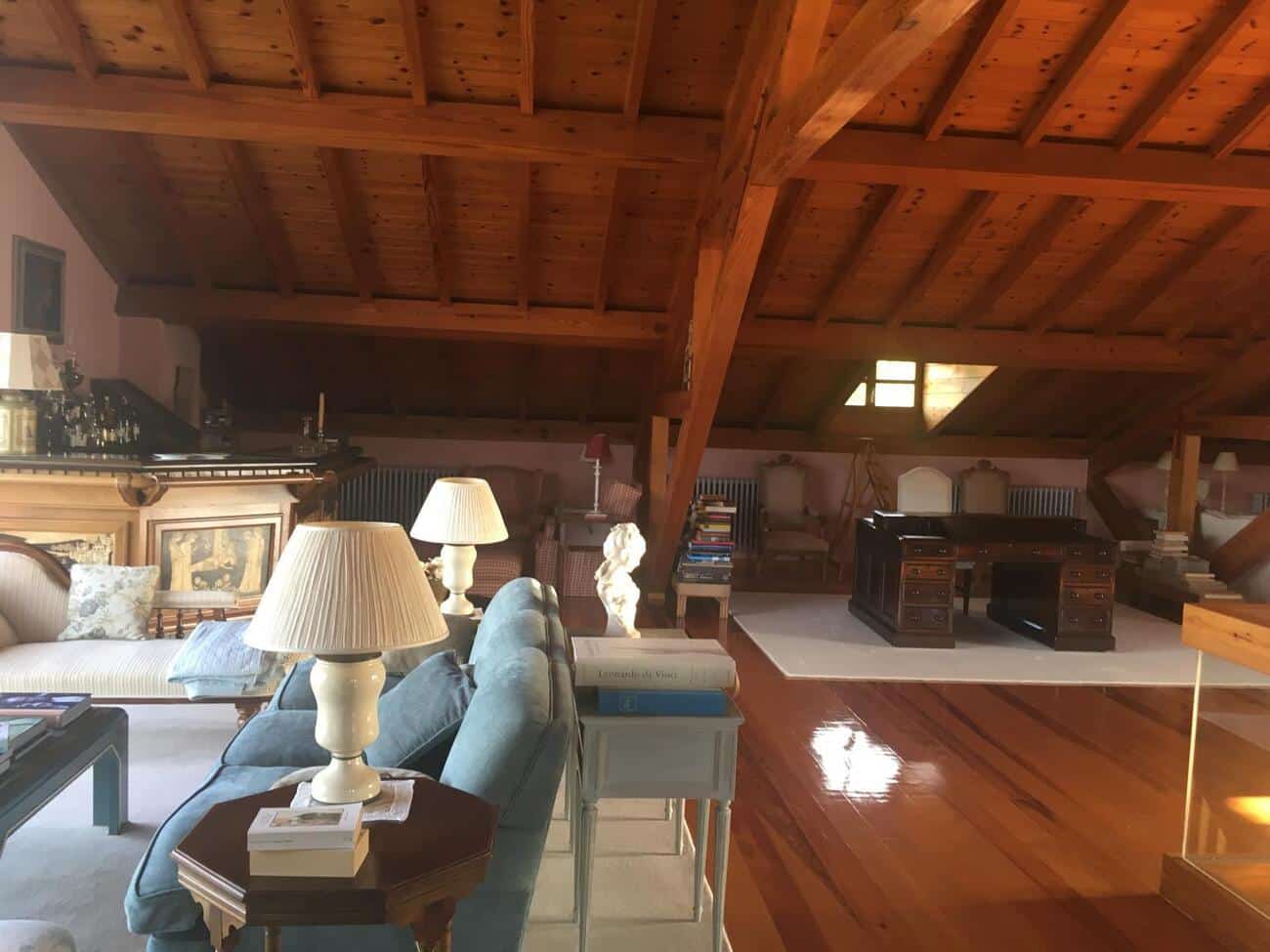
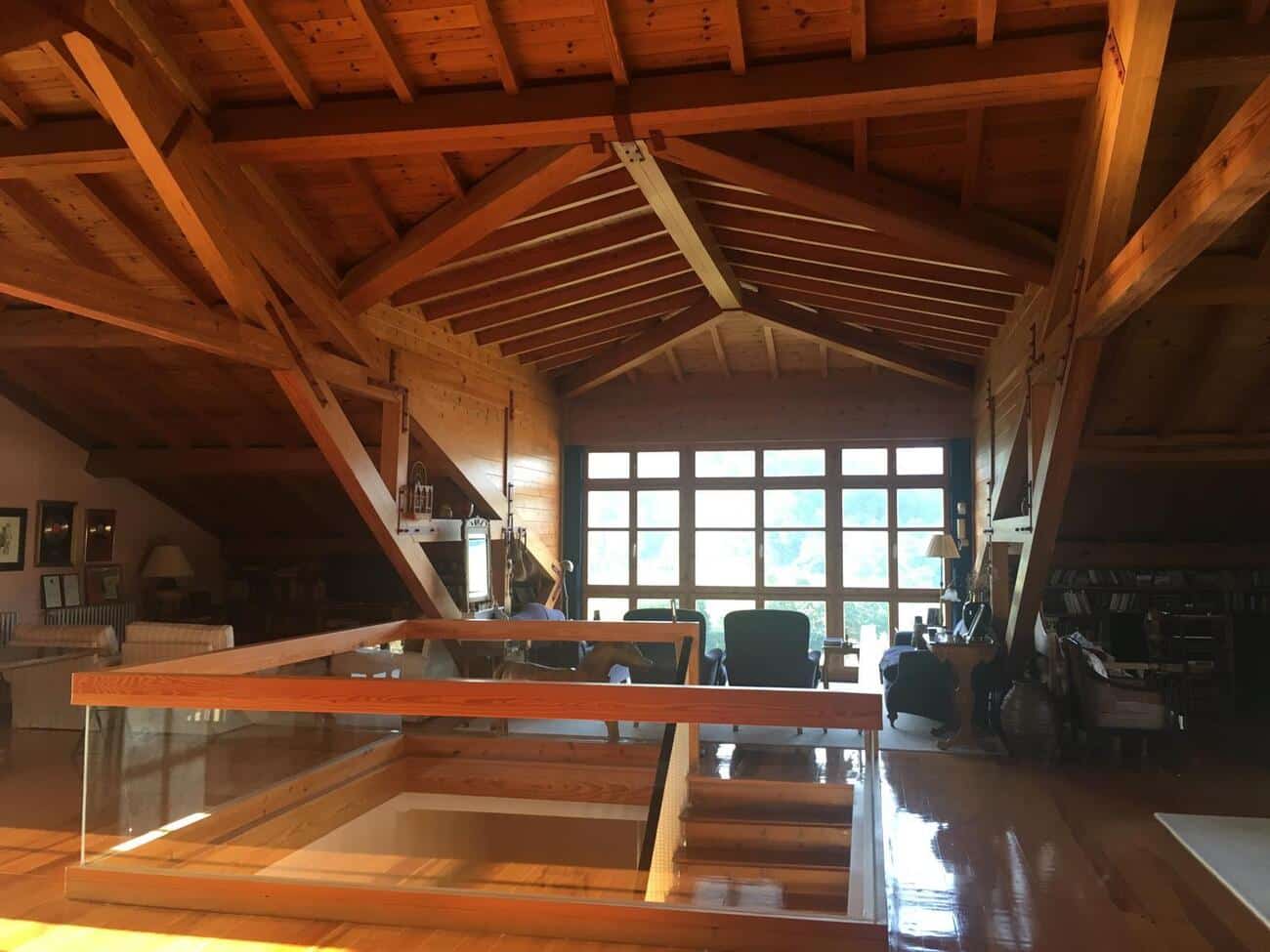
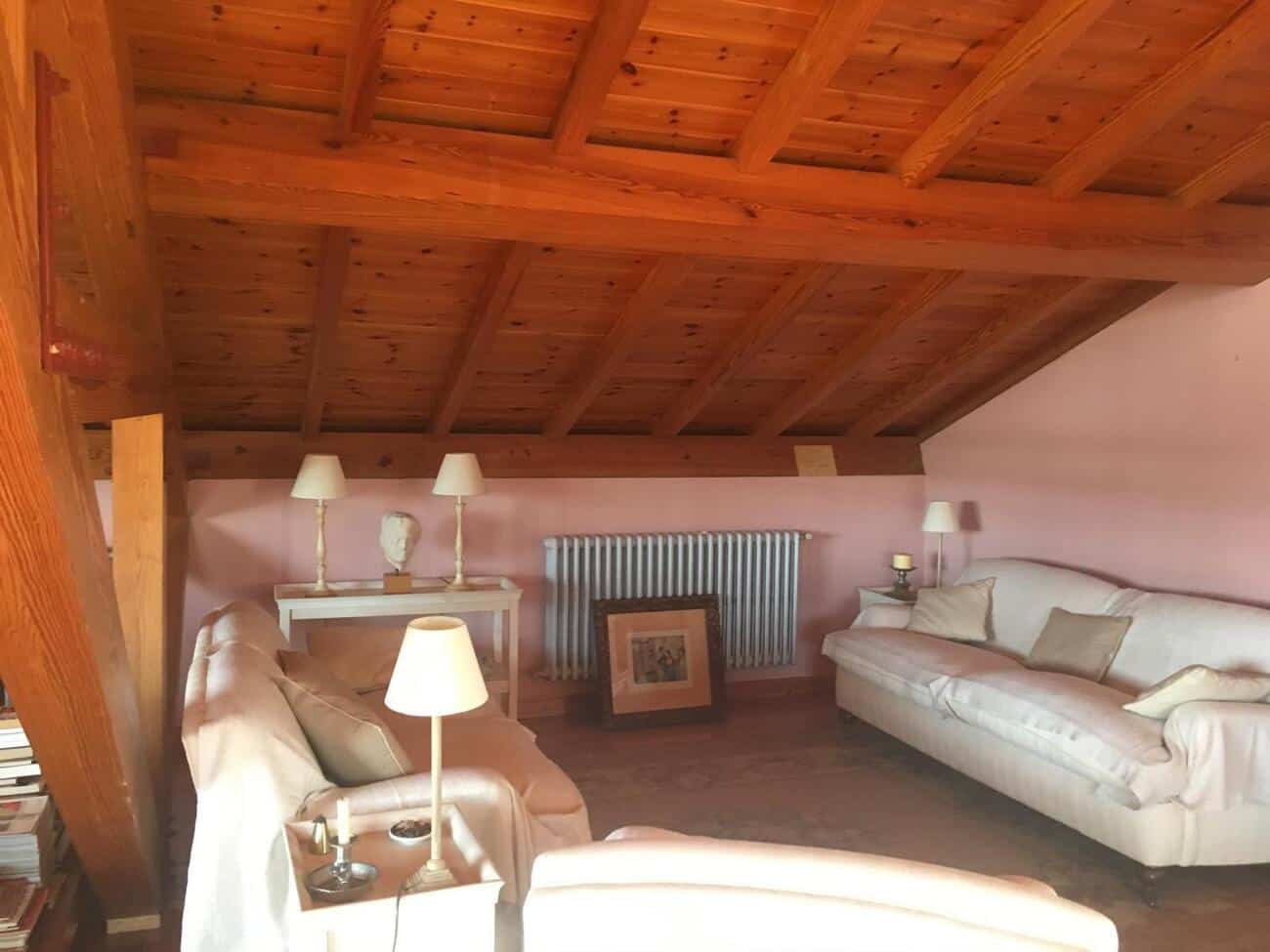
The attic level is conceived as a singular and versatile space, defined by a striking pitched ceiling of noble wood, handcrafted and assembled with care, adding warmth and character.
In the basement, the original stone walls have been preserved, reinforcing the connection to the home’s history and traditional construction.
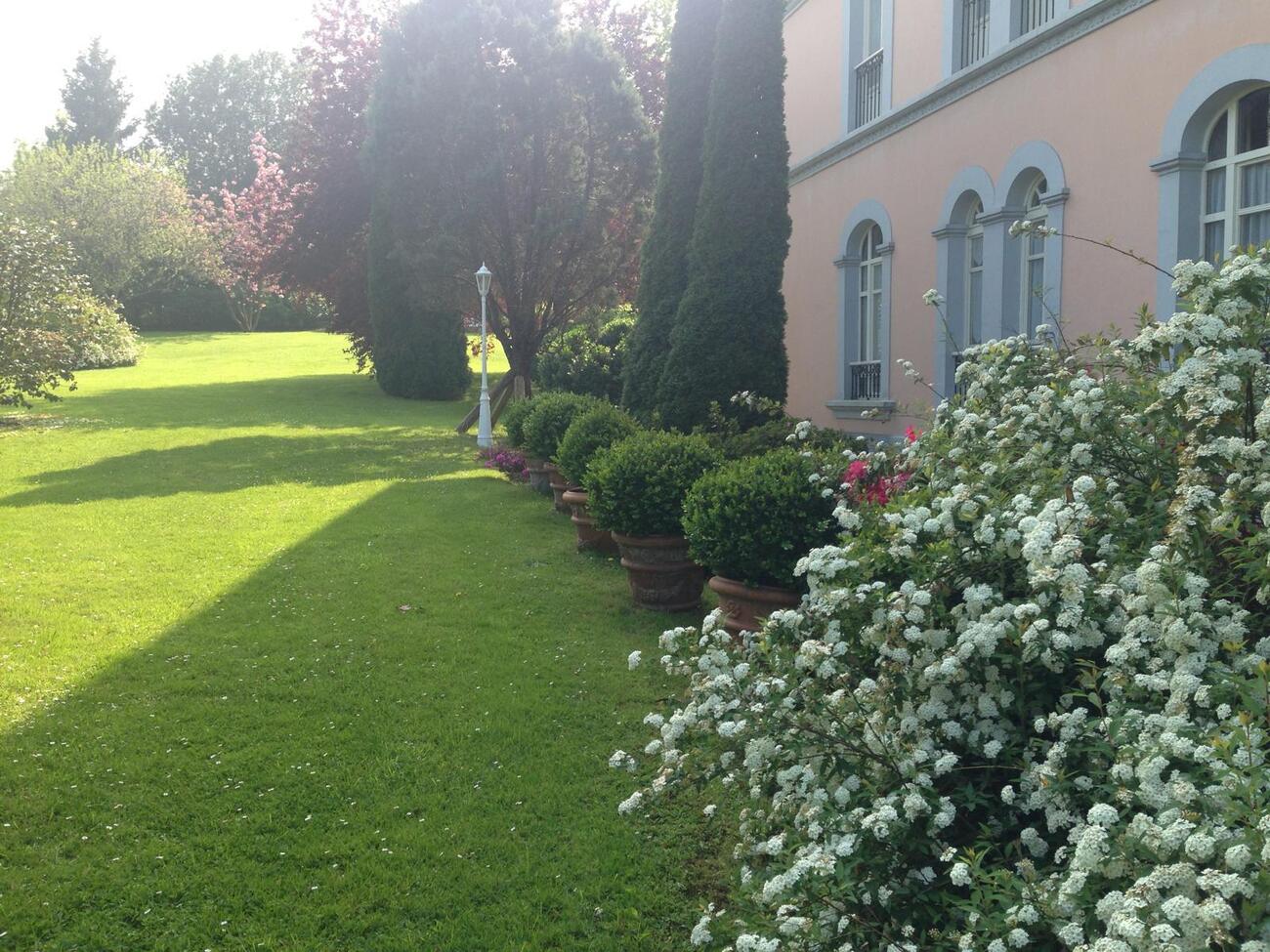
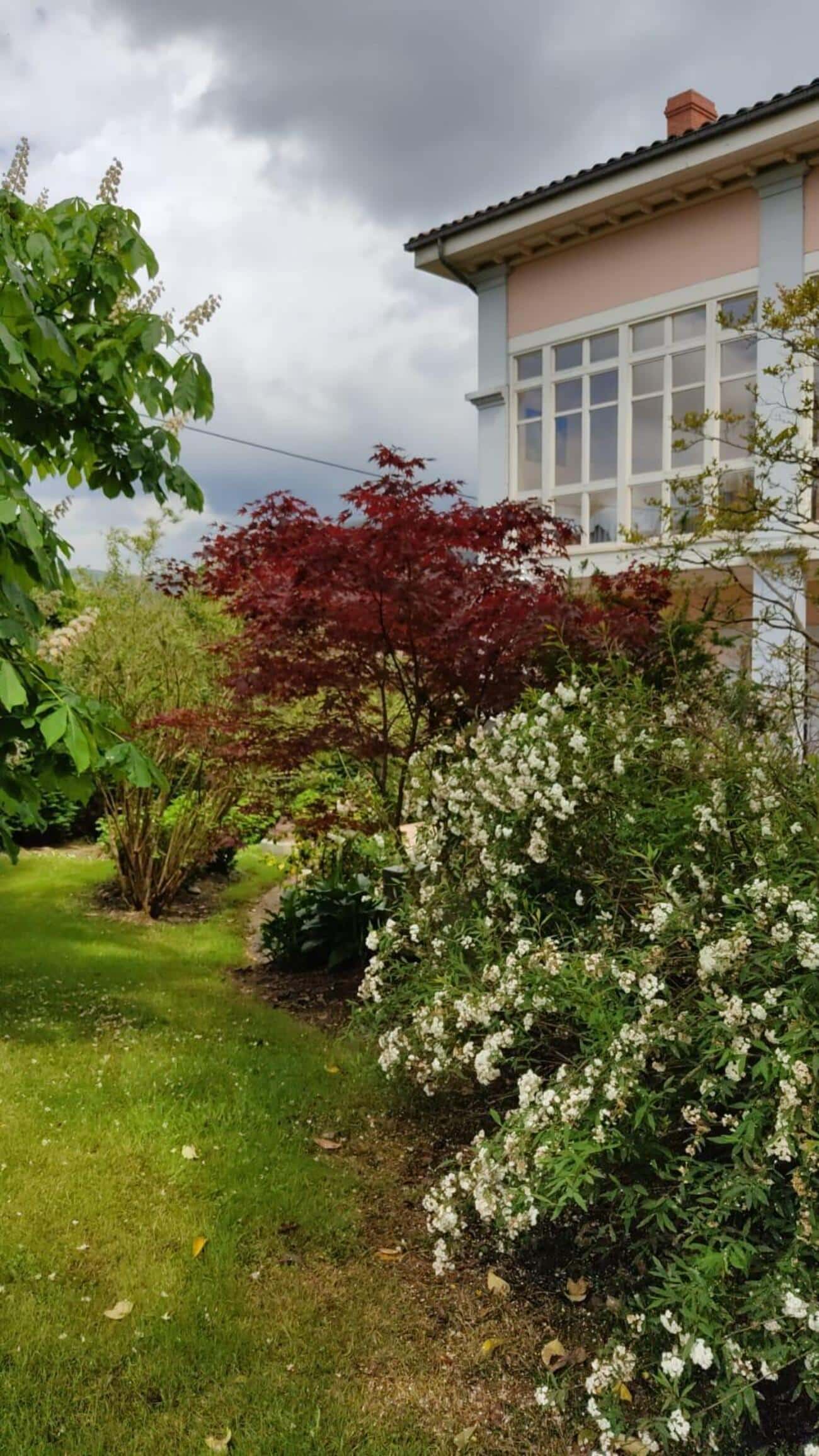
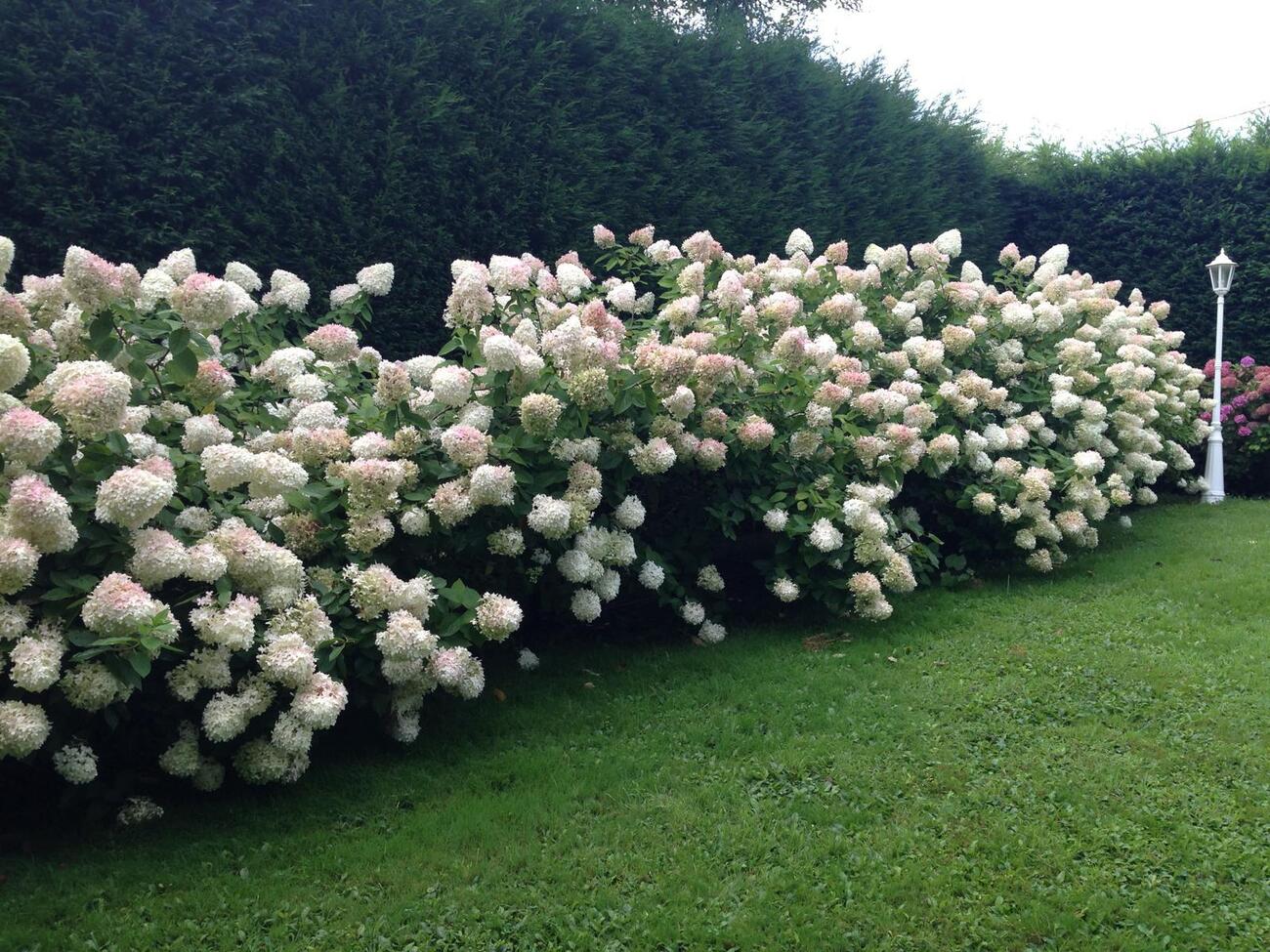
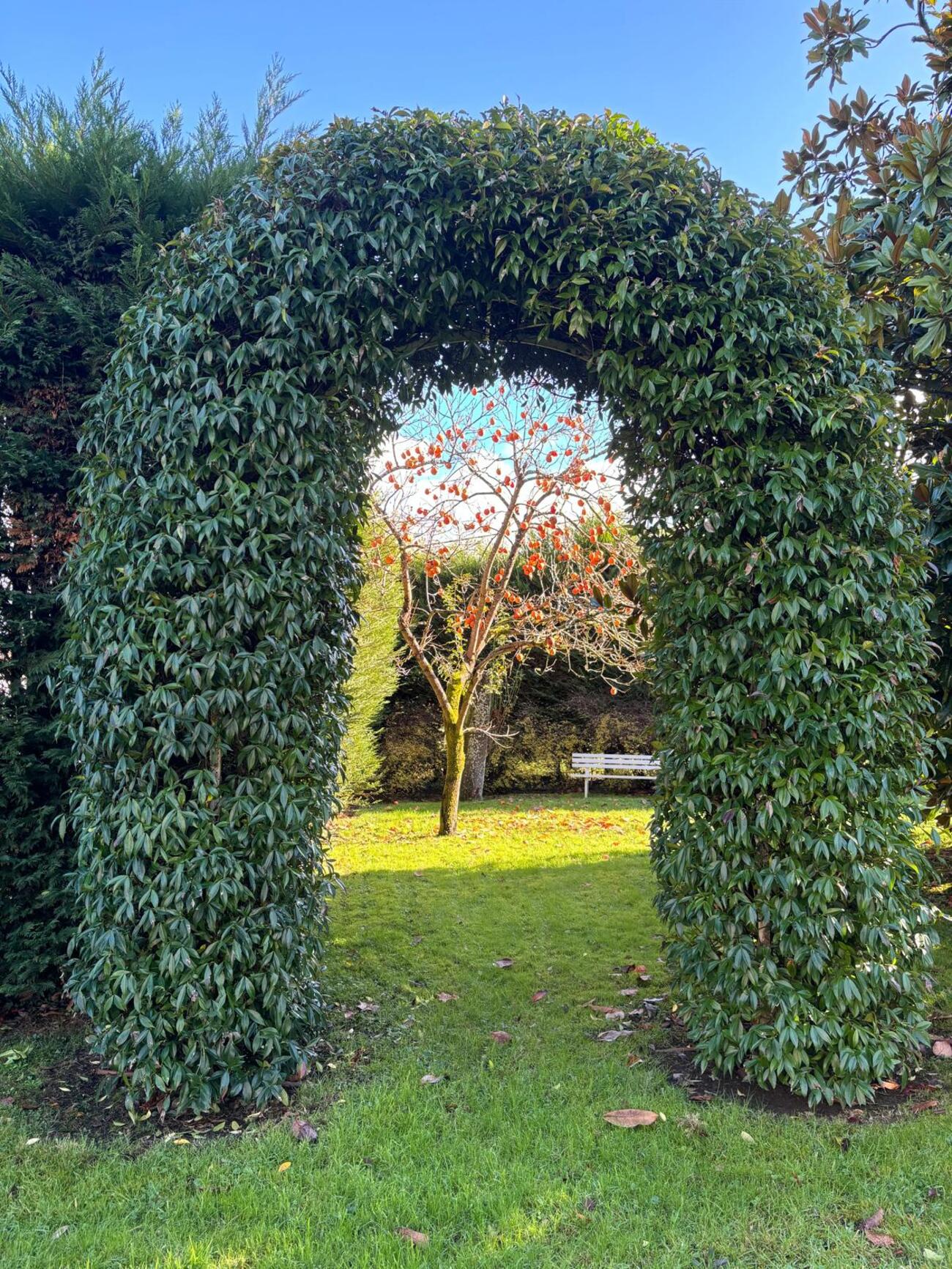
The exterior is understood as a natural extension of the house. The carefully designed garden combines lawn areas with fruit trees and ornamental species such as fig trees, Japanese maples, hydrangeas, azaleas, boxwood, and cypress, creating a balanced and private setting.
For more detailed information, we invite you to visit our 5 Stars section, which you will find further down this page, after the images.