An interview with Eduardo Tazón, to talk about Studio Noju, an intuitive and sensitive architecture studio that understands design as a broad creative field, applicable to multiple scales and disciplines.
Interview with Sierra and De La Higuera
We spoke with the three members of S+DLH, a studio about to celebrate its tenth anniversary that works with integrity, a focus on materials, and a commitment to longevity, creating solid projects rooted in craftsmanship and viewing interior design as “a way of accompanying life.”
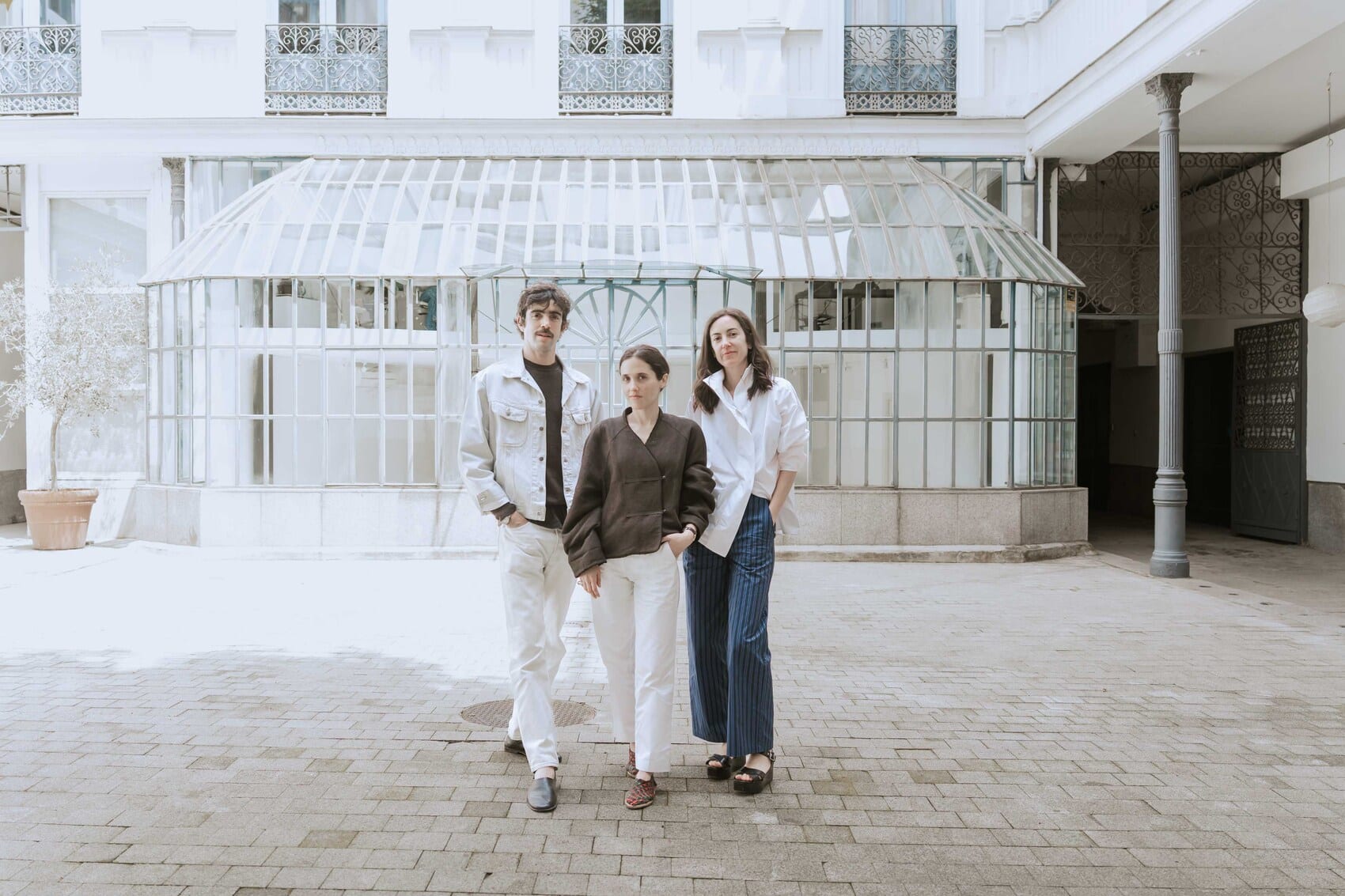
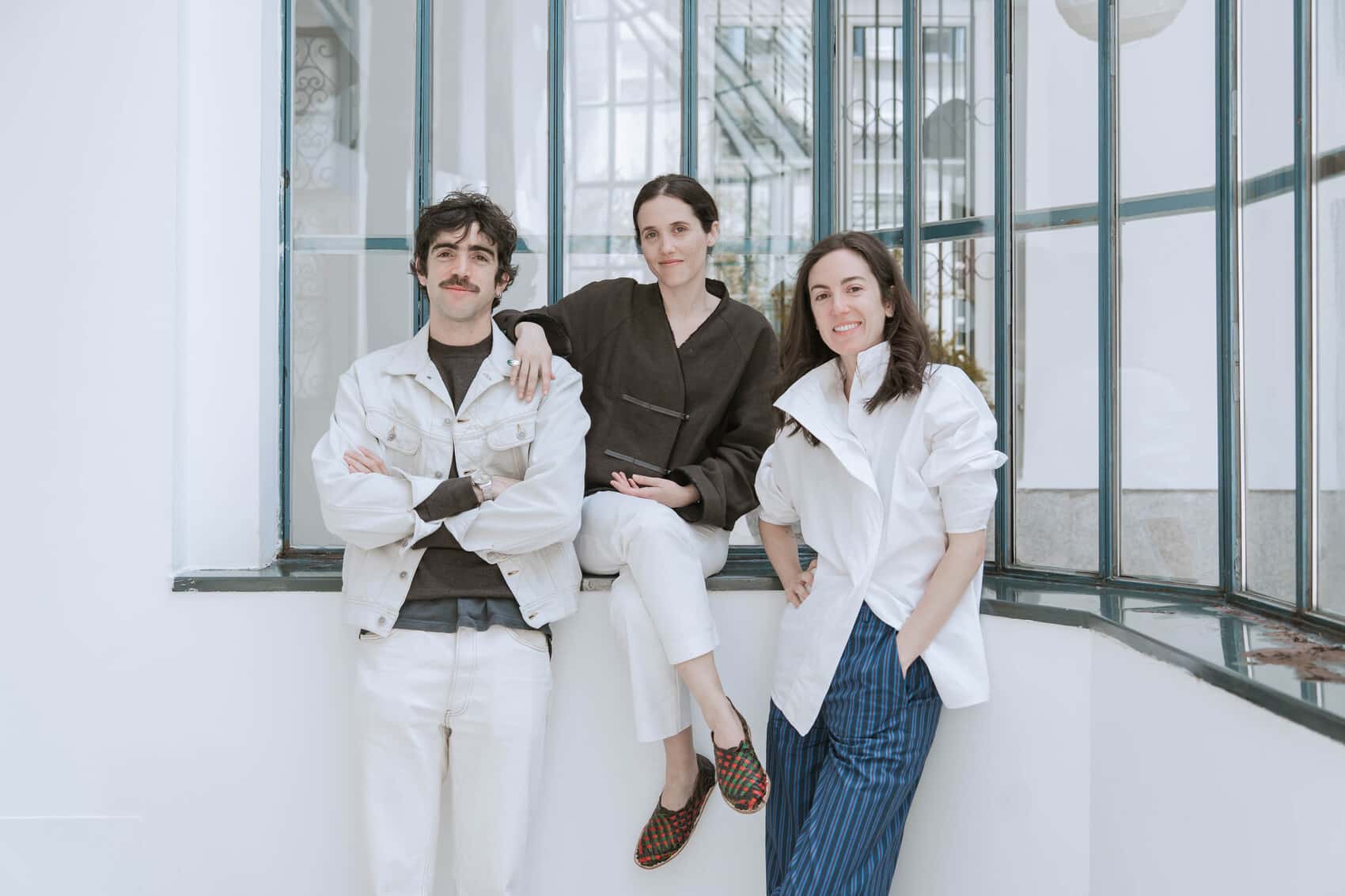
Inés, Mercedes, and Javier are interior designers; they studied at the Polytechnic University and run the Sierra De la Higuera studio. They view interior design as a way to enhance the lives of those who inhabit their spaces. Specializing primarily in residential projects—with the exception of Nuba’s headquarters—they combine aesthetic sensitivity, attention to detail, and a close connection with the client, with whom they build relationships that often go beyond the professional. They work mainly on projects in Madrid, though for the past year they have been taking on projects in Oviedo, Cantabria, Tenerife, and Málaga. Their projects focus on both renovation and new construction, and they approach each one with a holistic perspective in which architecture, lighting, materials, and design pieces interact naturally. In this conversation, they discuss their beginnings, their working methods, and the evolution of the studio, which, on the verge of its tenth anniversary, continues to grow without losing its artisanal and personal identity. They combine this practice with their role as gallery owners, and in this vein, they have just launched their Cápsula 4, which is the first chapter of a collaboration with Vasto Gallery. It brings together works by Pol Agustí, Max Milà Serra, and Esther Gatón, as well as design pieces and archival material from their own studio. One example is a piece launched last year in collaboration with Mayice. These types of projects stem from his interest in craftsmanship and in collaborating with various trades related to interior design.
Next year marks the studio’s tenth anniversary. How do you view your own journey?
When we started in 2017, the three of us were very clear about what we wanted to do, but we didn’t know if there was room for it. Today, we’ve built that space. There have been changes in direction, difficult decisions, and projects that demanded more from us than we anticipated. But there’s a consistency throughout that journey: we’ve always aimed for the same thing—to create well-thought-out projects, with integrity, that stand the test of time.
What is the main milestone that has marked your path? Any specific commission?
There are projects that stand out because they are the first of a new kind: the first commercial project, the first large residential home, the first project outside Madrid. But if we had to pinpoint a turning point, it would be when we began receiving commissions with complete creative freedom. When a client trusts not only in your technical ability but also in your judgment, the relationship changes. You become a true partner, not just an executor. Projects like Lope de Vega or Paseo de Recoletos have carried that weight: large, complex homes where we handled architecture, interior design, and decoration from start to finish, with pieces designed by us that are part of the final result.
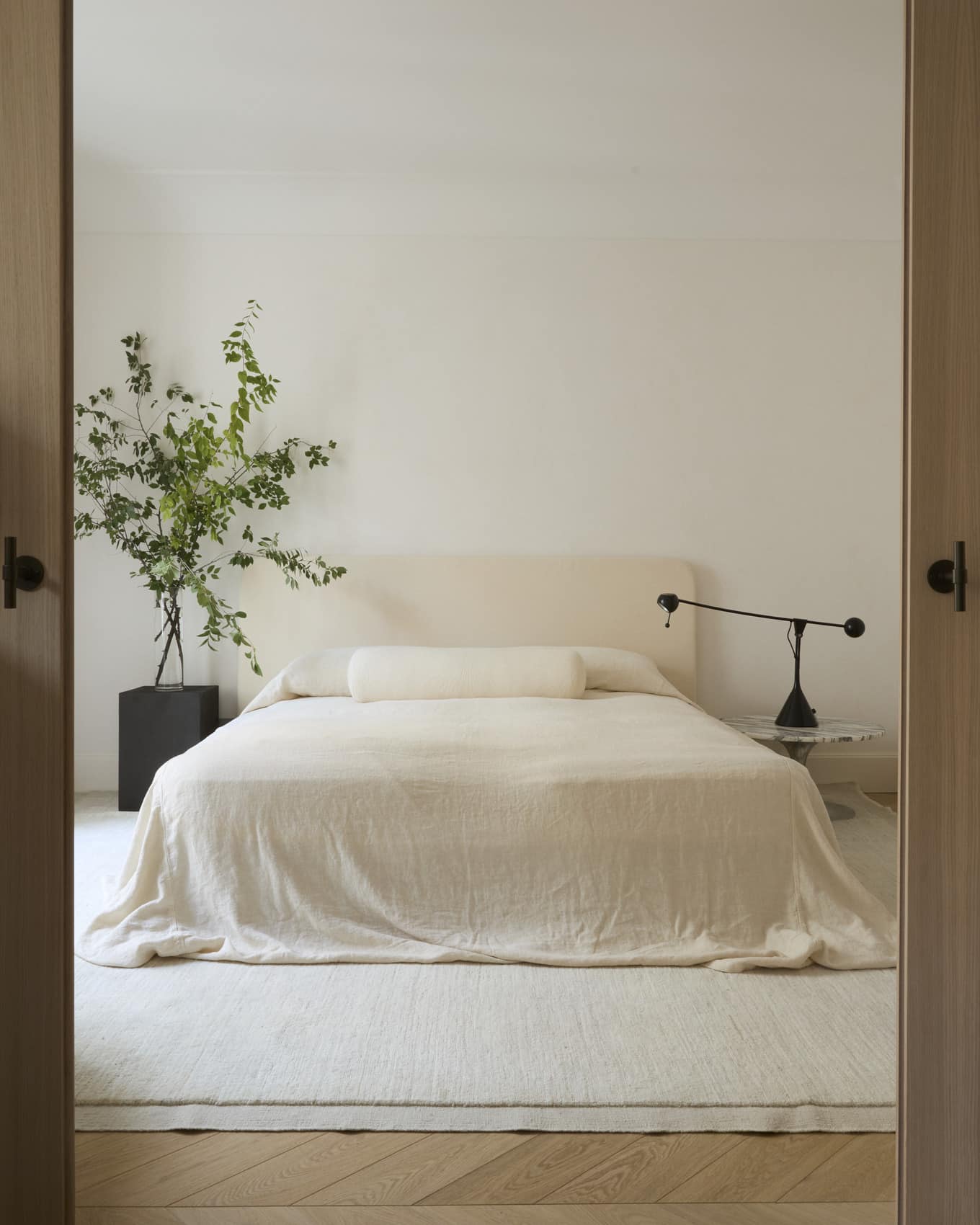
Proyecto en Paseo de Recoletos, por S+DLH. Foto: Pablo Zamora
You define your philosophy as “pure balance”—would you say that’s the hallmark of Sierra + De La Higuera? What does that idea mean within the studio?
It’s the hardest idea to put into practice. For us, it has to do with finding the point where there is nothing left to add or take away: where the material is in proportion to the space, where the ornamentation makes sense, where there is enough complexity to make the result interesting but enough restraint to make it livable. It’s something we evaluate on a project-by-project basis.
Versatility and timelessness come up constantly in your discourse. How do they translate into concrete decisions?
Timelessness is not so much an aesthetic as an attitude toward the project. It translates into avoiding what is merely contemporary—fads, materials that last only a single cycle, references that age poorly—and opting for what has deeper roots: stone, wood, stucco, linen, materials that have been present in architecture for centuries and that age gracefully. Versatility comes from approaching each project from scratch, without imposing our own language on the site or the client. In a rural project in La Vera, we used ceramics, clay, and local stone. In a penthouse next to the Teatro Real, we used light-colored micro-concrete and skylights. The language changes, but the standards do not.
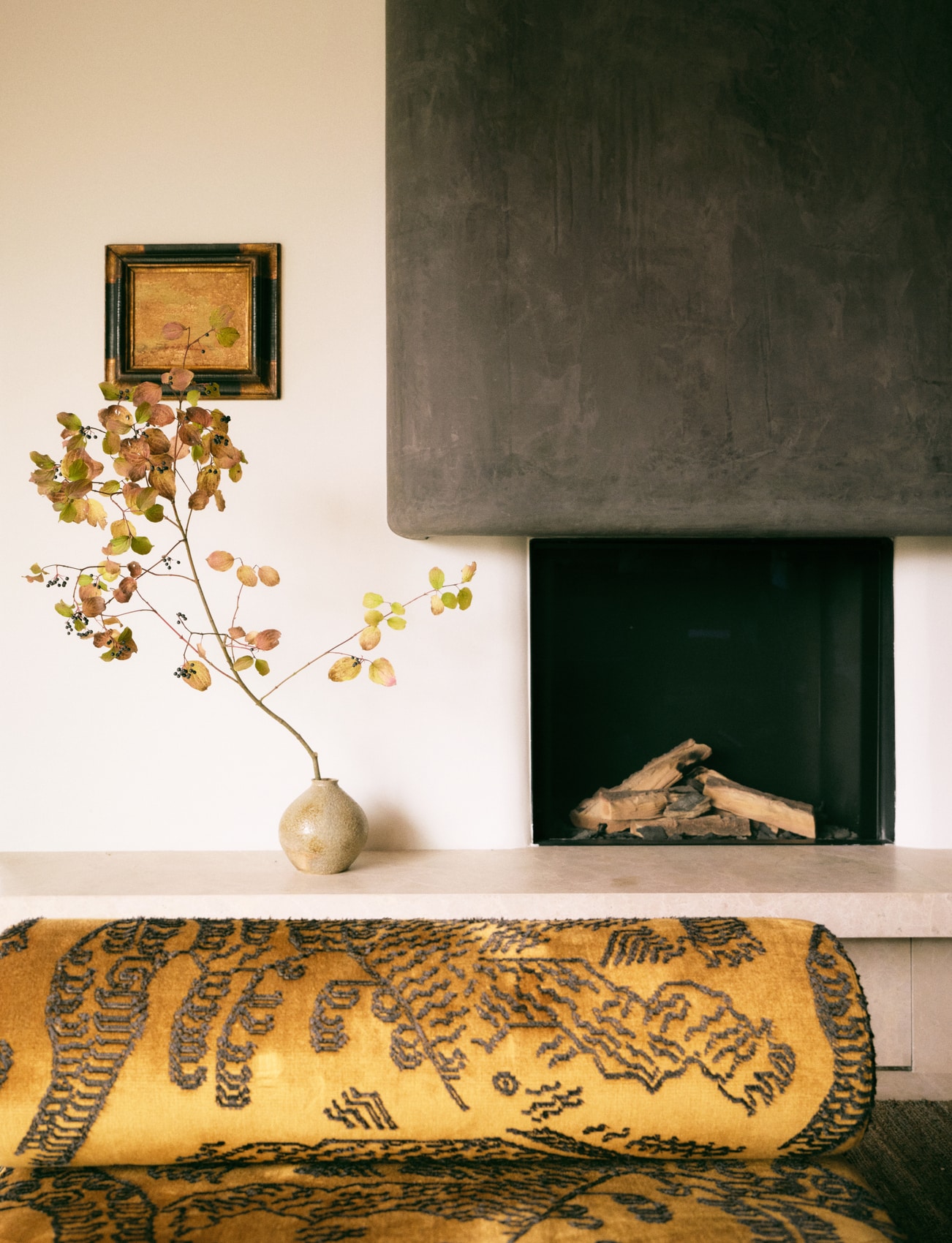
Detalle de un proyecto en Eduardo Dato. Foto: Pablo Zamora.
What makes a space age well?
Material honesty, above all else. Spaces that age well are those that don’t try to hide what they are. Wood that darkens over time, stone that develops a patina, stucco that shows the passage of time without deteriorating: that’s character, not wear and tear. It also has to do with proportion: well-proportioned spaces don’t need updating because their internal logic is sound from the start. And then there’s the custom-made piece: when something has been designed specifically for a space, there’s no risk of it looking out of place.
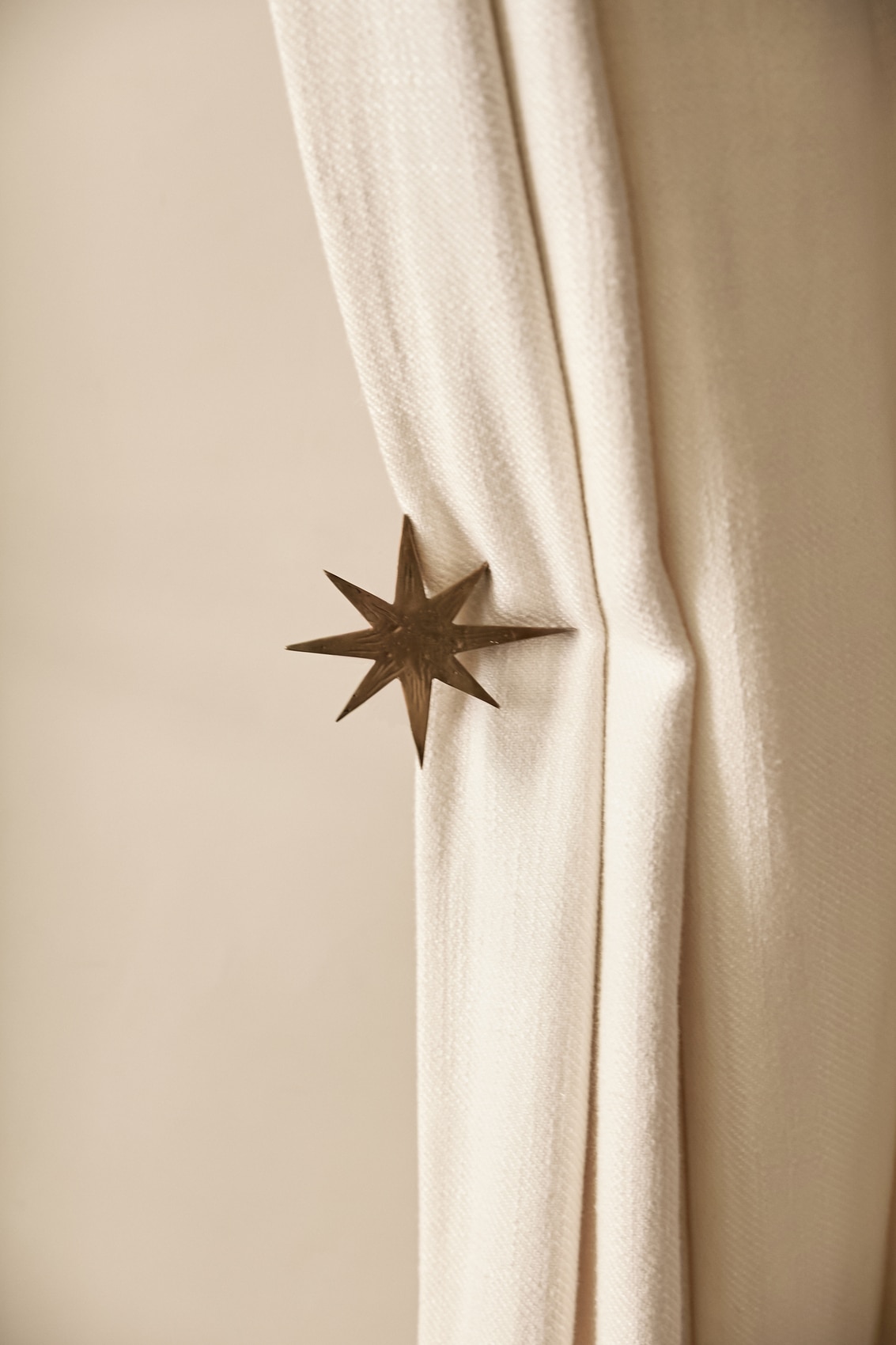
Alzapaño correspondiente a la Cápsula 3 de la galería S+DLH.
You argue that “custom interior design can create a spatial identity as powerful as any structural renovation.” How do you build that identity in each project?
We always start by listening. Before putting a single line on paper, we need to understand how the client lives, what they already have (which pieces, which memories, which objects they want to keep), and what kind of experience they want to inhabit. Identity isn’t invented: it’s distilled. From there, we build a material palette and a set of decisions—layout, lighting, furniture, art—that respond to that specific person or program. In residential projects, the custom piece we design is often what brings everything together: a stone table, a bookshelf, a screen, a sofa. These are elements that couldn’t belong anywhere else. That is spatial identity.
Your work moves quite naturally between the classical and the contemporary. How do these elements coexist without coming across as purely aesthetic?
Because we don’t start with stylistic references, but with structural questions. What does this space require? What does the place have that deserves to be respected or revealed? An oak herringbone floor in an 1890s building isn’t a decorative nod: it’s the right response to the existing structure. A solid travertine kitchen in a contemporary home isn’t nostalgia either: it’s the choice of the most appropriate material for that scale and that use. When the classic and the contemporary coexist naturally, it’s because both are at the service of the space, not of a prefabricated image. In our minds, clean lines take precedence over excess, and functionality over mere decoration.
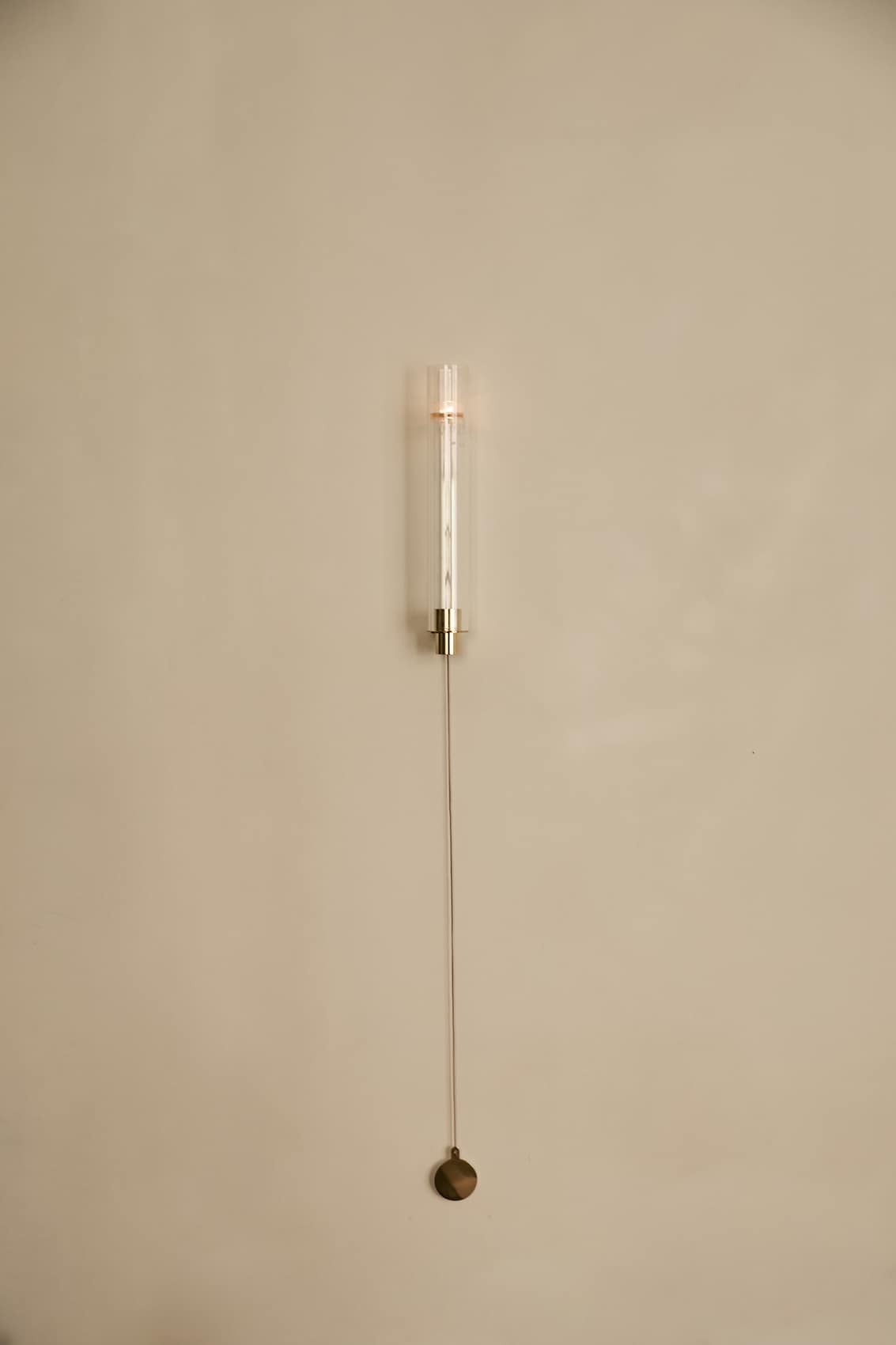
Candelero de pared diseñado por Mayice para la Cápsula 3.
What are the benefits of working as a collective studio? How do you balance your creative sensibilities and decision-making?
Rather than balancing them, we’d say we blend them. The three of us have different sensibilities, but we share a very strong common culture that stems from having studied together, built the studio from the ground up, and spent years in constant conversation about what we like and what we don’t. In practice, each project has a lead partner, but major decisions always involve all three of us. That friction, when managed well, is where the best solutions emerge. We know how to combine our different points of view. It’s not always comfortable, but the result is more complete than what any of us could achieve on our own.
Who are your main influences within and outside the fields of architecture and interior design?
Within interior design, we’re drawn to studios that have a very distinct point of view but aren’t rigid, such as Axel Vervoordt or Vincent Van Duysen. Outside of interior design, we look a lot to contemporary art, especially artists who work with materials and scale. Craftsmanship is also a constant source of inspiration: we care about understanding how things are made, what the process behind an object is. That changes the way you use it and value it in a project.
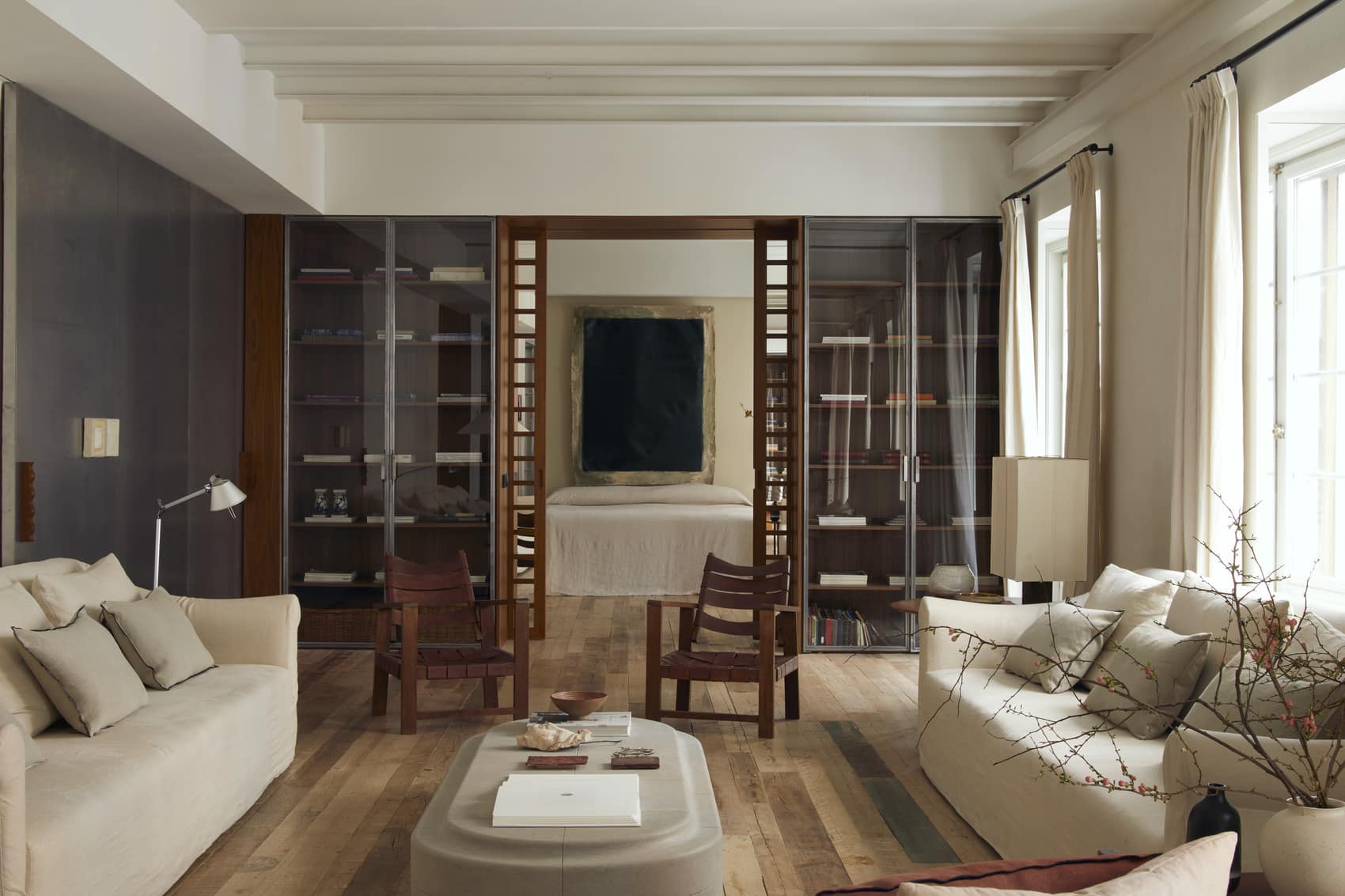
Vista del trabajo realizado en la calle Lope de Vega. Foto: Pablo Zamora.
What has been the biggest challenge you’ve faced as a young studio?
Convincing people that high standards are worth it. When you’re starting out, the market tends to prioritize speed over depth. We’ve never wanted to take on superficial projects, and at first, that creates tension with clients who don’t understand why a well-executed process takes as long as it does. Over the years, those clients are the ones who’ve been most grateful that we held them back. The other major challenge has been growing without losing control of the process: maintaining the same attention to detail as our workload increases is something we’re still working on.
In addition to the studio, you also run a gallery and design your own furniture. How do these three areas interact with one another?
In a very organic way. The gallery was born out of a real need: in many projects, we designed custom pieces that didn’t exist on the market, and over time those pieces began to take on a life of their own. The gallery is a space featuring unique pieces, limited series, and custom editions that expand the visual universe of S+DLH. It’s not a shop for the studio’s accessories: it’s where we explore forms, materials, and processes with a freedom that client projects don’t always allow. What we learn in the gallery feeds back into our projects, and what our projects require gives us ideas for new pieces. The Capsules—our exhibitions—add another layer: they introduce the work of artists and creators with whom we engage in dialogue, building a conversation between interior architecture, object design, and contemporary art.
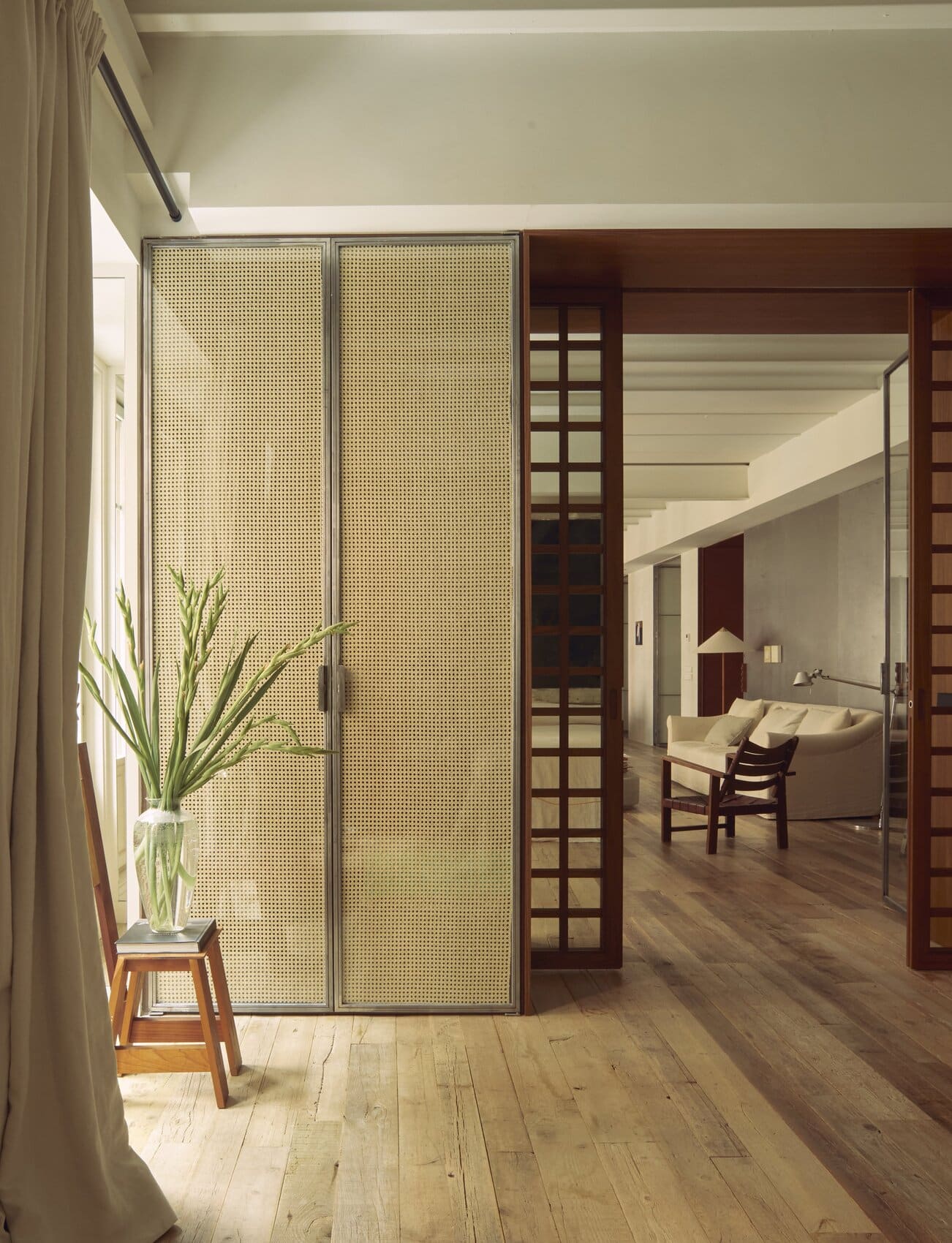
Proyecto en la calle Lope de Vega. Foto: Pablo Zamora.
What materials do you enjoy working with the most, and what do you hope to convey through them?
Wood, leather, and handcrafted glazed clay. Wood has a density and a character that changes with use, especially reclaimed wood. Leather is a material that improves with time in a very direct, very honest way. And we’re drawn to glazed clay because each piece bears the mark of the person who made it; there’s an inevitable variation that makes it unique. In all of them, we seek the same thing: that the material be honest and that it improves with time.
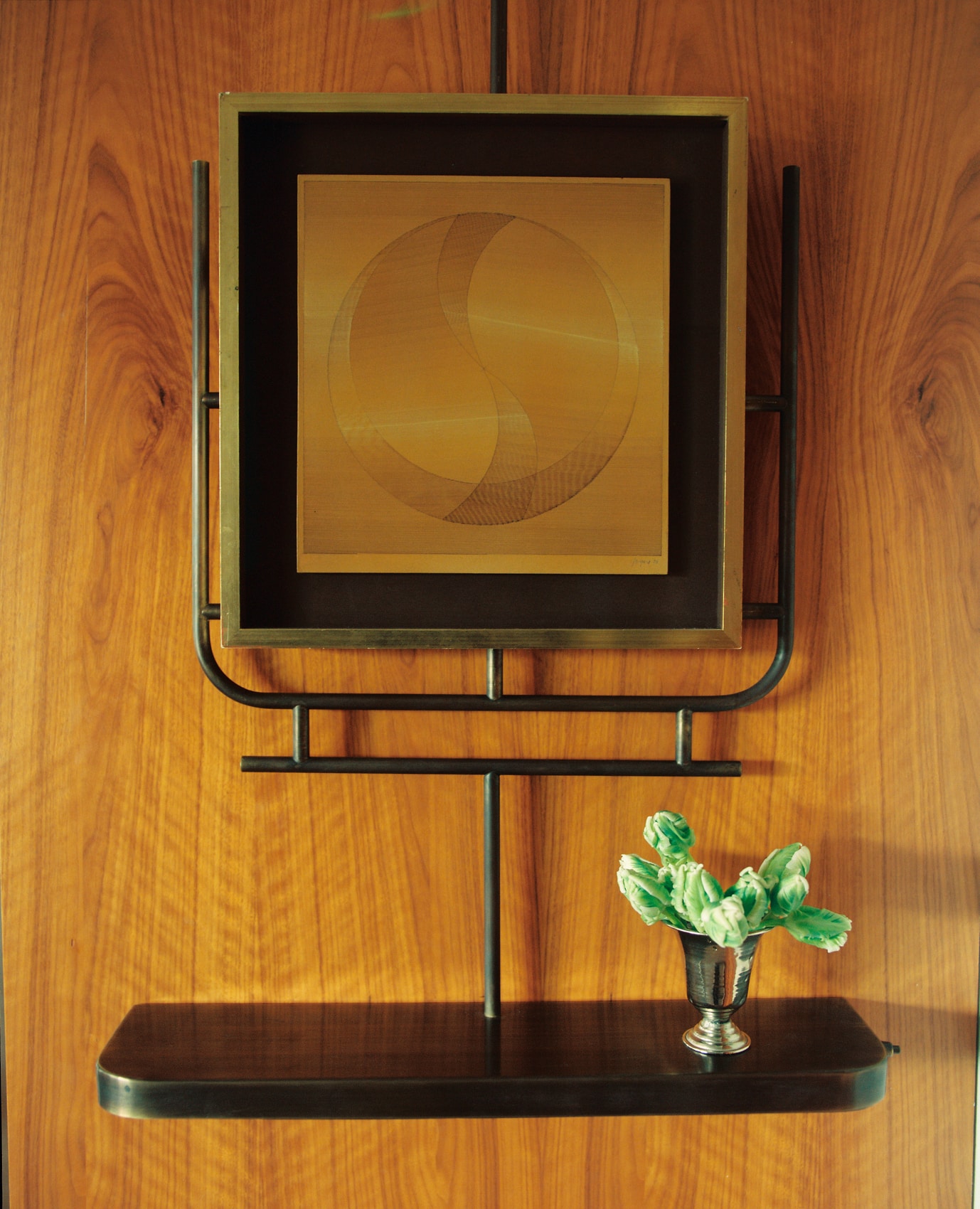
Atención al detalle en el proyecto realizado en Eduardo Dato. Foto: Pablo Zamora.
What inspires you, and how does the creative process unfold for each project?
We always start with the space and the client. The space has non-negotiable conditions (light, structure, history), and the client has a lifestyle that we need to understand before we begin designing. From there, the process is very conversational: quick sketches, physical materials on the table, visits to antique dealers and manufacturers, and constant review among the three of us. We don’t use Pinterest references as a starting point; we use real objects, spaces we’ve visited, materials we’ve touched. Inspiration comes from very different places—a piece of pottery, a fabric, a building we see while traveling, an exhibition—but it always passes through the filter of the specific project before becoming a decision.
What role does lighting play in your projects? Do you work with any specialized firms?
Lighting is a project within a project. It can either ruin or enhance everything else, and it’s the last decision to be made—and the one that stands out the most if it’s done poorly. We work with specialized firms when the project calls for it, and with lighting designers who create custom pieces for specific spaces.
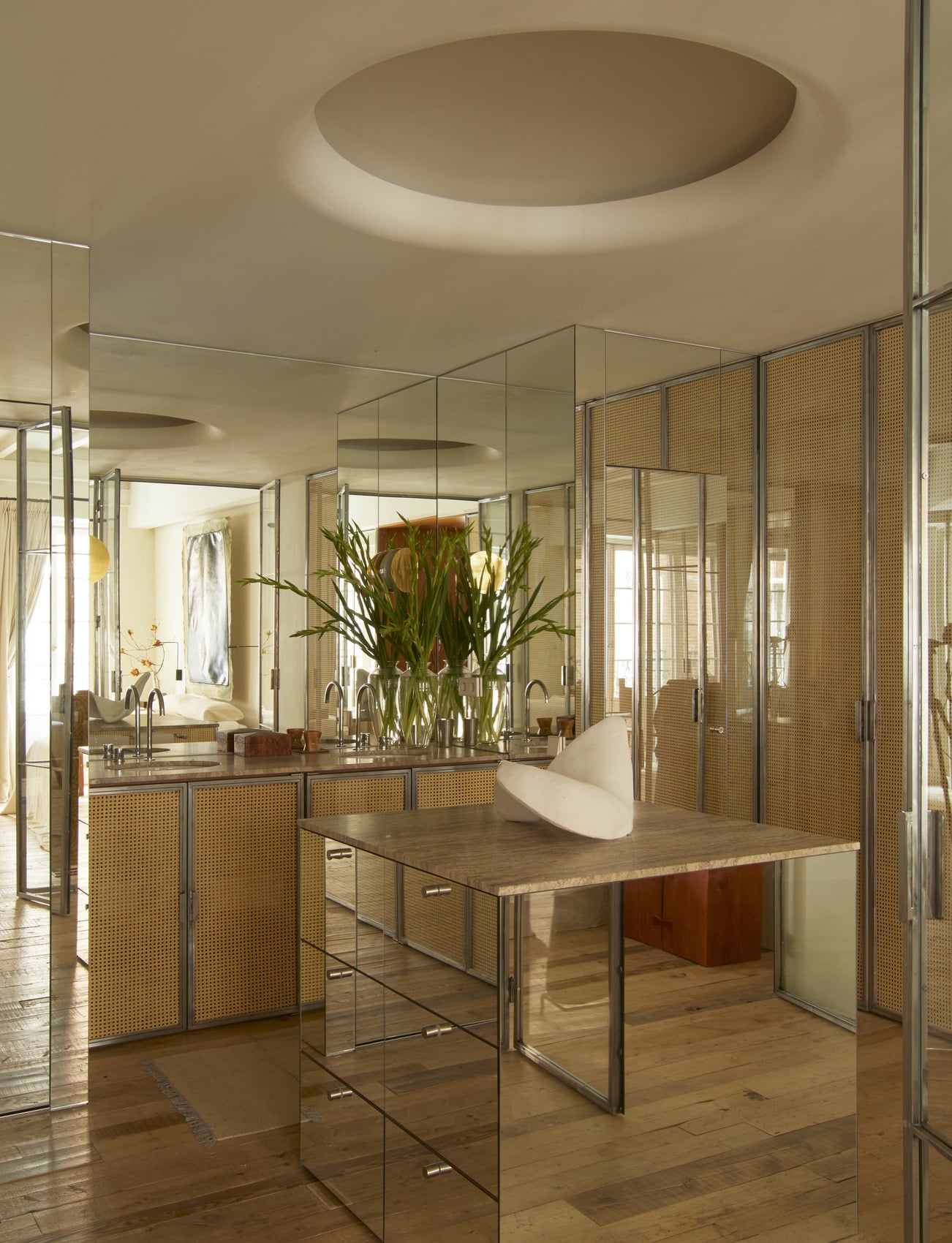
Baño y vestidos en el proyecto Lope de Vega. Foto: Pablo Zamora.
You’re working on projects outside Madrid, including in historic settings like Santa Cruz de Tenerife. How does the location influence the way you design?
In a decisive way. In Madrid, we have a very familiar context—turn-of-the-century buildings, row houses, the city’s color palette—and our responses have been refined over the years within that framework. When we work elsewhere, we start from scratch in many ways: the light is different, the local materials are different, and the way people inhabit the space also changes. In La Vera, for example, the project revolved around the land and the vineyard, using local materials such as clay, wood, and stone from the area, creating a space fully integrated into its surroundings. In a historic city like Santa Cruz, the existing architecture carries a different weight. We love that constraint because it’s stimulating, never limiting.
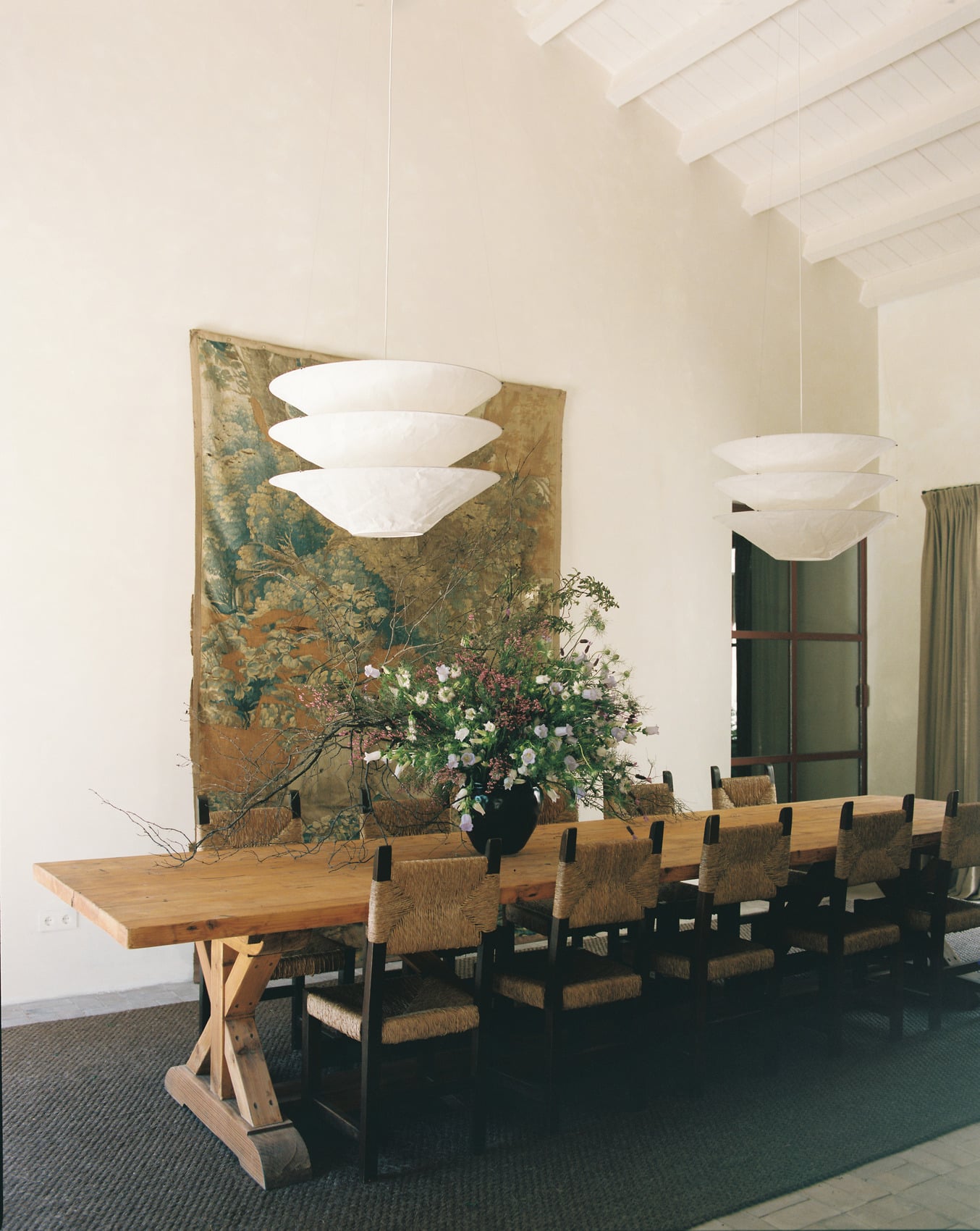
Comedor de la obra Los Rincones. Foto: Pablo Zamora.
What are you currently working on?
We have several residential projects underway, both in Madrid and elsewhere. And we’re very focused on developing the gallery: we’ve just launched a collaboration with Vasto Gallery in Barcelona with the exhibition *Cápsula 4: Selected to live inside architecture*, in which we’re presenting work by Pol Agustí, Max Milà Serra, and Esther Gatón alongside pieces created by our own studio. This is a line of work that is very important to us: bringing interior architecture, object design, and art into dialogue from our own curatorial perspective.
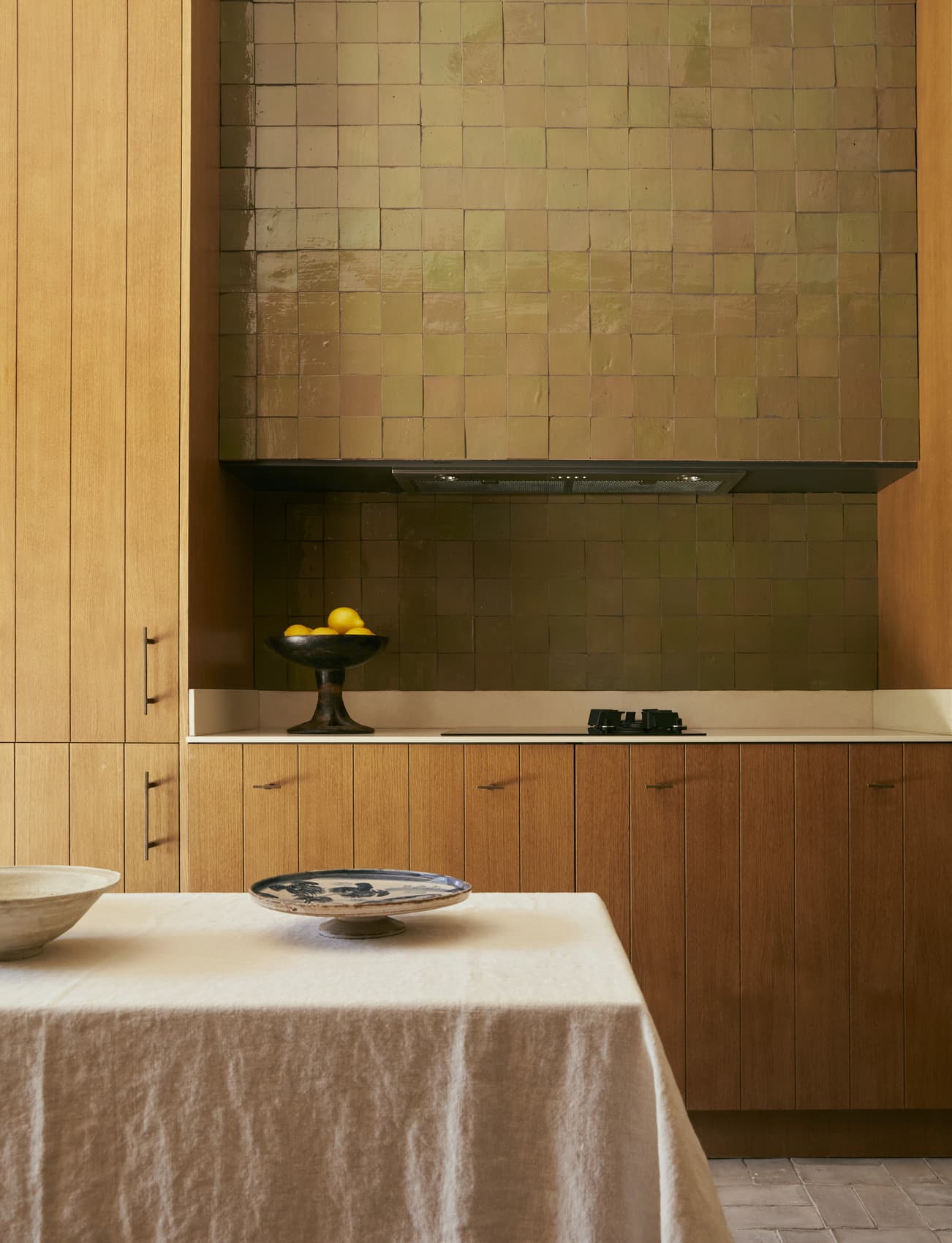
La cocina del proyecto Los Rincones. Foto: Pablo Zamora.
Is there any kind of project you haven’t been able to tackle yet but would like to develop in the future?
We’re very drawn to hospitality: a small hotel with character, where you can create a complete experience—from the architecture down to the smallest detail. We’d also like to work on more historic building renovation projects—spaces with layers, with accumulated memory—where the challenge isn’t to invent but to reveal. And at some point, we’d like to take on a public or cultural space project: a hall, a foundation, something that isn’t strictly private. We believe our design language has something to say in that realm as well.
Where would you like the studio to be in another ten years?
Similar to where we are now, always working on projects that matter to us, but with a stronger international presence and with the gallery established as a program in its own right. We don’t want to be a large studio; we want to maintain a scale that allows us to control the quality of the process. And we want what we build to continue having the same clarity of purpose it has today, but with more layers.
You’re also starting to work with developers, right?
Yes, but very boutique developers. Very signature projects. For example, we’re working with a group of people who create very carefully crafted projects and always collaborate with different interior designers. They’ve worked with Plantea, Febrero Studio, Mesura… and now they’re going to do their next project with us.
That also changes the nature of your relationship with the project.
A lot. When you work for a family, you end up being almost like a psychologist. You get to know their dynamics, their kids, their dogs, how they live… It’s a very intimate relationship. Many clients become friends.
And then they keep trusting you.
Of course. It happens to us all the time. Clients we designed a house for in Madrid will call us later for a project in Ibiza or another home. That means they’re happy and that the bond is strong.
In projects like the Campomanes house, do you conduct a sort of archaeological exploration of the space?
Not exactly archaeology, but we do try to gain a deep understanding of the space we’re working in. That house, for example, was a very unique space—a building by Miguel Oriol with a highly complex roof structure. We had to find solutions that worked for both winter and summer.
We were the ones who encouraged the client to go for it, because from the very first visit we saw the potential: opening up the ceiling height, restoring exposed beams, bringing in more light… Sometimes the client buys a house without realizing what it could become.
But you are very conscious of the architectural context.
Very much so. It’s not the same to renovate a house on Paseo de Recoletos as it is to work on another type of building. We would never dream of replacing traditional wooden window frames with aluminum ones, for example. In that sense, we’re quite conservative.
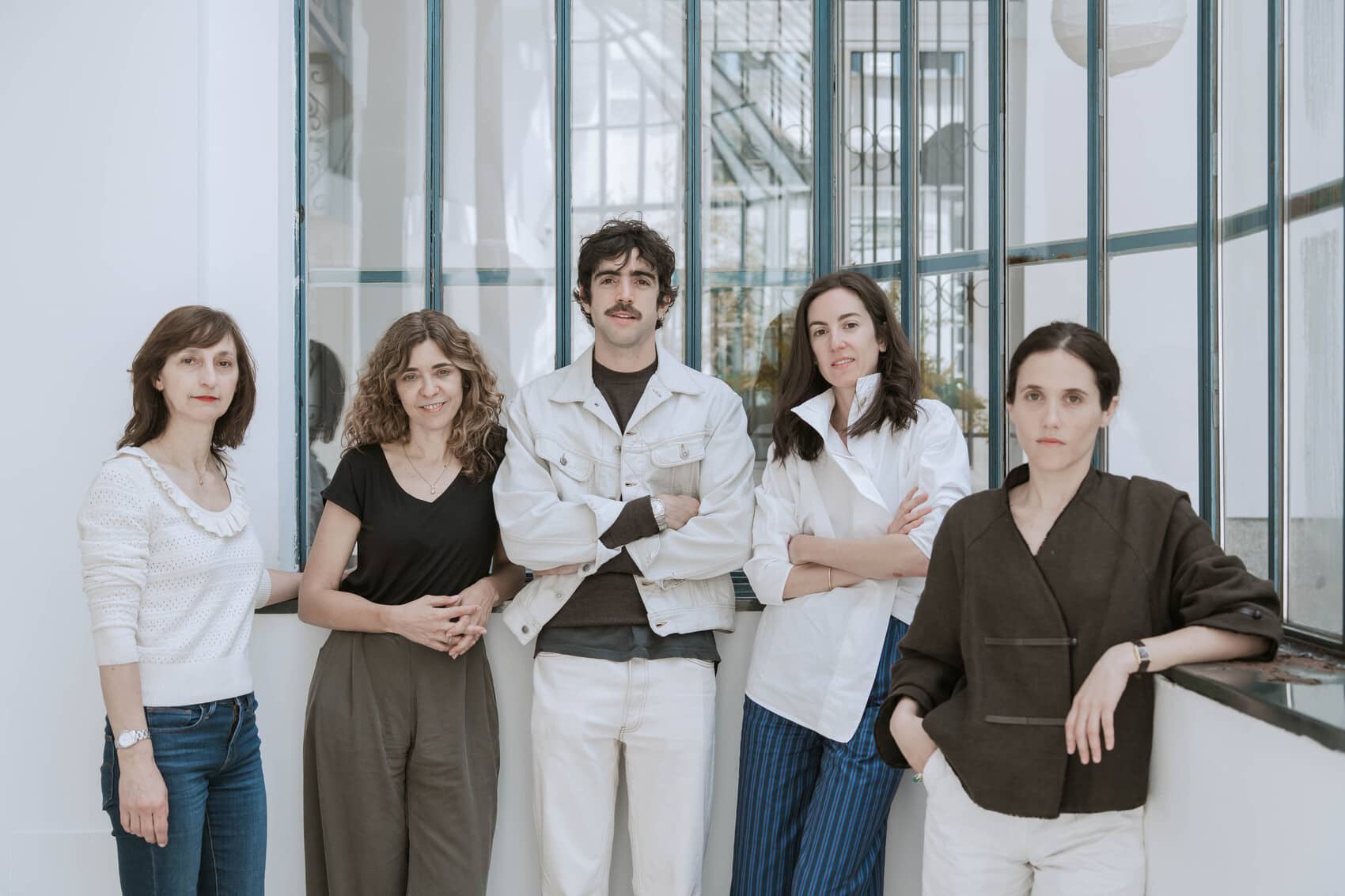
Beatriz Fabián, Silvia Hengstenberg y los chicos de
Written by: Beatriz Fabián
Beatriz is a journalist specializing in offline and online editorial content on design, architecture, interior design, art, gastronomy, and lifestyle.